

The Remarried Empress (《再婚皇后》)
Available on Disney+
A faithless emperor falls for a runaway slave. Forced into a divorce, his empress turns around and marries a prince from a neighbouring country. Does that not sound like the plot of a short-form drama?
The Remarried Empress is set in the fictional Eastern Empire. Empress Navier (played by Shin Minah) and Emperor Sovieshu (played by Ju Ji-hoon) are childhood sweethearts. After marrying, they are seen as a model couple, supporting each other in both their personal lives and affairs of state. Although previous emperors kept several mistresses, Sovieshu once promised Navier that he would never take another lover. Yet their failure to have a child after years of marriage remains a source of regret for them both.
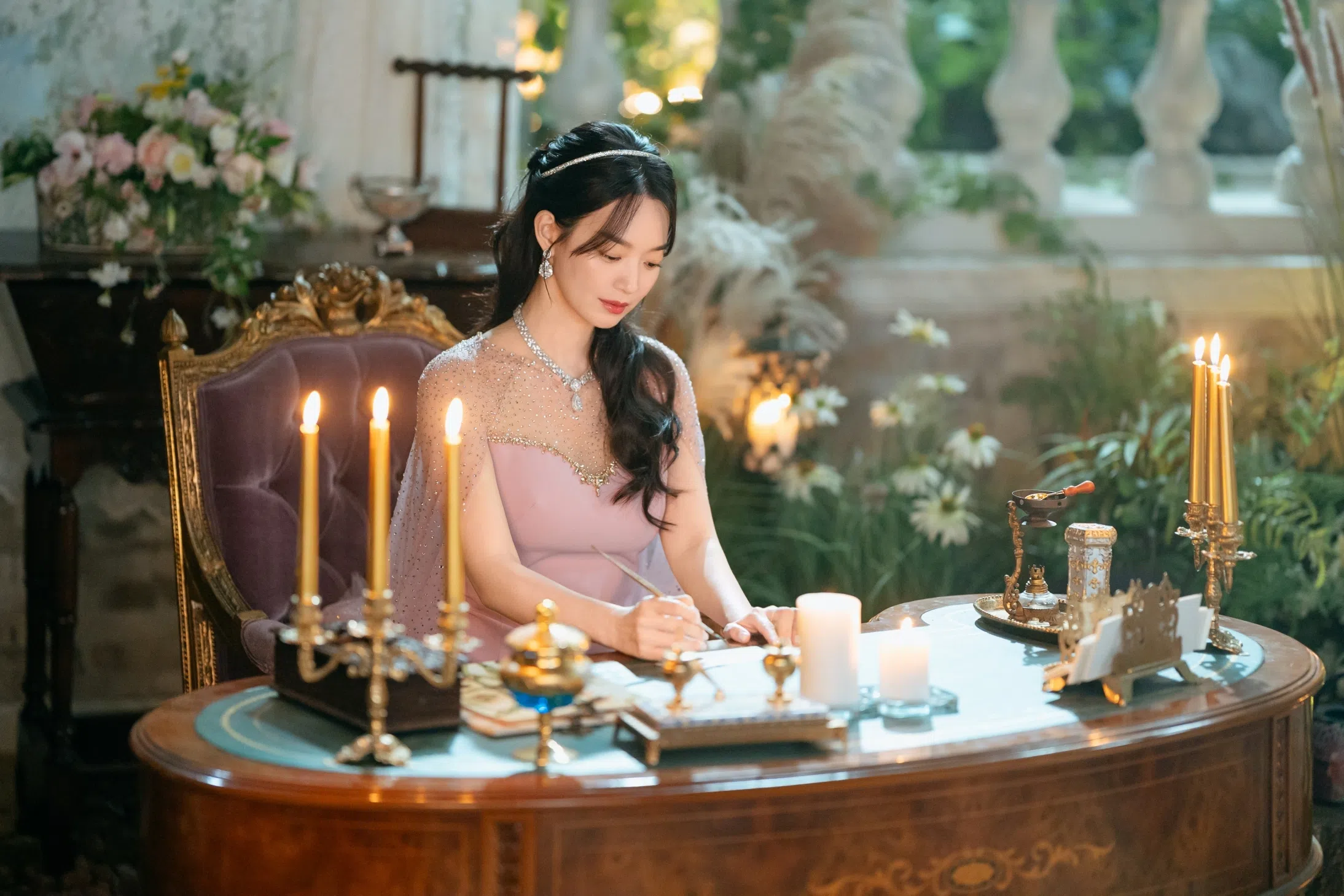
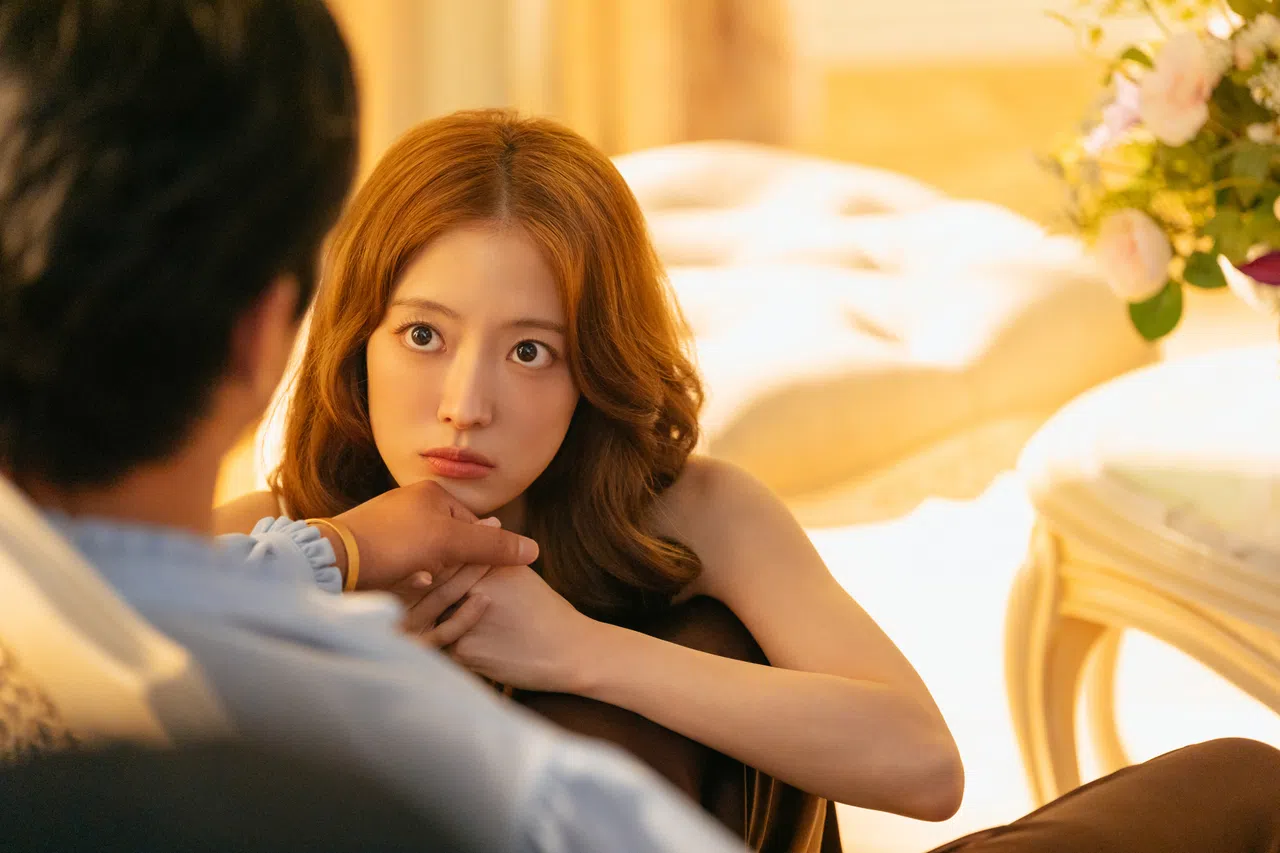
During a hunt, Sovieshu chances upon Rashta (played by Lee Se-young), a runaway slave in distress. Her pitiful appearance and apparent innocence captivate him, prompting him to break his promise to the empress and bring her into the palace. With the emperor’s favour, Rashta is adopted by a noble family, freed from her slave status and formally made his mistress. She begins attending social dinners and grows increasingly haughty. She then becomes pregnant with the emperor’s child.
To give his illegitimate child legitimate status, the emperor demands a divorce. Rather than protest, the empress asks to remarry Prince Heinrey (played by Lee Jong-suk) of a neighbouring country. A political and romantic storm erupts between the two nations.
Ju Ji-hoon looks too old as the faithless emperor
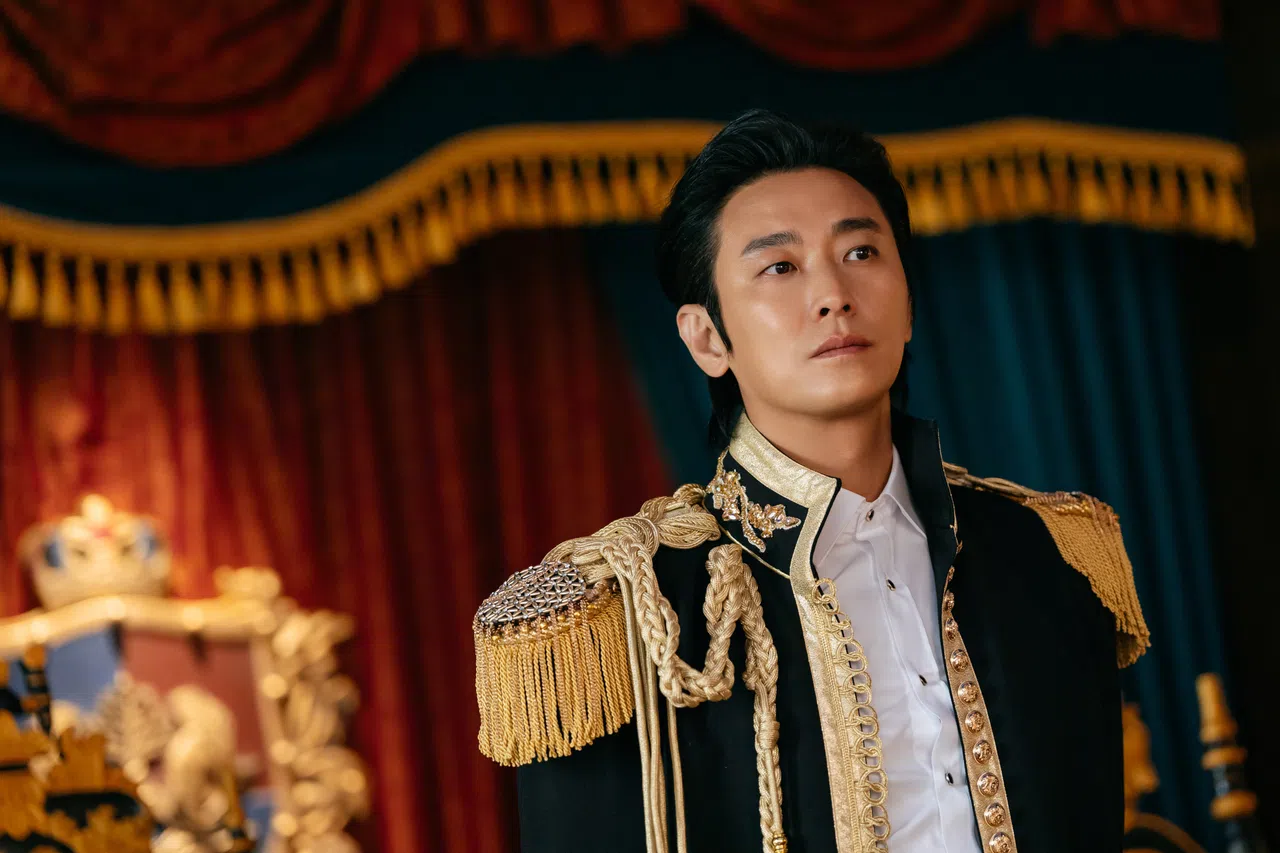
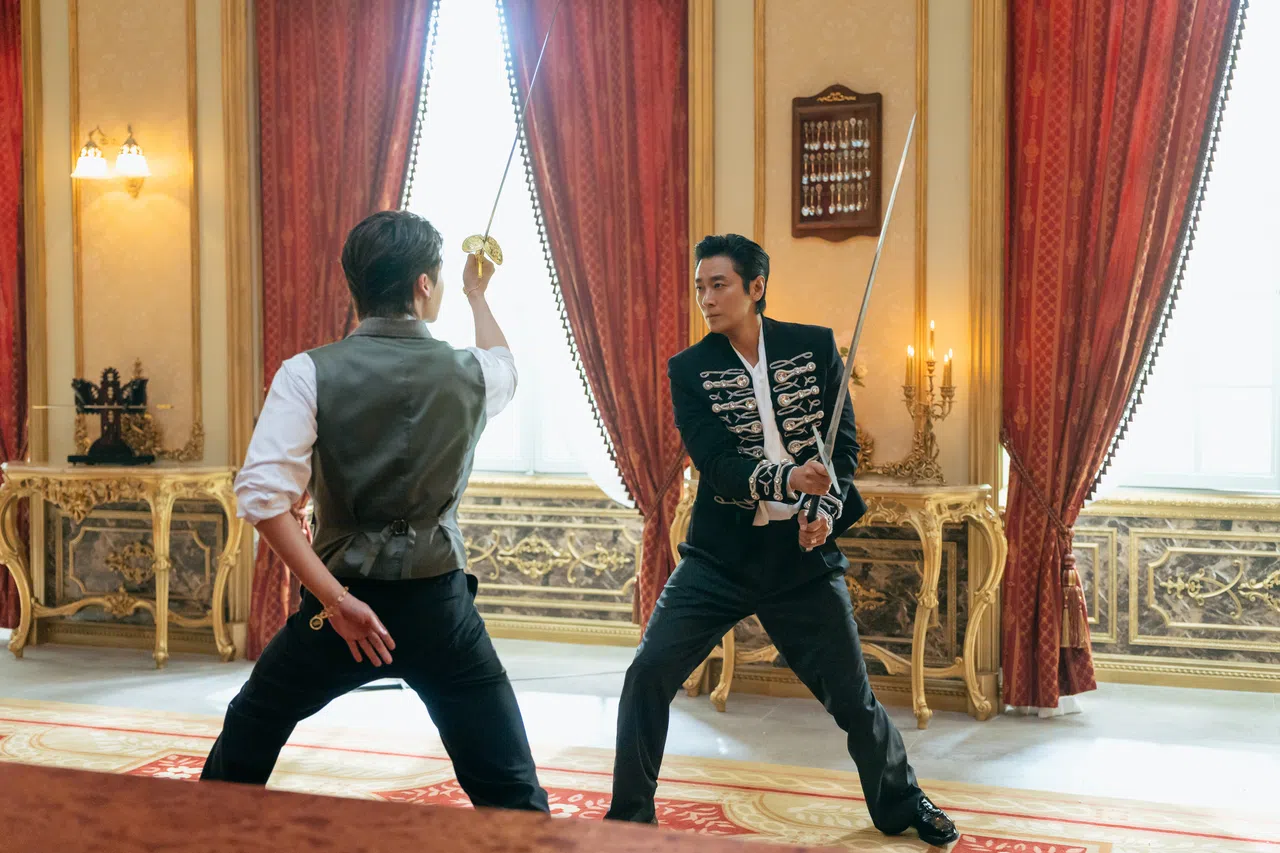
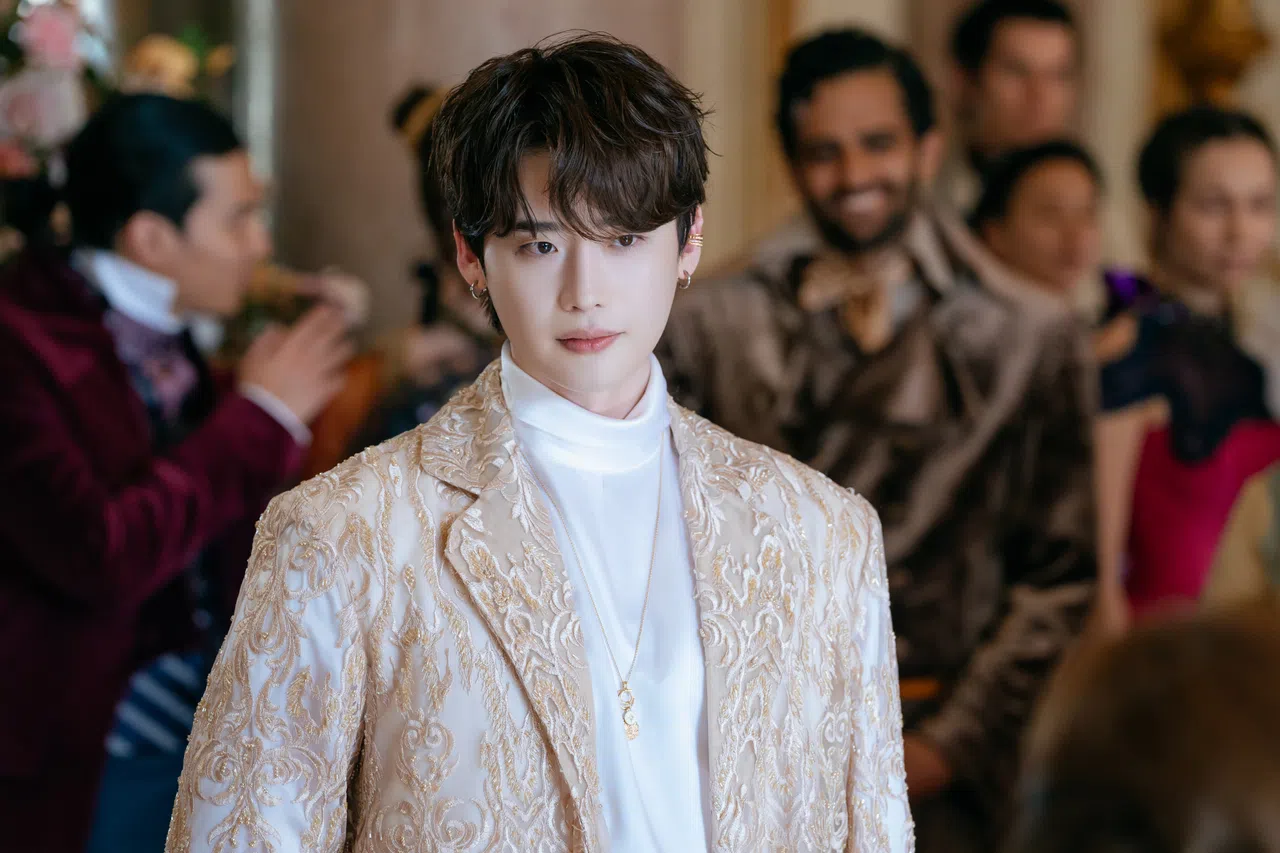
Adapted from the novel and comic of the same name, the series has all the over-the-top melodrama of a short-form drama. Its cast has also sparked considerable discussion. Some netizens feel that although the leads are all big names, their ages make them a poor fit for their roles in this fantasy romance. Ju’s styling, in particular, makes him look rather old. A sword-fighting scene between him and Lee Jong-suk also lacks impact: it feels more like children playing at fighting, making for awkward viewing.
Ju’s Sovieshu goes from devoted husband to feckless emperor, blinded by beauty, in the blink of an eye. Perhaps it is precisely because Rashta is so different from the strong-willed empress that her helplessness when bullied awakens his fierce protective instincts. Easily swayed, Sovieshu grants Rashta’s every wish, even changing the law for her to overturn the ban on slaves entering the palace.
When the empress’s personal maid offends Rashta, Sovieshu orders the maid imprisoned. At an important banquet, he shares the first dance with Rashta, humiliating the empress in front of his mistress and the nobility. Having played many admirable characters, Ju now takes on a lovestruck emperor who repeatedly makes absurd decisions. It makes one wonder: what drew him to such an unlikeable role?
Satisfying pay-offs keep viewers watching
Lee Jong-suk plays Heinrey, the handsome prince of a neighbouring country, who transforms into a messenger bird and becomes the empress’s pen pal. After the emperor’s betrayal, the bird becomes a source of comfort to her, and she grows increasingly fond of it. Once the pair recognise each other at a banquet, their relationship deepens. Heinrey is drawn to the empress and secretly helps her when Rashta stirs up trouble, making him the show’s Prince Charming. His background remains a mystery, however. How the story will unfold, and why he can turn into a bird, are intriguing questions.
Rashta, meanwhile, is constantly stirring up trouble. At her very first meeting with the empress, she wants them to address each other as sisters. When rebuffed, she cries and makes a scene, trying to win sympathy by playing the victim. With the emperor’s favour, she becomes ever greedier. Pure and innocent on the surface but calculating underneath, she is a classic schemer masquerading as a sweet ingénue. Lee Se-young captures the character so well that she makes your blood boil.
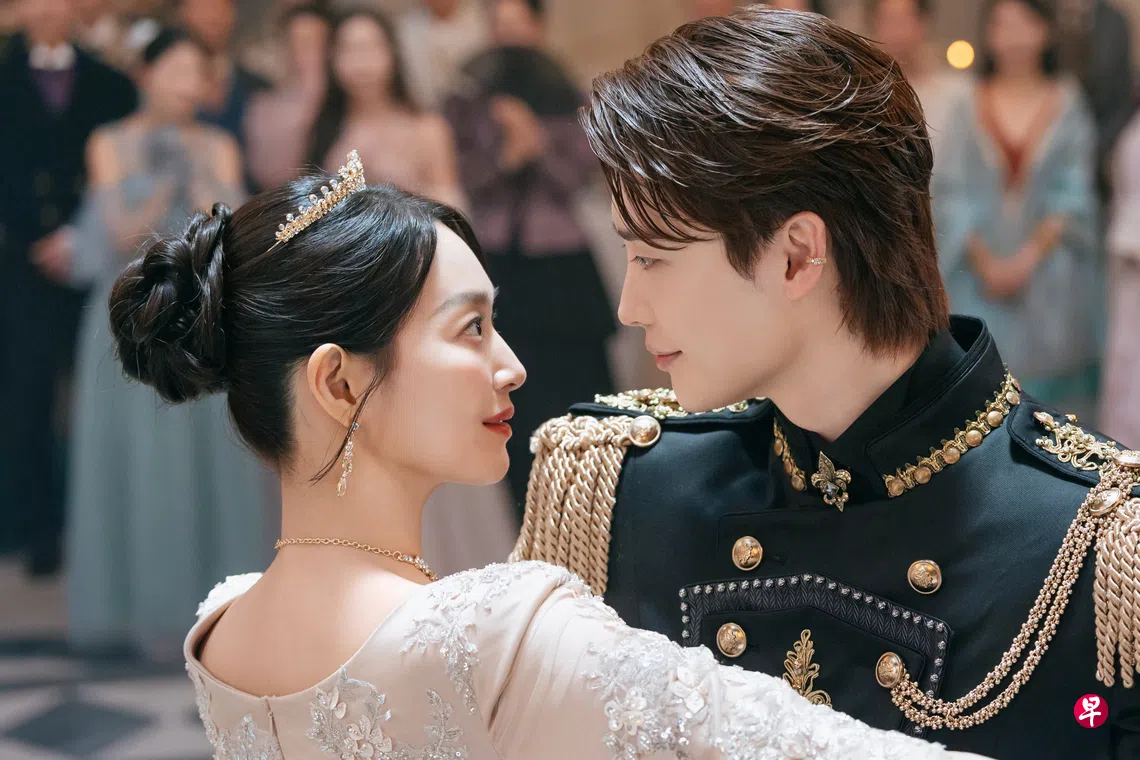
By contrast, Shin Minah’s empress is far more likeable. Even after the emperor betrays her, she refuses to compromise her principles or dignity. Nor does she back down when Rashta provokes her. The New Year banquet sequence is particularly satisfying: although the emperor chooses Rashta for the first dance, Heinrey graciously steps forward to invite the empress to dance.
Still, there is plenty to criticise. Some netizens feel that such an overblown plot wastes this star-studded cast. But I find enough here to keep me watching. After all, the story is straightforward, with touches of comedy, lavish make-up, styling and costumes, and an appealing cast. It makes for undemanding viewing. Perhaps it is precisely this blend of short-form-style melodrama and satisfying pay-offs that makes me want to keep watching.
