

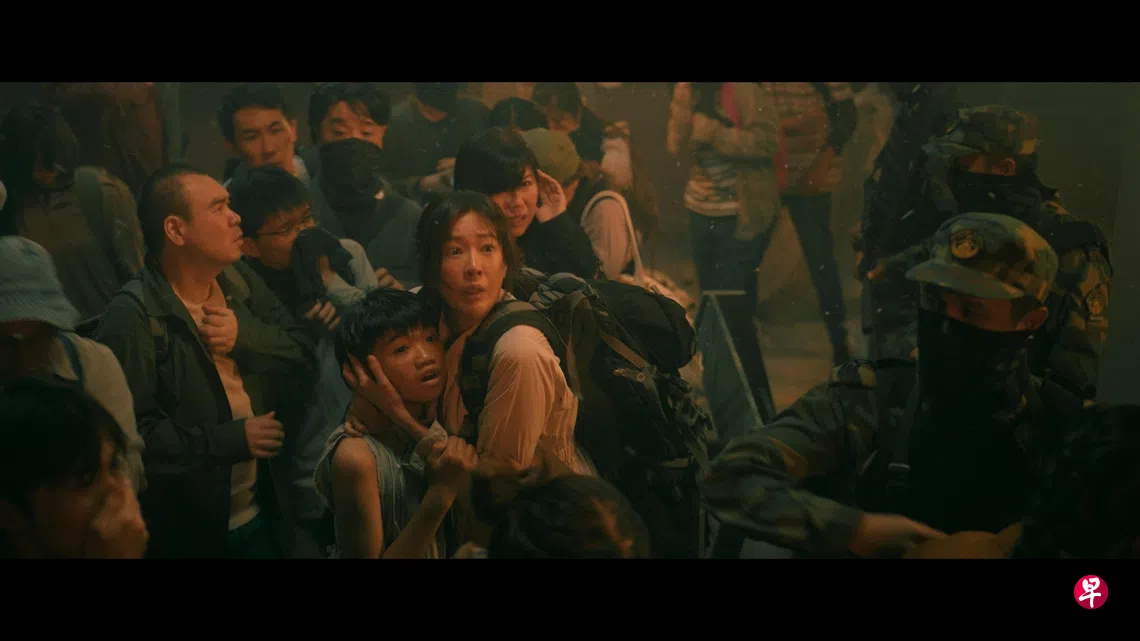
Mediacorp’s major drama production The Leftovers has drawn mixed reactions since its premiere. Viewers have welcomed the broadcaster’s attempts to explore new subject matter and filming techniques, but online commenters and interviewees have also raised concerns about its dark visuals, slow pacing and release across three seasons.
Drawing on our reporter’s observations, comments on the HardwareZone forum and interviews with viewers, Lianhe Zaobao (LHZB) rounds up two strengths and three weaknesses of the series.
1) Credit for trying something new
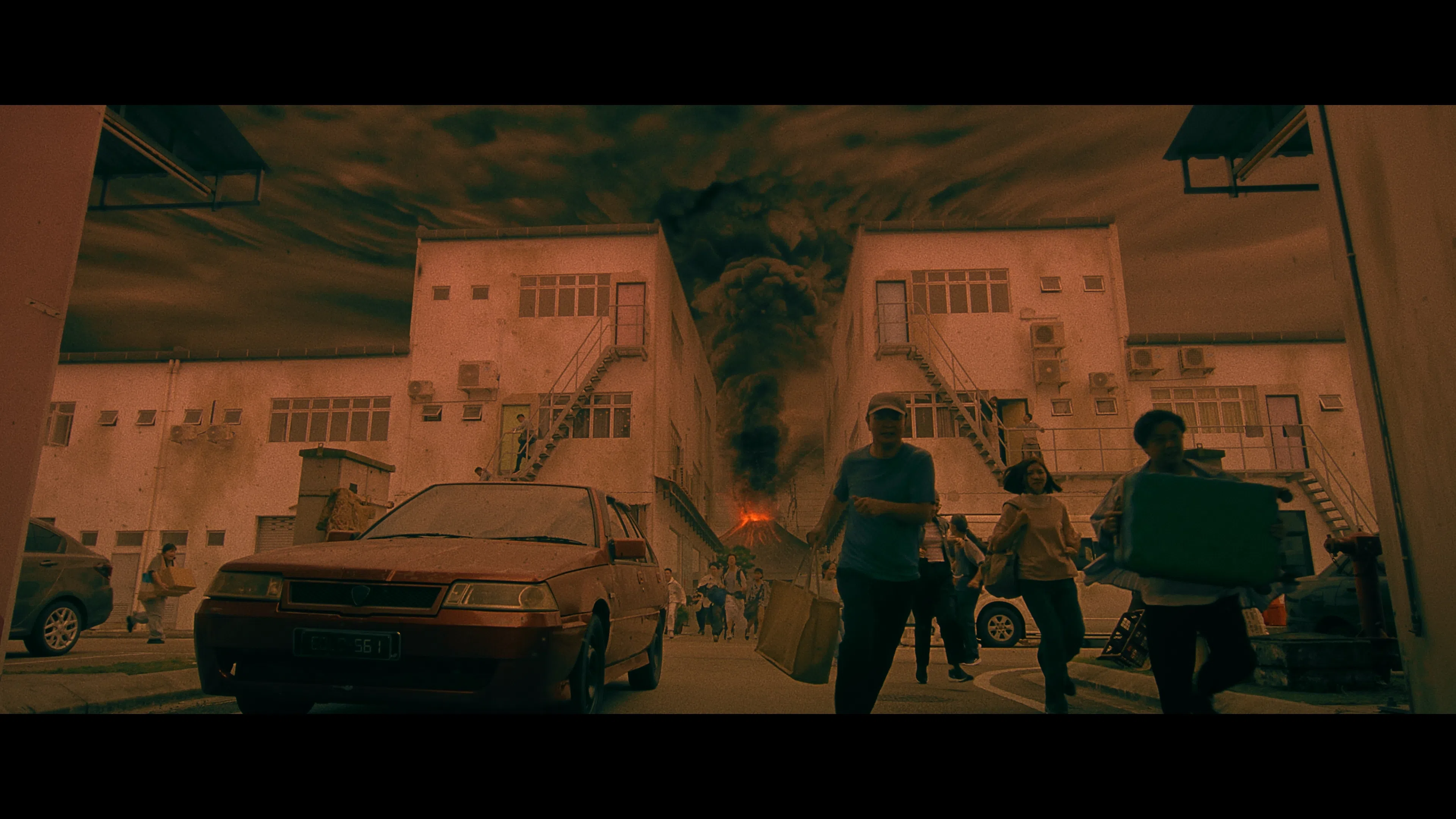
The Leftovers is a rare venture into dystopian crime drama for Mediacorp. Set in the fictional nation of Chidao, it depicts a population struggling to survive after simultaneous volcanic eruptions cause severe environmental pollution and persistently high rates of organ failure.
The production team built an underground city set at Iskandar Malaysia Studios, successfully creating the atmosphere of a slum. The series also uses virtual production to depict scenes such as volcanic eruptions.
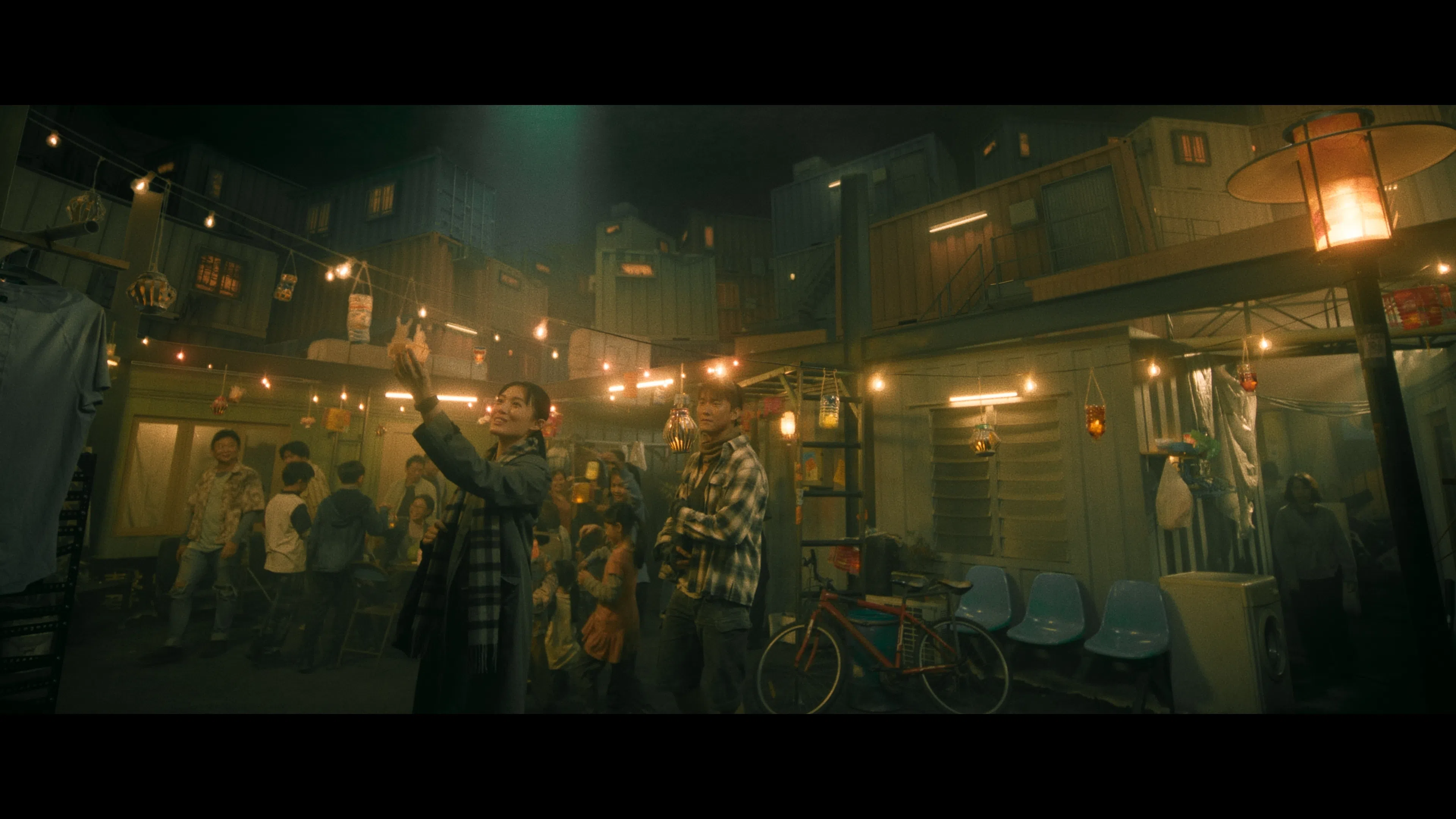
Emma, 42, a loyal Channel 8 viewer, said in an interview: “I think the story breaks new ground. Watching it, I felt heartened for Singapore drama. The colour palette feels fresh — at least it is different from the usual bright white lighting in the 9pm dramas.”
Liao, 29, also found the story and concept engaging. “I can see the production team’s ambition, and I admire that.” Liang, 30, agreed that the story was interesting and that Mediacorp’s efforts to try something new were evident.
2) Strong performances with some pleasant surprises
Li Nanxing, Jesseca Liu, Cheryl Chou and Zhang Ze Tong have substantial roles in the first season. The veteran leads maintain their standards, with Liu delivering a moving crying scene in the final episode as a seriously ill mother. Chou stands out and has good chemistry with Zhang. Desmond Tan and Kelly break new ground as villains, while James Seah also shows improvement as a police officer.
Liao praised Chou’s natural acting and delivery. Liang, meanwhile, found Tan’s portrayal of a gang leader refreshing. “It is rare to see him break out of his usual handsome, upright roles. I did not expect him to pull off such a commanding character. Kelly’s performance as a female gang boss also made me see her in a new light. Her expressions are spot on, although her laugh is unsettling.”
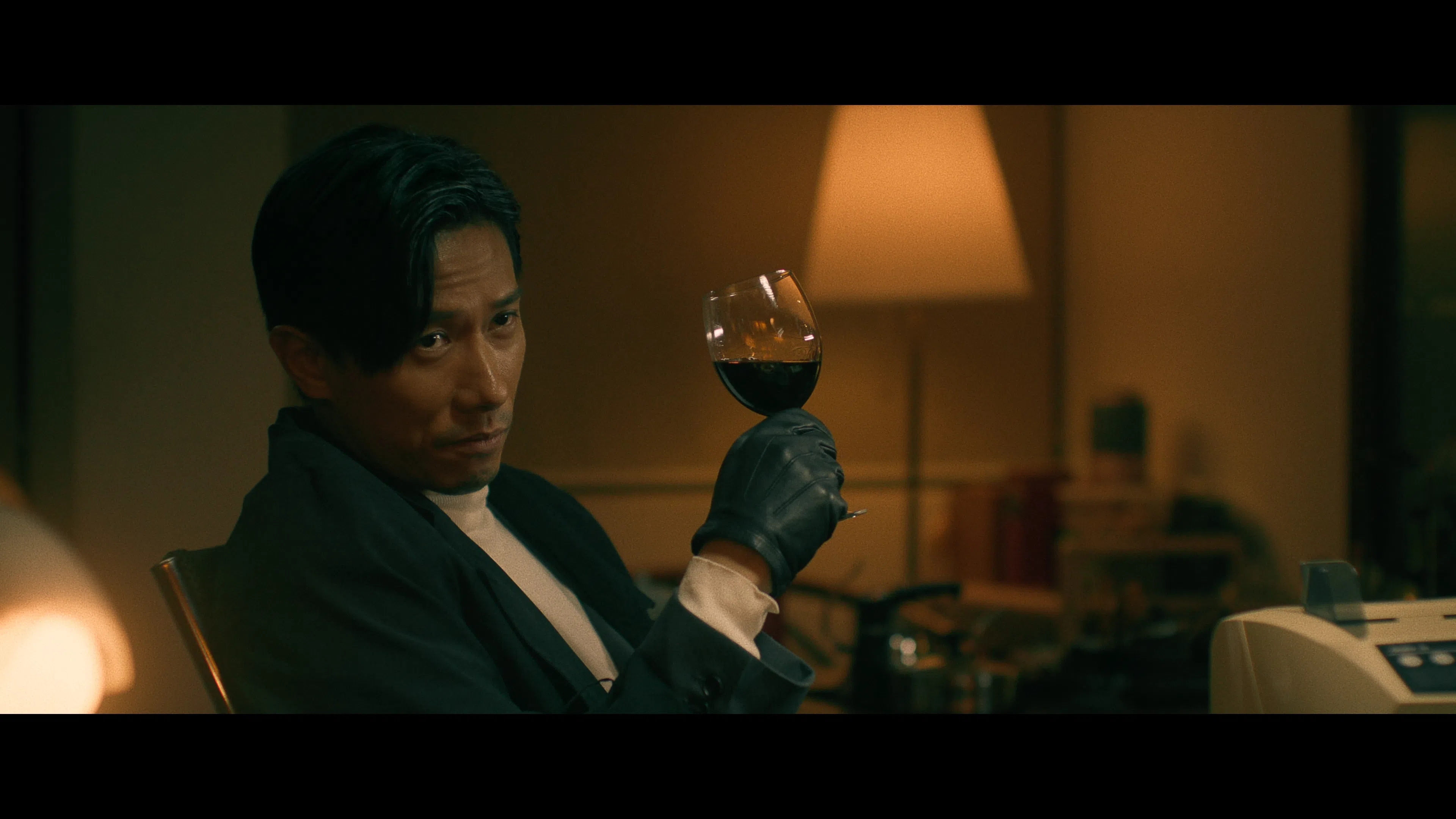
Emma felt the casting was good overall. “You can see the effort that went into Desmond Tan’s look, but he speaks far too slowly. It feels a little deliberate and unnatural. Cheryl Chou is as lovely to watch as ever, while James Seah’s acting and diction have improved.”
3) Dark visuals strain the eyes
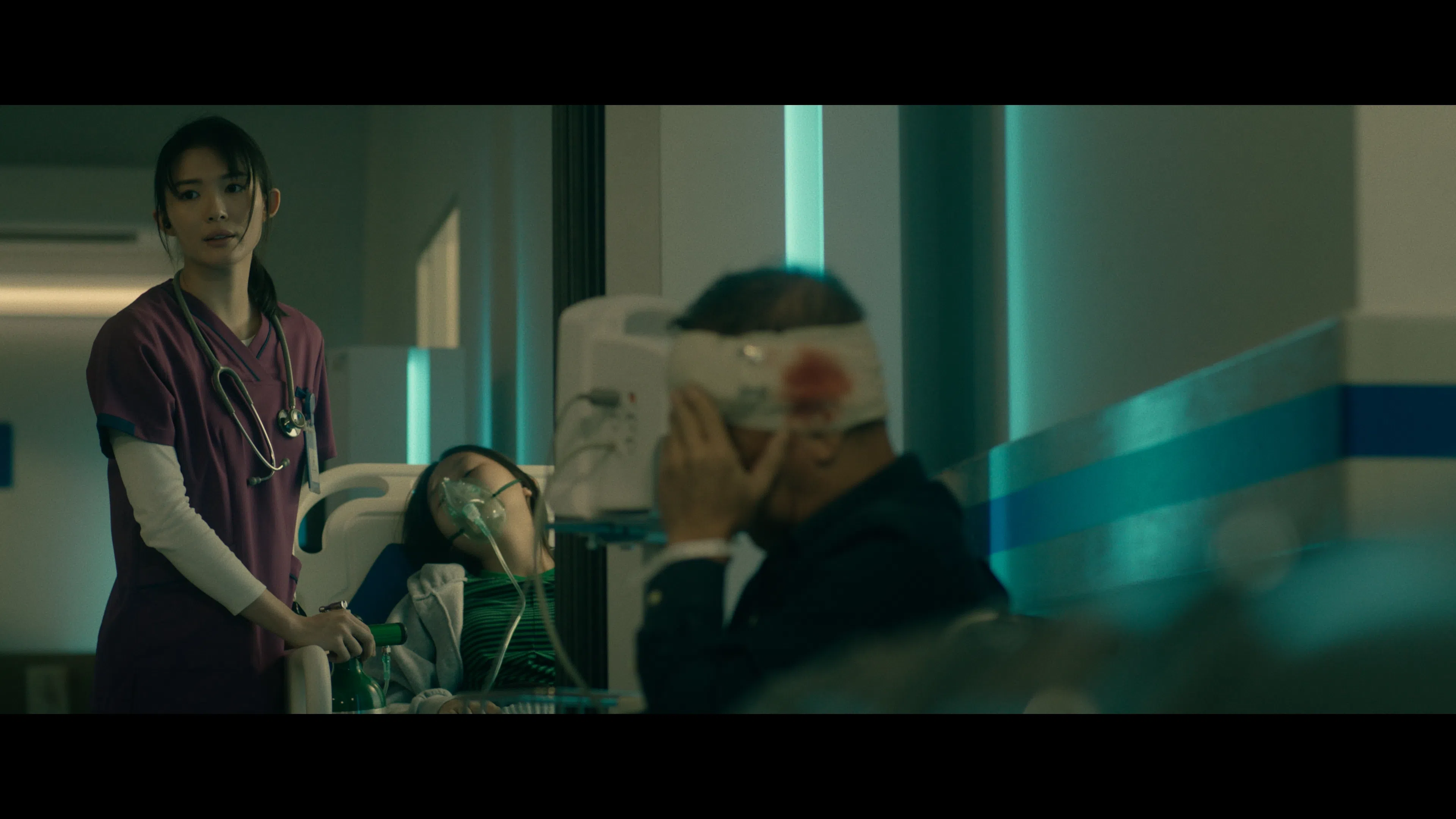
Besides the underground city, scenes in the hospital, police station and laboratory also have a dark colour palette. Some commenters on HardwareZone said the dim visuals caused eye strain. LHZB also received feedback from readers who felt the dark images made The Leftovers look inadequately lit.
Liang, however, said the dark palette did not affect her viewing experience. She found the previously aired Hands of God harder to watch in this respect. “Although The Leftovers has dark tones, you can still see clearly.” Liao agreed with the online criticism but understood why the production team had chosen this approach.
4) A 24-episode story split into three seasons
The Leftovers is being released in three seasons of eight episodes each. The first premiered on Netflix and mewatch prime on 9 November, followed by Channel 8 on 16 November. The second and third seasons will not air until 2027, an arrangement that has puzzled some online commenters.
Why does a 24-episode story need to be split into three seasons? Might viewers forget the story in the meantime and struggle to follow the plot?
5) Slow pacing and too few surprises
Emma felt The Leftovers was a little slow, while some plot details and character styling failed to convey a sense of the future. She asked, “Are people still delivering food on bicycles in 2037? And the gangsters look as though they are still in the 1990s. Some of the designs should be more advanced and imaginative.”
Liang found the plot somewhat predictable, lacking excitement, surprises and a sense of anticipation. Liao also felt the characterisation was too superficial. “For example, you can tell at a glance that the gangsters are bad people.”
Executive producer Paul Yuen: We take viewers’ comments on details seriously
Responding to viewers’ comments, The Leftovers executive producer Paul Yuen told LHZB: “Thank you for the feedback, which is very useful to us. Unlike previous Mediacorp Chinese-language dramas, The Leftovers is a dystopian series. To portray this harsh environment in which people struggle to survive, we adopted a darker visual style to convey the oppressive atmosphere of a world ravaged by disaster. However, as the story moves into the second and third seasons, the lighting and overall atmosphere will change.”
On the decision to release the series in three seasons, Yuen said this had been the intention from the outset when developing the script. The aim was to let viewers gradually piece together the full story from different perspectives, creating a very different viewing experience.
He explained that the first season plants questions and clues to pique viewers’ curiosity. The second goes back in time, allowing viewers to find answers and connect the revelations with the first season. The third takes the story into new territory, bringing its conflicts and central arguments to the fore and giving viewers room for reflection and discussion.
“We hope viewers will not simply watch passively to see what happens next, but also become curious about what happened before. We want them to think actively and engage with the series.” The gaps of several months between seasons are intended to give talking points time to develop and spark discussion.
Some online commenters also felt the special effects could be improved. Yuen said, “This time, we tried to build a fictional nation that has experienced a volcanic disaster. From environmental design to visual effects, there was much that was new for us to explore. We will continue to build our production experience, and hope this attempt opens up more possibilities for the future.”
Addressing criticism of the slow pacing and the lack of a futuristic feel in the plot and styling, the executive producer explained that the future depicted in The Leftovers is not one in which everyone has access to advanced technology. After prolonged disaster, the wealth gap has widened and resources are scarce, leaving many people dependent on old equipment. The gangs’ retention of traditional underworld practices is another aspect of a society where old and new coexist.
As for the pacing, the first season devotes some time to establishing the characters and mysteries. But Yuen said that as the story develops, the clues planted earlier will gradually come together, while some seemingly straightforward relationships will take unexpected turns.
Other viewers questioned why characters were handing over organs outside a hospital. The executive producer explained, “What the series depicts is a black-market transaction, not a proper medical procedure. Still, even in a fictional world, plausibility matters, and we will take the details raised by viewers seriously.”
On the message behind the story, Yuen said, “The Leftovers focuses on a group of people in extreme circumstances, forced to struggle between seeking survival and seeking death. Although the series is set in an imagined world, its central question is closely connected to reality: if saving one person might mean sacrificing another, what would you choose?”
He added that, with this major production, the team wanted to explore different subject matter, storytelling techniques and visual styles, while also prompting different discussions among viewers. ‘“The characters cannot be divided so simply into good and evil. Each has their own position and trade-offs to make. We hope viewers will keep asking themselves afterwards: if it were me, what would I choose?”
