

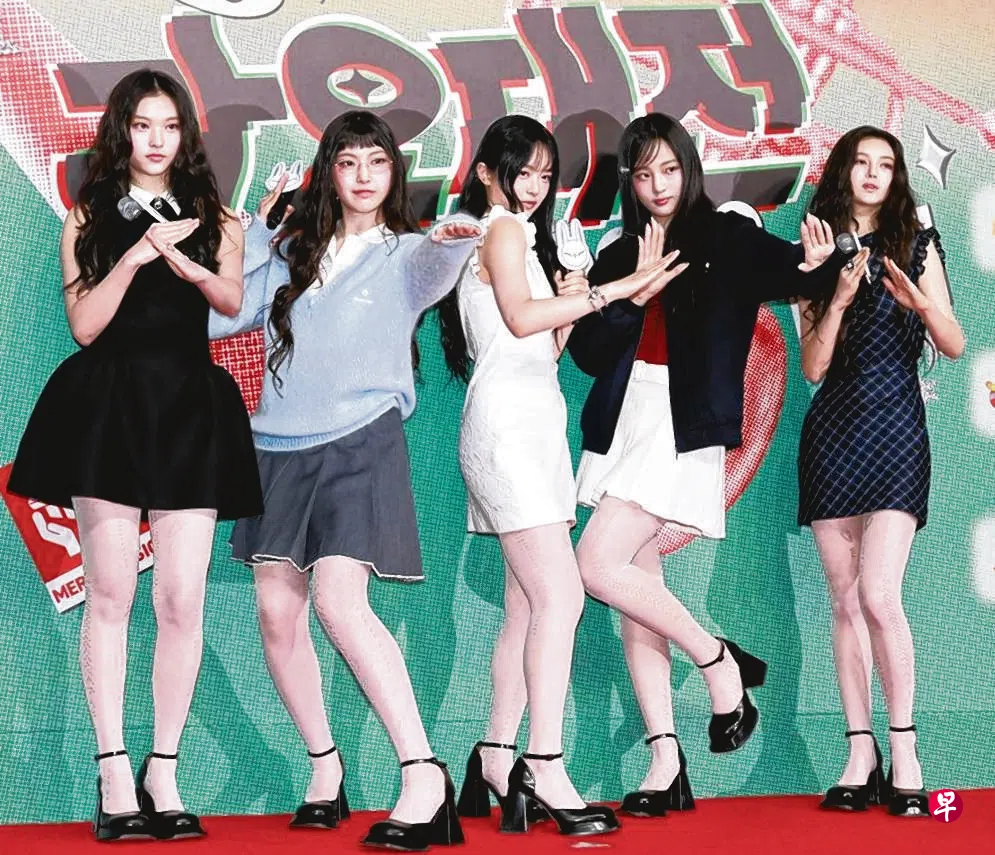
Another twist has emerged in the contract termination dispute between popular South Korean girl group NewJeans and its label ADOR, a subsidiary of HYBE. The New York Times recently obtained confidential contracts signed by the five members before their debut, when they were aged just 14 to 17. The contracts allegedly omitted several safeguards for underage performers and included provisions allowing the company to continue using the members’ likenesses and clone their voices using AI even after the contracts expire, sparking widespread public debate.
NewJeans had earlier announced the termination of their exclusive contracts, saying that remaining with the company would only prolong their psychological suffering. The disclosure of the contracts’ contents has further escalated the dispute.
According to the report, the South Korean government’s standard exclusive contract template explicitly protects underage performers’ rights to education, physical and mental health, and sufficient sleep. NewJeans’ contracts allegedly omitted these provisions, instead adding restrictions prohibiting insincere behaviour, inappropriate romantic relationships and criticism of their label.
Of particular concern is that even after the contracts expire in 2029, ADOR may retain the right to continue selling the members’ existing work and adjust revenue-sharing arrangements. It may also be able to use their names, likenesses and handwriting over the long term, and use AI technology to clone their voices and develop chatbots. Seoul-based entertainment lawyer Noh Jong-eon said the extent to which the contracts restrict the artistes’ freedom was highly unusual among major mainstream entertainment companies in recent years.
Companies say report takes clauses out of context
Responding to the concerns, HYBE and ADOR issued statements rejecting the report, saying it took clauses out of context. ADOR stressed that, alongside the main contracts, the members had signed supplementary agreements for minors that complied with national standards and covered rights including sleep, rest and education. The company also said it had assigned dedicated staff to safeguard underage performers.
Addressing the controversy over AI voice cloning and the use of likenesses, ADOR clarified that any commercial development involving AI technology required the individual artiste’s prior consent. It said it would not use the members’ voices or likenesses without authorisation. It added that the formula for calculating penalties for contract termination was no different in financial effect from that in the government’s standard contract.
ADOR also pointed to former chief executive Min Hee-jin, saying that she and her team had led the drafting of the contracts, which were finalised in 2022. It said they had negotiated with the members’ parents for three months in a transparent process that secured the parents’ approval.
ADOR expressed deep regret over the leak of the confidential contracts. The conflicting accounts have reignited the contract termination dispute and brought the rights of underage performers and the use of artistes’ likenesses in AI applications into focus in the entertainment industry.
