

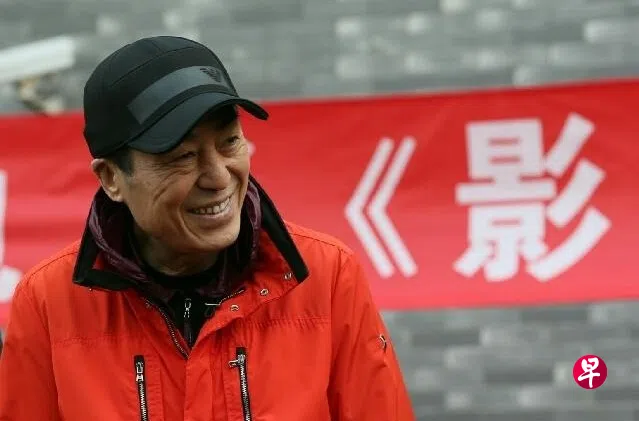
AI technology is advancing so rapidly that even acclaimed Chinese director Zhang Yimou, a veteran of several decades in cinema, is worried. Speaking about AI’s impact on the film industry at a Golden Rooster Awards forum in Xiamen on 7 November, he asked bluntly: “When what AI produces surpasses what we make, what do we do?”
Asked about his understanding of AI technology, Zhang spent about five minutes sharing his observations and concerns. He said he had been closely following technological developments and knew full well that AI “is a very good tool”. But he also acknowledged: “It is putting our entire film industry under tremendous pressure.”
Zhang, who is preparing to make the film The Three-Body Problem, said performances such as concerts, plays, dance productions and operas rely on the live experience, so the impact on them is relatively limited. Films, which tell their stories through images on a screen, face a more direct and wide-ranging impact.
Looking back on his creative heyday, he said directors had faced no such challenge and could simply concentrate on telling good stories. Young directors today, however, have to contend with unprecedented changes.
Whether audiences will still be willing to go to cinemas is another of his concerns. He noted that some AI-generated short videos available on mobile phones are not only free but “sometimes even give you money and feedback”. He could not help but ask: “Will large numbers of people still go to the cinema?”
Looking ahead to the next five to ten years, Zhang asked candidly: “When what AI produces surpasses what we make, what do we do?” He also raised the question of whether film festivals and cinema chains would accept AI-produced feature films submitted for festival consideration or theatrical release.
“That is very difficult to answer. It is very complicated,” he said. He also lamented that dealing with this new challenge had become a more pressing issue for young directors.
Still, Zhang also sees new creative possibilities opened up by AI. The technology has lowered barriers, giving ordinary people the chance to become directors and screenwriters. “Everyone can share with the world, loud and clear, the visual story they carry in their hearts.”
