

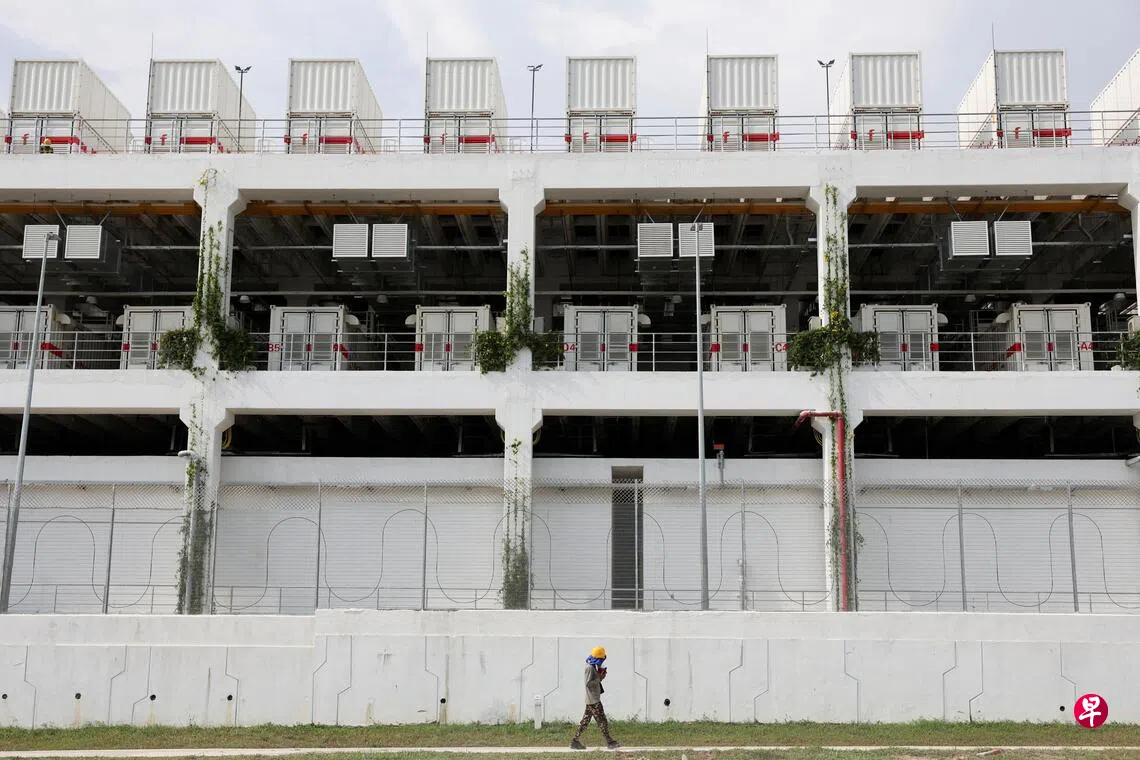
El Nino could reach unprecedented strength by the end of this year, with high temperatures expected to put further pressure on water supplies. The risks are concentrated in Southeast Asia, where data centres are expanding rapidly, particularly in Malaysia’s Johor, Singapore and Indonesia’s Batam.
In a recent report, BMI, a research unit of information services company Fitch Solutions, said El Nino could increase the risk of drought, while data centres’ heavy water consumption could trigger a public backlash. This would not only test water supply arrangements for existing facilities, but also pose potential downside risks to planned projects.
BMI maintains a database tracking data centre projects worldwide. Of the 83.6 gigawatts (GW) of data centre capacity it tracks, about a fifth is in areas where El Nino could exacerbate water stress. This includes 14.9 GW in areas that have experienced water shortages, rationing or emergency measures during previous El Nino episodes.
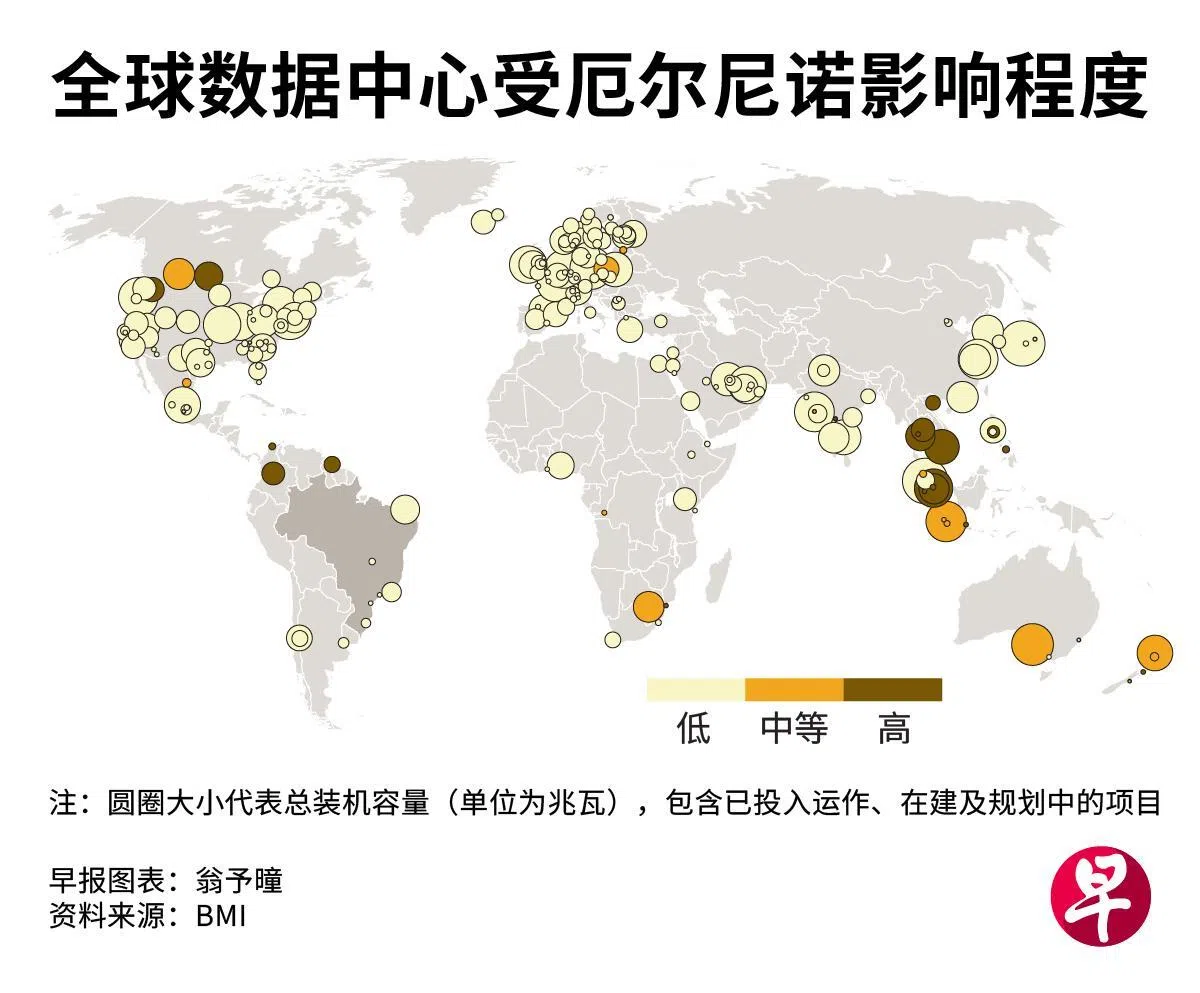
BMI said the risks were concentrated in Southeast Asia, particularly Johor, Singapore and Batam. The three locations account for 6.6 GW of data centre capacity, of which 4.7 GW is planned or under construction.
Research shows that a large data centre can consume up to 5 million gallons of water a day, equivalent to the water consumption of a town with 10,000 to 50,000 residents.
Water shortages linked to data centres are not new. Residents living near the Nongsa Special Economic Zone on Indonesia’s Batam island previously protested over a water supply crisis, saying supplies to their homes had dwindled or stopped altogether, while data centres within the zone had enough water to cool their equipment.
In Malaysia’s Johor state, where data centres have been proliferating, the state government announced a blanket ban late last year on two types of data centres that consume up to 50 million litres of water a day, to ensure sufficient local water supplies.
Malaysia’s federal government also said last month that states with insufficient water supplies would not be allowed to develop data centres.
BMI said that if drought conditions emerge next year, water supply arrangements for the 1.9 GW of operational data centres in Johor, Singapore and Batam would be put to the test. The remaining 4.7 GW of projects that have yet to be completed could face stricter approval conditions and more demanding requirements for cooling technology.
This is because water demand for data centre cooling systems rises as water supplies come under strain.
BMI estimates that 12.4 GW of the 83.6 GW of global data centre capacity faces above-average risks from both drought and high temperatures. These risks are expected to be most acute from late 2026 to the first half of 2027.
