

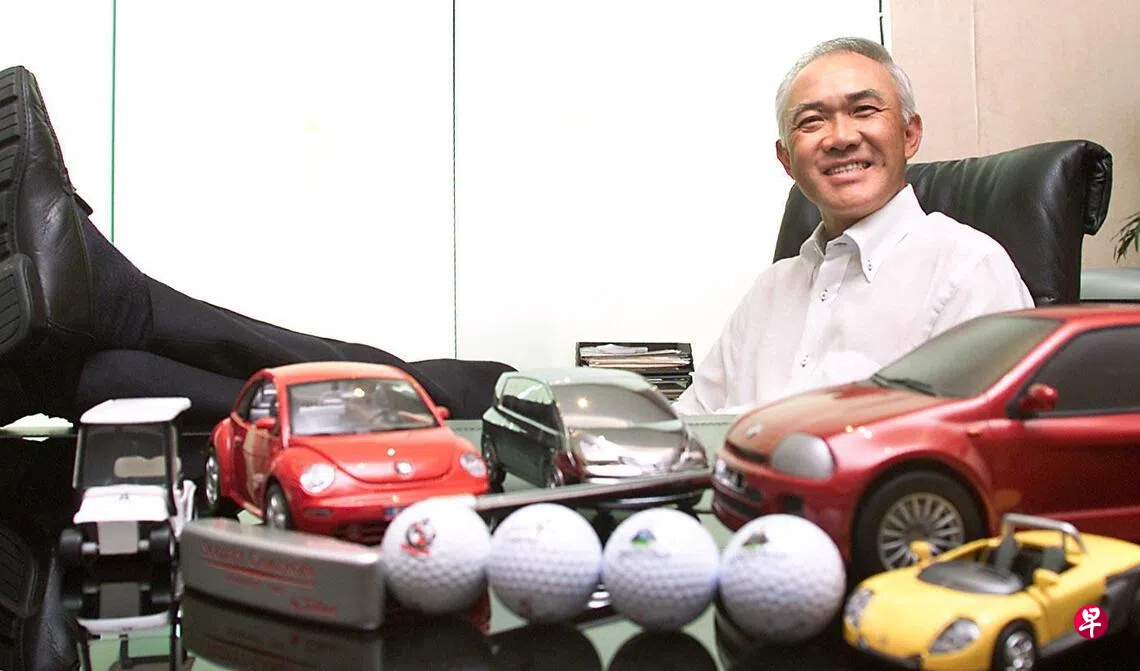
Singapore businessman Peter Kwee, known as a “motor tycoon”, has repeatedly made headlines in recent years over commercial disputes and asset arrangements. These range from a golf club’s inability to repay members’ bonds and a collective lawsuit over a private club’s relocation to his registration of five properties in his daughter’s name — trust arrangements that the Supreme Court’s Court of Appeal ultimately ruled unlawful.
Who is Kwee? How did he build a business empire spanning car dealerships, property and leisure from his beginnings in trading? How wealthy is he, and why did his daughter end up bankrupt?
From Indonesian trader to Singapore car dealer
Kwee, now 79, was born in Bandung, Indonesia, in 1947. His parents came from China’s Fujian province.
He started trading flour and plastics at 18. According to earlier reports, each shipment he imported comprised as many as 50 to 100 truckloads of flour or 200 to 300 tonnes of plastics, giving him trading experience early in life.
In 1978, he moved to Singapore with his wife, Catherine Lee Eng May, and their two children.
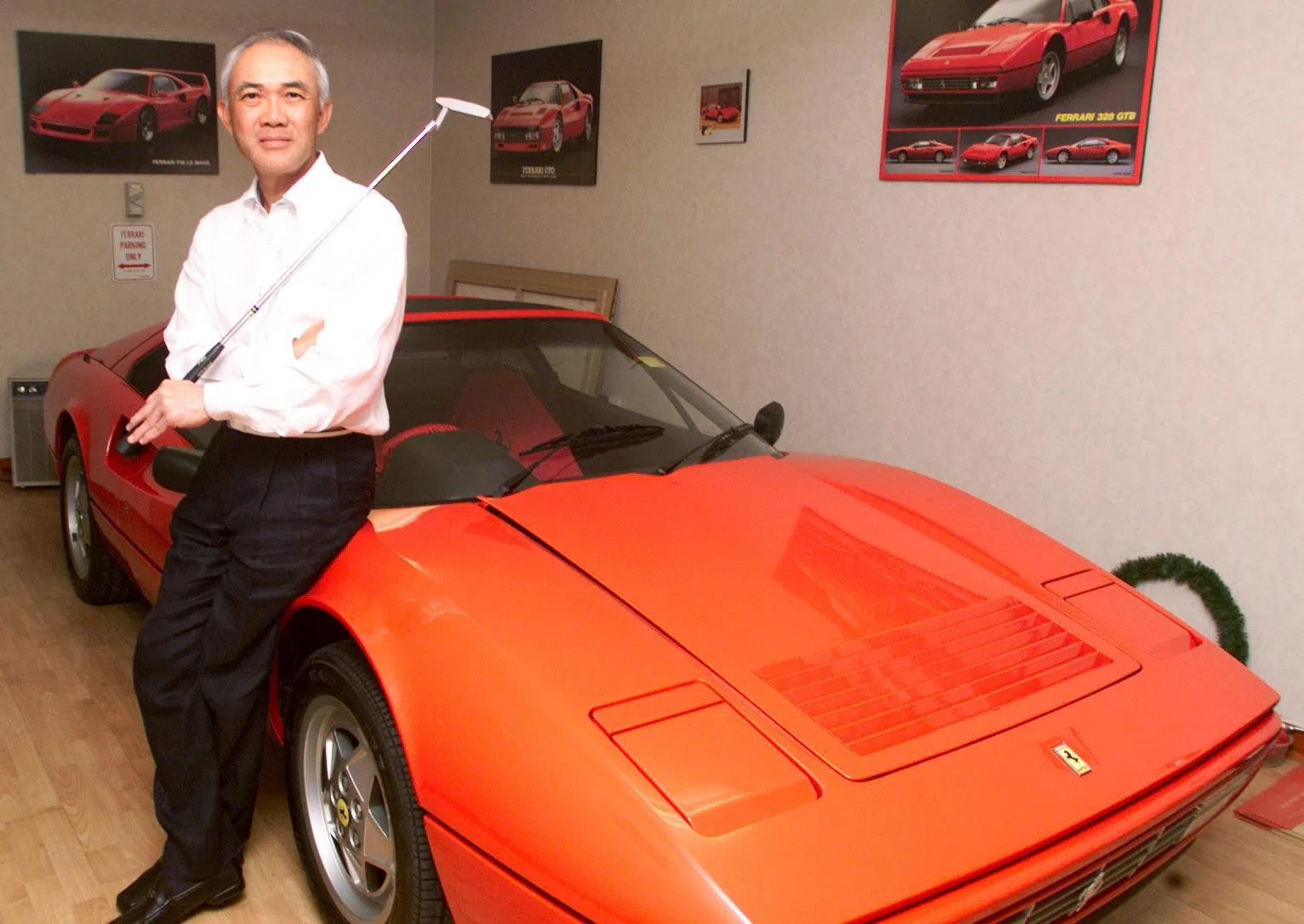
He made his name by securing the Singapore distributorships for Renault and Volkswagen through Group Exklusiv.
According to Lianhe Zaobao reports, he began distributing cars in the early 1980s and endured seven years of losses before business picked up. During that period, people around him urged him, with good intentions, to consider another line of business.
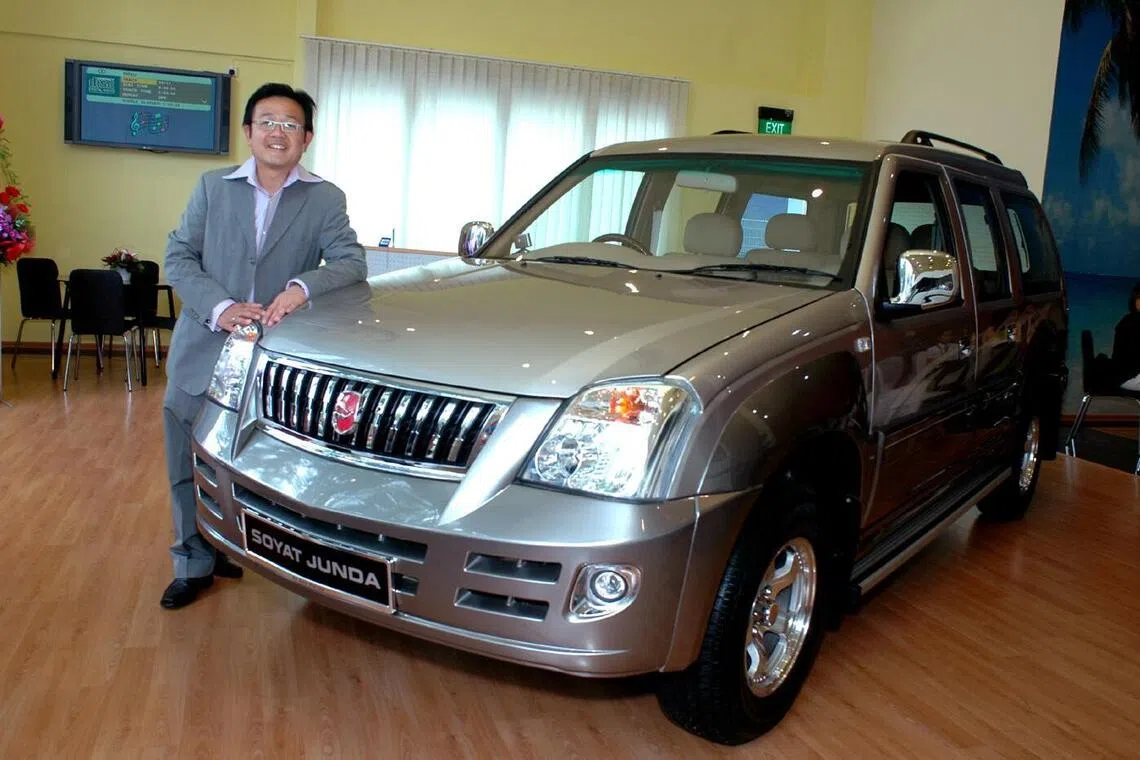
He also represented Chinese carmaker Geely, travelling frequently to China to expand his automotive business and commercial network.
The Business Times quoted motor industry veterans describing him as a capable, low-profile and shrewd businessman who could sometimes make unexpected moves.
More than S$200 million spent acquiring golf and private clubs
In the 1990s, Kwee and Indonesian businessman Liu Deguang invested in Australia’s Joondalup golf course, which has been named the country’s best publicly accessible golf course.
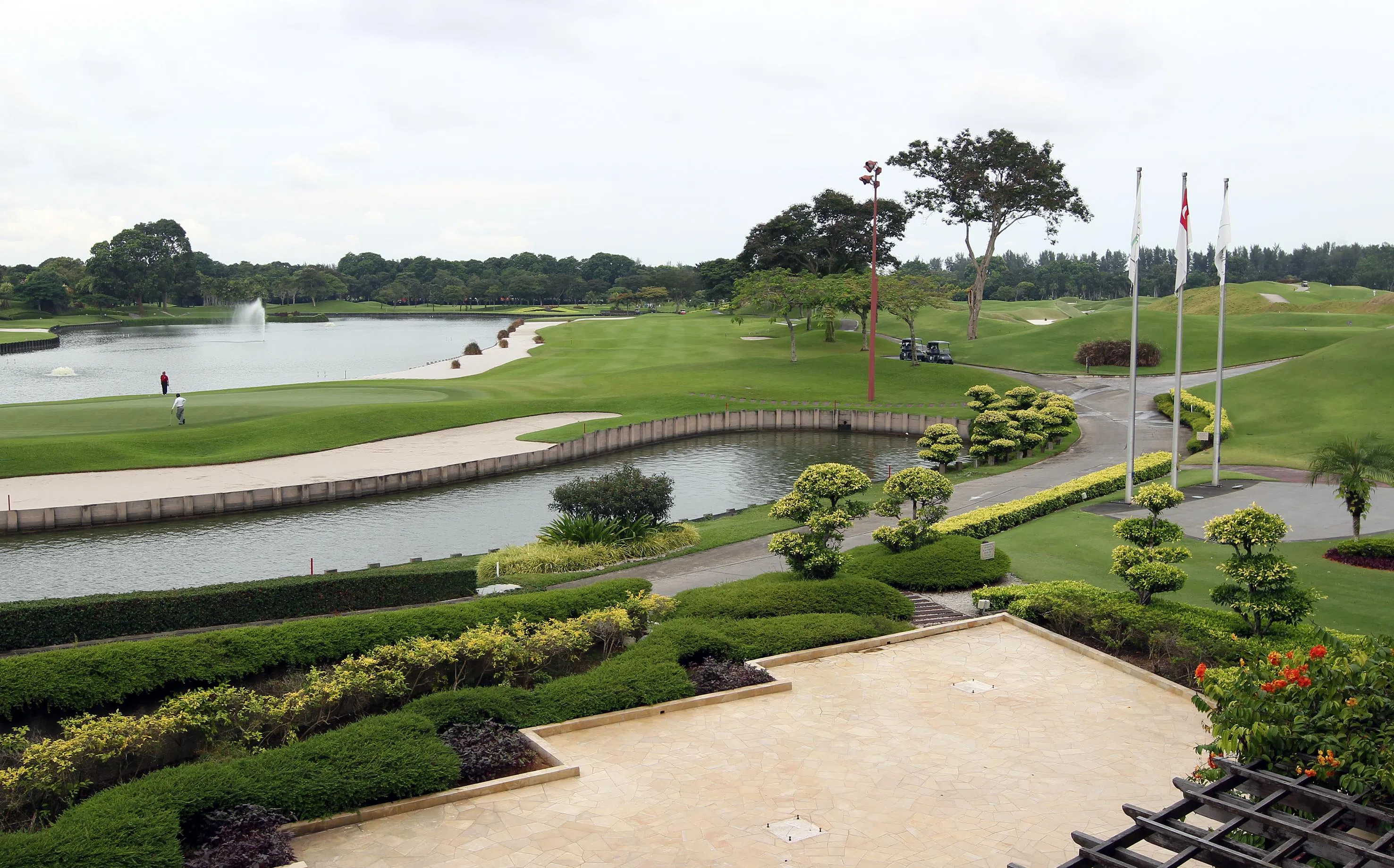
In 2001, he bought Laguna National Golf & Country Club from NatSteel for S$131 million. The following year, he acquired Pinetree Club for more than S$100 million and renamed it The Pines.
Established in 1991, Laguna was one of Singapore’s earlier proprietary golf clubs. It has two 18-hole courses and has hosted European Tour, Asian Tour and Korea Ladies Professional Golf Association Tour events. Former world No. 1 Tiger Woods has also played there.
But these acquisitions also sowed the seeds of later disputes.
Club owed about S$69.7 million; notice of non-redemption came a day before bonds matured
Laguna’s founding members each subscribed to S$120,000 in unsecured bonds to fund the club’s development. The bonds were originally due to mature in June 2021.
In 2005, about 280 founding members, concerned that they might not recover their money when the bonds matured, formed a “120,000 protest group” and demanded cash-flow forecasts from the club.
In June 2021, just one day before the bonds matured, Kwee informed the trustee that the club’s financial position meant it could not redeem them.
In 2023, the High Court granted a winding-up application filed by members. Liquidation records showed that the club owed about S$69.7 million but had only about S$700,000 in assets. Separately, The Business Times reported that outstanding debt owed to about 580 unsecured bondholders was estimated at S$187.4 million.
In 2025, the club and its liquidators went on to sue Kwee, his son Kevin Kwee and related companies for S$71.5 million, alleging improper and fraudulent transfers of the club’s assets. Those allegations remain before the courts.
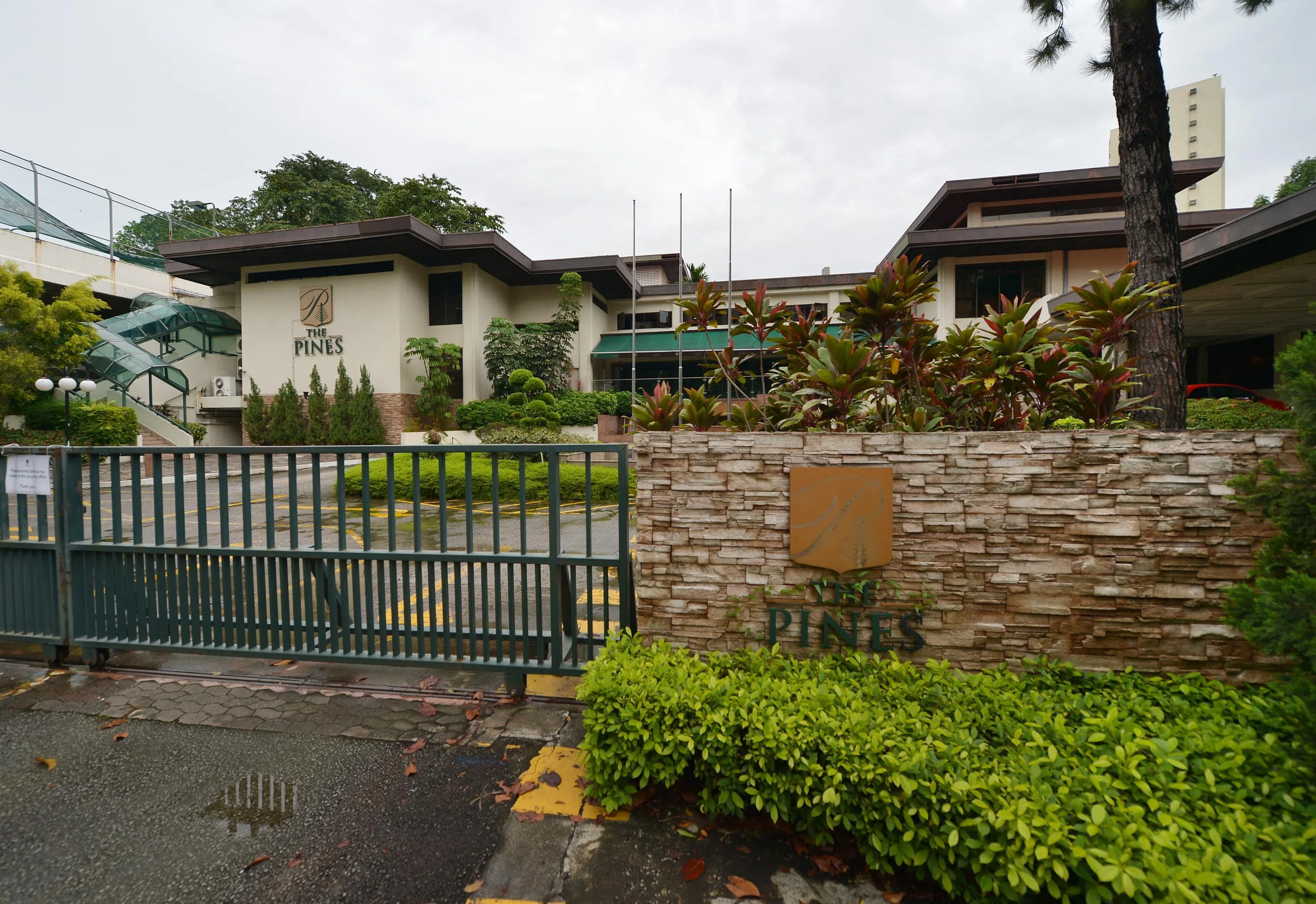
The Pines also attracted negative headlines. In 2021, 170 members sued the club’s operator and Kwee over its relocation from Stevens Road in the central area and the construction of a hotel on its original site. The High Court awarded each member nominal damages of S$1,500.
Kwee owns several luxury homes in Singapore.
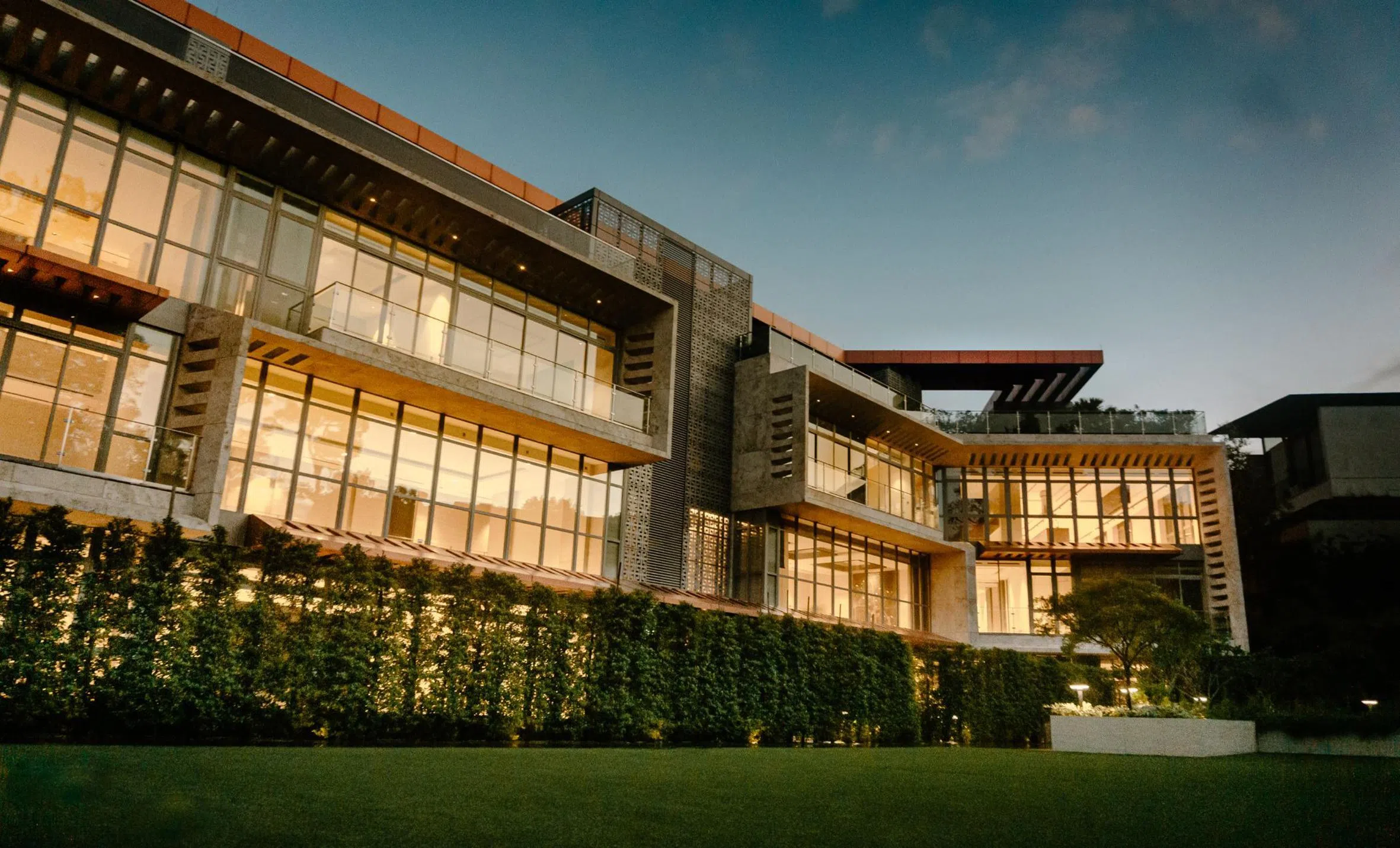
He and his family have also developed property on Nassim Road. A freehold site of about 45,006 sq ft formerly housed the residential development Nassim Gardens. After it was demolished around 2006, the family initially planned to build a large bungalow there to live together, but the plan did not materialise. The site was subsequently developed into the condominium Nassim Quattro, which was launched this year at an asking price of as much as S$7,004 per square foot.
A freehold good class bungalow owned by Kwee on Gallop Park Road in District 10 was put up for sale in June 2026 at a guide price of S$49 million. It occupies a site of about 14,832 sq ft.
In November, another freehold good class bungalow, registered in his wife’s name and located in Ridley Park, was put up for sale for S$100 million. Its land area of about 27,443 sq ft translates to an asking price of about S$3,644 per square foot.
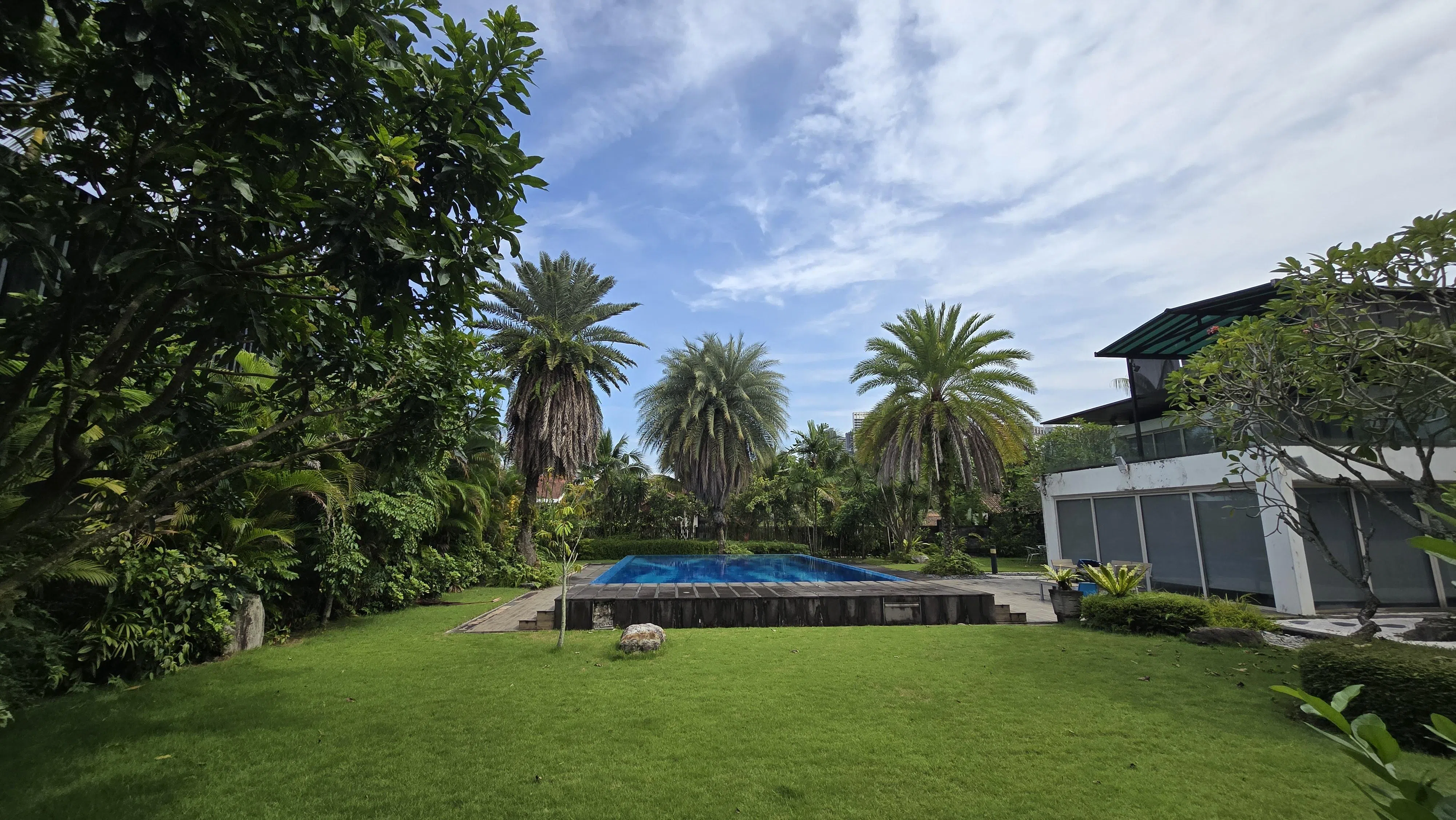
A share transaction involving Australian property companies held by Kwee and his business partners has also become the focus of another lawsuit in recent years.
In March this year, Indonesian businessman Liu Deguang and Energy Resource Investment sued Kwee and another individual, Chan Kok Choon, for A$9.6 million (about S$8.3 million).
Liu and his company were originally minority shareholders in three Australian property companies. In June 2025, they bought the remaining 51% stake held by Kwee and Chan for more than $32.2 million. The buyers alleged that, after the transaction, they discovered major defects in the underlying assets, which included a hotel, two country clubs with golf courses and residential properties. They said the sellers had initially agreed to bear the repair costs, but Kwee failed to respond within the deadline stipulated in the agreement. The buyers therefore sought to offset the repair costs against $3 million still payable to Kwee and recover the remaining losses.
The defendants denied that the defects were major. They said neither side had obtained legal advice when signing the agreement and that they were unclear about the scope of its warranties. They also argued that the buyers’ original due diligence had covered only the companies’ finances, not the condition of the properties. Kwee filed a counterclaim for $3 million. As of publication, no final judgment or settlement had been publicly announced.
How wealthy is he? Public information offers no clear answer
Group Exklusiv is privately held and does not publish full group financial statements. There is also no reliable estimate of Kwee’s personal net worth, and he has never appeared on Forbes’ list of Singapore’s richest people.
A search by Lianhe Zaobao on the Accounting and Corporate Regulatory Authority’s (ACRA) Bizfile platform found no financial reports for Group Exklusiv. Its basic profile contained financial information only up to 2010, when it recorded a net profit of S$2.31 million and paid-up capital of S$16.8 million.
Son takes over as family ventures beyond cars
Kwee has two children: son Kevin and daughter Karen. Kevin joined his father’s Group Exklusiv early on as an executive director, working across its automotive and lifestyle businesses, including clubs and property development.
Besides helping with the family business, Kevin has tried ventures beyond the automotive and property sectors familiar to his father.
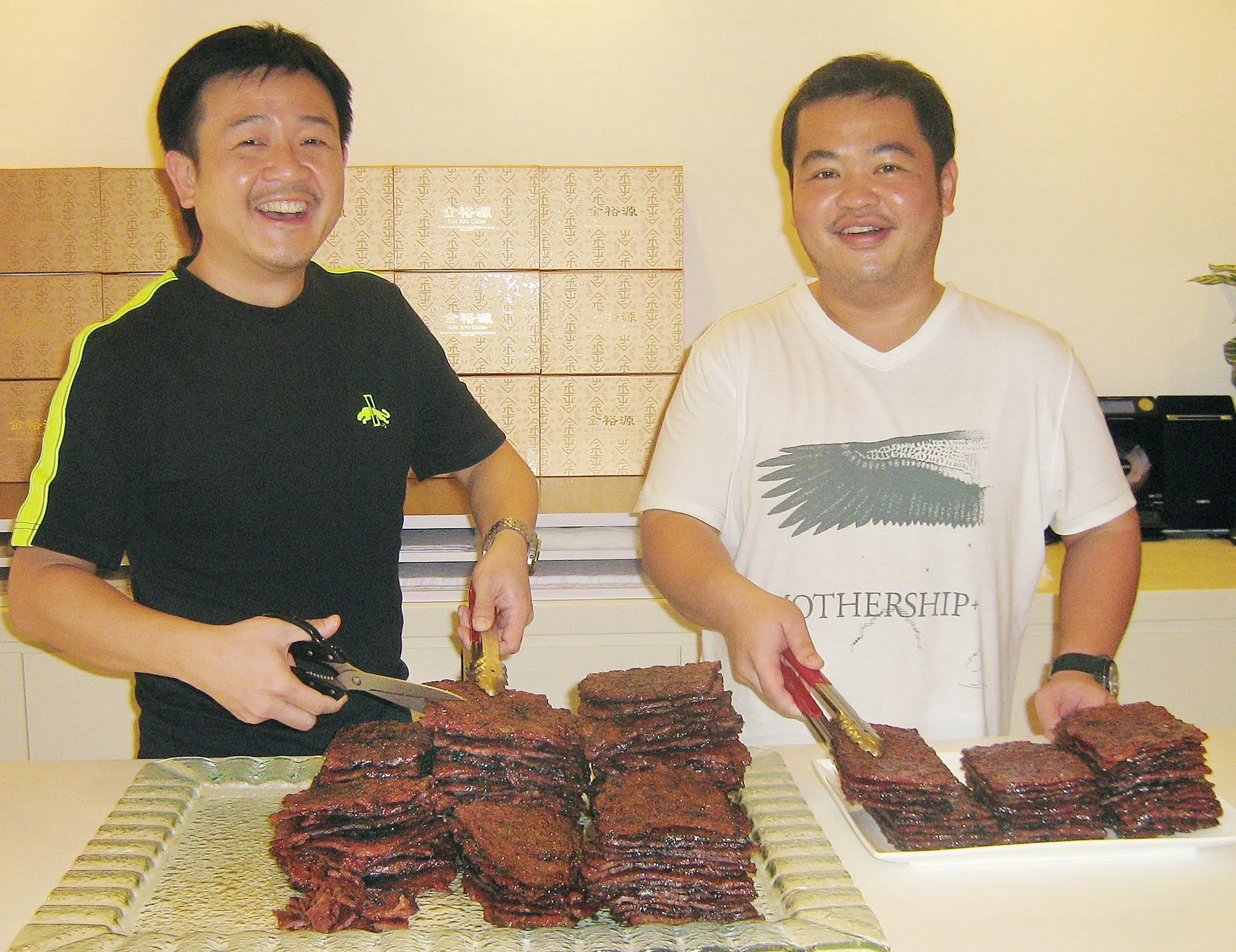
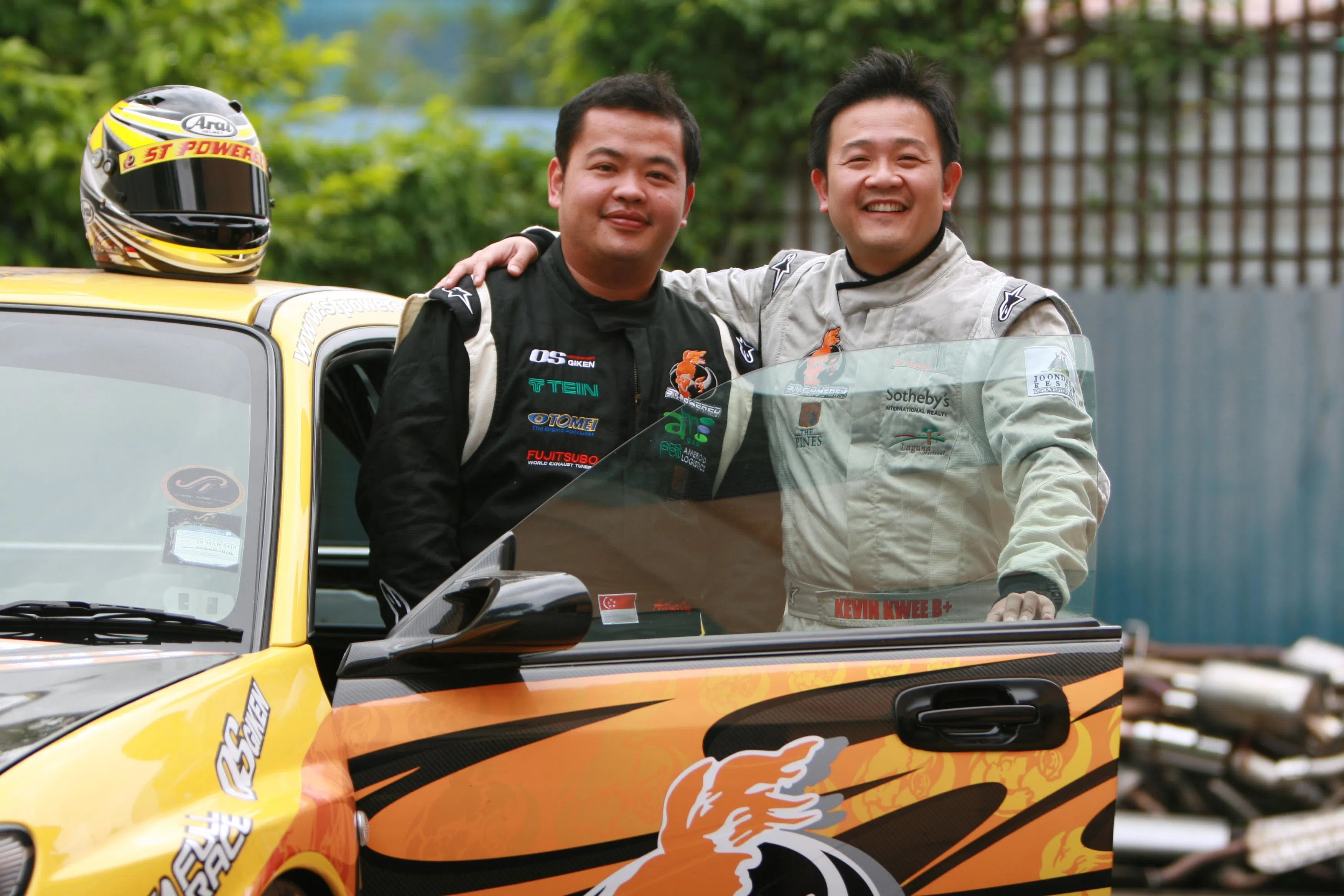
He teamed up with his friend Wang Weida, the second-generation head of bak kwa wholesaler Kim Joo Guan, whom he met at a racetrack. They invested a seven-figure sum in a bak kwa retail shop on South Bridge Road, hoping to take the Singapore barbecued meat brand overseas. Kevin said at the time that he had learnt about business from his father since childhood, so starting a business came naturally to him.
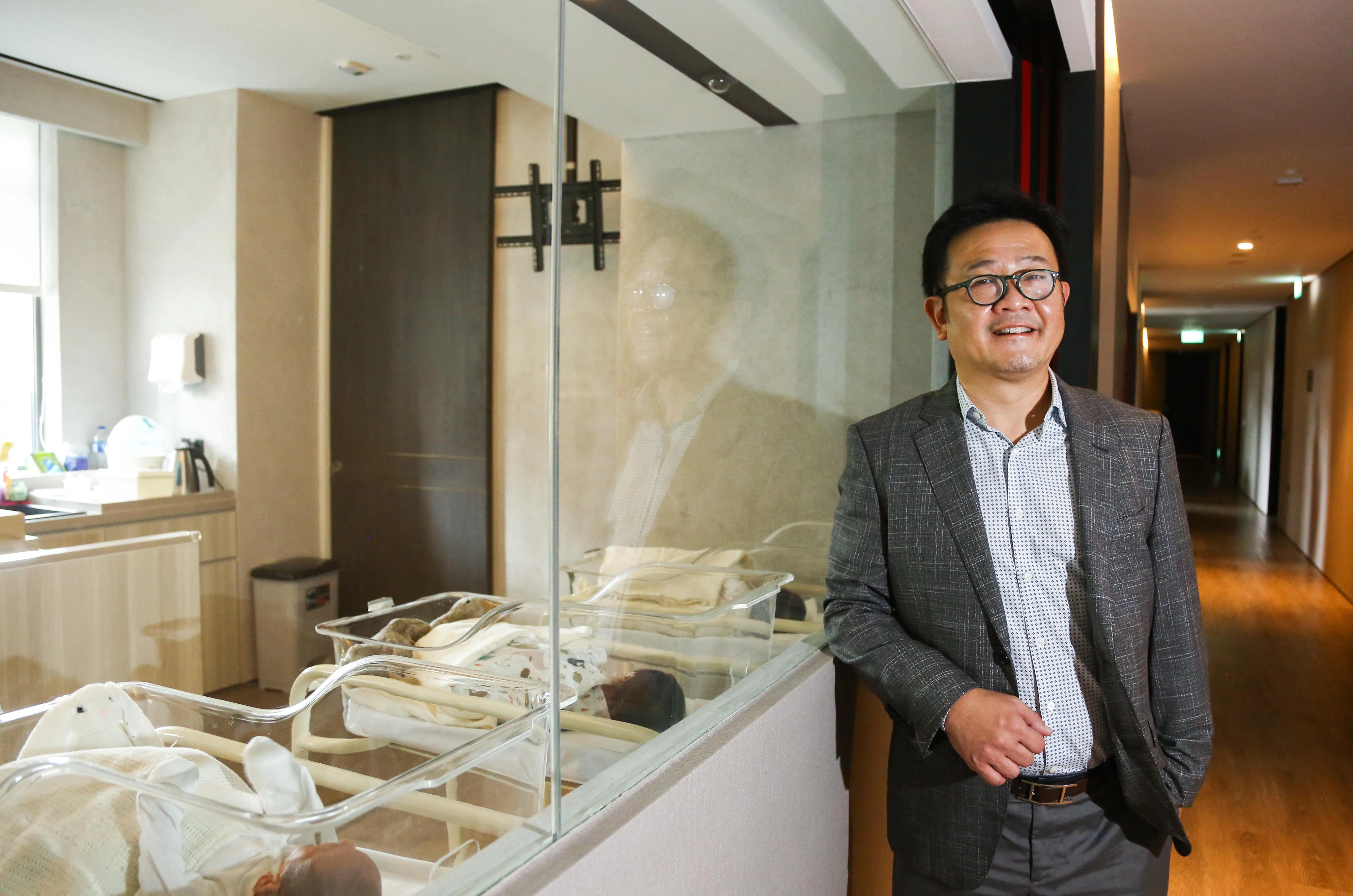
A father of four, Kevin understands the challenges of parenthood. In 2020, he spent more than S$15 million to establish Kai Suites, a luxury prenatal and postnatal care centre.
Daughter declared bankrupt over S$4.1 million debt
Karen, who previously worked for her father’s companies and has kept a relatively low profile, also came into the public eye because of a lawsuit.
Between 1995 and 2000, Peter Kwee bought five properties in Singapore, Canada and Australia but registered their titles in Karen’s name. After she was declared bankrupt in 2022, he applied to the court to recover the properties and related bank deposits, claiming that she held the assets on his behalf.
The High Court dismissed his claim in 2025. On 18 November 2026, the Supreme Court’s Court of Appeal also dismissed his appeal.
The Court of Appeal found that, although the evidence showed Kwee had retained the beneficial interests in the properties, one purpose of placing them in his daughter’s name was to conceal assets from creditors. The trust arrangements were therefore unlawful and could not be legally recognised.
According to court documents, Karen and her former husband borrowed S$4.1 million from Thomas Woo and Paul Jonathan Grange in February 2020. They failed to repay the loan as agreed. The creditors subsequently pursued the debt through arbitration and obtained an award in their favour.
In May 2022, the creditors served Karen with a statutory demand. Unable to repay the debt, she was declared bankrupt by the court on 6 October. The documents did not specify what the money was used for or identify the creditors’ backgrounds.
During the High Court proceedings in 2025, the judge noted that Peter Kwee had always provided for his family members’ financial needs. Karen continued to live in a house bought by her father after she married.
She had worked for her father’s companies since her 20s and had no independent income apart from the salary and allowances arranged through his companies.
The judge described her dependence on her father as a matter of choice, rather than a lack of alternatives.
Karen is also a former director of Laguna National Golf & Country Club and is being sued by the company’s liquidators. They allege that she and other former directors breached their fiduciary duties in facilitating transactions that sold the company’s core assets at undervalues.
It may be difficult for many people to understand how someone from a wealthy family can be declared bankrupt.
A lawyer specialising in restructuring and insolvency said in response to queries that each person is a separate individual in law. Parents have no legal obligation to repay their children’s debts or bail them out.
Wealthy families may also spread assets across different family members or entities to ring-fence their respective debt risks.
She said some wealthy families own substantial high-value property and other assets but may not have ample cash flow, and their assets may not be easy to liquidate quickly. Whether relatives step in often depends on internal financing arrangements, asset allocation and even family relationships. Public reports alone may not give outsiders the full picture.
She cautioned that businesspeople dealing with members of wealthy families should not assume their families will repay their debts if they run into financial trouble. “Lending money to a prince on the assumption that the king will definitely rescue him” could lead creditors to underestimate the risks.
Creditors should pay particular attention to a counterparty’s actual ability to repay and whether appropriate personal guarantees have been obtained.
