

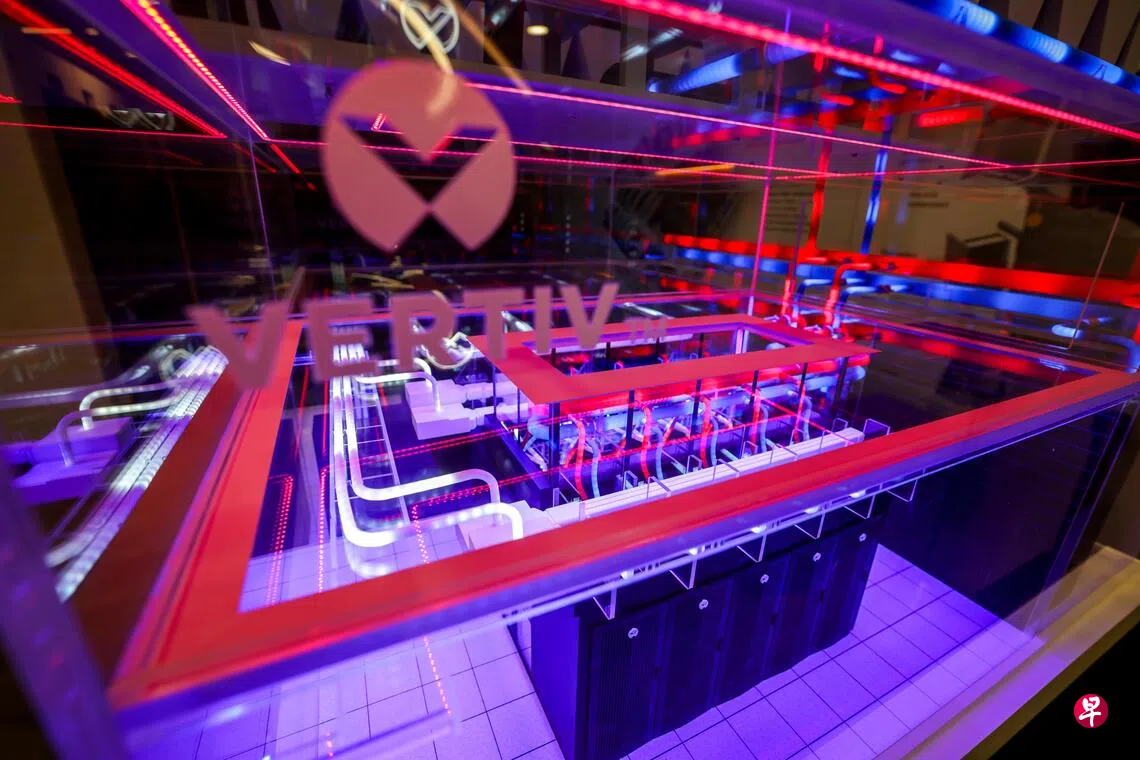
Vertiv, one of the world’s largest data centre equipment manufacturers, opened its Singapore experience centre on Tuesday (3 November).
The company is headquartered in Ohio in the US, with its Asia-Pacific headquarters in Singapore, where the experience centre is located.
The centre showcases the latest technologies for artificial intelligence (AI) and high-density computing data centres, including power supply, liquid cooling, integrated infrastructure, monitoring and service solutions.
How do the deployment, power supply and cooling systems of next-generation data centres differ from those of their predecessors? Lianhe Zaobao (LHZB) takes a closer look.
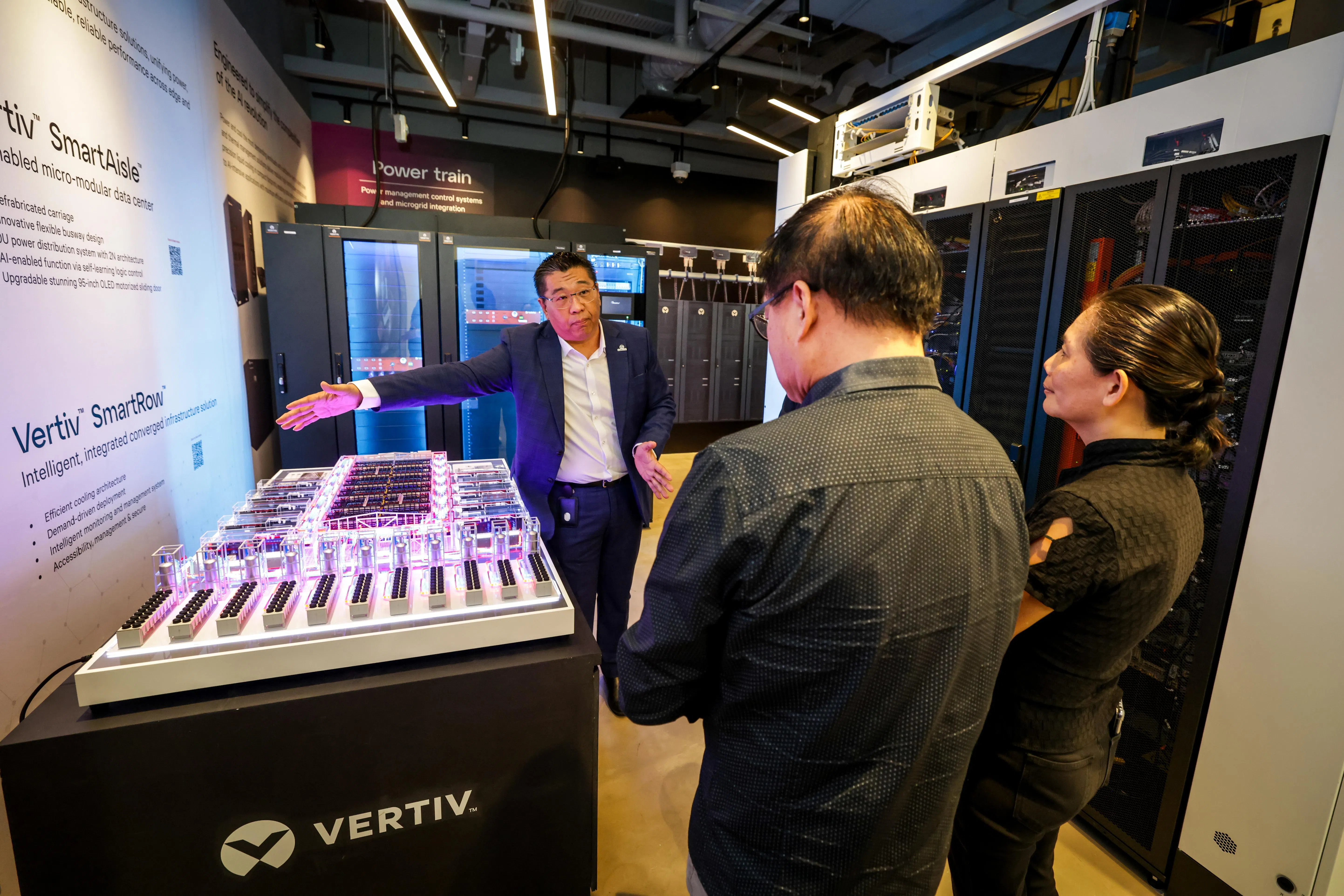
1) How can data centres be built and deployed faster as demand for AI computing power surges?
Prefabrication and modular construction can speed up the building and deployment of data centres.
Vertiv’s Daniel Sim, senior director of the Asia AI Ecosystem Alliances & Channel Partners, said its integrated prefabricated infrastructure system, SmartRun, can cut on-site installation time at data centres by up to 85%.
A modular approach brings related equipment and systems that were previously separate into a single module. Some equipment and systems can be prefabricated and integrated in a factory, then transported to the site for assembly.
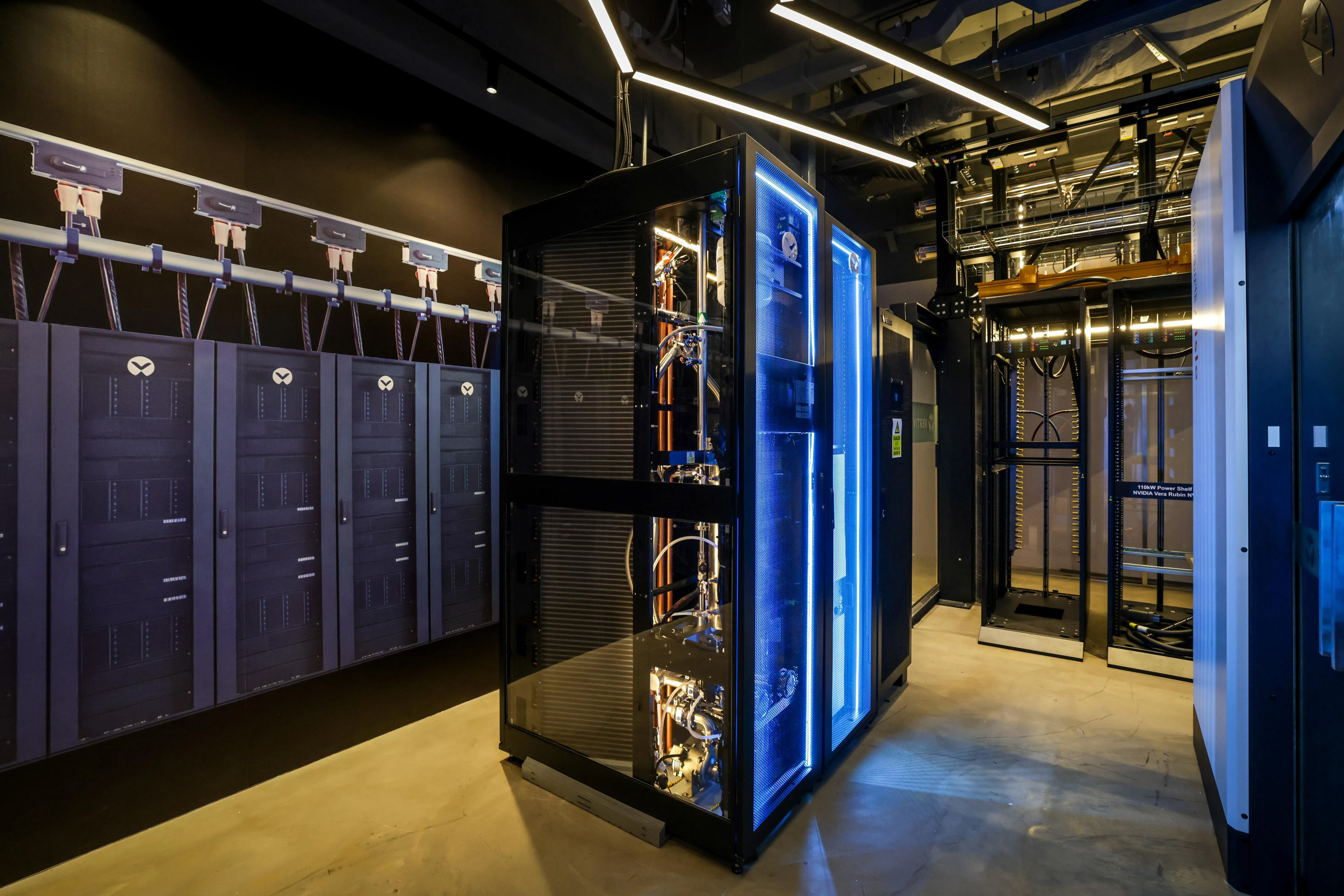
2) Why do next-generation AI data centres need liquid cooling?
Broadly speaking, data centre cooling systems fall into two categories: air cooling and liquid cooling. The two are not always mutually exclusive.
Data centres can rely solely on air cooling or combine it with liquid cooling. Within a liquid-cooling system, heat can also be exchanged between two independent liquid circuits. The approach used depends on the design of the servers and the data centre.
As the power consumption of graphics processing units (GPUs) used in AI servers rises, so does the heat generated by each server rack. Sim explained that traditional air cooling has limited cooling capacity in some high-density racks, prompting growing interest in liquid cooling.
Liquid cooling involves passing coolant through cold plates attached to the surfaces of GPUs to absorb heat generated by the chips and carry it out of the server.
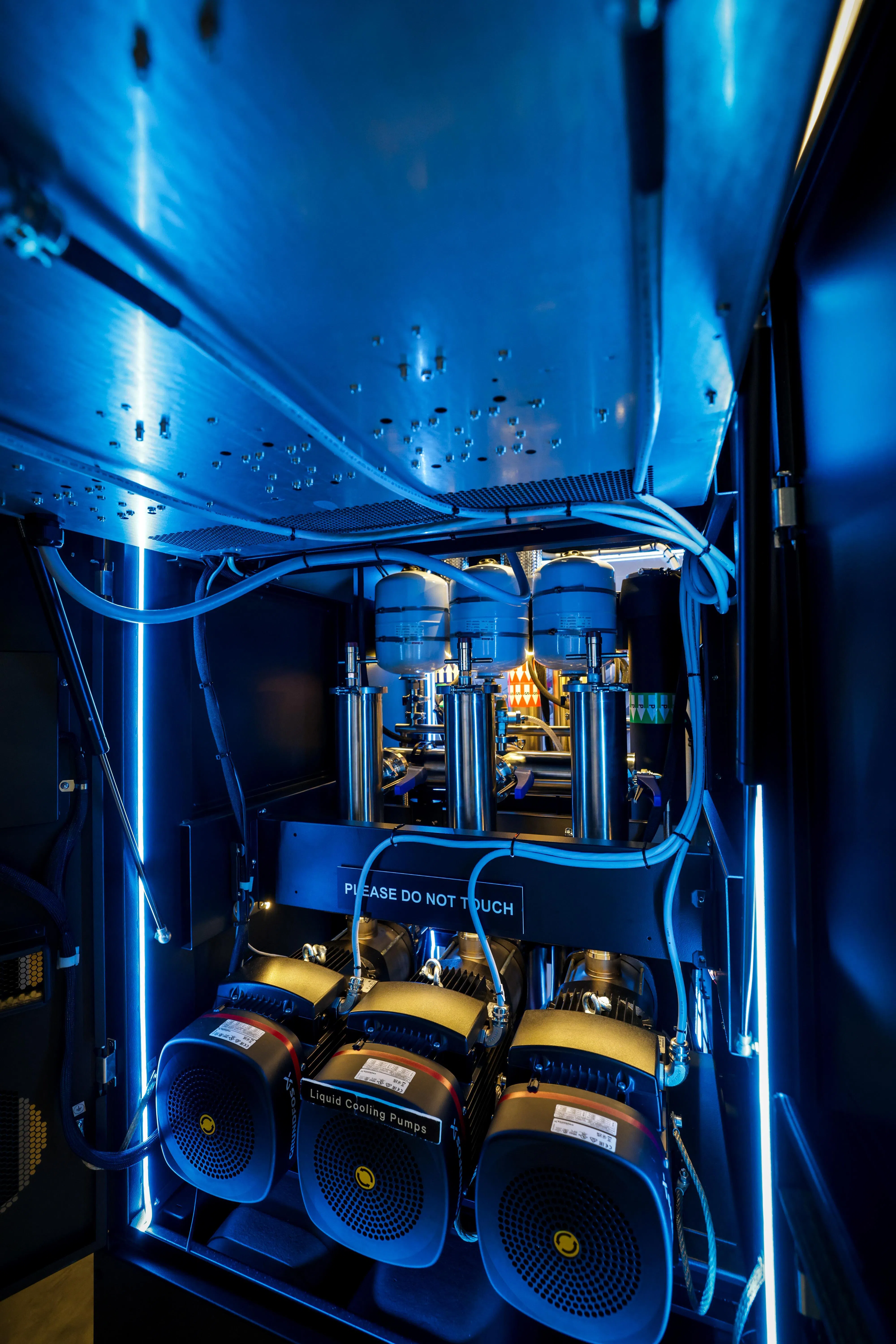
3) How does the coolant circulate?
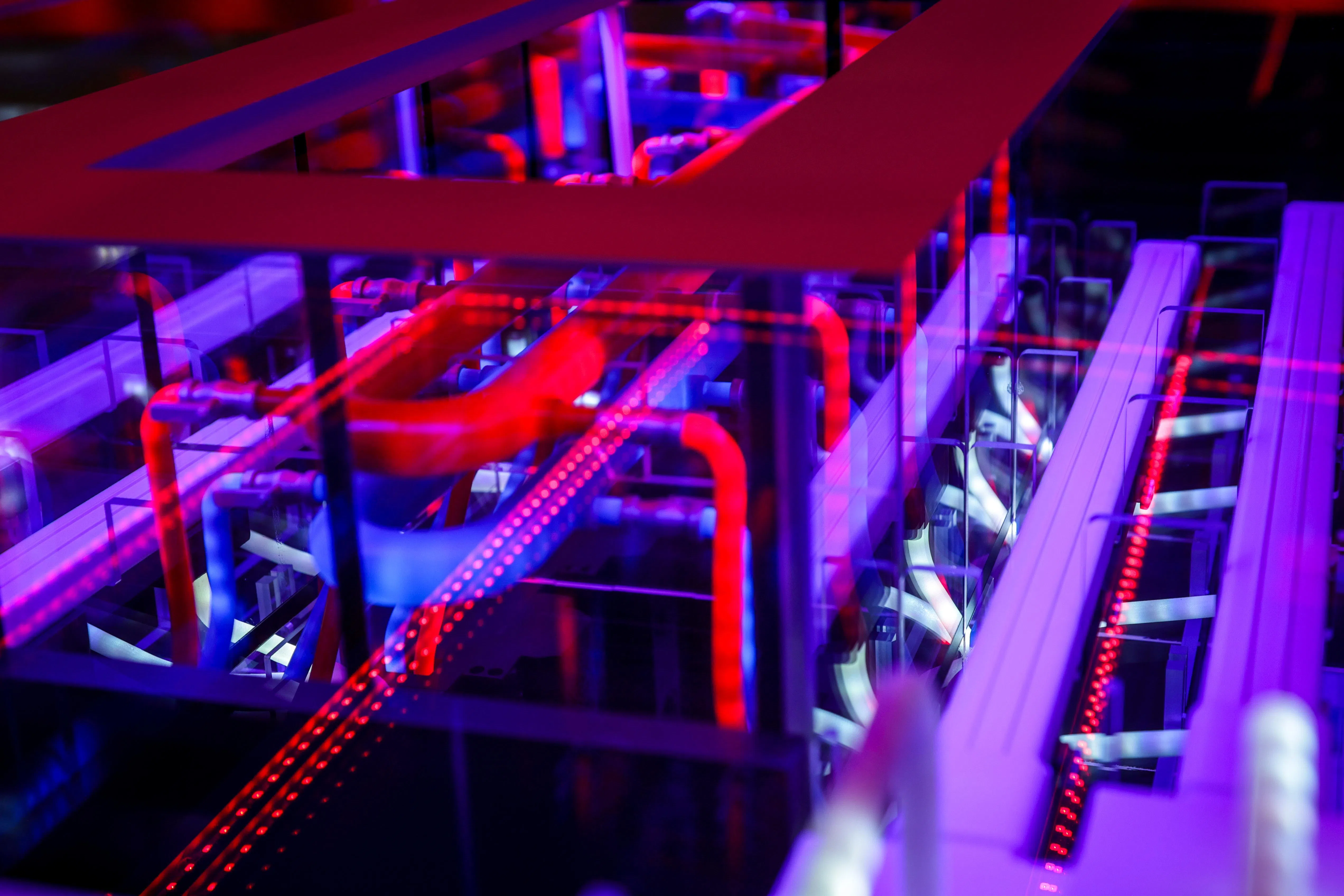
After absorbing heat, the coolant returns to the coolant distribution unit (CDU), where a heat exchanger transfers the heat to a separate chilled-water circuit. The two liquids circulate independently and do not mix directly. The cooled coolant is then sent back to the racks.
The channels inside GPU cold plates are very narrow. Impurities can block them, affecting coolant flow and heat dissipation. The system therefore needs filters to remove impurities from the coolant. It also continuously monitors the coolant’s temperature, pressure, flow rate and quality to detect problems such as leaks.
4) Why are AI data centres moving from traditional alternating-current power to direct current?
Electricity supplied to data centres from the grid is usually alternating current (AC), while servers and chips require direct current (DC). The power must therefore be converted to DC after entering the data centre.
As AI chips and racks draw more power, the current needed to deliver it also rises if the supply voltage remains unchanged. Copper conductors in cables must become thicker, taking up more space and making cables harder to route and bend.
One possible solution is an 800-volt DC supply. Raising the voltage reduces the current needed to transmit the same amount of power, allowing thinner copper conductors to be used. DC power can also reduce the number of conversions between AC and DC, as well as transmission losses.
Sim said other markets have begun adopting 800-volt DC technology. However, in places such as Japan, where safety and specialist maintenance requirements are more stringent, 800-volt DC power is not yet widespread and adoption remains cautious.
He acknowledged, however, that high-voltage DC power comes with more demanding safety requirements. Electrical leakage or accidental contact with an 800-volt DC supply can cause severe or even fatal electric shocks.
Installation, assembly and maintenance must therefore be carried out by professionally trained personnel, with direct human contact with live components kept to a minimum.
Beyond Singapore, Vertiv opened its first Southeast Asian manufacturing plant in Senai, Johor, Malaysia, on 1 July. The plant produces and tests liquid-cooling, power and prefabricated infrastructure equipment, primarily for next-generation data centres.
