

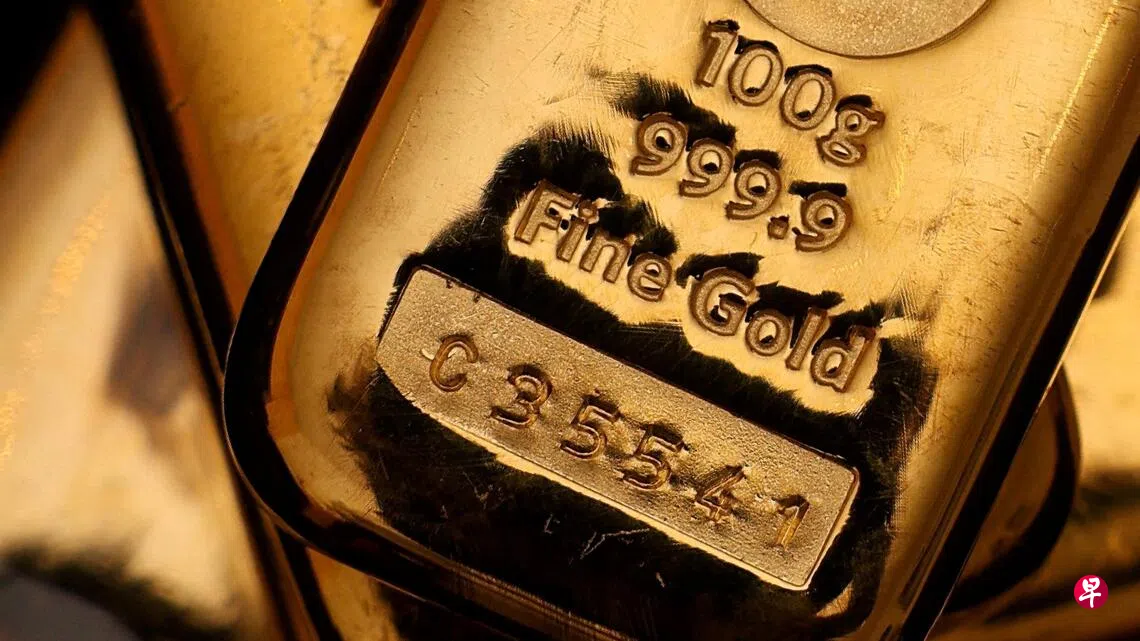
Gold prices surged more than 30% in a month to a record high, but may need another two years to set a new peak, according to Goldman Sachs.
Bloomberg cited the bank as forecasting weaker gold prices and greater volatility in the near term, as continued interest rate increases by the US Federal Reserve put pressure on the metal. “Once the Fed begins cutting rates, we expect demand for gold ETFs in the West to recover, supporting a strong rally in gold prices to US$5,600 an ounce by the end of 2028.”
Gold has had a turbulent year since reaching an all-time high of nearly US$5,600 an ounce at the end of January. It is heading for its biggest annual decline in more than a decade, down nearly 11%, as the artificial intelligence (AI) investment boom, soaring bond yields and expectations of higher interest rates weaken demand.
Goldman Sachs strategists said historical patterns suggest 2027 will increasingly resemble 2022: Fed rate increases will curb demand from private investors, but structural buying by central banks will support gold prices.
They said central bank buying could push gold prices to US$4,650 an ounce by the end of next year. Gold traded at about US$3,860 an ounce on Monday (16 November).
ANZ is also bullish, viewing the current weakness as potentially temporary and forecasting that gold will rise to US$4,800 an ounce next year.
Analysts said in a report that political gridlock in the US was increasing uncertainty over government funding, debt negotiations and the fiscal outlook, enhancing gold’s appeal as a “risk diversification tool”. Despite growing market expectations of further Fed rate increases in 2027, the recent headwinds facing gold were only “temporary”, they said.
ANZ’s baseline forecast is for the Fed to raise rates by 25 basis points each in December this year and in January and March next year, though it did not rule out a 50-basis-point increase next month.
Tighter monetary conditions are set to dampen investment demand. The bank expects strategic buying and purchases by individuals to put a floor under gold prices at around US$3,600 an ounce.
Silver, meanwhile, faces the twin headwinds of falling gold prices and ample inventories. “Reduced industrial use of silver, coupled with an easing of supply issues, has left the market well supplied,” the analysts said.
