

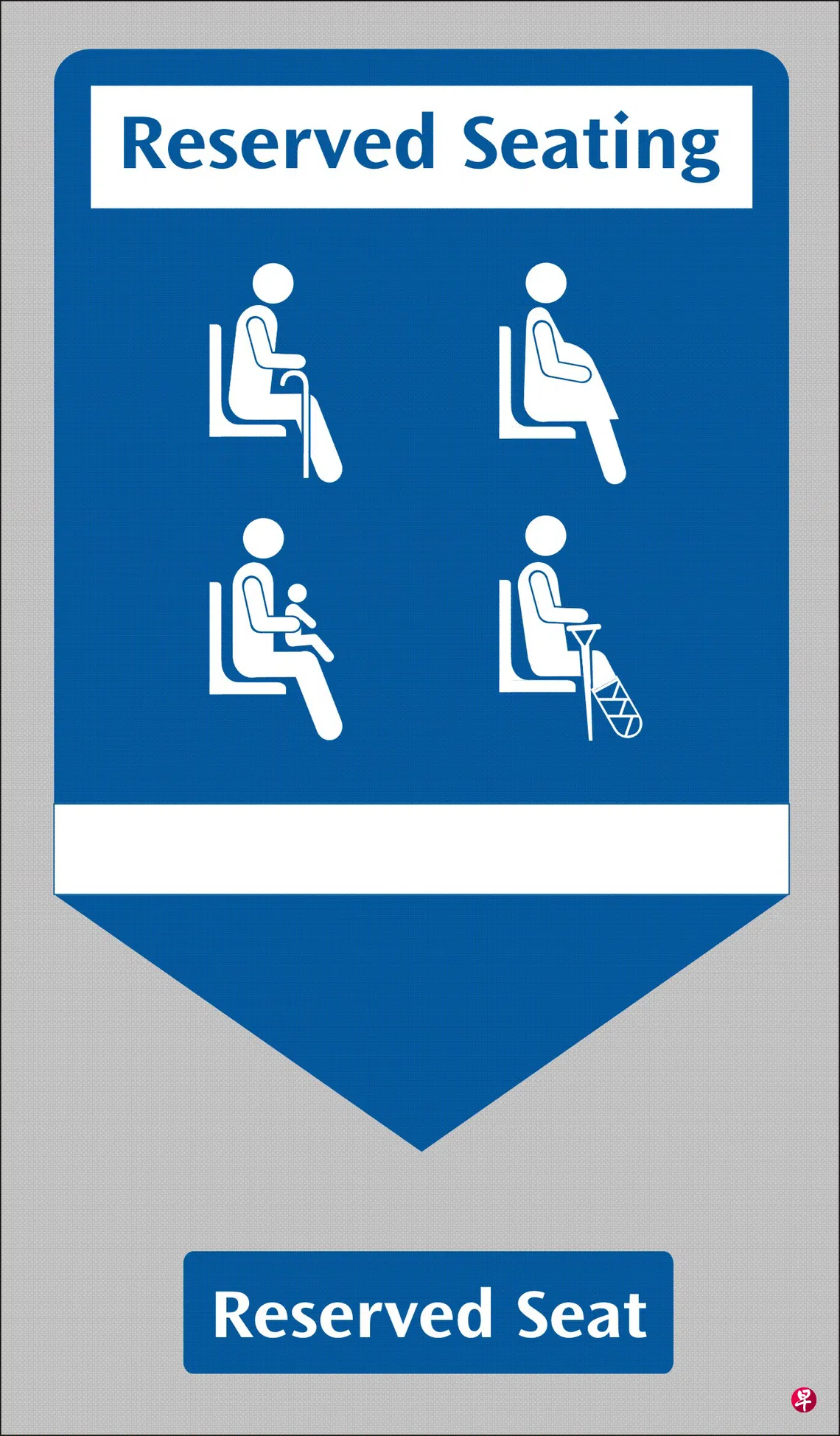
When you think of priority seats, are the elderly the first to come to mind?
Priority seats are not intended solely for the elderly. They give priority to those who need them, including the elderly, pregnant women and people with mobility difficulties. They are not restricted to any age group.
I once encountered an elderly man while taking public transport. I had just finished my co-curricular activities at school and was exhausted. As all the other seats were occupied, I sat in a priority seat. To my surprise, an elderly man boarded and immediately confronted me, asking why I had not given up my seat for him. He insisted that priority seats were meant for the elderly. Although I was very tired, I gave him my seat without saying much to avoid an argument. Still, I felt he was being unfair.
Giving up a seat should not be solely the responsibility of passengers in priority seats; those in regular MRT seats can also offer them to people in need. I believe most passengers can assess the situation and decide whether to give up their seats. Priority seats simply give those who need them priority of use; they should not be seen as seats to which any particular group is automatically entitled.
Take the widely discussed incident on Taiwan’s metro, in which a long-haired man became physically violent towards an elderly woman after she hit him and demanded that he give up his priority seat. The incident sparked widespread public debate. While violence is undoubtedly wrong, we should also show basic courtesy and respect when asking others to give up their seats. If both sides were willing to show consideration and communicate calmly, such conflicts might be avoided.
In Singapore, many workers leave home early and return late, and long working hours can leave them physically and mentally exhausted. If someone is drained and genuinely needs to rest, and no other seats are available, it is understandable for them to occupy a priority seat temporarily. Of course, if someone with a greater need for the seat comes along, they should show consideration and offer it.
At the end of the day, what society needs is a little more grace and patient communication. Giving up a seat ought to be motivated by consideration and care, rather than a matter of entitlement, and certainly should not become a source of conflict. Only through mutual understanding and respect can priority seats truly serve their intended purpose.
