

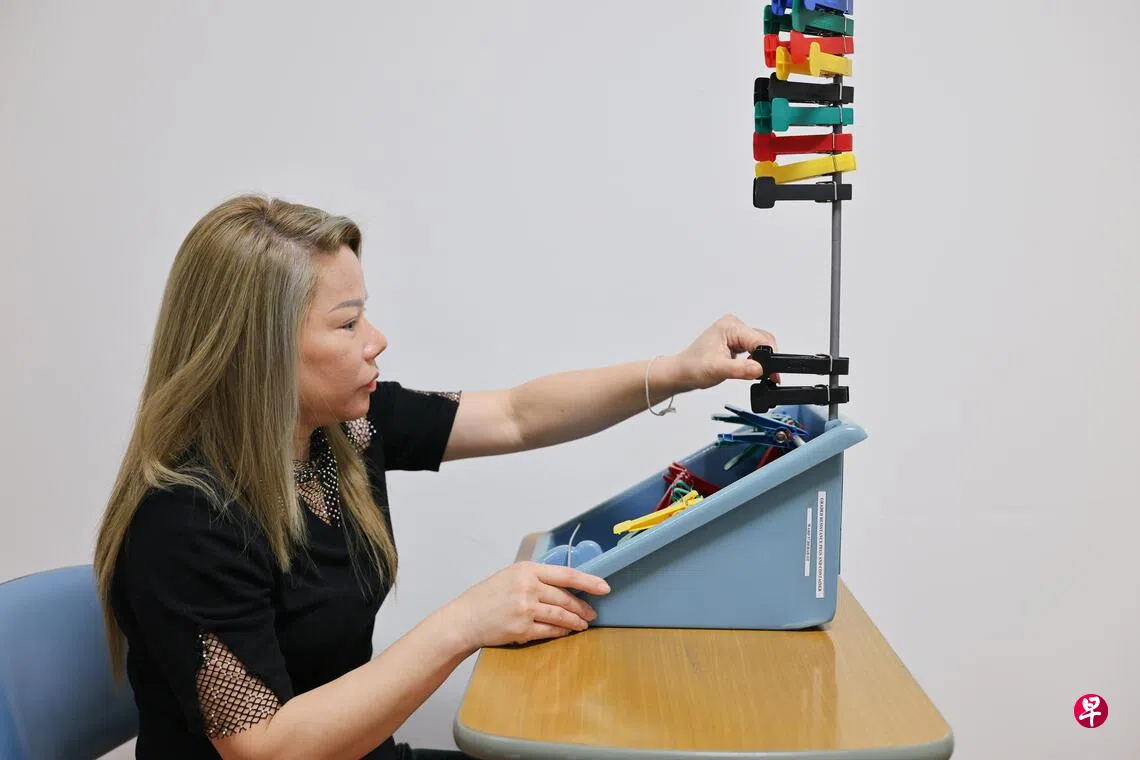
Sudden facial drooping, weakness in an arm, or an inability to speak — many people know these are signs of a stroke and that they should call 995 immediately. But would you still seek medical attention if the symptoms disappeared on their own shortly afterwards?
No matter how quickly the symptoms subside, seek medical attention as soon as possible. Do not let an apparent recovery without treatment lull you into complacency.
One Sunday about six months ago, Ms Lau, a 43-year-old marketing professional who declined to give her full name, was out hiking with her 49-year-old husband when she noticed that he was walking unsteadily. The left side of his body felt cold, and when she asked what was wrong, he said nothing. After a while, he finally said he felt a little dizzy. He had wanted to answer her earlier, but could not get the words out for some reason.
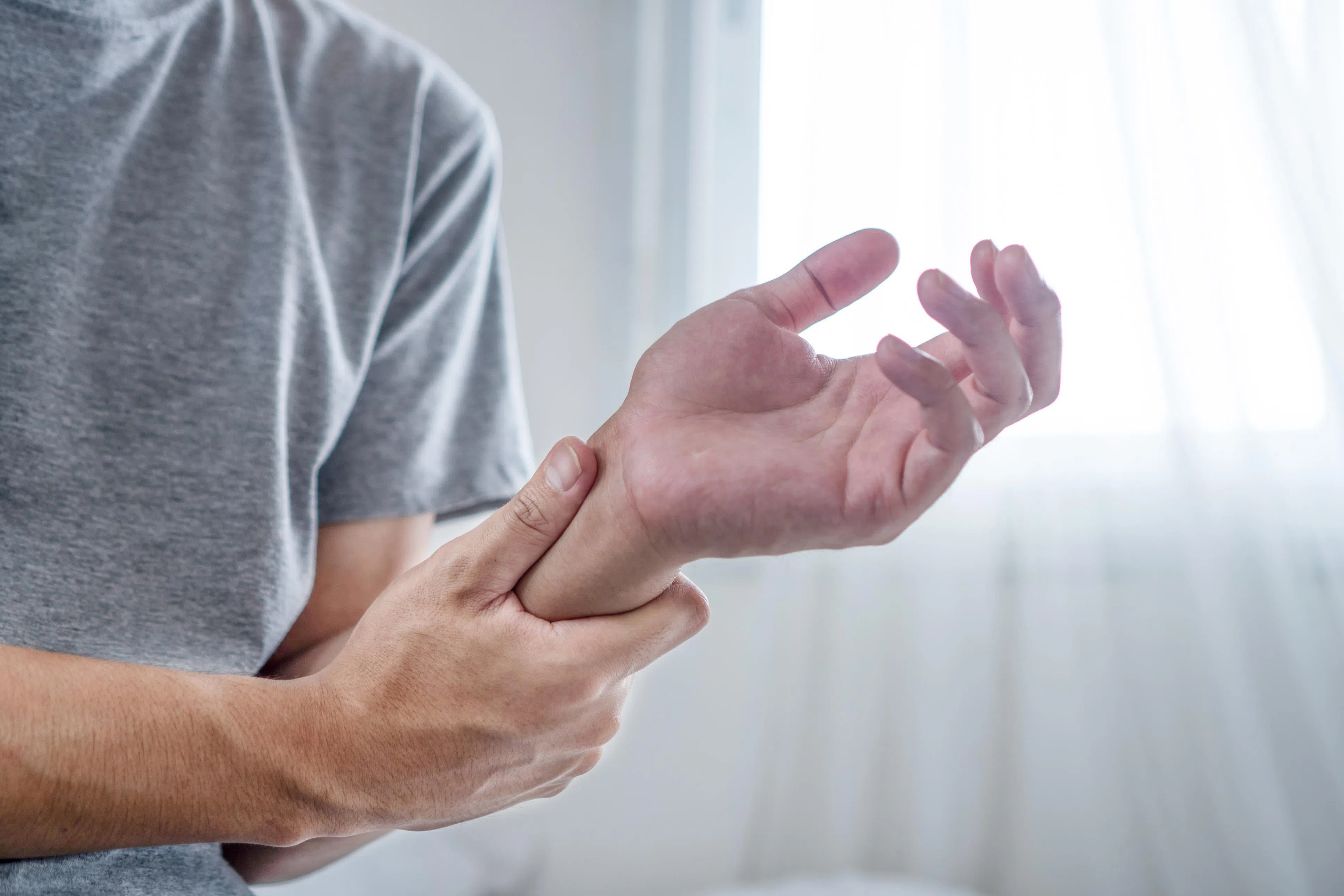
Ms Lau quickly searched online. After confirming that these were signs of a stroke, the couple rushed to the hospital's emergency department.
Her husband was diagnosed with a transient ischaemic attack (TIA), commonly known as a mini-stroke. A brief interruption to the brain's blood supply causes stroke-like symptoms, such as weakness, numbness and slurred speech. However, these symptoms are temporary and do not cause permanent brain damage.
If brain imaging reveals any damage, the diagnosis is an ischaemic stroke, also known as a cerebral infarction, even if the symptoms subside quickly.
Fortunately, Ms Lau's husband was not seriously affected. He underwent detailed tests in hospital and was discharged a week later.
“I was very worried because having had a TIA puts him at a higher risk of stroke than other people. It was a warning, I suppose. I hope everyone learns the symptoms of strokes and mini-strokes and stays alert. If you or someone around you develops these symptoms, go to the hospital immediately,” Ms Lau said.
Stroke incidence rises over the past decade
World Stroke Day falls on 29 October every year. This year's theme, “Every M1nute Counts”, reminds us to recognise the signs of a stroke and seek medical help immediately.
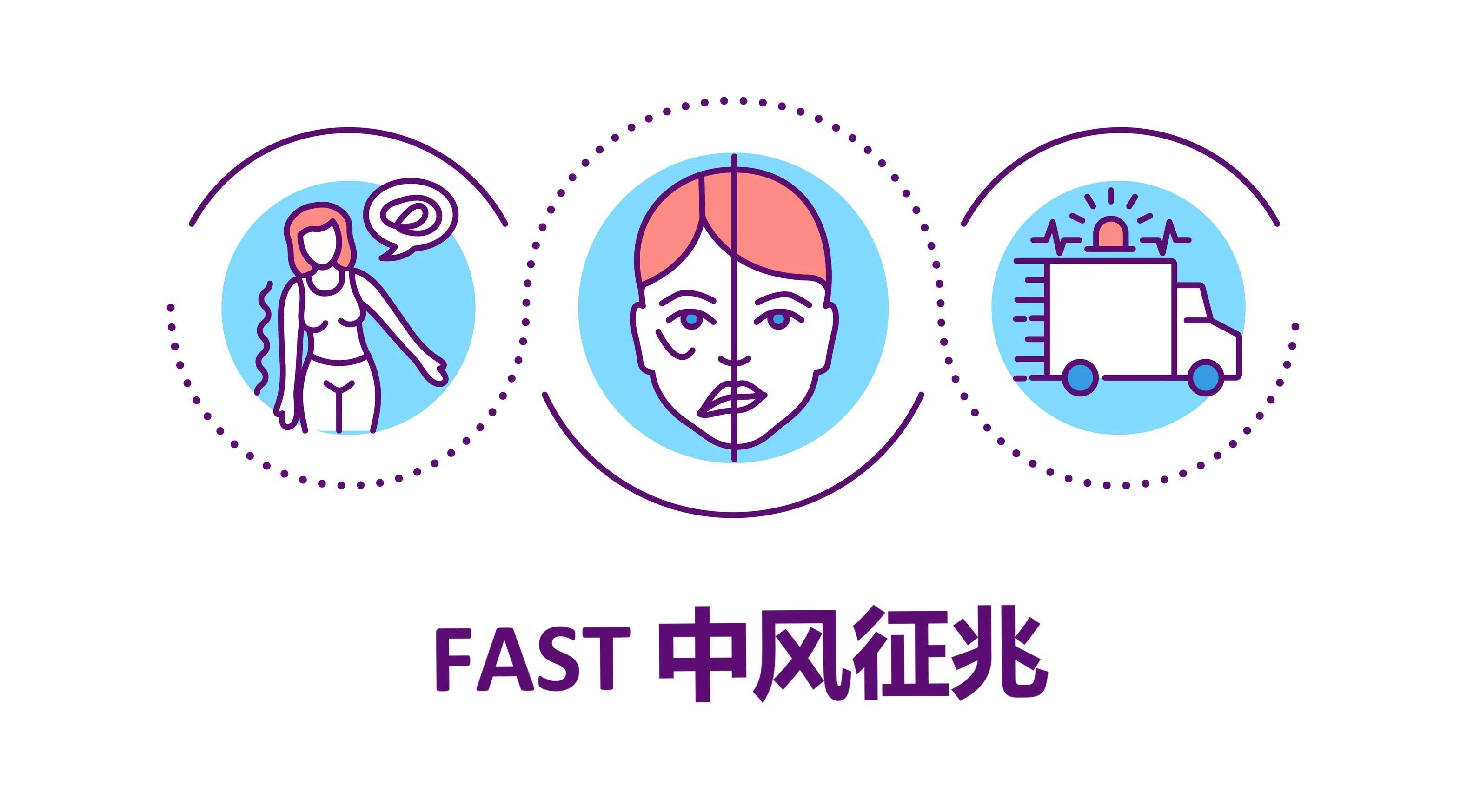
Remember F.A.S.T.:
[F]ace drooping
[A]rm weakness
[S]peech difficulties
[T]ime to call 995
According to the Singapore Stroke Registry's 2023 annual report, released in October, stroke incidence has risen significantly over the past decade. The number of cases per 100,000 people increased from 208.1 in 2013 to 298.9 in 2023. In 2023, 10,664 Singapore residents aged over 15 received treatment for a stroke at public healthcare institutions.

Dr Christopher Seet Ying Hao, who is a clinical assistant professor and senior consultant with the Department of Neurology at the National Neuroscience Institute, noted that this was an increase of more than 50% from 6,720 cases in 2013, partly due to an ageing population.
About 80% of stroke cases each year are ischaemic strokes, while the remaining 20% are haemorrhagic strokes.
National figures on the incidence of TIAs are unavailable as Singapore does not track them. Senior Consultant Neurosurgeon Dr Sein Lwin said data on mini-strokes is difficult to collect because symptoms may disappear completely within minutes. Some people do not realise they have had one and may not seek medical attention.
That is exactly why we should not underestimate a mini-stroke, according to Dr Lwin. “The fact that the symptoms disappear does not mean the underlying risk has disappeared.”
Temporary symptoms also need urgent attention
Dr Lwin is also neurosurgical director at the Advanced Brain and Spine Surgical Centre, a member of Beyond Medical Group. Both he and Dr Seet said the term “mini-stroke” could give the impression that a TIA is a minor event or does not cause any damage, but that is far from the truth.

Dr Lwin noted that a mini-stroke “can be a warning of a future stroke.” The official health website HealthHub describes it as a “warning stroke”. “So the important message is that temporary symptoms still require urgent attention,” Dr Lwin said.
These symptoms include sudden facial drooping, numbness or weakness on one side of the body, difficulty speaking or understanding what others say, sudden changes in vision, and problems with balance and coordination.
Dr Lwin said it is impossible to tell when symptoms first appear whether they are caused by a stroke or a mini-stroke. Either way, emergency care is needed.
Dr Seet said a mini-stroke indicates an existing problem with the patient's blood vessels, such as unstable plaque, or a clotting tendency greater than that of most people.
The 90-day stroke risk after a TIA can be as high as 10–15%, with nearly half of those strokes occurring within the first 48 hours. The precise risk depends on factors such as the underlying cause, whether the patient has conditions such as atrial fibrillation — an irregular heart rhythm whose complications include blood clots — or narrowed arteries, and how quickly treatment begins.
“Even though the blockage was temporary, the source of potential future clots is often still there,” Dr Seet said.
Dr Seet cautioned that even if mini-stroke symptoms disappear, patients should not drive themselves to hospital or seek an appointment at a general practitioner clinic. While waiting for help, they should not eat or drink if they feel their swallowing is affected.
Moreover, they must not take medication on their own, as doctors first need to establish whether there is bleeding in the brain before determining which medicines can be taken.
The first 48 hours after a mini-stroke are critical
Global data shows that about 7–40% of stroke cases were preceded by a mini-stroke. Fortunately, patients now tend to be diagnosed sooner and receive more effective preventive treatment, so fewer go on to have a stroke than in the past.
Dr Jing Mingxue, a consultant with the Division of Neurology at National University Hospital (NUH), said, “The first 48 hours following a TIA are particularly critical. This is why, even when the person feels completely normal again, a suspected TIA requires emergency medical assessment.”

Dr Jing stressed that even when neurological symptoms disappear, the danger may remain. Unless the underlying cause of a mini-stroke is identified and treated, blood vessels in the head and neck may become blocked again. The next blockage could cause permanent damage — what people commonly know as a stroke.
Mini-strokes and strokes have largely similar warning signs and risk factors. The risk factors include high blood pressure, diabetes, high cholesterol, smoking, obesity, prolonged sitting, insufficient physical activity and heart conditions such as atrial fibrillation.
The risk also increases with age, but younger people can have mini-strokes and strokes too.
Treatment depends on the underlying cause
According to Dr Jing, when a patient presents with a suspected mini-stroke, the medical team must not only make an accurate diagnosis but also thoroughly investigate the underlying causes so preventive treatment can begin. Doctors need to understand the patient's medical history and what happened during the episode, particularly when the symptoms began and how long they lasted.
Therefore, doctors usually arrange for brain imaging, such as a CT or MRI scan, to be done. They also use CTA, MRA or ultrasound scans to check for narrowed or blocked blood vessels.
Treatment depends on the underlying cause. If blood vessel problems or other cardiovascular risk factors are involved, most patients will be prescribed antiplatelet medication, such as aspirin or clopidogrel, to reduce the risk of future blood clots.
If atrial fibrillation is the cause, anticoagulants are usually more effective than antiplatelet medication in preventing strokes.
Recovery is the starting point for prevention
St Luke's Hospital’s Head of Rehabilitation Isabella Liang said that although mini-strokes and strokes share similar risk factors and warning signs, rehabilitation needs differ.

Some mini-stroke patients experience fatigue, anxiety, reduced concentration and poorer memory. They may also lack the confidence to resume their usual daily activities, requiring further assessment or rehabilitation, and possibly other forms of support.
A good mindset and a determination to change are important. Liang and the four doctors interviewed all said that whether patients have had a mini-stroke or a stroke, improving their lifestyle habits can significantly reduce their risk of a stroke or another stroke.
Dr Lwin said, “For someone who has already experienced a TIA or stroke, recovery is not the finish line. It is the starting point for prevention. Know your risk factors. Take your medication as prescribed. Keep your follow up appointments. And if new neurological symptoms appear, seek medical attention immediately.”
He stressed that “a TIA may give us a warning. A first stroke may give us another opportunity to prevent recurrence. What matters is that we act on that opportunity.”
