


From young men to older adults, more men are taking up fitness training. In pursuit of a muscular physique, some turn to anabolic steroids to accelerate muscle growth, potentially at the expense of their health.
Steroids can disrupt hormonal balance and stimulate glandular breast tissue growth, causing the less-discussed condition gynaecomastia. Research has also found that patients with gynaecomastia who have used steroids face a higher risk of needing revision surgery after an operation.
Singapore’s Health Sciences Authority (HSA) requires a doctor’s prescription for anabolic steroids, whether taken orally or by injection. Doctors may prescribe them for specific medical needs, such as treating hormone deficiencies including low testosterone, usually under the care of an endocrinologist.
However, steroids are not approved for muscle building or improving sporting performance, and members of the public cannot buy them on their own from pharmacies or unauthorised online sellers. Although there are no local survey data on gynaecomastia caused by anabolic steroid use, the potential risks warrant caution.
How do steroids affect the male body? Why might users conceal their use? How is gynaecomastia diagnosed and treated, and when is surgery necessary? A plastic surgeon, an endocrinologist and a fitness trainer discuss the potential risks of steroid use from medical and fitness perspectives.
Increased oestrogen activity may stimulate breast tissue growth

In an interview, Dr Lee Hanjing, a consultant plastic surgeon at Argent Plastic Surgery at Mount Alvernia Hospital, explained that anabolic steroids are synthetic forms of testosterone or similar hormones. They can promote muscle growth but may also disrupt the body’s hormonal balance.
Besides testosterone, men also have small amounts of oestrogen. Some steroids are converted into oestrogen, and increased oestrogen activity may stimulate glandular breast tissue growth, causing the breasts to enlarge.
Steroids also suppress the body’s ability to produce testosterone naturally. After use stops, hormonal recovery may take weeks or even months. Early symptoms include painful or sensitive nipples, swelling and a firm lump beneath the nipple.
Dr Lee said those seeking treatment are not necessarily professional bodybuilders. They also include recreational gym-goers and weight trainers who may use steroids to build muscle faster, increase strength or improve their physique.
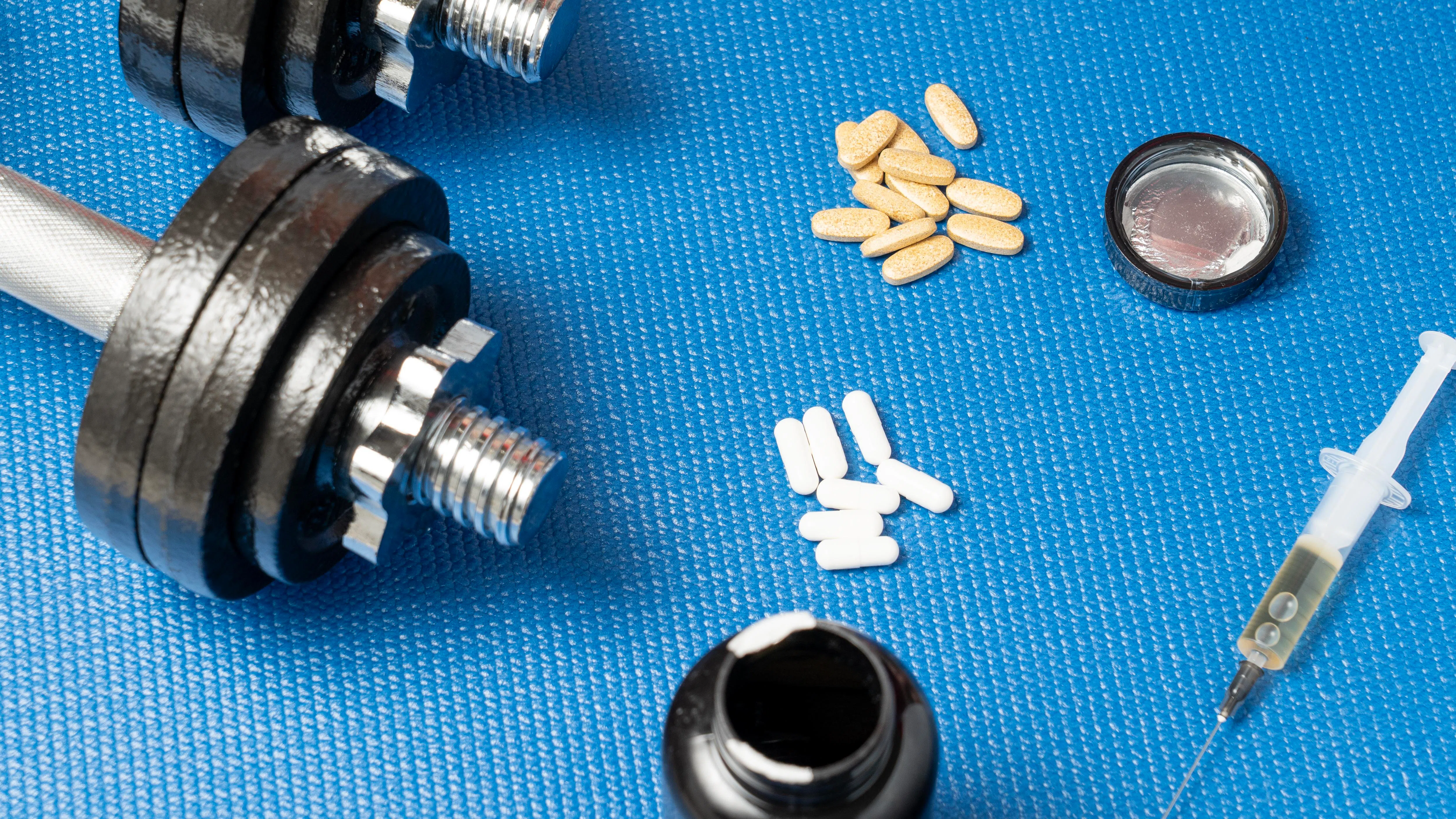
A 2019 study reviewing 964 cases of gynaecomastia surgery found that about 11% of patients had used anabolic steroids. Of these, 40% identified themselves as bodybuilders. Steroid users had surgery at an average age of 28, compared with 25 among non-users.
Patients usually seek help because of breast swelling, protruding nipples, asymmetry or tenderness. The condition can also affect their confidence, making them reluctant to wear fitted clothing or take off their shirts at the gym or swimming pool.
Their main concerns when seeking treatment are whether their breasts will shrink after they stop using steroids, whether medication works and whether surgery is necessary. They also worry about scarring, recovery time and the risk of recurrence.
Concealing steroid use makes diagnosis harder
Dr Lee cited a 2020 survey of 2,385 male steroid users which found that 56.1% had never disclosed their use to healthcare professionals. Among those who had not disclosed it, about 64% feared being judged, while 61% lacked confidence in doctors’ knowledge of the subject.
Concealing steroid use can make diagnosis harder. Male breast enlargement may be linked to hormonal imbalances, medication, obesity or other illnesses. If doctors are unaware that a patient has used steroids or related supplements, it is harder for them to identify the cause accurately and arrange appropriate tests.
“Stopping anabolic steroids is an important first step in managing steroid-related gynaecomastia, but it does not necessarily mean that the enlarged breast tissue will disappear completely,” said Dr Lee.
“Whether the condition improves naturally depends largely on how long the breast tissue has been present, the extent of glandular growth and whether the underlying hormonal imbalance has resolved.
“In the early stages of gynaecomastia, particularly within the first few months, some men may experience a reduction in breast swelling and tenderness after stopping anabolic steroids. However, the recovery of natural testosterone production can take several months, particularly following prolonged anabolic steroid use.”
Over time, glandular breast tissue may become fibrous and denser, making it less likely to shrink in response to hormonal changes.
The Italian Society of Andrology and Sexual Medicine’s 2026 clinical guidelines state that gynaecomastia is less likely to resolve spontaneously once it has persisted for more than six to 12 months, because of tissue fibrosis.
Dr Lee pointed out that while chest exercises such as bench presses, push-ups and chest flyes can strengthen and develop the pectoral muscles, they cannot eliminate glandular breast tissue caused by gynaecomastia.
This is because muscle, fat and glandular breast tissue are structurally different, and each responds differently to exercise and weight loss. When breast enlargement is caused primarily by excess fat, a condition known as pseudogynaecomastia, losing weight through a combination of regular exercise and a balanced diet may help improve the appearance of the chest.
However, true gynaecomastia involves the growth of glandular breast tissue. Unlike fat, this tissue does not disappear simply because someone loses weight or develops stronger chest muscles.
Age and obesity are common causes
Is gynaecomastia becoming more common? In an interview, Dr Ben Ng, senior consultant endocrinologist at Arden Endocrinology Specialist Clinic, cited a large Danish study which found that the rate of gynaecomastia diagnoses among males aged 16 to 20 had increased fivefold over the past 20 years.

Dr Ng believes rising obesity rates, medication use and the growing popularity of fitness supplements may all be contributing factors.
However, greater public awareness of gynaecomastia and more men being willing to seek medical help may also explain the increase in diagnoses.
Gynaecomastia does not only affect men who use anabolic steroids. “Men and women both produce testosterone and oestrogen, but in different amounts,” said Dr Ng. “In men, when the balance shifts towards oestrogen, it can stimulate glandular breast tissue to grow, causing breast enlargement.”
The condition is more common during puberty and among older men. Hormonal fluctuations during puberty can cause temporary breast tissue enlargement. As men age, testosterone levels may fall and body fat may gradually increase, also raising the risk of gynaecomastia.
Obesity is another common cause seen in clinical practice. Fat tissue contains an enzyme called aromatase, which converts testosterone into oestrogen. Obesity may also lower testosterone levels, increasing the risk of gynaecomastia.
“Besides age and body weight, certain medications and underlying medical conditions can also affect hormonal balance,” said Dr Ng.
“These include some medications for prostate conditions, hair loss and high blood pressure, which may suppress testosterone production or increase the effects of oestrogen. Excessive alcohol consumption can also affect hormone balance, particularly in men with liver disease.”
Low testosterone levels, an overactive thyroid, liver disease and advanced kidney disease can also cause gynaecomastia. In a small number of cases, the problem may be linked to the testes or pituitary gland, including hormonal abnormalities caused by rare tumours.
An enlarged chest is not always gynaecomastia
An enlarged male chest does not necessarily mean gynaecomastia. Dr Ng said an initial distinction can usually be made by touch: patients with gynaecomastia typically have firm, rubbery tissue or a lump directly beneath the nipple, while fat deposits alone tend to feel softer and are more widely distributed.
Doctors generally begin with a physical examination and ask about the medication and nutritional supplements the patient is taking. Depending on the individual’s needs, further tests may check testosterone, oestrogen and other hormone levels, as well as thyroid, liver and kidney function.
Whether gynaecomastia resolves on its own depends on its cause and how long it has been present. Dr Ng said gynaecomastia that develops during puberty often subsides naturally over time. If it is caused by an underlying illness or medication, treating the illness, stopping the medication under medical supervision or losing weight may help.
If glandular breast tissue growth has persisted for a long time, it is less likely to resolve on its own or respond to other treatments, and patients may need to consider surgery.
No shortcuts to muscle: Mr World titleholder tackles fitness myths
Influenced by social media, some fitness enthusiasts are so eager to achieve a muscular physique that they adopt extreme training methods or even turn to substances to accelerate muscle growth.
EJ Philip, founder of local fitness business Alpha Beast Fitness and the 2023 Mr World Singapore titleholder in the senior category, clears up common fitness misconceptions.

Q: Are men who work out or do high-intensity weight training more likely to develop gynaecomastia?
Gynaecomastia is not uncommon, but we need to distinguish between chest fat and actual glandular breast tissue.
The risk is particularly concerning among bodybuilders for those using anabolic steroids, which can disrupt hormonal balance. Having a muscular physique does not mean someone is immune to the condition.
Q: Fitness is increasingly popular, especially among younger men. Is it simply about wanting a muscular, well-defined physique?
Social media has created unrealistic expectations of what the male physique should look like. Many younger men want results quickly, without appreciating that building muscle takes years of consistency.
This pressure can lead to extreme dieting, overtraining and, in some cases, experimenting with performance-enhancing substances to reach their goals faster.
Q: What are some common misconceptions about anabolic steroids and other performance-enhancing substances?
The biggest misconception is that steroids are a shortcut without consequences. While they can accelerate muscle growth and recovery, they can also cause hormonal disruption, cardiovascular complications, liver problems and fertility issues.
Another misconception is that selective androgen receptor modulators (SARMs) are a safer alternative. They are not risk-free.
Q: Are gym-goers generally aware that anabolic steroid use can cause gynaecomastia?
Some experienced bodybuilders understand the risk, but many recreational gym-goers underestimate it. Testosterone can convert into oestrogen through a process called aromatisation. This can contribute to breast tissue development.
Some also mistakenly believe additional medication can completely prevent these side effects, which is not guaranteed.
Q: Can chest exercises, weight training or fat loss improve an enlarged male chest?
It depends on the cause. If the enlargement is due to excess body fat, losing weight and building the chest muscles can improve its appearance.
However, if it involves actual glandular tissue, exercise cannot remove it. This is why proper medical assessment is important to establish the cause.
Q: What advice would you give men who are concerned about gynaecomastia but want to build muscle safely?
Focus on progressive resistance training, a balanced diet, adequate sleep and recovery. Avoid non-prescribed steroids, SARMs and muscle-building or hormone-enhancing products with unverified ingredients. If you notice unusual breast enlargement, tenderness or lumps, consult a doctor.
Q: What role do diet and nutritional supplements play in building muscle?
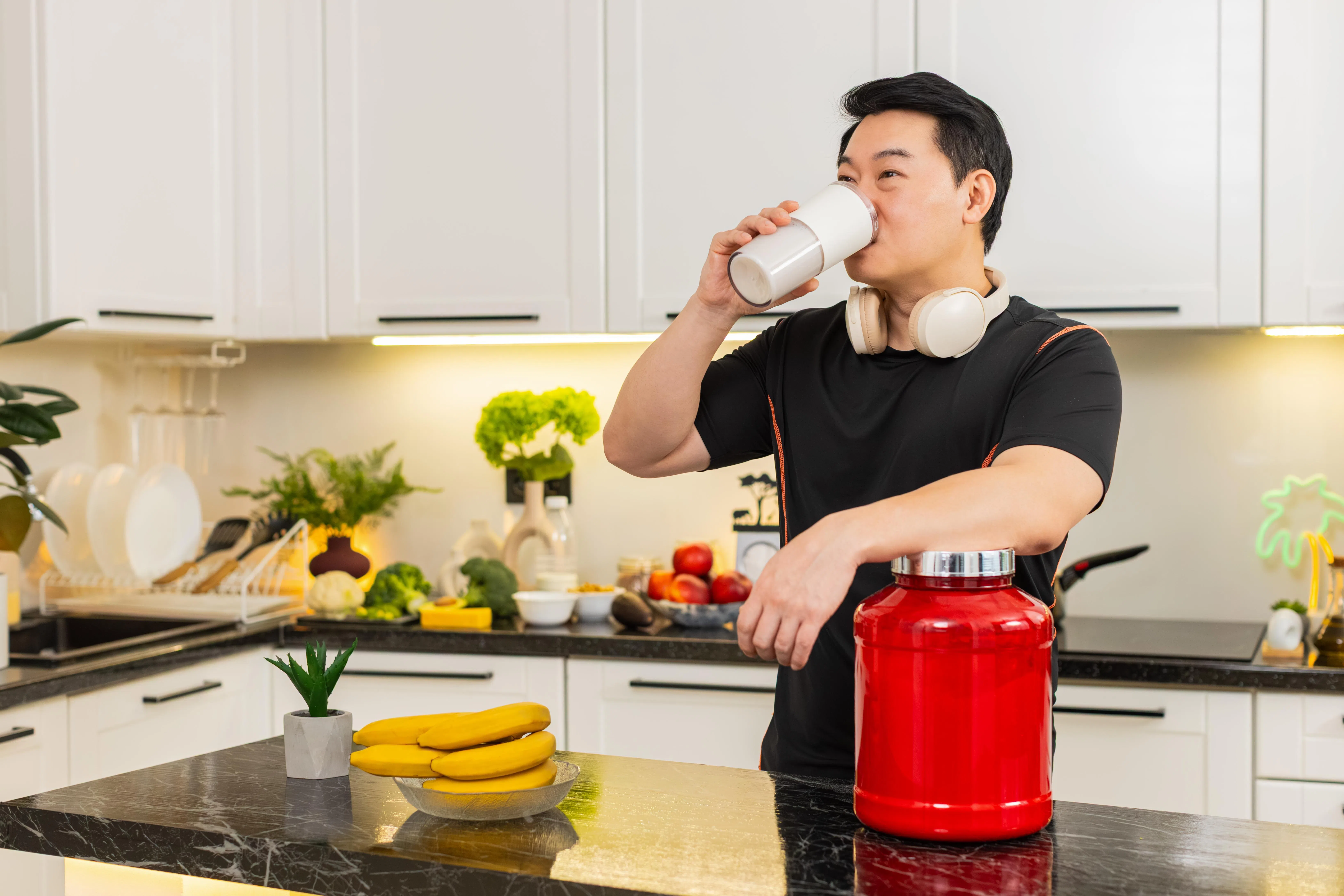
Nutrition is fundamental to muscle growth. Protein powders are simply a convenient way to meet daily protein requirements; they are not steroids or hormones. There is no convincing clinical evidence that normal whey protein consumption causes gynaecomastia.
The bigger concern is poorly regulated bodybuilding products that may contain undeclared hormone-active substances. Supplements should support a balanced diet, not replace it.
