

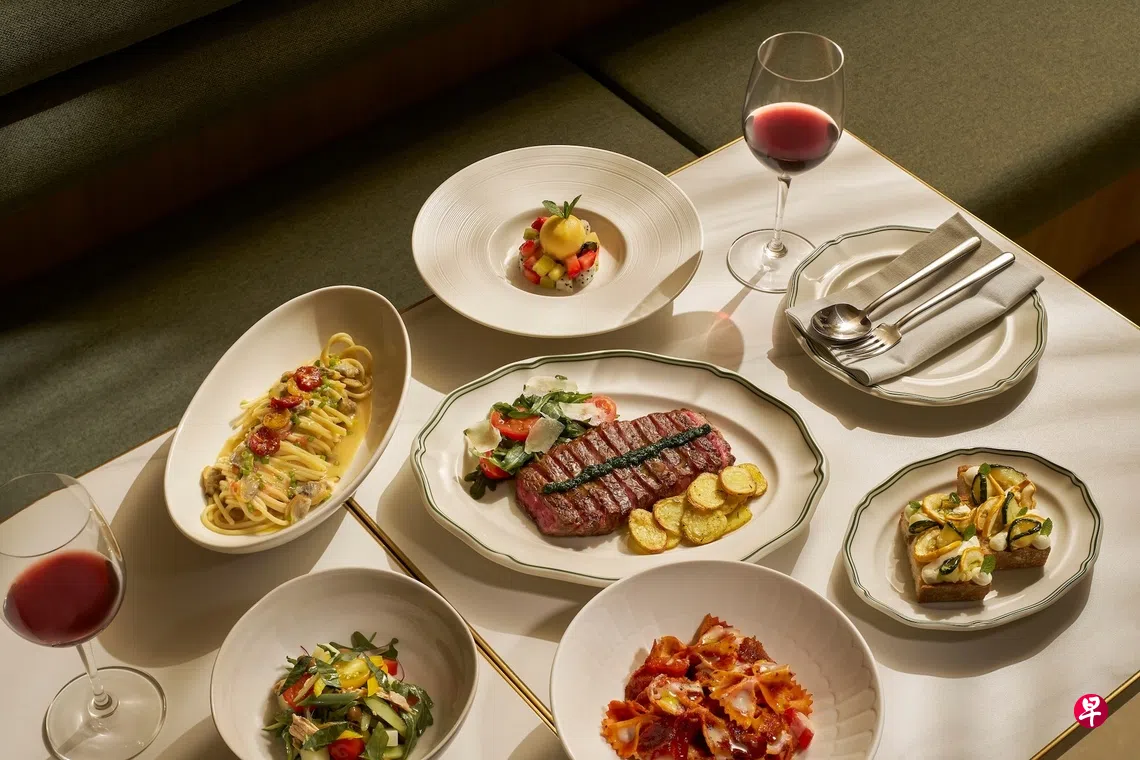
When traditional Italian cooking incorporates Asian elements, such as Korean sauces or Japanese touches, the flavours gain depth and become more familiar to Asian diners. Two distinctive Italian restaurants with Asian influences have recently joined Singapore’s dining scene.
A Korean chef’s deft use of Italian techniques
Osteria Da Su, an Italian restaurant with Korean influences, is the latest addition to the Nae:um group, whose other establishments include contemporary Korean fine-dining restaurant Nae:um and modern Korean steakhouse Gu:um.
At the helm is Korean chef Suji Park, who has spent nearly 20 years cooking Italian food. She has found many similarities between Korean and Italian food cultures, including their emphasis on seasonal ingredients.
Having worked at La Cucina, a traditional Italian restaurant in South Korea, Park decided to pursue her training in Italy in search of authentic Italian cooking. Over nearly a decade, her journey took her to Bergamo, Milan, Sicily and beyond. She honed her skills in neighbourhood eateries and also worked at the three-Michelin-starred Da Vittorio. Her experience in Italy taught her that Italian cooking need not follow a rigid formula: with a solid grounding in the basics, a chef has the freedom to create new dishes.
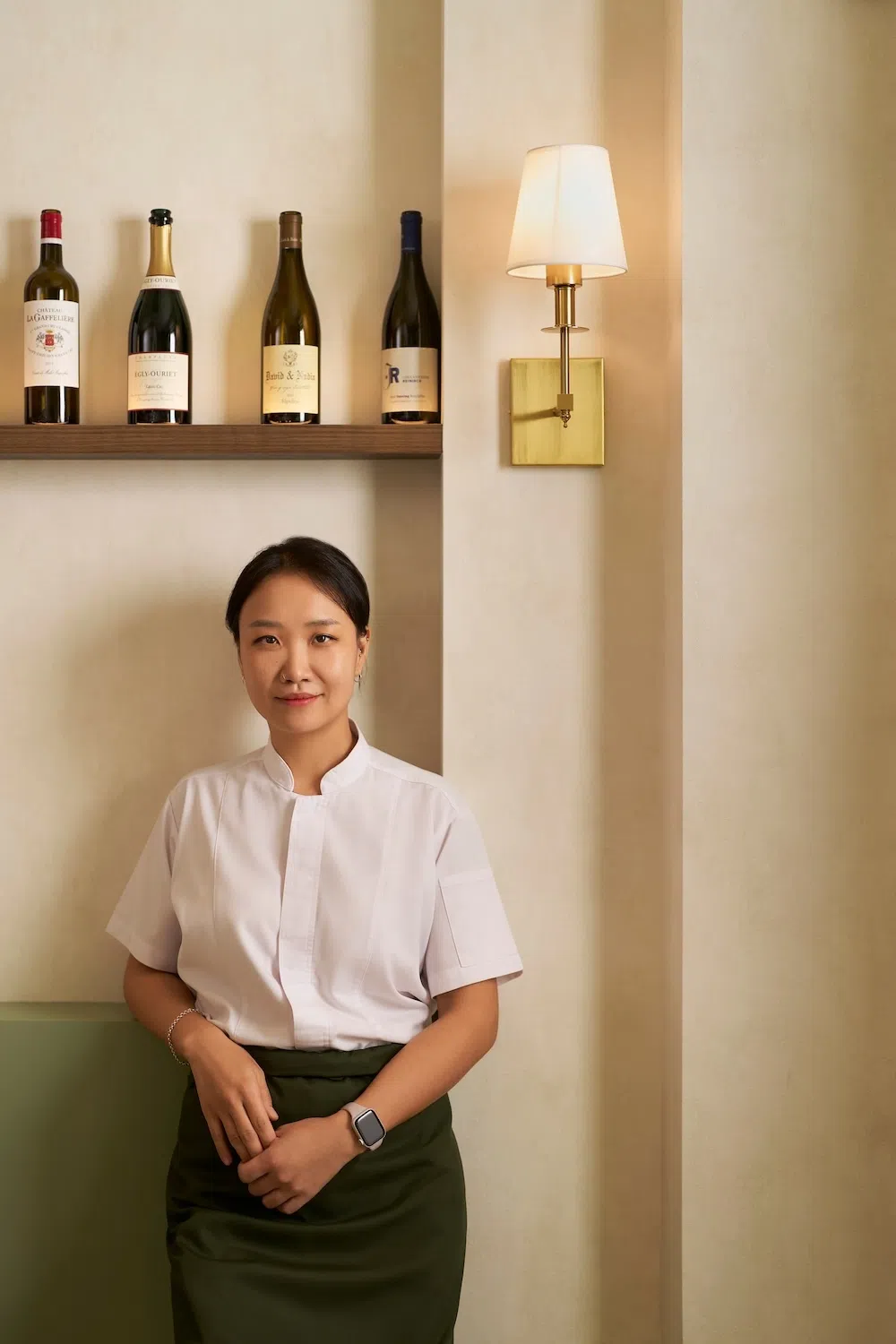
Park returned to South Korea in 2022 and joined Gucci Osteria, opened in Seoul by renowned Italian chef Massimo Bottura, where she proved equally adept at everything from starters to desserts.
Her new restaurant in Singapore is styled after a traditional Italian eatery. With 34 seats and a warm atmosphere, it is well suited to gatherings.
The cooking is rooted in authentic Italian techniques and handmade pasta, with classic Korean sauces such as doenjang and chilli paste providing carefully judged finishing touches.
Korean Pepper Fritto ($16++) is an Italian take on the Korean street snack of deep-fried chillies. Crisp Korean green peppers are stuffed with prawns and cheese, then deep-fried and served with Doenjang mayonnaise and balsamic vinegar for layers of flavour.
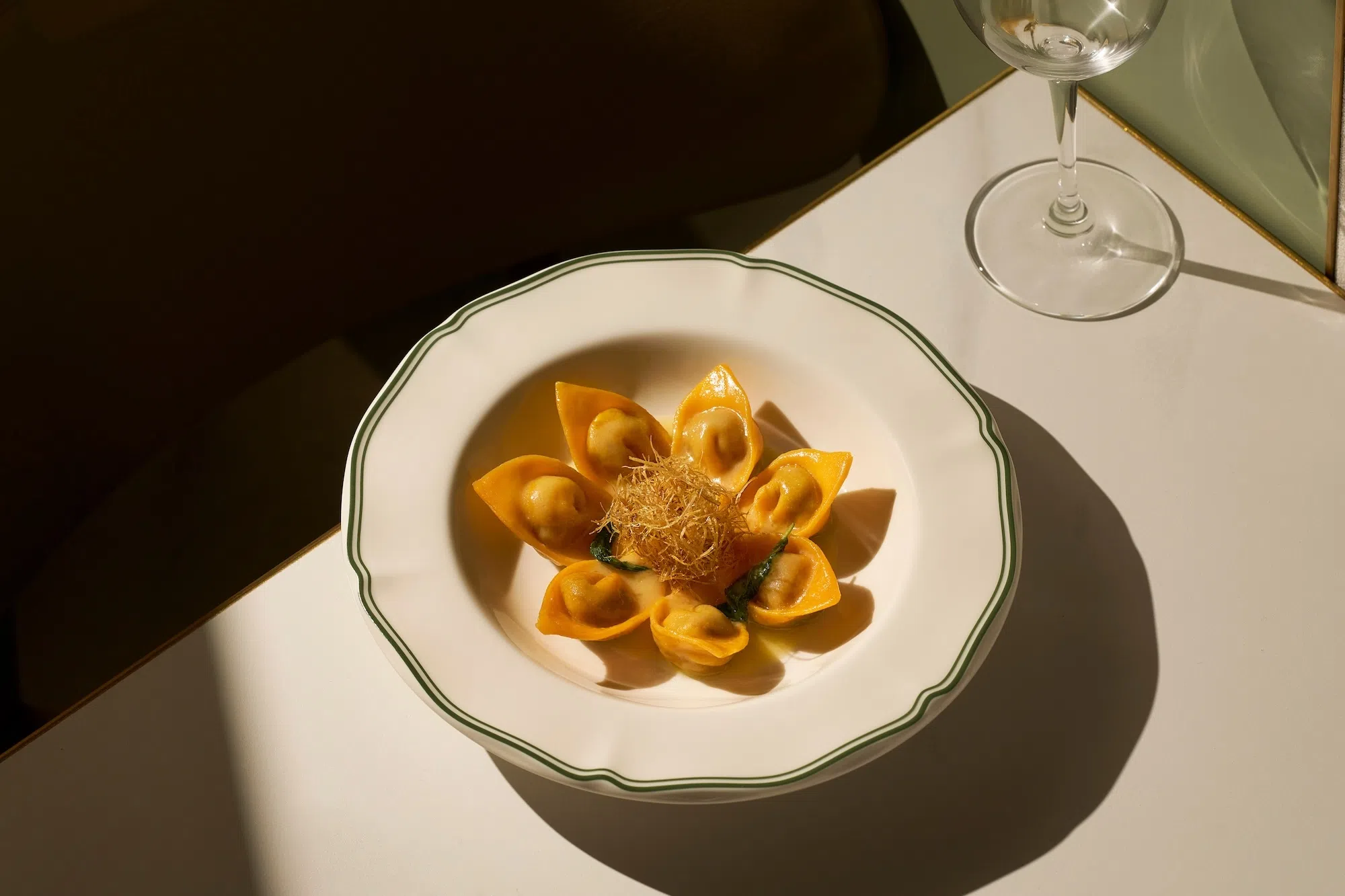
Handmade pasta takes centre stage. Tortelli di Galbi Jjim ($32++) retains the classic sage butter sauce, but boldly fills the pasta with sweet-savoury Korean braised pork ribs. The Eastern and Western elements come together seamlessly.
Koreans generally add minari, or water celery, to clam soup. Park makes the stock for her Spaghetti Alle Vongole ($28++) with clams, replacing Italian parsley with minari and adding cherry tomato confit for extra flavour. The result is light and savoury.
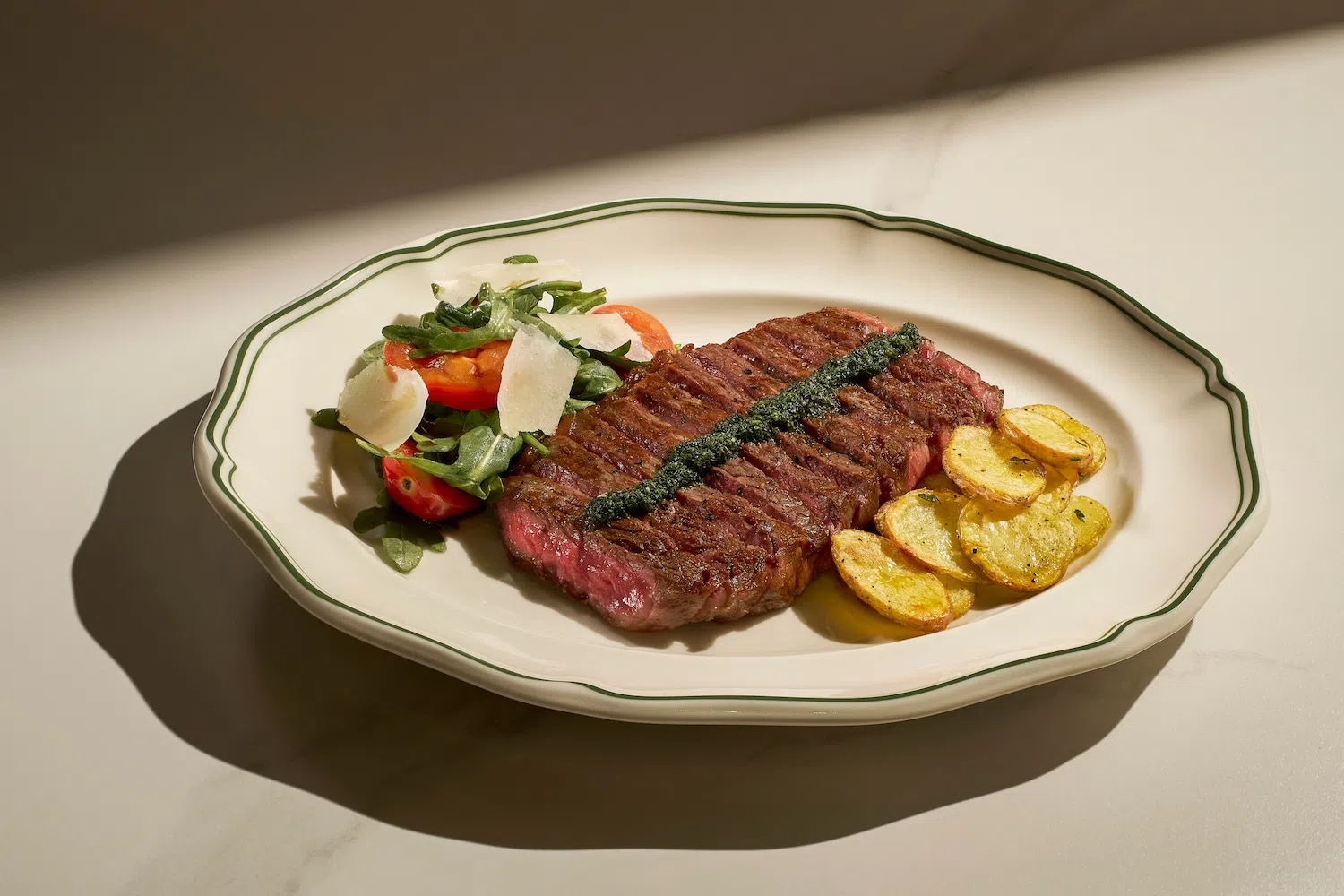
A similarly inspired substitution appears in the Angus steak ($58++). Parsley, usually used in Italian salsa verde, gives way to perilla leaves, which Koreans eat with meat, for a refreshing change.
For dessert, Dalgona Tiramisu ($14++) exemplifies the Korean-Italian fusion, pairing a base of mascarpone and sponge fingers with shards of homemade traditional Korean dalgona candy. The crisp candy balances the richness of the cheese.
▲Osteria Da Su
Address: 163 Telok Ayer St S068616
Website: osteriadasu.com
A Japanese chef’s take on Italian food
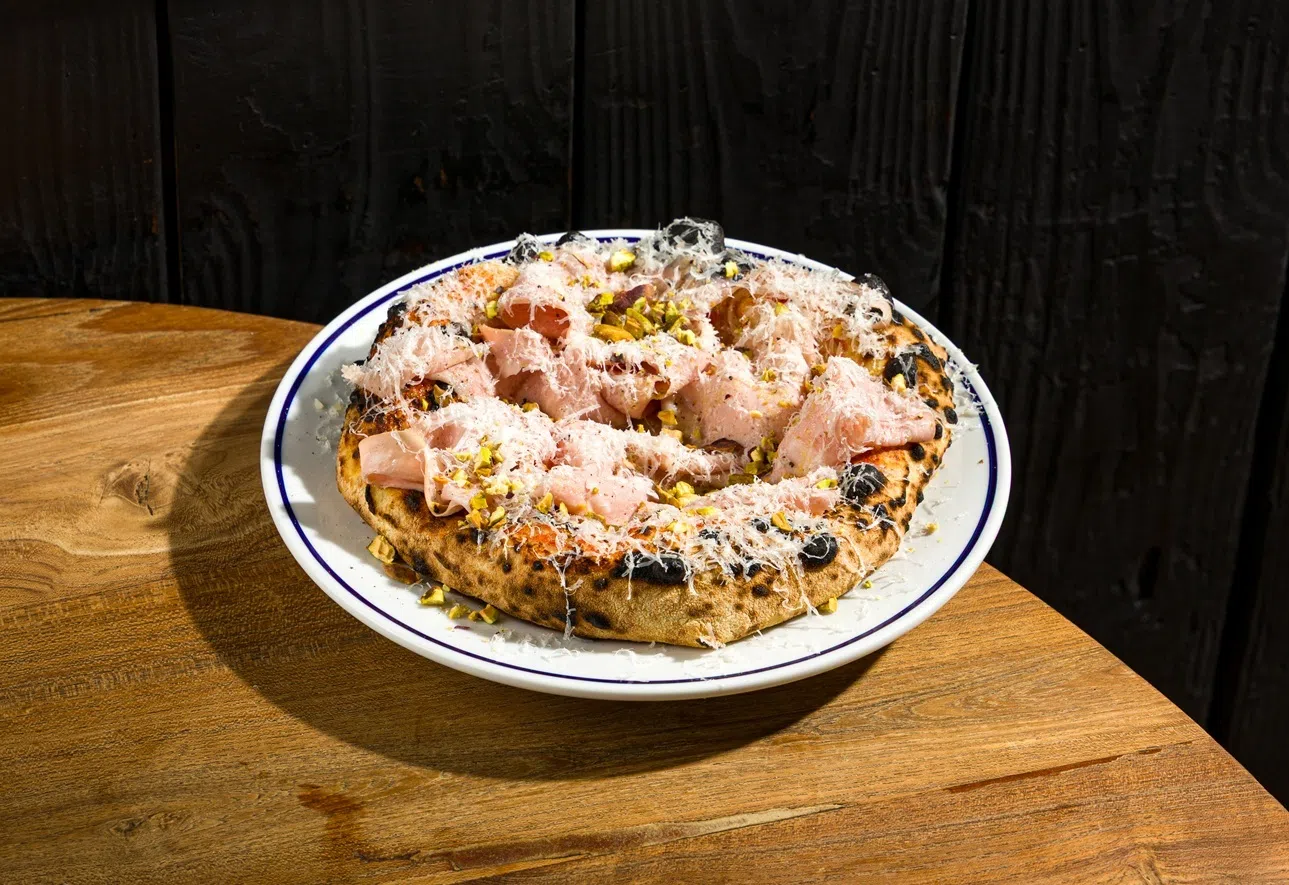
Japanese-Italian cooking has its own appeal. After opening sio pasta at Singapore’s Raffles City in March 2026, celebrated Japanese chef Shusaku Toba has opened Italian restaurant o/sio in Tanjong Pagar. This is the restaurant’s first overseas outlet beyond Tokyo, with a more varied menu featuring pasta, pizza, seasonal dishes and wine.
Speciality pasta dishes include smoky black truffle carbonara ($27.80++) and Snow Crab Genovese ($26.80++). Other offerings include crispy squid ($12.80++), fig bruschetta ($6.80++) and pistachio and mortadella pizza ($16.80++).
▲o/sio
Address: 38 Tanjong Pagar Rd S088461
IG: @osio_singapore
