

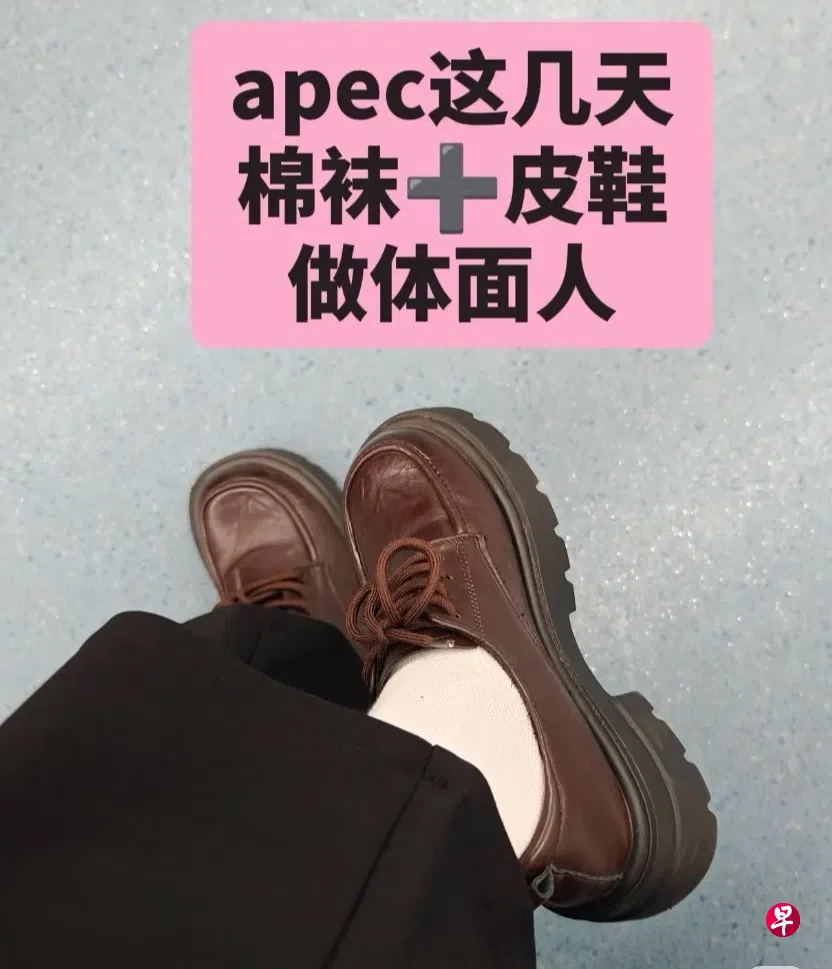
The Asia-Pacific Economic Cooperation (APEC) leaders’ meeting opened in Shenzhen, Guangdong, on Wednesday (18 November). As the city turns its attention to APEC, residents are sprucing themselves up — right down to their footwear. The hashtag “Shenzhen residents step out in full make-up to welcome APEC” has surged onto Weibo’s trending list.
Flip-flops and singlets are what netizens describe as standard attire for Shenzhen residents heading out. Local lore has it that many wear singlets, shorts and flip-flops even if they are worth hundreds of millions of yuan.
This week, however, numerous Shenzhen residents have switched to leather shoes and trainers, according to several Chinese media reports. Some have even bought new clothes for APEC and are paying greater attention to their appearance when going out.
One netizen posted a photograph of themselves wearing leather shoes, with the caption: “Be a presentable Shenzhen resident during APEC. Absolutely no slippers when going out.” A food delivery rider commented: “I now wear white trainers to make deliveries every day.”
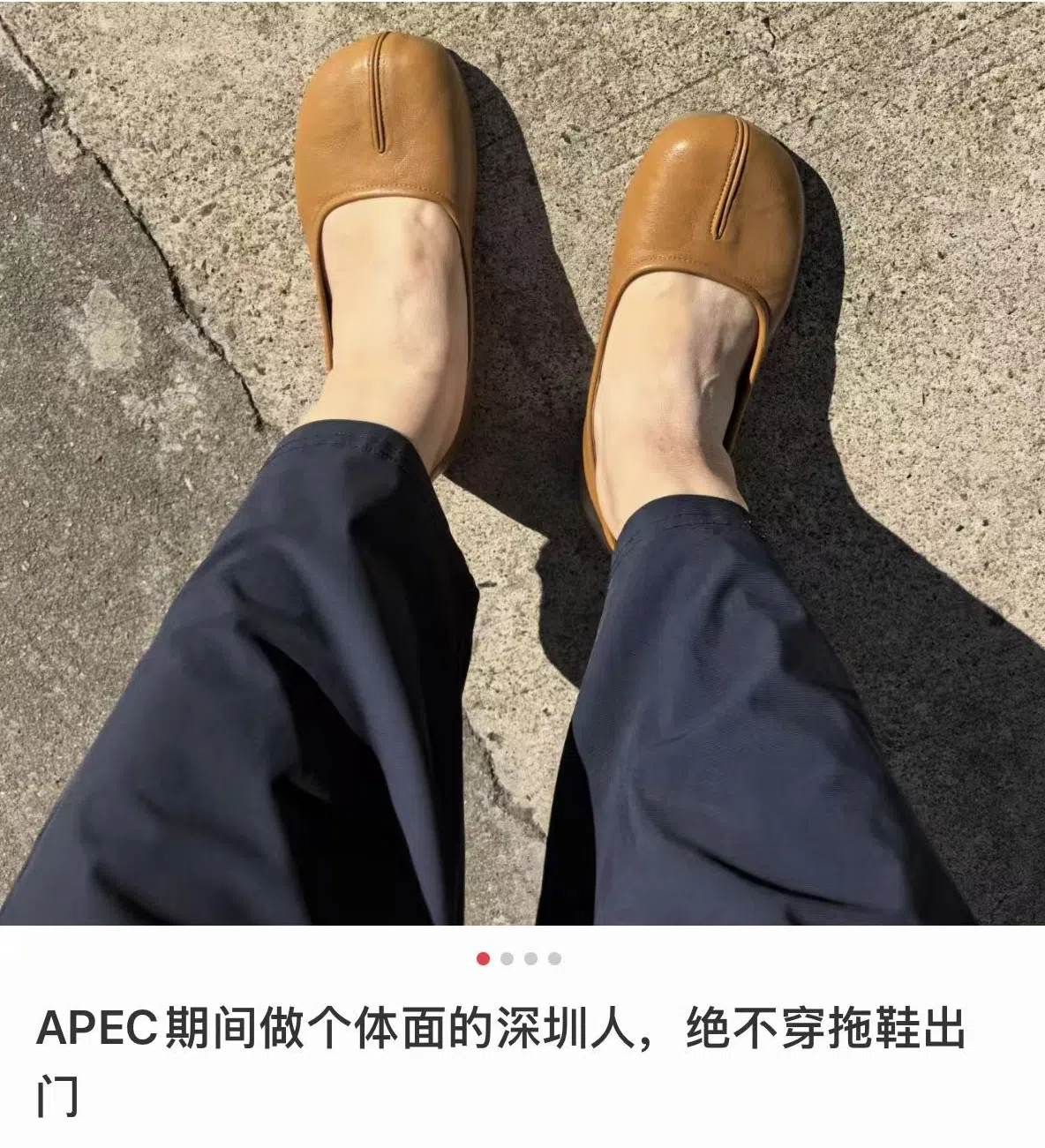
One netizen who moved to Shenzhen for work just a month ago said the streets were still full of people wearing slippers last month, but now “all you can see are white trainers”. Others dug out leather shoes, sandals and trainers that had long been tucked away, only to find that the soles had come unstuck or even fallen off after so long without use.
Beyond changing their footwear, some netizens said they had rushed to buy new clothes and made a point of putting on make-up before heading out, with preparations “on a par with Chinese New Year”.
Not all Shenzhen residents were convinced. “Could it be because the weather has turned cold?” one asked. Another insisted: “We can’t abandon tradition: slippers and baggy shorts.”
Beyond “stepping out in full make-up”, preparations for APEC have extended into other aspects of everyday life in Shenzhen. Residents have mixed feelings about the arrangements: some are happy to cooperate, while others feel their daily routines have been disrupted.
While many residents have voluntarily paid closer attention to their attire, some companies have reportedly also imposed dress requirements on employees.
According to reports by Reuters, Asia Daily (《亚洲日报》) and other outlets, an office worker surnamed Lin said her company had reminded staff not to wear clothes bearing English words they did not understand, lest they inadvertently display offensive language and embarrass themselves.
Meanwhile, many people wearing red vests marked “Volunteer” have recently appeared on Shenzhen’s streets, including security guards from residential estates. A security guard in the city’s Nanshan district said his boss had told him to wear such a vest, but he did not know what the English word on it meant.
To ease traffic during APEC, Shenzhen authorities launched a campaign encouraging residents to do their part for greener travel and smoother traffic. Car owners were invited to pledge voluntarily to leave their private cars off the road from 16 to 20 November and use public transport instead. On Monday (16 November), officials announced that more than 1.5 million car owners had signed up.
In practice, however, some residents have faced a dilemma. Online news outlet HK01 reported that one Shenzhen car owner who had signed up ultimately decided to drive to work after weighing up commuting time and transport costs. She drove to work on Wednesday morning and received a text message from Shenzhen traffic police that afternoon, reminding her that she had not kept her pledge to leave her car off the road. Fortunately, the message made no mention of penalties and provided a channel for appeals.
Another resident said she and many of her neighbours had chosen not to sign up for the green travel campaign, but each had received a phone call from community staff asking why.
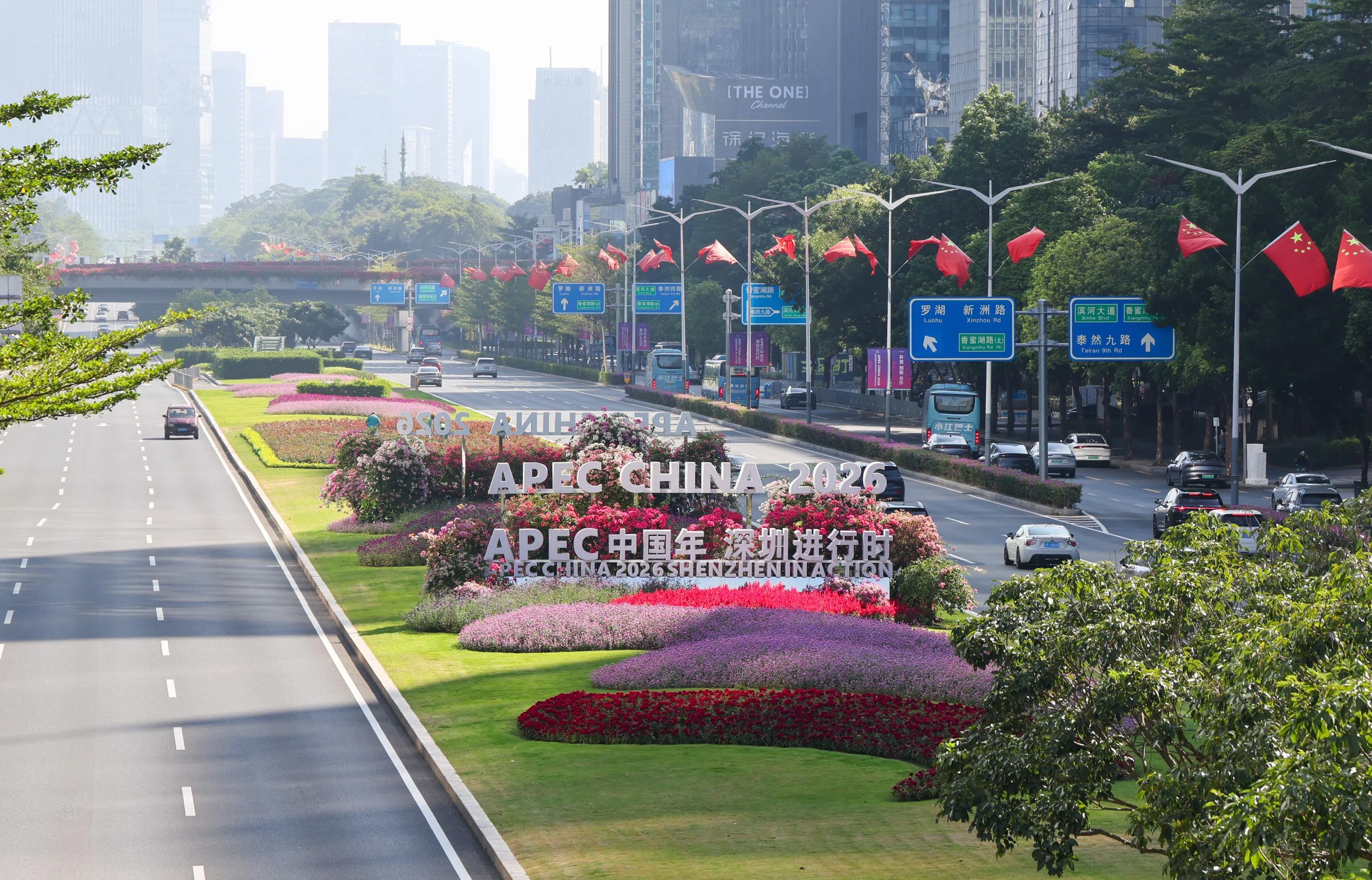
Separately, independent media outlet Tingbudong Podcast reported that some residents said courier companies were refusing to accept items such as knives and scissors during APEC. Food delivery riders were also told to pay attention to their appearance during the summit. Dirty clothes were to be washed or replaced, while excessively dirty, worn or damaged clothing could simply be thrown away.
Shenzhen has also scheduled an autumn break for all primary and secondary schools from 17 to 20 November, with kindergartens to follow suit. Ordinary office workers, however, have not been given matching days off. The government has merely encouraged companies to offer flexible working hours and staggered commuting times, among other arrangements.
The school break has created childcare difficulties for some dual-income families. One resident said arranging care for her child during the break was giving her a headache.
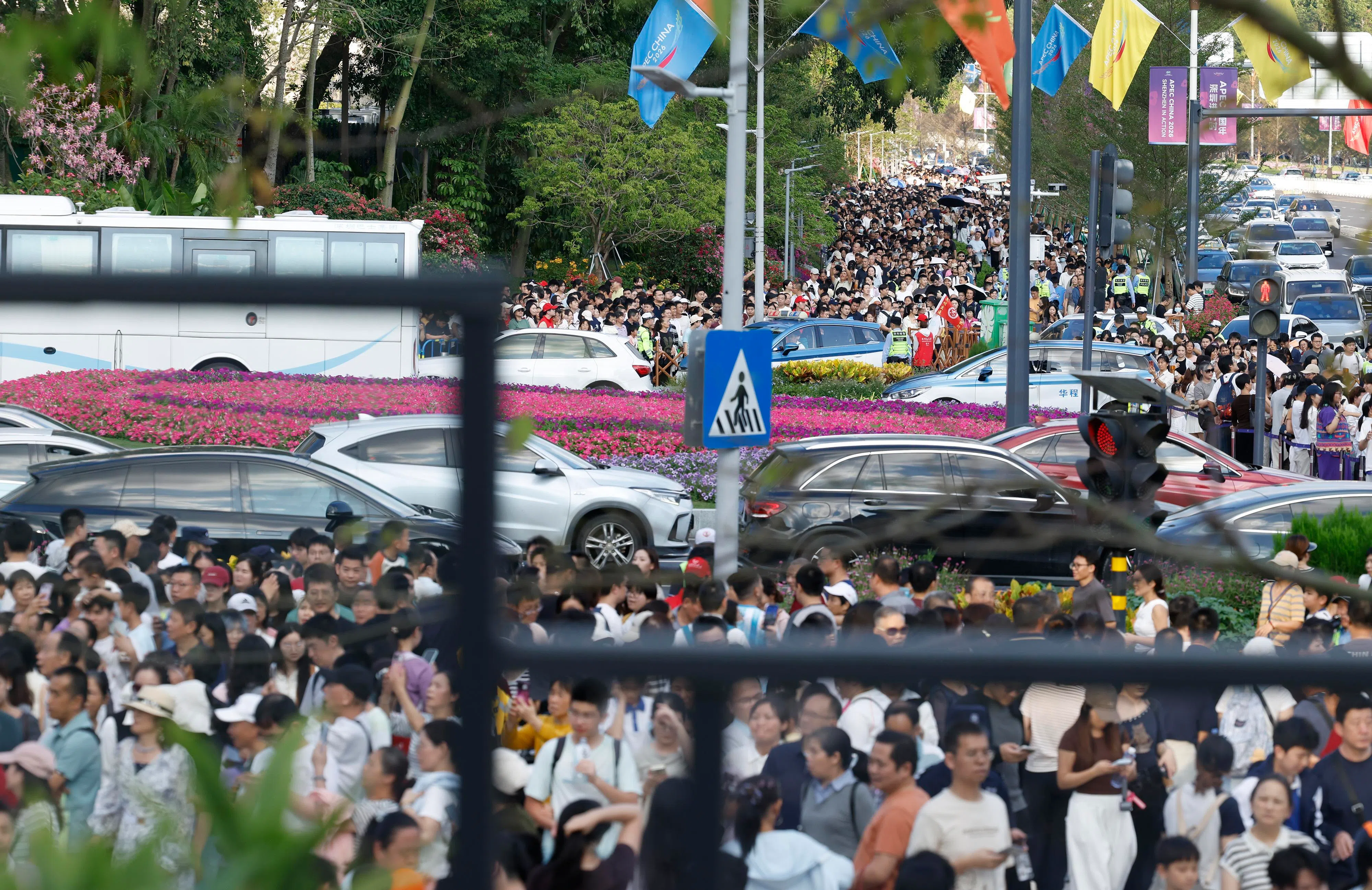
Officials say residents have voluntarily taken part in many activities to welcome APEC on their own initiative. But with official appeals accompanied by citywide mobilisation, how much of that participation reflects personal choice may vary from case to case.
Shenzhen began tightening urban management in April
As early as the first half of this year, Shenzhen began introducing tighter urban management measures in preparation for APEC.
On 1 April, Shenzhen introduced revised three-tier restrictions on electric bicycles, colloquially known as “electric chickens”, expanding the areas where they are banned. This sparked debate among some residents over issues including inconvenience for commuters and the impact on delivery riders’ livelihoods.
From 20 July, Shenzhen’s metro further tightened security checks. Several stations saw queues and congestion during the morning rush hour for a time, and some commuters expressed frustration at the extra time needed to enter stations.
Tensions between urban management and everyday convenience have also arisen when China hosted major international events in the past.
During the 2016 Group of 20 (G20) summit in Hangzhou, nine urban districts arranged a seven-day break through adjustments to work schedules. On the eve of the summit, roads and shopping malls around the main venue were largely deserted, many shops were closed, and construction sites had suspended work. Reuters described the area around the main venue at the time as a “ghost town”.
Hangzhou’s efforts to spruce up the city even extended into residents’ homes. In a May 2016 interview with The Beijing News (《新京报》), Zhao Yide, then Hangzhou’s Communist Party secretary, said laundry hanging outside residents’ windows was “a real eyesore”. He said he had asked volunteers whether they could persuade residents to dry their clothes and trousers indoors.
The report quoted Zhao as saying that the volunteers at the meeting had replied in unison: “Absolutely.”
Earlier, while preparing for the 2008 Olympics and the 2014 APEC meetings, Beijing introduced temporary measures to tackle air pollution. These included requiring some factories to halt or cut production and construction sites to suspend work.
The measures brought a marked improvement in air quality for a time, restoring blue skies that became known as “Olympic blue” and “APEC blue”. But according to reports by The Washington Post (《华盛顿邮报》), the South China Morning Post (《南华早报》) and other media outlets, the measures also affected some residents and businesses.
In the run-up to the 2008 Olympics, thousands of construction sites in Beijing stopped work, forcing some migrant workers to leave the city. During APEC in 2014, traffic restrictions and other temporary arrangements also prompted complaints from some residents about disruption to their daily lives. Once the events ended and the temporary restrictions were lifted, Beijing’s air pollution problems resurfaced.
Years on, how do Chinese cities’ preparations for major international events differ from those of the past? While ensuring that events run smoothly, have officials also considered the impact of the preparations on residents and businesses? That is a question for Shenzhen’s residents to answer.
