

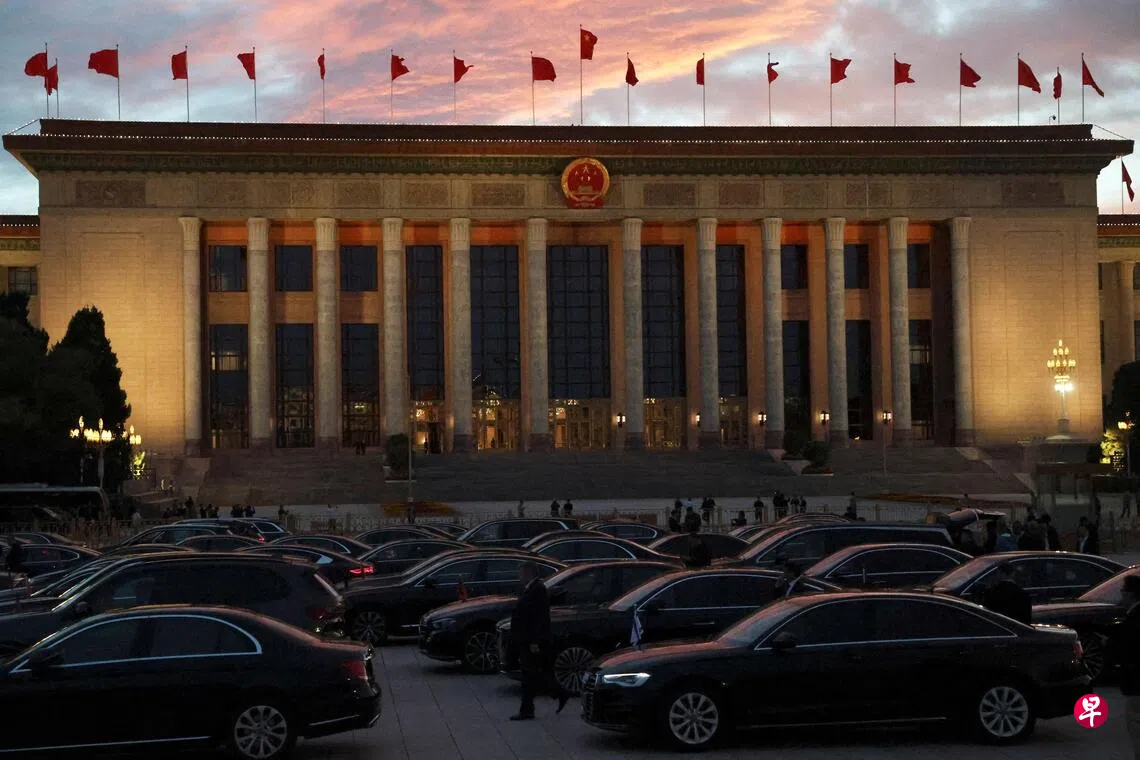
Taiwanese scholars believe China’s Chinese Communist Party (CCP) may unveil an overarching framework for a “two systems” plan for Taiwan at its 21st Party Congress next year.
China recently put forward a series of specific proposals for a “two systems” arrangement for Taiwan, and Taiwanese cross-strait relations scholar Hung Yao-nan believes the CCP may reveal its framework for such a plan next year, presenting it as a political achievement in its work on Taiwan.
Wang Weixing, vice-president of China’s National Society of Taiwan Studies, told a symposium on cross-strait relations at Nanjing University last week that the mainland had drawn up more than 30 specific policy proposals for “peaceful reunification and ‘one country, two systems’ ”. He stressed that these were fundamentally a plan for peaceful reunification, “certainly not a plan for war”.
Wang holds the rank of major general in the People’s Liberation Army and is currently an academic adviser to the Research Centre for Cross-Strait Relations. He previously headed the Taiwan Strait Military Research Centre at China’s Academy of Military Sciences and has long been engaged in the study of Taiwan Strait issues.
Chinese President Xi Jinping first proposed exploring a “two systems” plan for Taiwan on 2 January 2019, at an event marking the 40th anniversary of the Message to Compatriots in Taiwan. On 12 September this year, mainland and Hong Kong scholars put forward a 12-point consensus in Beijing, including stationing central government troops in Taiwan and disbanding Taiwan’s armed forces. Liang Wen-chieh, deputy minister of Taiwan’s Mainland Affairs Council, subsequently rejected the proposals, saying he believed Taiwan’s government and people “would not accept a single one”.
Hung, who is deputy director of Tamkang University’s Centre for Cross-Strait Relations and a former aide to Taiwan’s former president Tsai Ing-wen, attended a forum held by the Taiwan Lizhi Association in Taipei on Tuesday (27 October).
Responding to a question from Lianhe Zaobao, he said Xi would have to account for the past five years of Taiwan work in his report to the 21st Party Congress. Unveiling an overarching framework would itself demonstrate progress in policy. Imagining how Beijing might put it, he said, “I already have an overarching framework. That means there has been progress.”
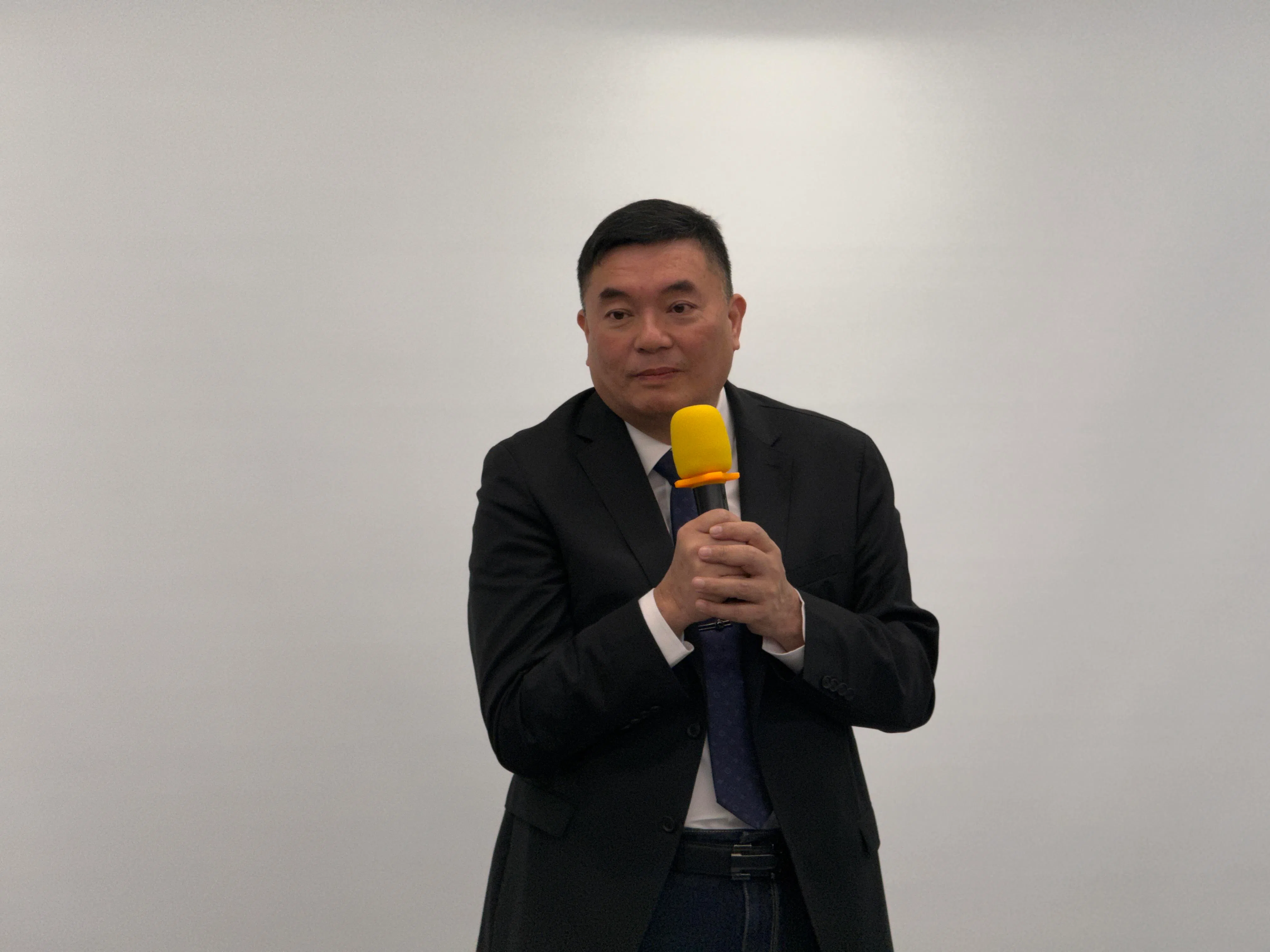
Hung described the scholars’ September discussions in Beijing as “testing the waters”. He said Beijing’s Taiwan policy had two main strands: “One is called ‘exercising control before reunification’, and the other is ‘integration with Taiwan’.” The former seeks to demonstrate substantive jurisdiction before reunification, including law enforcement in surrounding waters and punishment of “Taiwan independence” activities. The latter focuses on Fujian, seeking to appeal to the Taiwanese people through measures to engage, enhance daily conveniences and improve transport infrastructure.
Meanwhile, during talks with US President Donald Trump in Washington on 24 September, Xi called for efforts to build “constructive strategic stability in China-US relations”, asking the US to oppose “Taiwan independence” and handle the Taiwan issue prudently. US arms sales to Taiwan have been reported to face delays. During the Asia-Pacific Economic Cooperation (APEC) summit in November, Chinese and US leaders may also hold talks with Russian President Vladimir Putin. The potential geopolitical implications have also drawn attention in Taiwan.
Hung believes both China and the US want to buy time to address their domestic issues, and that arms sales to Taiwan and mainland military exercises could be used as leverage, whereby “if you hold exercises, I’ll sell arms”. He stressed, however, that he believed the US would not readily give up the first island chain.
Chang Kuo-cheng, a professor at Taipei Medical University’s Centre for General Education, cautioned that US commitments to Taiwan could change with its leaders’ views and decisions. If the Democratic Party wins a congressional majority in the midterm elections, Trump could respond with more forceful moves. Taiwan, which relies on the US for security but has no formal alliance with it, could bear direct impact.
Chang believes some commitments under the US’ “Six Assurances” to Taiwan are being eroded, including pledges not to consult Beijing on arms sales to Taiwan and not to mediate between the two sides of the Taiwan Strait. After visiting China in May this year, Trump publicly said he had discussed arms sales to Taiwan with Xi, but said he had made no commitments on the Taiwan issue.
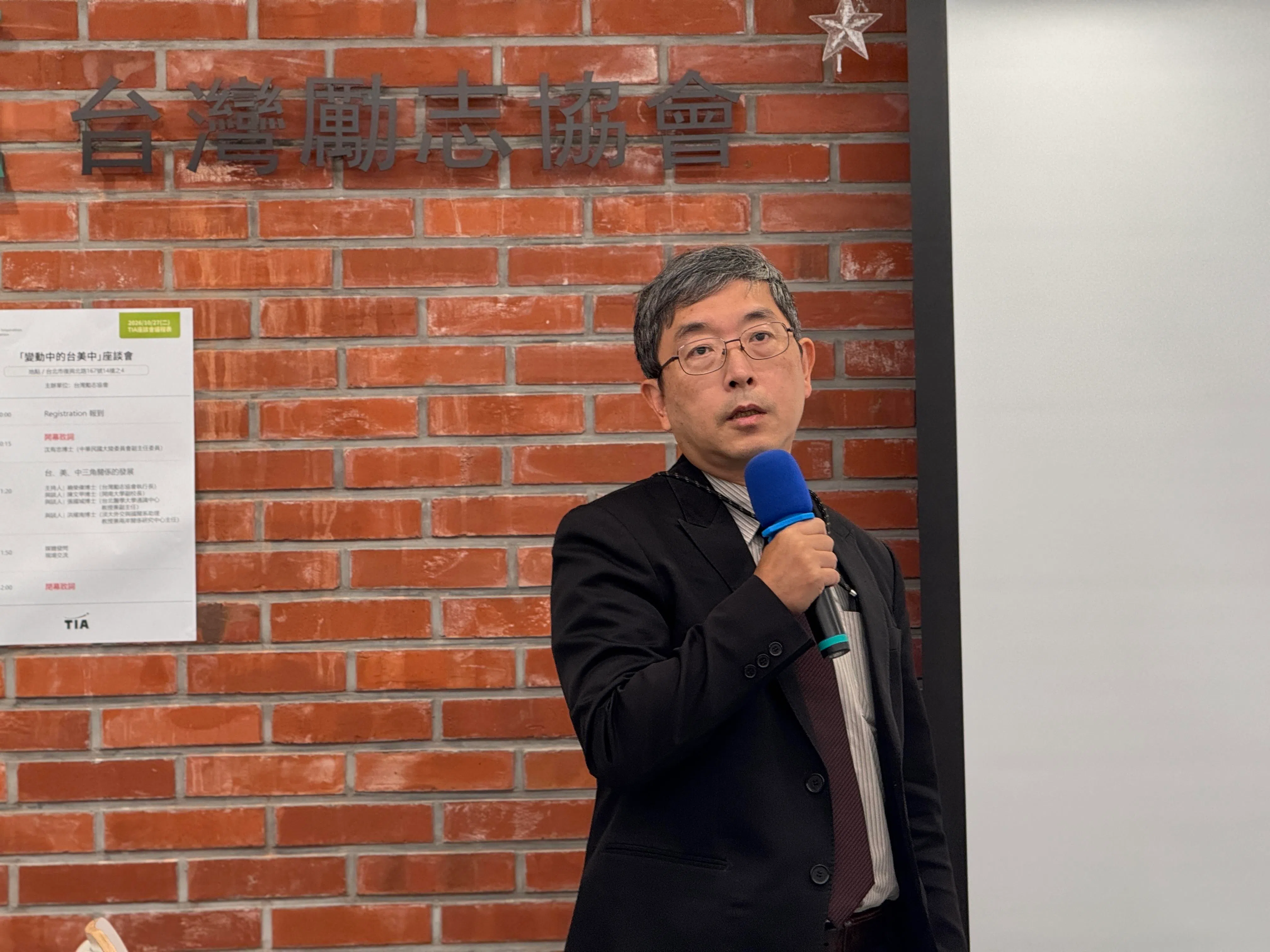
Chang said, in reference to Trump, “Once you start discussing arms sales to Taiwan, regardless of the outcome, the CCP will view this as something that is negotiable.” He believes Beijing might leverage summits and the atmosphere of negotiations to delay arms sales, and there are risks to the view that “the sales will still go ahead, just later”.
Although US Secretary of State Marco Rubio told Congress in June that the US would not consult Beijing on arms sales and that its Taiwan policy had not changed, Chang cited Trump’s pressure on Ukraine during the Russia-Ukraine war as grounds for concern that US commitment to refrain from mediating between the two sides of the Taiwan Strait could shift.
Furthermore, Chang noted that even if arms sales were approved, limits to US defence production capacity could still pose risks to delivery. He stressed, “Taiwan-US relations cannot be viewed through an outdated lens.”
