


Responding to a question from Lianhe Zaobao, Huang Jianfa, the deputy head overseeing day-to-day work at the Communist Party of China (CPC) Central Committee’s Organisation Department, said rigorous party governance and encouraging officials to take responsibility and act are inherently consistent. “Strictness is not about stifling everyone,” he said. Rather, it is about creating a clean and upright political environment within the party, standing behind those who take responsibility and backing those who get things done.
The CPC Central Committee held a press conference on Friday (30 October) following the conclusion of the 20th Central Committee’s fifth plenary session. Attending and taking questions were Zhang Fuhai, deputy secretary of the Central Commission for Discipline Inspection and vice-chairman of the National Commission of Supervision; Huang Jianfa, the deputy head overseeing day-to-day work at the Central Committee’s Organisation Department; Hu Heping, the deputy head overseeing day-to-day work at the Central Committee’s Publicity Department; Tang Fangyu, director of the Central Committee’s Policy Research Office; and Xie Chuntao, the vice-president overseeing day-to-day work at the Central Party School (National Academy of Governance).
Lianhe Zaobao journalist Sim Tze Wei asked how the Central Committee would prevent officials from becoming afraid to act or failing to act for fear of being held accountable, while continuing to strengthen discipline and fight corruption, and how it would further develop mechanisms to encourage officials to take responsibility and act.
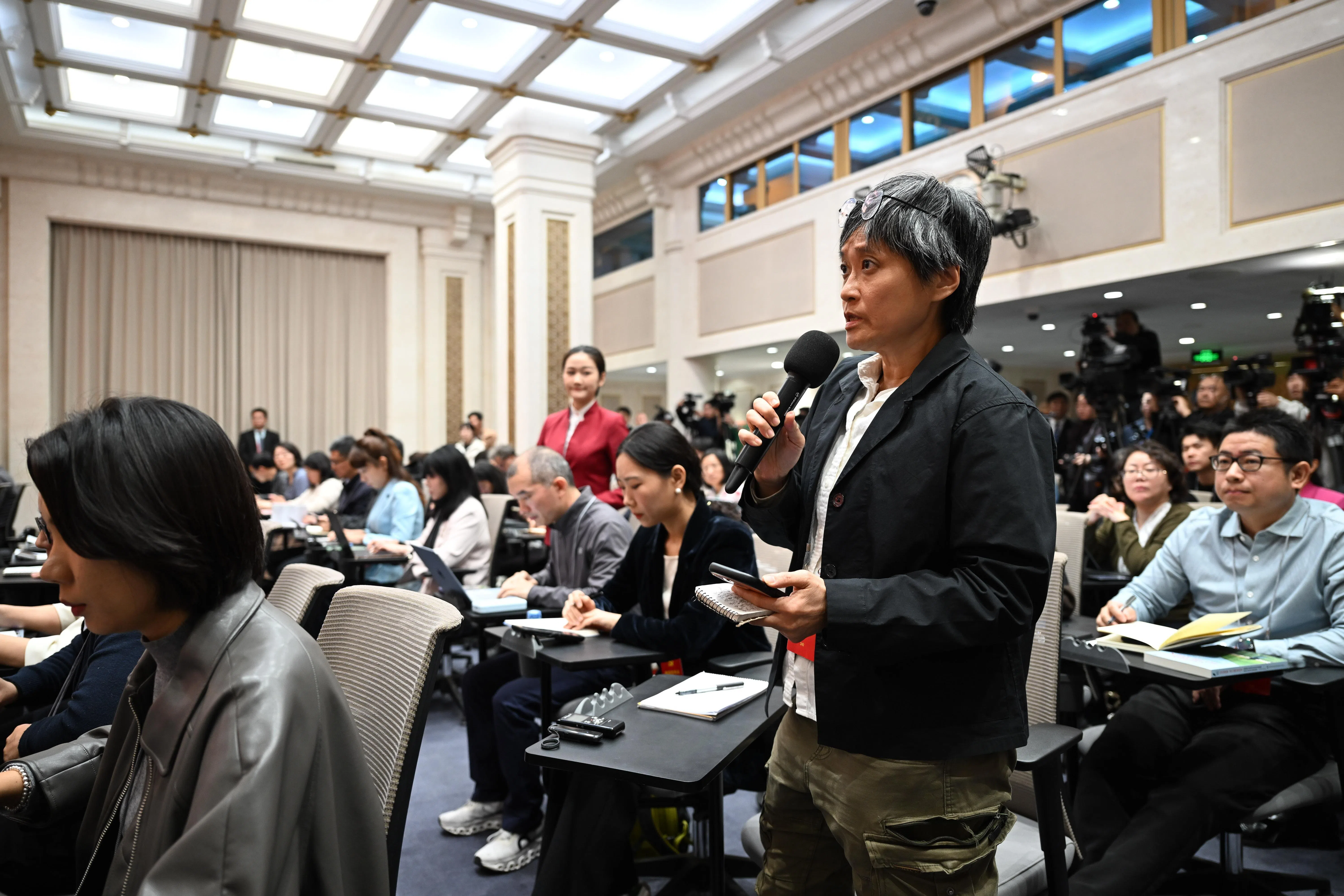
Huang replied that since the CPC’s 18th National Congress, the party had upheld its standards for good officials in the new era, exercised strict oversight of officials, regulated their duties and powers, and clearly defined boundaries that must not be crossed. It had guided officials to pursue reform, innovation and initiatives while observing rules and discipline, helping the party and the country achieve historic accomplishments and undergo historic changes. This fully demonstrated that rigorous party governance and encouraging officials to take responsibility and act were inherently consistent, he said.
He said strictness was not about stifling everyone, but about setting a clear direction, establishing rules, promoting integrity and strengthening foundations to create a clean and upright political environment within the party, and conditions that encourage officials to take initiative and get things done. “Our work has brought home to us that strict oversight is a form of care. For officials, strict oversight is both a constraint and a safeguard. It means taking genuine responsibility for their welfare.”
He said severely punishing officials who had become corrupt also encouraged and protected good officials.
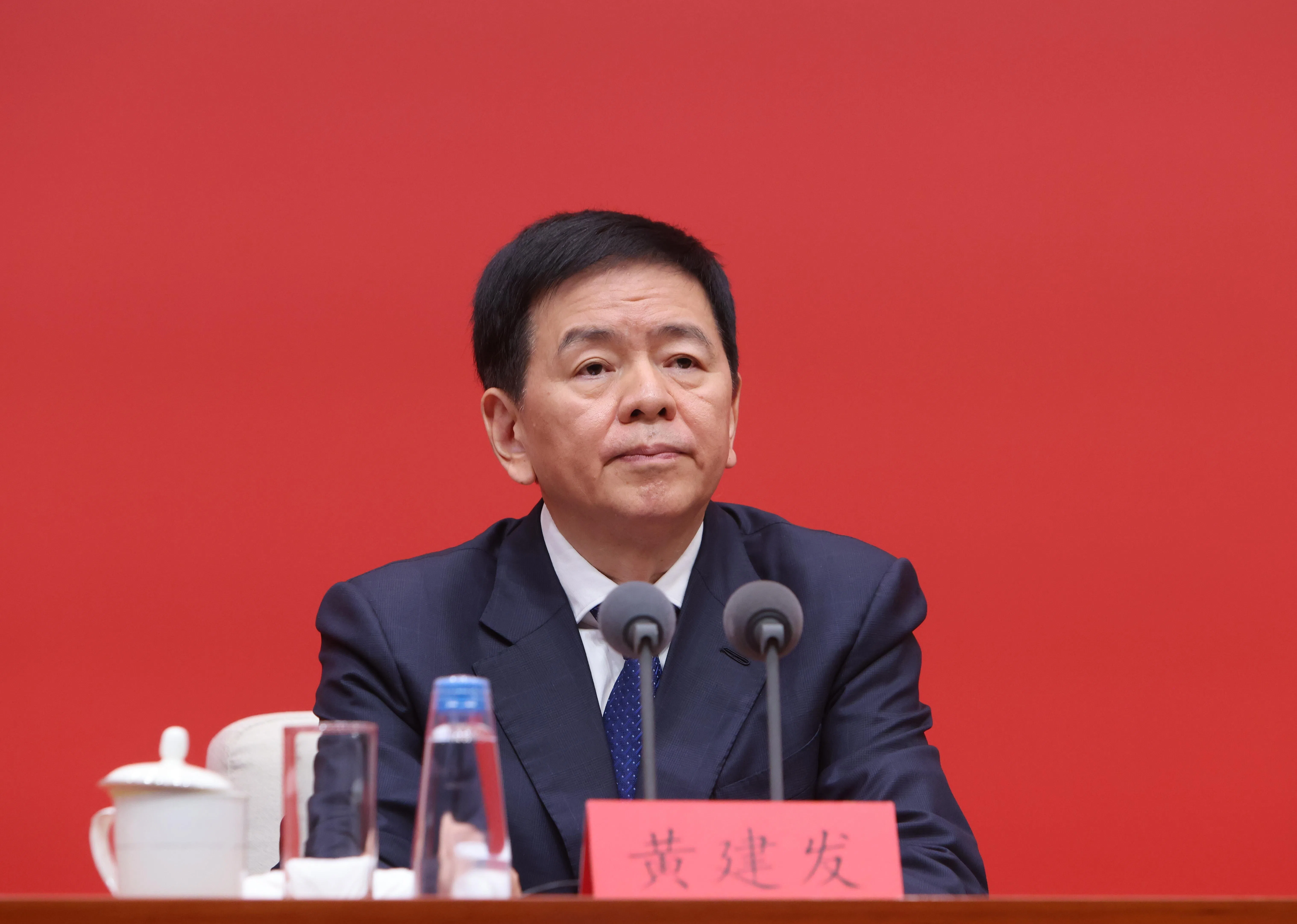
Huang acknowledged that some party members and officials failed to act or acted improperly, for a complex range of reasons. Some lacked motivation and were unwilling to act; others feared things going wrong and did not dare to act; and still others lacked the necessary capabilities. “These problems must be taken very seriously and effectively addressed.”
He said the decision adopted at the plenum set out major measures to encourage officials to take responsibility and act, covering three main areas.
First, upholding the right approach to appointments is the greatest incentive for officials. Selection and appointment practices should prioritise a willingness to take responsibility, with the right approach to appointments setting the direction for officials to take initiative and get things done.
Second, mechanisms for assessing officials should be improved, including performance assessments for promoting high-quality development. Effective mechanisms should be strengthened to prevent and correct misguided views of what constitutes achievement in office, and efforts to tackle inaction and improper conduct should be deepened. This would address the problem of officials being treated alike regardless of whether they work, how much they do or how well they perform. At the same time, role models should be used to motivate officials, helping them identify where they fall short and giving them a clear direction for improvement.
Third, policies to support and care for officials, particularly those at the grassroots level, should be implemented. This includes helping them resolve practical difficulties and paying attention to their physical and mental health, so that they can feel secure in their lives and work, while continuing to improve mechanisms to incentivise and protect officials who take responsibility and act.
Huang stressed: “Officials take responsibility for the cause, and the organisation takes responsibility for officials. This is our unequivocal position and clear requirement.”
He said the decision emphasised rigorously investigating and dealing with false accusations and attempts to frame others, and promptly clarifying the facts and clearing officials’ names. The aim was to truly stand behind those who take responsibility, take responsibility for those who fulfil their duties, and back those who get things done, so that willingness, courage and the ability to take responsibility become the norm.
