

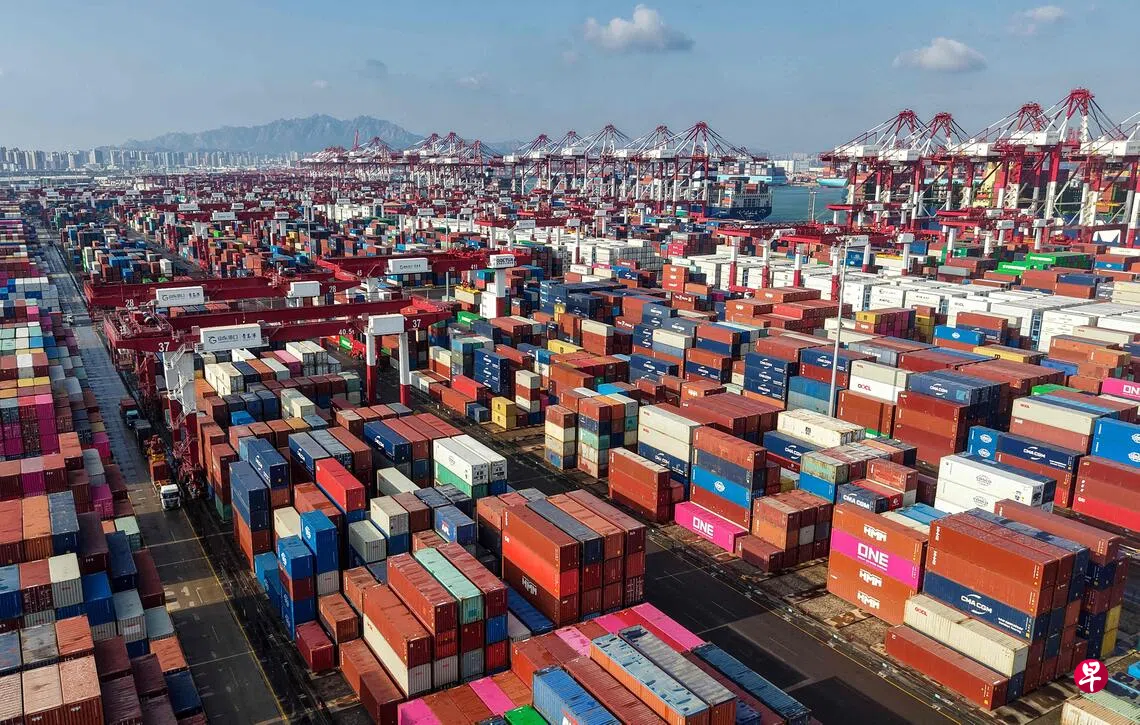
China’s plastics export boom, fuelled by the Middle East war, is fading as pre-war inventories run out and raw material costs rise. Third-quarter export volumes fell to less than half their spring peak, squeezing producers’ margins or pushing them into losses and leaving them once again under pressure from overcapacity.
China, the world’s largest plastics producer, saw its combined exports of polypropylene (PP) and polyethylene (PE) surge 175.2% year on year to 2.85 million tonnes in the second quarter, before halving quarter on quarter to 1.42 million tonnes in the third quarter, according to Reuters calculations based on Chinese customs data.
The US and Israeli war against Iran disrupted supplies of petrochemical feedstocks such as naphtha and liquefied petroleum gas shipped through the Strait of Hormuz. This constrained production across parts of Asia, temporarily creating export opportunities for Chinese producers.
Yuxing Wang, an analyst at consultancy JLC, said feedstock shortages forced producers in Japan, South Korea and Singapore to cut operating rates and declare force majeure, prompting buyers in Indonesia, India and Vietnam to turn to China for supplies.
Other analysts said China was able to fill the supply gap thanks to its lower-cost ethane-based production processes, still-profitable coal-based chemical production and pre-war inventories. The export surge also tightened domestic supplies in the second quarter and pushed up prices, temporarily easing the oversupply and depressed prices caused by years of industry expansion.
Coal-based chemicals producer Baofeng Energy said its olefin exports rose sharply in the first half, with export prices 12% higher than those in the domestic market. PetroChina said polypropylene exports from its northeastern chemicals sales division tripled year on year from January to April this year.
But Kpler senior analyst Huibin Loo said production margins began to come under pressure in the second half as pre-war inventories ran out and producers faced higher feedstock costs.
JLC data showed that polypropylene exports were profitable mainly from late February to mid-to-late June, while polyethylene exports were profitable mainly from mid-March to mid-July.
Yuxing Wang noted that while exports had reduced inventories and supported prices, they could not, on their own, reverse the supply-demand imbalance in China’s market. “Exports have helped ease pressure on the domestic market, but their impact is limited and has been overstated.”
JLC expects polypropylene and polyethylene exports to grow moderately over the next two years, with combined annual exports projected to reach 7 million to 10 million tonnes.
Yuxing Wang said exports at that level would keep China a net exporter of polypropylene and reduce its reliance on polyethylene imports from about 30% in 2025 to 20%–25%. However, this would still be insufficient to bring supply and demand into a tight balance across the industry.
