

Taiwan’s nine-in-one local elections will take place on 28 November, with the blue, green and white camps — led by the Kuomintang (KMT), Democratic Progressive Party (DPP) and Taiwan People’s Party (TPP) respectively — entering the final stretch. From the showdown between the KMT and DPP mayoral candidates in Taipei to KMT-TPP cooperation in New Taipei, these elections will determine not only who governs locally, but also test the strength of the three major parties.
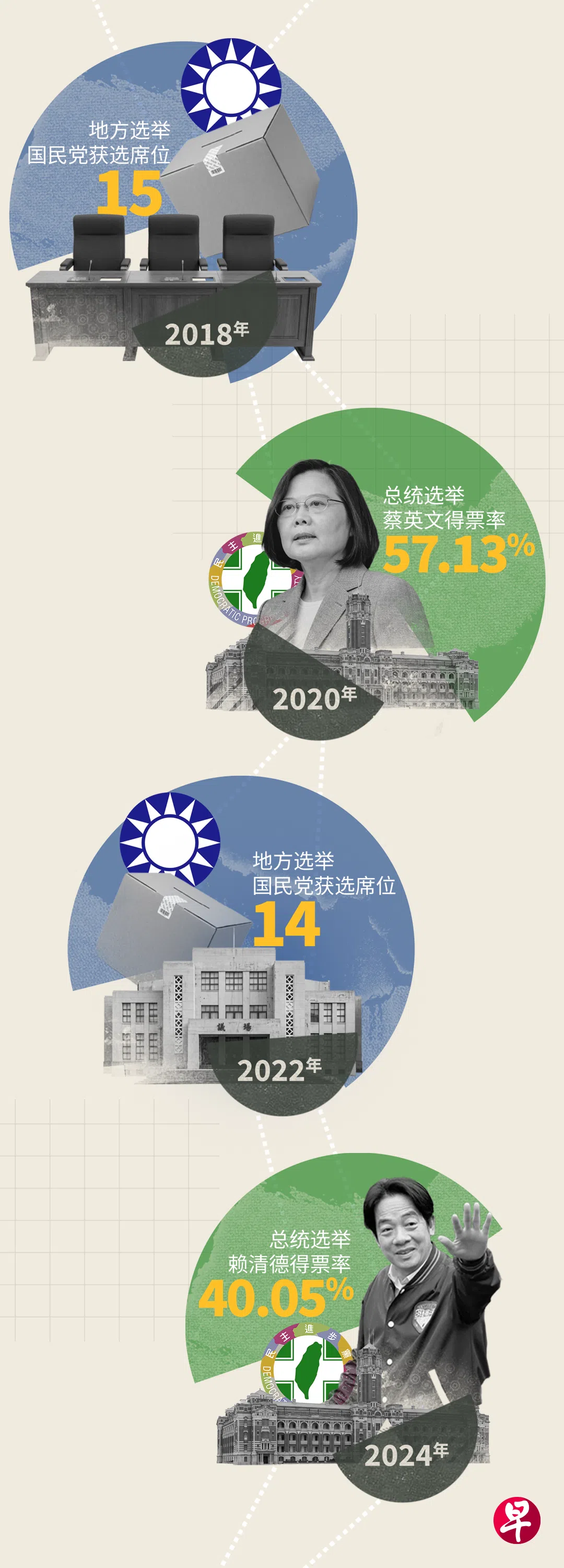
In 2022, the KMT swept the nine-in-one elections, winning control of 13 counties and cities. The DPP suffered a crushing defeat, retaining just five. Yet the presidential election two years later brought a reversal, with the DPP’s Lai Ching-te emerging victorious.
Can the DPP regain lost ground this time, and can the KMT hold on to its local strongholds? Can cooperation between the KMT and TPP produce results greater than the sum of their parts? And how will these local elections, seen as a “midterm test” for Lai, shape the 2028 presidential and legislative races?
Watch this episode of World Explained for a closer look at the political manoeuvring and key battlegrounds in Taiwan’s nine-in-one elections.
Video content
00:00 Countdown to Taiwan’s nine-in-one elections: Who can bounce back, and who could lose ground?
00:56 Can Lai Ching-te pass his “midterm test”?
03:03 Do personal ties or political beliefs matter more in the nine-in-one elections?
04:57 DPP seeks a breakthrough, KMT defends its strongholds, TPP looks for a way forward
08:00 “Shen wave” sweeps Taipei as New Taipei and Taichung become key battlegrounds
12:01 How could the nine-in-one elections shape strategies for the 2028 presidential and legislative races?
All three camps under intense pressure
For the ruling DPP, these nine-in-one elections are not only a “midterm test” following Lai’s inauguration, but also an opportunity to expand its local foothold.
The director of the Sun Yat-Sen University, Taiwan Institute of China and Asia-Pacific Studies, Kuo Yu Jen, told World Explained that these elections amount to a vote of confidence in the DPP after ten consecutive years in power.
The KMT faces the twin pressures of defending its strongholds and handing over to a new generation of leaders. With New Taipei Mayor Hou Yu-ih and Taichung Mayor Lu Shiow-yen reaching the end of their terms, a key test will be whether the party’s nominees can build on their governing records and win voters’ support.
The TPP hopes cooperation with the KMT will help it overcome its relatively weak grassroots organisation and expand its local influence.
Fierce contests in Taipei and New Taipei
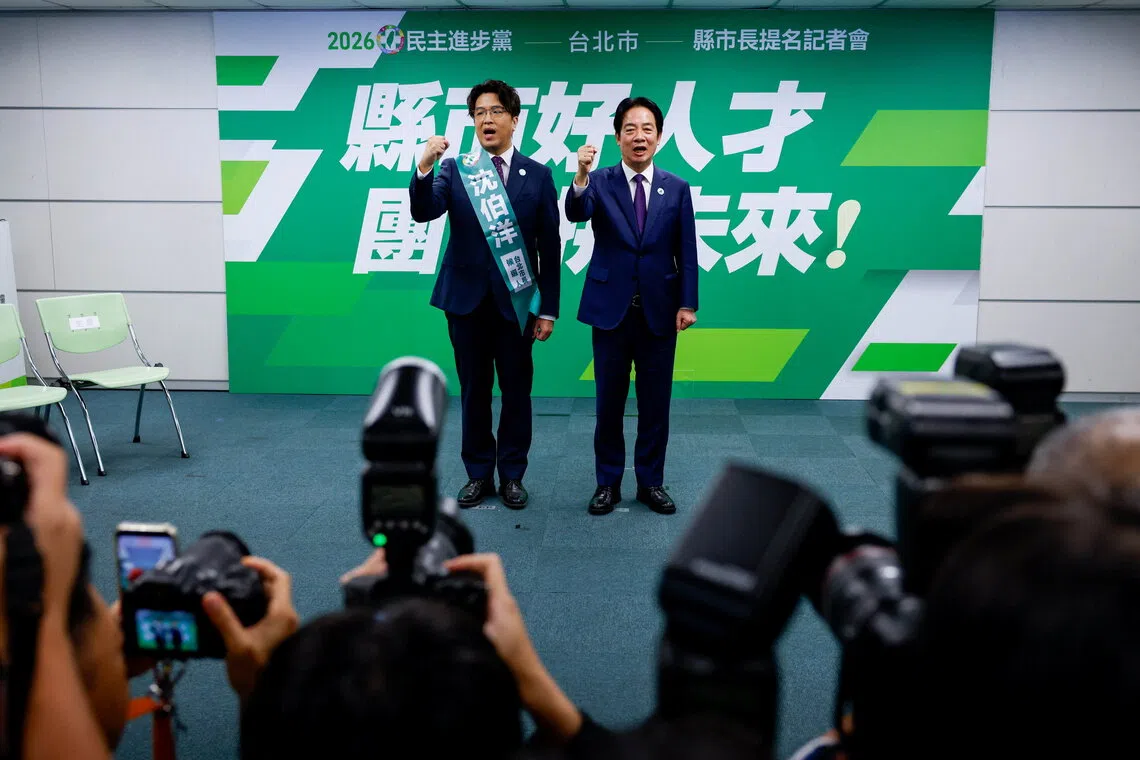
In Taipei, incumbent Chiang Wan-an is seeking re-election against the DPP’s Puma Shen. Shen’s rising popularity has recently been dubbed the “Shen wave”. Whether he can turn that momentum into votes will be key to the DPP’s hopes of wresting Taipei from the KMT.
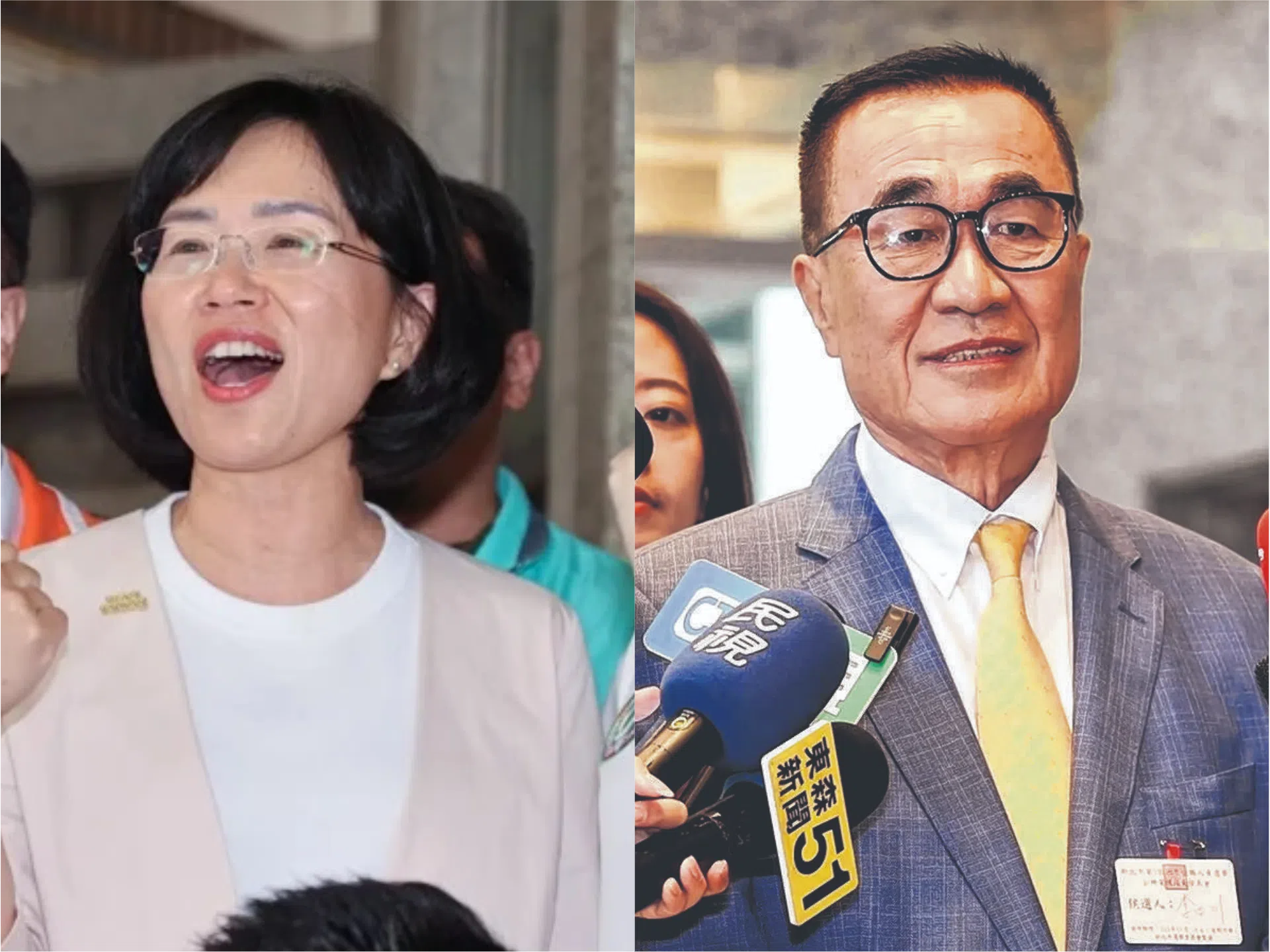
New Taipei is a testing ground for KMT-TPP cooperation. Through a coordination process, the TPP has agreed to back the KMT’s Li Ssu-chuan against the DPP’s Su Chiao-hui. Whether this cooperation ultimately translates into an electoral advantage is being closely watched.
How will the nine-in-one elections affect presidential and legislative races?
The nine-in-one elections have long been seen as a bellwether for presidential contests. But the past two election cycles show that local election results do not necessarily predict the outcome of a presidential race.
At Taiwan Normal University, Graduate Institute of Political Science professor Paul Chu Chao Hsiang told World Explained that local elections place greater emphasis on livelihoods, grassroots connections and practical governance, while presidential elections involve different considerations, including political beliefs. The results of the 2026 nine-in-one elections therefore cannot be used to directly predict the outcome of the 2028 presidential election.
Kuo Yu Jen, however, noted that county and city leaders control local administrative resources and can also provide organisational and mobilisation support for legislative candidates from their own parties. The results of these nine-in-one elections could therefore shape the 2028 legislative races.
In other words, the results on 28 November may not indicate who will take the presidency in 2028, but they could lay the groundwork for the political balance in the next Legislative Yuan.
