

Taiwan’s nine-in-one local elections have concluded, with the Kuomintang (KMT) retaining the New Taipei mayoralty but falling one seat behind the Democratic Progressive Party (DPP) in the city council election, short of a majority. The Taiwan People’s Party (TPP) and independent councillors will be pivotal in the election of the council’s speaker and deputy speaker. New Taipei mayor-elect Li Shu-chuan of the KMT stressed that cooperation between the KMT and TPP would not change after the elections and would extend to the city council.
According to Taiwan’s ETtoday and United Daily News, the DPP won 31 of the 68 seats in the incoming New Taipei City Council, becoming its largest party. The KMT secured 30 seats, while the TPP and independents took three and four seats respectively, leaving no party with an outright majority.
With 35 seats needed for a majority, the KMT and TPP would hold a combined 33 seats if they continued their cooperation from the mayoral election. They would need the support of just two independent councillors to cross the threshold. The DPP would need four more votes to secure a majority.
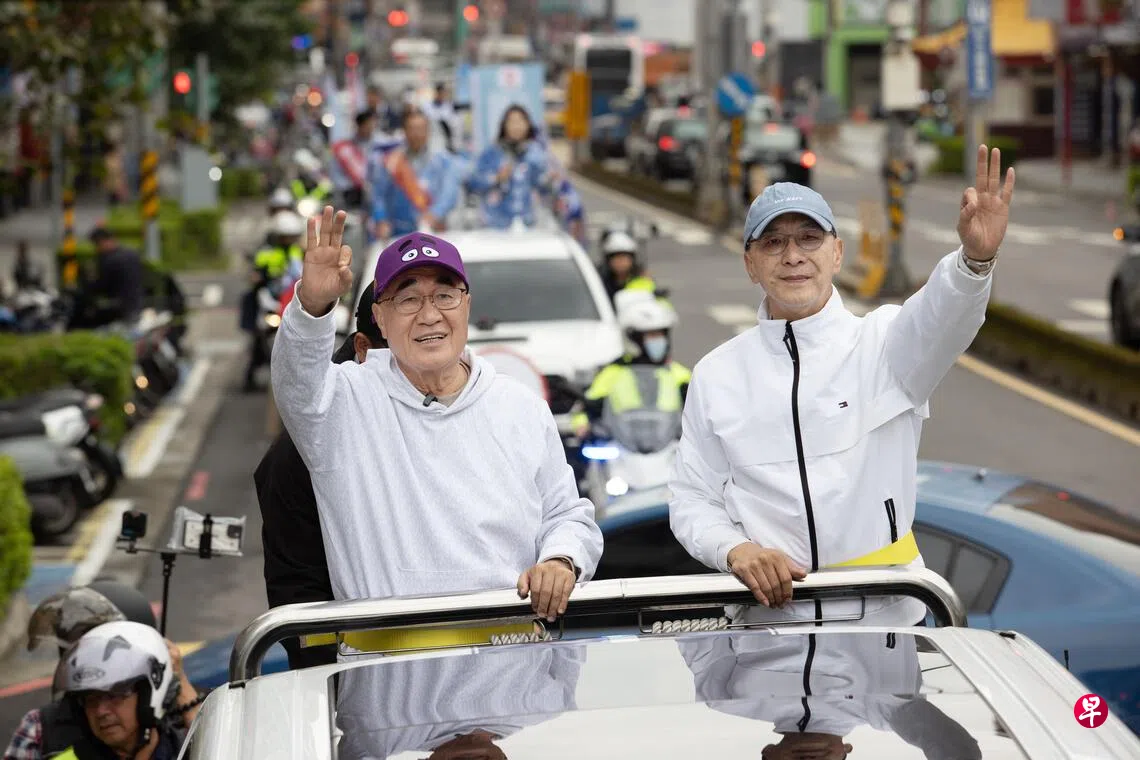
Speaking to reporters during a tour to thank voters on Sunday (29 November), Li said his cooperation with TPP chairman Huang Kuo-chang and the party’s council candidates had remained unchanged before and after the elections. He stressed: “Of course, the KMT and TPP will definitely cooperate in the council.”
Li also said he was confident of working not only with the TPP but also with independent councillors and those from other friendly parties to advance New Taipei’s development.
The TPP, however, has yet to make its position clear on the election of the speaker and deputy speaker. TPP New Taipei city councillor Chen Shih-hsuan said the election results had enabled the party to form a caucus in the council for the first time, reflecting residents’ desire for a third political force in the chamber.
He stressed that, for the TPP, the speaker election was not about political horse-trading but whether the various parties’ policies and principles aligned. The TPP would keep an open mind, and its three councillors would discuss the matter with Huang.
The DPP is also seeking support from independent councillors. A DPP party affairs official said that although some independents had previously had closer ties with the KMT, they had interacted frequently with DPP New Taipei mayoral candidate Su Chiao-hui during the election campaign. As the independents would not necessarily take a unified position, the DPP still had room to contest the speaker and deputy speaker posts.
The official acknowledged, however, that the Non-Partisan Solidarity Union had traditionally favoured working with the party controlling the city government. With a model of KMT-TPP cooperation already established in New Taipei, the DPP still faced considerable challenges in making a breakthrough in the election of the speaker and deputy speaker.
The incoming New Taipei city councillors are scheduled to be sworn in on 25 December and elect the speaker and deputy speaker that day. With none of the three parties holding a majority, cross-party cooperation will determine not only the outcome of those elections but also Li’s ability to advance his municipal agenda after taking office.
