

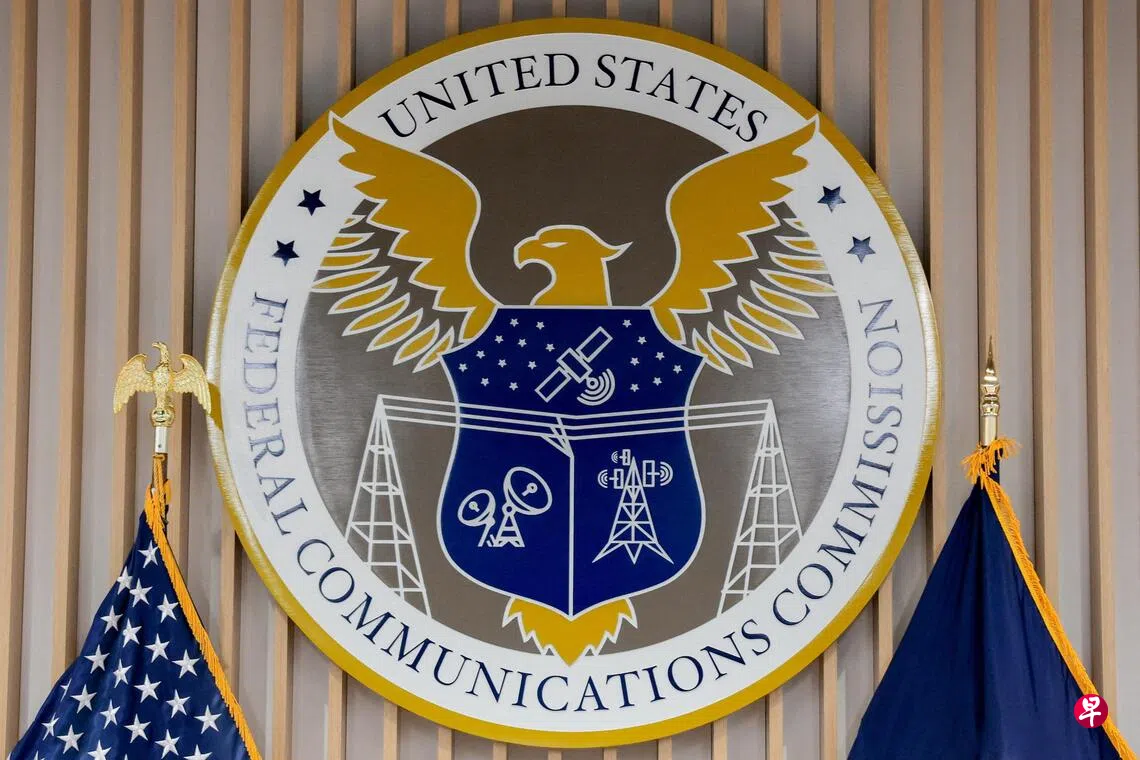
The US Federal Communications Commission (FCC) has approved new rules barring all Chinese laboratories from testing electronic devices bound for the US market, including smartphones, cameras and computers, further expanding earlier restrictions on China. The ban is scheduled to take effect in December 2028.
According to Reuters, the FCC said on Thursday (29 October) that it would bar testing laboratories and certification bodies in China and other countries from carrying out such work because those countries had refused to grant reciprocal treatment to US-based testing laboratories.
FCC chairman Brendan Carr said 82% of electronic products were tested in China in 2025, despite China not having signed a relevant agreement with the US. He also noted that only about 4% of electronic devices are currently tested in US laboratories.
Carr said these laboratories were critical gateways into US communications infrastructure, and “their privileged role gives them access to sensitive and confidential information about electronic products often months before the devices enter the market”.
He added that these laboratories could “allow insecure gear into the US market, disrupt communications networks, or even steal intellectual property”.
The new rules further expand those restrictions and mark Washington’s latest move against China over technology and equipment. In 2025, the FCC barred laboratories owned or controlled by the Chinese government from testing electronics bound for the US, excluding dozens of laboratories at the time.
The FCC also announced on Thursday that it would vote on 19 November on a proposal to bar China Mobile, China Telecom, China Unicom and other Internet Protocol (IP) service providers from obtaining US telephone numbers directly.
Carr said in a statement: “With this decision, the FCC will be strengthening our first line of defense against bad actors and illegal robocallers.”
More bans are in the pipeline. The FCC also said on Thursday that it planned to bar service providers using equipment from companies such as Huawei and ZTE that had been deemed to “pose a national security risk” from operating.
Responding at a regular press briefing on Friday (30 October), Chinese Ministry of Foreign Affairs spokesperson Guo Jiakun said the US was overstretching the concept of national security and abusing state power to unjustifiably suppress Chinese companies. “China firmly opposes this and expresses strong dissatisfaction,” he said.
Guo said the US measures seriously hindered normal economic and trade exchanges between Chinese and US companies and were not in the interests of any party, including American businesses and consumers.
“China will take necessary measures to resolutely safeguard its legitimate rights and interests.”
