

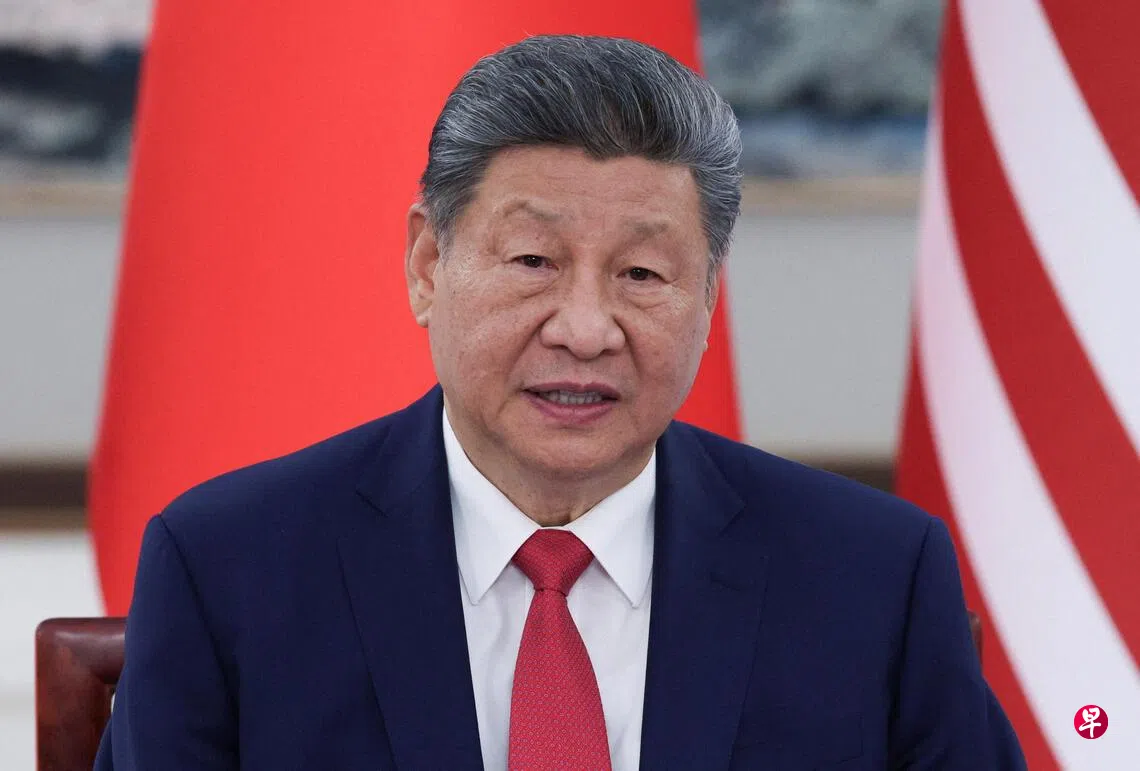
Chinese President Xi Jinping said after a historic summit with the Russian and US presidents that the three countries shared the same views on maintaining world peace, stressing that “as long as dialogue continues and the door remains open, there is hope for peace”.
According to Xinhua, Xi met Russian President Vladimir Putin and US President Donald J. Trump in Shenzhen on Thursday (19 November) and outlined the main points of consensus reached at the summit.
Xi described the summit as positive, constructive and fruitful, saying the three countries shared the same views on maintaining world peace. He said all three leaders remembered their countries’ history of fighting side by side during the Second World War and stressed the need to cherish the hard-won peace. They also agreed that major powers should take all countries’ legitimate security concerns seriously.
He noted that all three countries regarded dialogue and negotiation as the right way to resolve differences. “As long as dialogue continues and the door remains open, there is hope for peace.”
Xi also said all three countries believed cooperation was essential to addressing challenges. They should strengthen cooperation based on shared interests to promote peace and achieve mutually beneficial outcomes. “The seeds sown at today’s trilateral summit will surely take root, sprout, blossom and bear fruit.”
Xi concluded by calling on China, Russia and the US to implement the consensus reached at the summit and continue strengthening communication. He urged them to build consensus through dialogue, meet challenges with a sense of responsibility and promote peace through cooperation, working together to build a better world.
The first-ever trilateral summit between the leaders of China, Russia and the US took place at Qilin Villa in Shenzhen on Thursday afternoon and lasted about 90 minutes. The three countries issued a joint declaration on peace after the meeting, reaching consensus on issues including advancing UN reform, ensuring energy supplies, respecting the immunity of state officials, reducing nuclear risks and preventing nuclear proliferation.
