

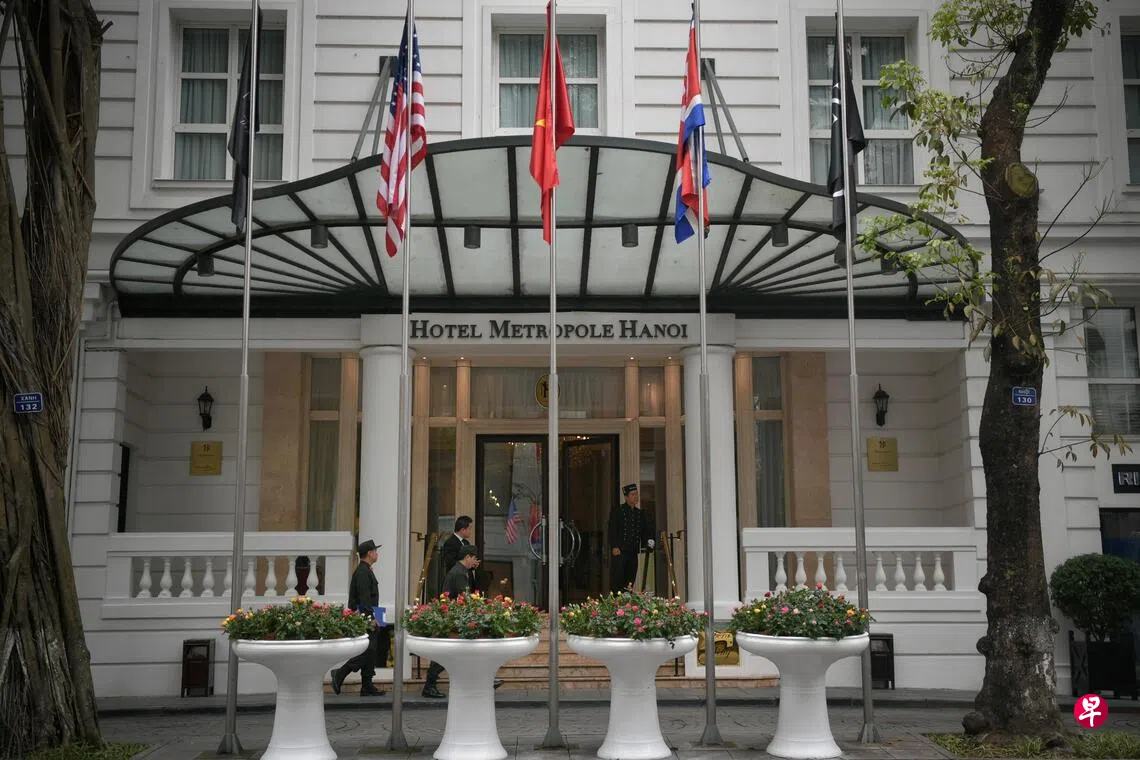
(Hanoi, Bloomberg) Vietnam is courting wealthy travellers to drive growth in high-end tourism, as its capital Hanoi welcomes a new wave of luxury hotel openings. The 125-year-old Sofitel Legend Metropole in the city centre, which dominated the market for decades, now faces fresh competition as leading international hotels move in.
In recent months, high-end brands including Fairmont, The Theodore and Shilla Monogram have opened in Hanoi, with Waldorf Astoria and The Leah Hanoi set to follow.
The Hanoi authorities plan to add at least 10,000 four- and five-star hotel rooms across the city by 2030. With the city's total room count across all categories currently only slightly above 10,000, the move would multiply its supply of upscale accommodation.
At France's Accor SA, Maud Bailly, the chief executive of Sofitel Legend, Sofitel, MGallery & Emblems, said in an interview: “Vietnam has become one of the hottest markets, with Japan. After Covid, we noticed tourism in Asia has become more intra-regional. We had some question marks about Chinese travelers coming back, but in fact the region’s so resilient it’s booming in itself.”
The chief executive officer at Savills Vietnam, Neil MacGregor, noted: Competition will inevitably become more intense as new hotels enter the market. The challenge for operators will be differentiation, rather than an immediate oversupply concern.
Hanoi is targeting total tourism revenue of as much as 340 trillion dong (about S$17.424 billion) by 2030, stepping up its efforts to compete with regional tourism powerhouse Thailand for visitor spending. Official figures show that Vietnam welcomed 17.7 million international visitors in the first nine months of this year, up 14.5% year on year, with China and South Korea its largest source markets.
However, the surge in visitors is also putting pressure on natural landscapes and ecosystems. Coastal destinations such as Phu Quoc, Da Nang and Ha Long Bay face the risk of coastal degradation from excessive resort development.
Jonathan Baker, a UNESCO representative to Vietnam, said: “There are obviously pressures that need to be dealt with. Preserving Vietnamese identity and culture, that’s also a priority.”
Bailly is not worried that competition will undermine the century-old hotel's standing. Instead, she believes it will help establish Hanoi's image as a luxury travel destination. She said: “The more luxury inspirational properties the better. I’m not that much afraid about competition.”
