

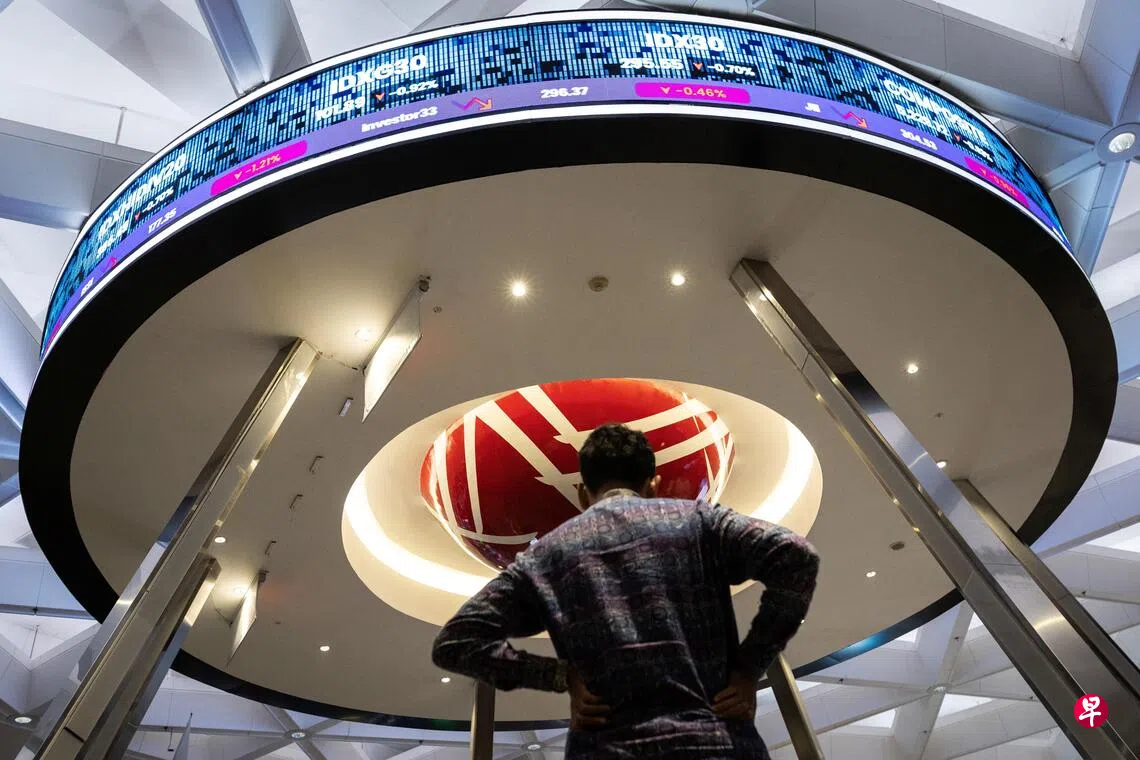
(Jakarta, agencies) Global index provider MSCI’s CEO Henry Fernandez recently held talks with Indonesian President Prabowo Subianto, expressing willingness to consider alternatives to avoid a two-notch downgrade of the country’s stock market. Retaining emerging-market status is expected to help ease heavy selling pressure on Indonesian stocks, which have plunged about 40% this year, and the rupiah, which has fallen to a record low.
Bloomberg, citing people familiar with the matter, reported that Fernandez spoke to Prabowo Subianto by telephone for more than an hour on 10 November. The call was arranged by Bridgewater Associates founder Ray Dalio, an informal adviser to the Prabowo Subianto administration. During the call, Fernandez said MSCI would not necessarily downgrade Indonesia and would continue to advise Indonesian officials on meeting its requirements.
Specific measures include removing people with political ties from the board of the Financial Services Authority to prevent conflicts of interest; improving communication with international investors; setting clear rules to address issues such as excessive shareholding concentration; and clarifying the criteria and timing for changes to the constituents of the LQ45 Index, which comprises Indonesia’s 45 most liquid stocks. Prabowo Subianto pledged to strengthen market oversight and enforcement.
In the middle of last month, MSCI said Indonesia’s stock market reforms had fallen short, with problems including opaque ownership structures, suspected coordinated trading and weak enforcement persisting. It planned to downgrade the market by two notches, from “emerging market” to “standalone market”.
After taking office in October 2024, Prabowo Subianto introduced costly social welfare programmes, prompting investors to pull out over concerns about a surge in government borrowing. The war in Iran has also driven up oil prices, adding to the burden on Indonesia’s economy, which relies heavily on oil imports.
In addition, the Indonesian government imposed export controls on key commodities in May this year, while parliament expanded its oversight of the central bank in June. These moves fuelled market concerns about growing government intervention and erosion of the central bank’s independence. Abrupt personnel changes, including the sudden resignation of central bank governor Perry Warjiyo and the dismissal of finance minister Purbaya Yudhi Sadewa, further shook market confidence.
