

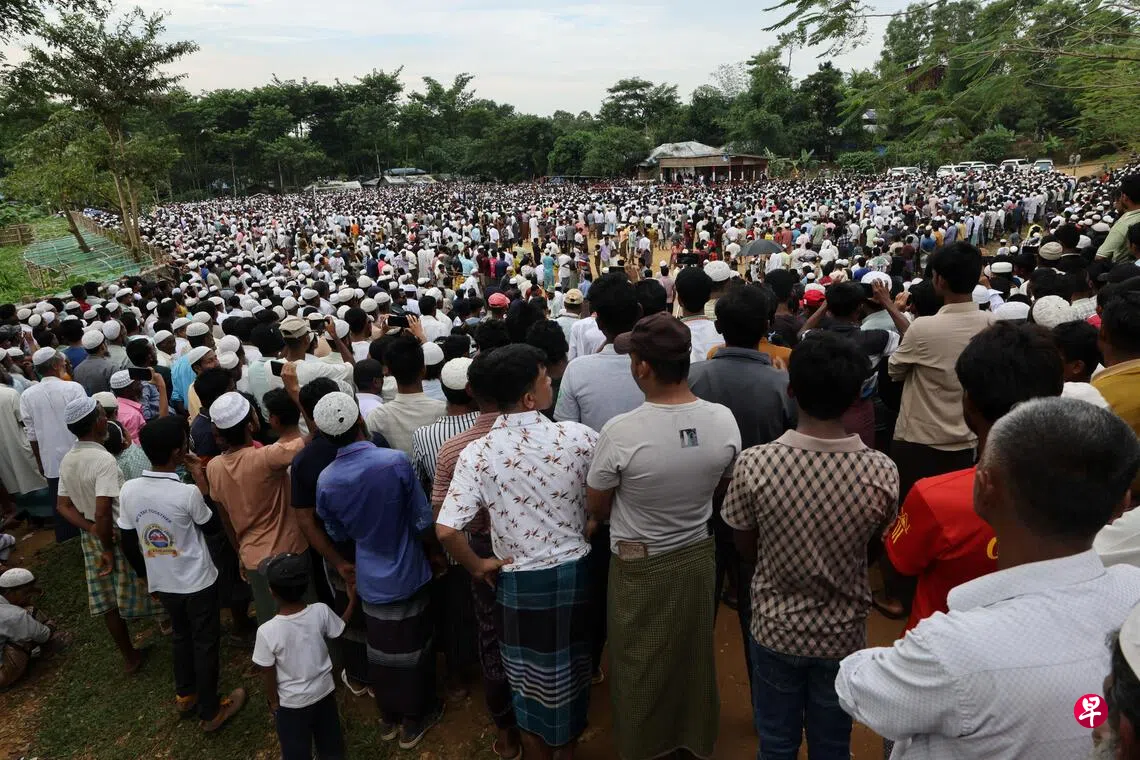
(Washington/Brussels/Cox’s Bazar/Kuala Lumpur, agencies) The International Court of Justice’s ruling that Myanmar committed state-backed genocide against the Rohingya has drawn mixed international reactions. The US responded cautiously, saying it was studying the ruling while stressing the need to avoid “politicising” the court. The EU called it a landmark ruling, while Myanmar’s government criticised it as unfair, stressing that six of the 15 judges disagreed with it.
A US State Department spokesperson expressed support for the people of Myanmar on Thursday (19 November) and called on the international community to share responsibility for providing humanitarian assistance to Rohingya refugees. He said interpreting the Convention on the Prevention and Punishment of the Crime of Genocide correctly was essential, but stressed that “preventing the politicisation of the International Court of Justice is equally essential”. He added that the US was studying the ruling and fully assessing its implications.
AFP noted that the US had determined as early as 2022 that Myanmar had committed genocide against the Rohingya. Its cautious response this time may reflect its opposition to another case recently heard by the court, in which South Africa accuses US ally Israel of committing genocide in the Gaza Strip. Both Israel and Myanmar deny committing genocide and say their actions were legitimate responses to attacks by armed groups.
In a statement on the ruling, an EU spokesperson said: “The Rohingya people have endured immense suffering, including displacement and violence, and their plight must not be forgotten. This landmark ruling underscores the urgency of securing justice for victims and the need to uphold international law.”
Amnesty International praised the ruling for breaking through years of denial and impunity by Myanmar’s authorities. Hunter and Ali, co-chairs of the UK parliamentary group on Myanmar, urged the UK government to reinstate sanctions against Myanmar’s military and push for a binding enforcement resolution at the UN Security Council.
Chinese Ministry of Foreign Affairs spokesperson Guo Jiakun told a regular press briefing that the Rakhine State issue had a highly complex historical, ethnic and religious background and required a comprehensive and measured approach. The court’s ruling would not help resolve the dispute, he said. International judicial bodies were important instruments for upholding international fairness and justice, making it all the more important that they exercise their powers prudently and in accordance with the law. China had concerns about issues such as jurisdictional overreach and expansive interpretations, he added.
Chinese judge Xue Hanqin, who sat on the case, voted in Myanmar’s favour on all but one point of the ruling.
Myanmar presidential office spokesperson Kyaw Kyaw Soe told a press conference that the court’s decision was reached by nine votes to six. “Looking at the outcome, not all 15 judges agreed. This was not a unanimous ruling. I think it is unfair.”
Refugees in Bangladesh hope for a safe return home
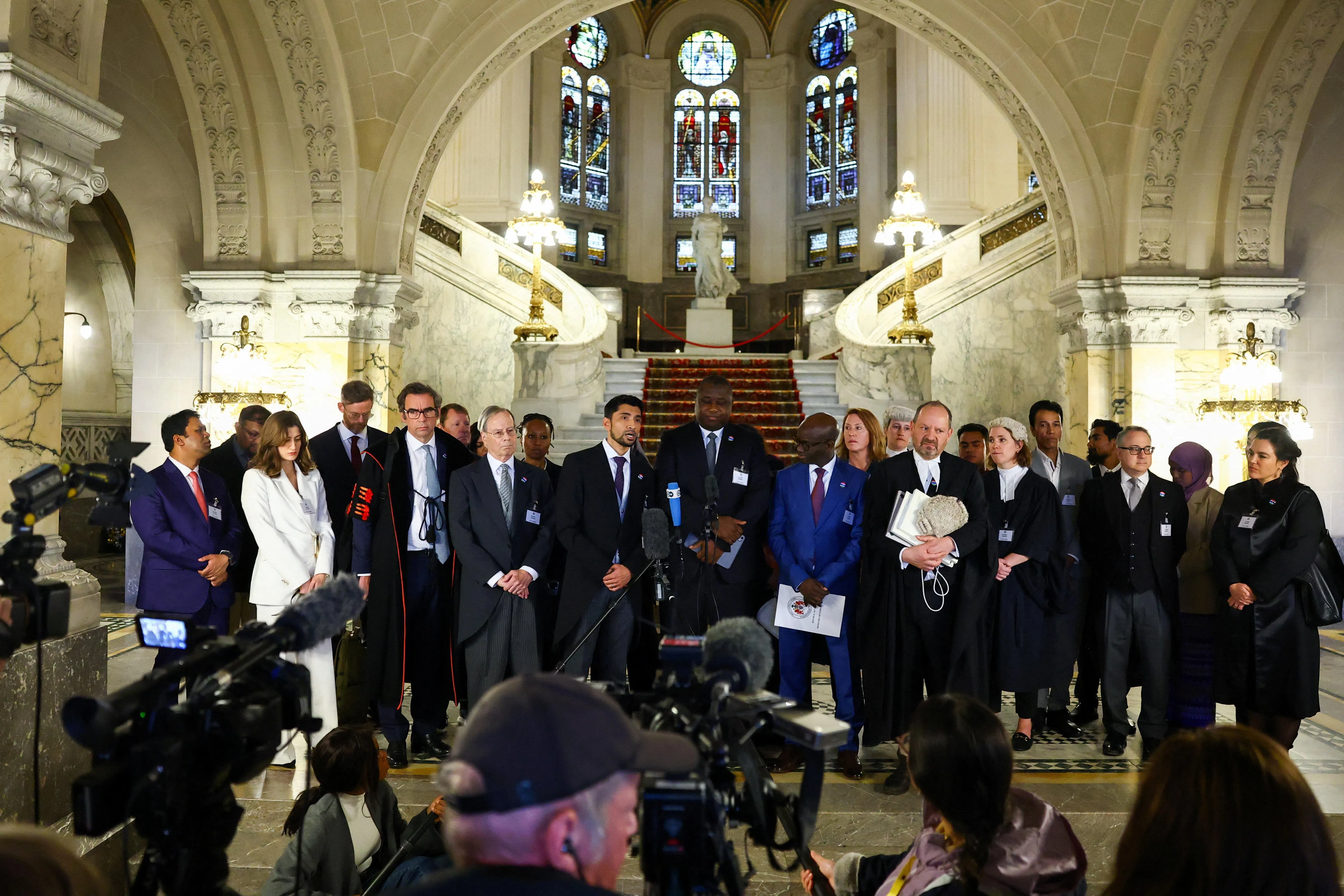
After seven years of proceedings, the International Court of Justice delivered its ruling on Thursday in the case brought by The Gambia accusing Myanmar of genocide against the Rohingya.
In delivering its ruling, the court also ordered Myanmar to ensure the safe return of Rohingya refugees, compensate victims and prosecute those suspected of committing genocide. However, with the court lacking any means of enforcement, it remains to be seen how far these orders will be implemented.
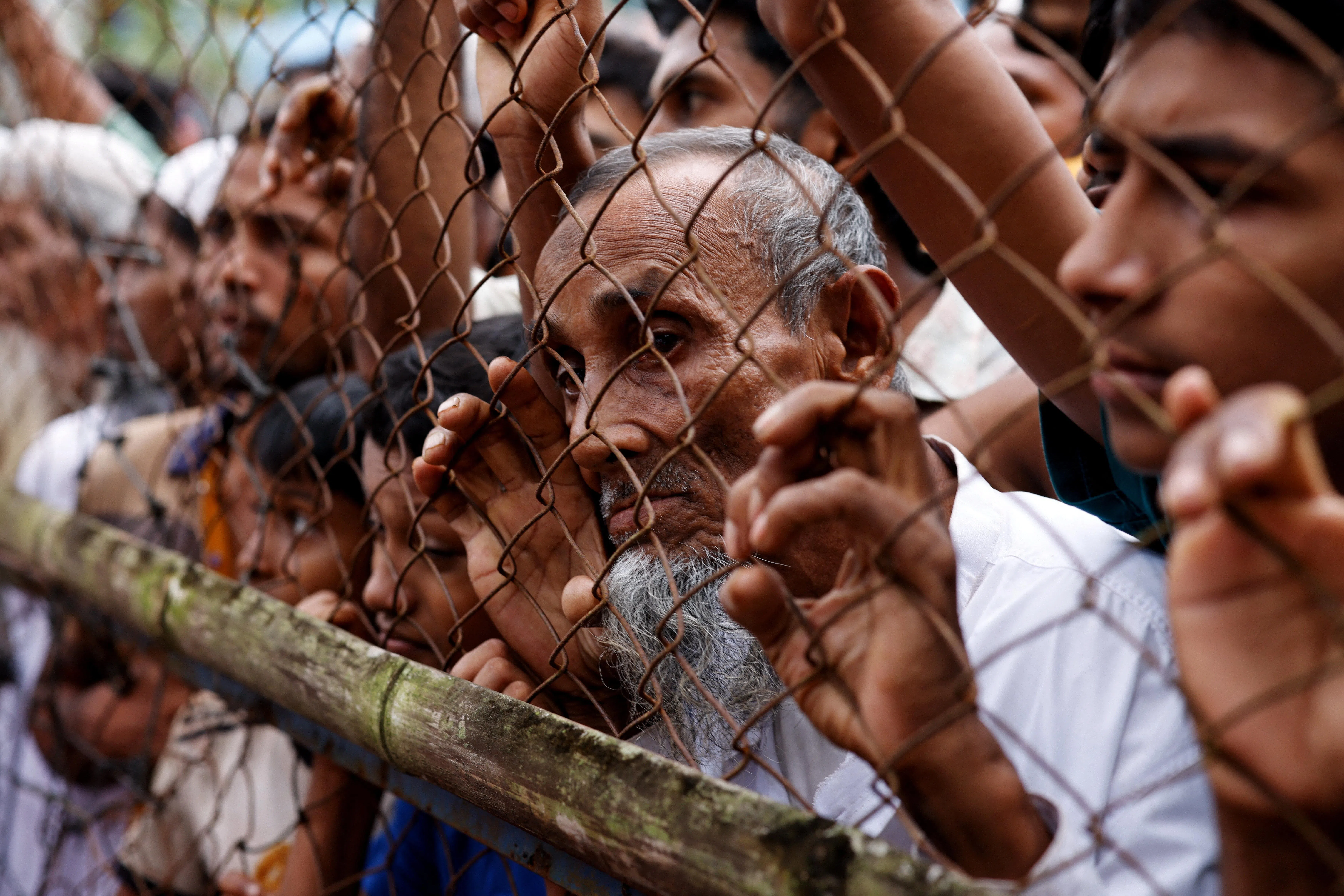
At refugee camps in Cox’s Bazar, Bangladesh, hundreds of Rohingya refugees gathered in front of large screens to watch a live broadcast of the ruling, celebrating a hard-won “small victory”. But several refugee leaders and residents stressed in interviews that the pursuit of justice had only just begun. They said they would feel “truly satisfied” only when the international community secured their safe and dignified return to their homes in Myanmar.
Malaysia to resettle 10,000 Rohingya refugees in Türkiye
About 1.2 million Rohingya refugees remain stranded in camps in Bangladesh. They face a struggle for survival amid a sharp decline in international aid, poor living conditions and strict employment restrictions.
Besides Bangladesh, Rohingya refugees are also scattered across countries including Malaysia and Indonesia. Malaysia’s government announced on Friday that it would resettle 10,000 Rohingya refugees in Türkiye through a structured skills training programme.
Malaysian Deputy Prime Minister Ahmad Zahid Hamidi said the government would work closely with the Turkish authorities, the UN Refugee Agency and relevant organisations to coordinate the selection of participants, skills training, documentation and resettlement. The process would take account of industry needs, the wishes of those involved and applicable international standards.
