

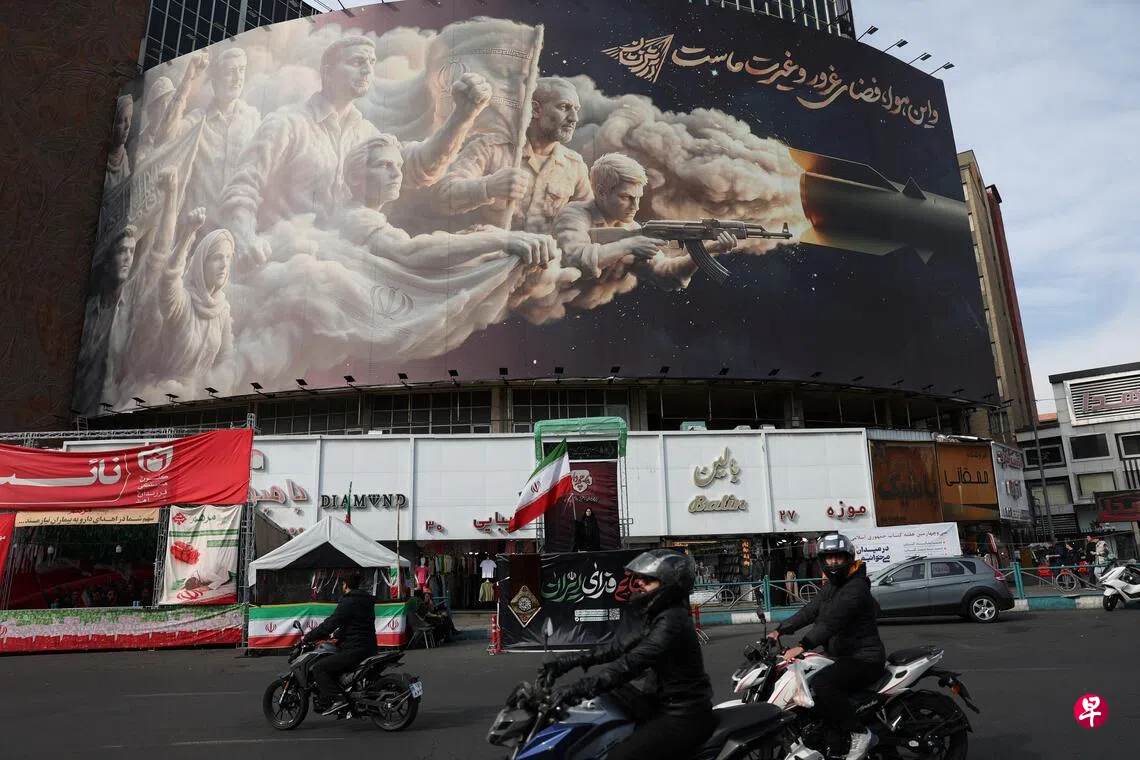
(Washington/Riyadh/Tehran, agencies) Iranian Foreign Minister Abbas Araghchi said Tehran still hoped to end the war with the US through diplomacy, while US President Donald J. Trump said the deal Iran was seeking was not one he could accept.
Araghchi told Iranian media on Friday (20 November) that Iran and the US were still exchanging messages through mediators, and that Tehran sought “an agreement that ensures war will not recur”. He said Iran wanted assurances of Washington’s sincerity before moving ahead with negotiations, and revealed that Tehran had discussed the form and substance of confidence-building measures with mediators.
Araghchi said keeping highly enriched uranium within Iran was one of Tehran’s red lines, but he believed a fair solution remained possible. The parties had previously explored “viable options” to resolve this difference, including diluting Iran’s stockpile of highly enriched uranium under International Atomic Energy Agency supervision.
Trump, however, dampened hopes at a White House press conference on Friday. He said: “They want to make a deal, but they don’t want to make a deal that’s acceptable to me. We want to make a real deal, not a fake deal that they’ve been doing for 51 years.”
Trump reiterated that Iran must never possess nuclear weapons. He said he had discussed the issue in depth during an earlier trilateral meeting with Chinese President Xi Jinping and Russian President Vladimir Putin, stressing that Iran would never be allowed to acquire nuclear weapons.
Analysis: US and Iran face a dilemma as they hesitate over next steps
Trump’s stance on negotiations has repeatedly shifted, at times backing a ceasefire agreement and at others declaring that the US has no need for a deal. Diplomats and analysts say both countries’ hesitation over their next steps, together with the recent uneven exchanges of attacks and counterattacks, reflects the dilemma they face after nearly nine months of war.
Middle Eastern diplomats said Gulf states, fearing a resumption of hostilities, were using existing communication channels to seek a sustainable solution, even if it initially addressed only some issues. Proposals include lifting all restrictions on shipping through the Strait of Hormuz in exchange for limited sanctions relief for Iran, paving the way for broader talks to resume, including on Iran’s nuclear programme.
Over the past week, Iran has expanded its attacks on its Gulf neighbours, targeting sites including a US airbase in Kuwait. It has also attacked Bahrain repeatedly after US warplanes bombed an Iranian Revolutionary Guard missile launch site on Qeshm Island in the Strait of Hormuz. Meanwhile, the Trump administration has continued to put pressure on Iran’s few remaining international financial channels.
Analysts said that although the US and Iran remain locked in confrontation, their attacks have been restrained. This suggests that, despite renewed external pressure, neither side has the will or capacity to return to the intensity of fighting seen at the war’s peak.
Houthis attack Riyadh in retaliation for coalition airstrikes on Hodeidah
As the US and Iran manoeuvre over ceasefire terms, fighting has flared again in the Red Sea and on the Arabian Peninsula. Yemen’s Houthi forces launched attacks on Saudi Arabia’s capital Riyadh and several other targets in the country on Saturday (21 November), in retaliation for a special military operation by the Saudi-led coalition in Yemen’s Hodeidah.
The coalition said its earlier military operation was aimed at disrupting smuggling and weapons shipments in Hodeidah. It also struck Houthi military targets in areas including Sanaa, Saada and Taiz provinces.
