

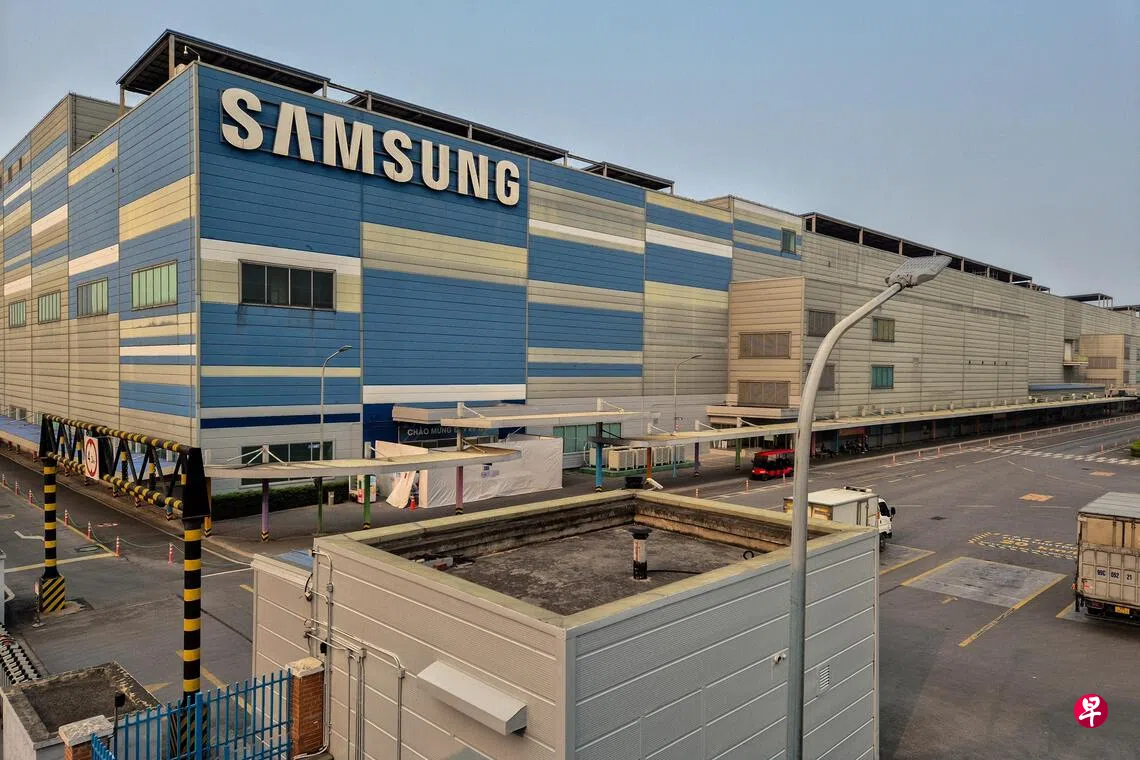
Electric vehicle giant Tesla and South Korean technology giant Samsung oppose US government plans to impose additional tariffs on Vietnam over intellectual property (IP), warning that the move would severely disrupt supply chains for US manufacturing and drive up costs.
Traditional US industries such as steel and timber, along with Hollywood studios and software giants, are strongly urging Washington to impose tough sanctions on Vietnam to curb rampant piracy and unfair trade practices.
The US government launched a special trade investigation into IP violations in Vietnam in May this year. The investigation is due to end on 29 November. It designated Vietnam as a "priority foreign country", the first jurisdiction in 13 years to be added to the most serious US watchlist category.
The US has accused Vietnam of "a persistent failure to resolve long-standing concerns about IP protection and enforcement."
The department conducting the investigation has also sought views from businesses, which are sharply divided over whether punitive tariffs should be imposed on Vietnam.
Opposition comes mainly from companies and retailers that rely on production in Vietnam. In a submission dated 2 July, Tesla said some advanced components and precision manufacturing equipment cannot be sourced domestically despite major investments in US production, and that additional tariffs could affect US supply chains.
Samsung's US subsidiary expressed similar views. Samsung said Vietnam produces large quantities of smartphones and network equipment for the US market, and that hastily imposing tariffs would directly affect American consumers and supply chains.
US retail groups and trade associations representing industries with extensive manufacturing operations in Vietnam, including footwear, apparel and makers of consumer goods such as bikes or video game consoles, also opposed additional tariffs.
Industry groups representing US producers of steel, seafood, plywood, solar panels and wood products accused Vietnam of unfair practices and called for new tariffs.
Groups representing copyright holders in industries including software, film and music also called on Washington to put pressure on Hanoi. Microsoft, Oracle and International Business Machines (IBM) are members of the Business Software Alliance, which cited a 2017 survey showing that about three-quarters of software installed on personal computers in Vietnam was unlicensed and criticised Hanoi's weak enforcement.
The Motion Picture Association said Vietnam was a major hub for online piracy, hosting websites distributing stolen film and television content that attracted over 12.5 billion visits worldwide last year. The association called on Vietnam to strengthen enforcement and open up market access for legitimate streaming platforms.
The US is Vietnam's largest export market, but has repeatedly criticised Vietnamese companies for infringing IP rights and producing counterfeit goods. It has also criticised Vietnam for becoming a transshipment hub through which Chinese goods are routed to disguise their origin and evade US tariffs.
Besides the IP investigation, Vietnam also faces an investigation into overcapacity and has been subjected to an additional 12.5% tariff for failing to effectively prevent imports of goods made with forced labour.
To avoid steep tariffs, the Vietnamese government has been actively negotiating with the US. It says it has passed a new law banning goods made with forced labour, strengthened customs procedures and stepped up efforts to combat intellectual property infringement.
