

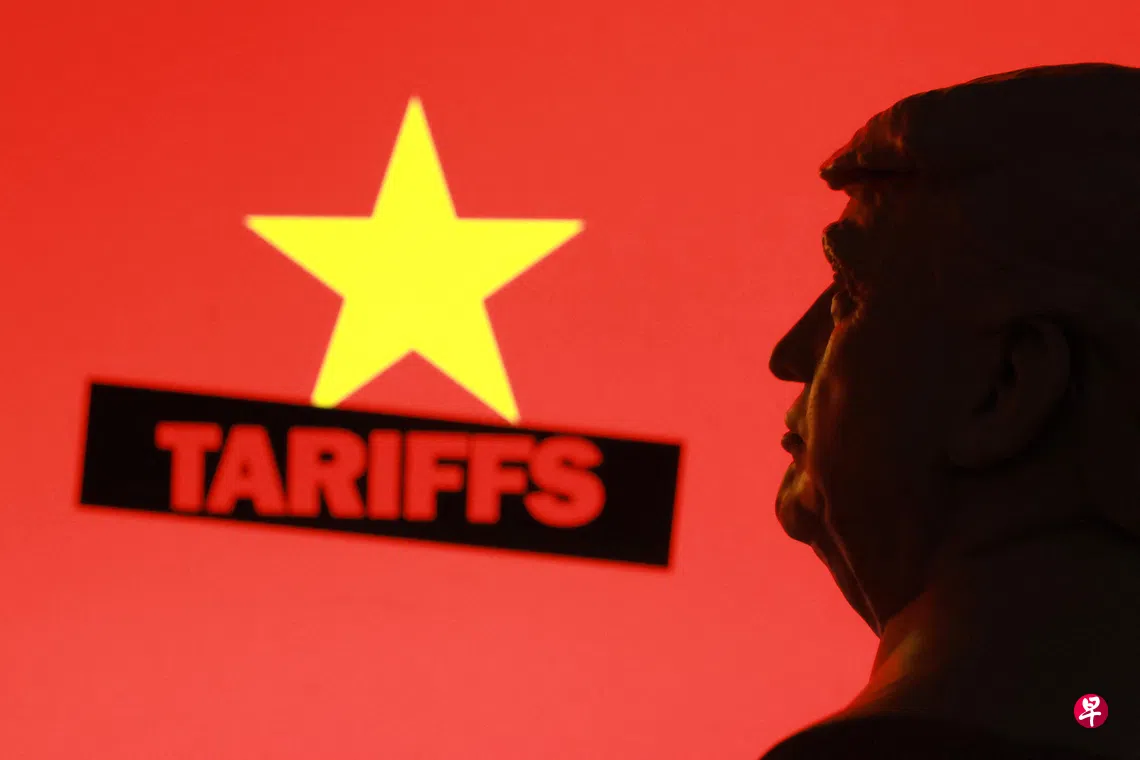
Vietnam said it is working with the US to reach a trade deal as soon as possible, hours after the Donald J. Trump administration threatened new tariffs on Vietnamese goods that could hit key export industries such as clothing, footwear and electronics.
Reuters reported that the US has accused Vietnam of industrial overcapacity and could impose tariffs of 35% on Vietnamese goods, a rate higher than those for other Southeast Asian countries and second only to China's. Vietnam's trade ministry subsequently said both sides were working to reach a deal as soon as possible, and that Vietnam would also cooperate with the US investigation into overcapacity.
Vietnam is a major manufacturing base for multinationals such as Samsung and Apple. The US and Vietnam have been negotiating a trade deal for more than a year. Industry players had expected an agreement in December, when Vietnamese leader To Lam is due to attend the Group of 20 (G20) summit in the US state of Florida.
Bruno Jaspaert, head of DEEP C, a network of industrial parks in northern Vietnam, believes the latest tariff threat could hasten a deal. He said uncertainty over tariffs in recent months had already prompted some companies to cut orders or shift production to other countries.
US officials said Vietnamese goods could face tariffs of 20% if the two sides reach a deal, higher than the current general rate of 12.5% but well below the 35% previously threatened by the US. This lower rate would also help Vietnam continue to attract foreign investment.
However, the new tariffs remain a concern for clothing, textile and footwear manufacturers. Vietnam is a major production base for brands such as Nike and Adidas, but industry figures say Indonesia is attracting new investment while industrial expansion in Vietnam has slowed. Competitors including Bangladesh, Cambodia and Indonesia have already reached deals with the US at a tariff rate of 18%.
The US is also investigating suspected intellectual property violations by Vietnam, with the probe expected to conclude on 28 February next year. Washington has also accused Vietnam of serving as a transshipment hub for Chinese goods bound for the US. Vietnam's electronics industry relies heavily on Chinese components to assemble computers, tablets and gaming consoles, and could therefore be affected.
Vietnam's government recently pledged to address US trade concerns by reducing reliance on imported components, expanding domestic sourcing, creating a database of manufacturers' supply chains and establishing an early-warning mechanism for trade surpluses.
