

Abuse cases involving vulnerable adults rose by more than 40% to 104 last year, after increasing from 65 in 2023 to 70 the year before last.
Cases of self-neglect among vulnerable adults more than doubled from 14 the year before last to 37 last year, with most involving older people. Self-neglect can include hoarding that leaves living conditions poor, unhygienic or dangerous, as well as neglecting personal health to the point of malnutrition.
According to the Domestic Violence Trends Report, abuse involving vulnerable adults falls under Tier 2 high-risk cases. Victims are aged 18 and above and unable to protect themselves because of physical frailty or intellectual or physical disabilities.
Of last year's cases, 61 involved victims aged 65 and above, up from 38 the year before last. Cases involving other age groups rose from 32 to 43.
The Ministry of Social and Family Development said one possible reason for the increase was improved detection by healthcare and community organisations.
The Protective Service (PSV) introduced a case assessment and reporting guide for vulnerable adults the year before last, providing healthcare and social service agencies with more consistent indicators to better identify abuse, neglect and self-neglect. This underscores the need for community partners to remain vigilant and provide early assistance to vulnerable adults who may have difficulty seeking help.
The report showed that 0.6 out of every 1,000 vulnerable older people experienced abuse last year, a rate similar to those in the preceding four years.
Overall, women continued to account for most cases involving vulnerable adults, but the increase among men was more pronounced. Cases involving men doubled from 24 the year before last to 48 last year, while those involving women rose from 46 to 56 over the same period.
Physical abuse and neglect by caregivers were more common. Physical abuse cases rose from 27 the year before last to 55 last year, while neglect cases increased from 29 to 42. The report noted that physical abuse generally draws more reports because injuries are easier to spot.
The PSV also handles cases of self-neglect among vulnerable adults. Of the 37 cases last year, 22 involved people aged 65 and above, double the 11 cases the year before last. The report noted that most self-neglect cases were detected by social workers, healthcare professionals or neighbours.
There were also 290 Tier 1 low- to moderate-risk elder abuse cases last year, up from 283 the year before last and 230 in 2023. These cases are handled by social service agencies.
Social service agency: Address caregiver stress and strengthen support networks
Martin Chok, deputy director for Family and Community Services at Care Corner, said in an interview that strengthening social support networks and ensuring older people stay connected with others were key to prevention.
“One issue that needs attention is caregiver stress. People who care for bedridden elderly family members over a long period have no space of their own. Over time, they become physically and mentally exhausted, and may take their frustration out on their family members or choose to neglect their care. It is quite heartbreaking to encounter such cases. Strengthening support for caregivers is also an important preventive measure,” said Chok.
He noted that those who harm older people are not always their children; they may also be spouses or siblings. For example, unmarried siblings living together may clash over different living habits, sometimes even resorting to violence.
The centre has also helped older people harmed by their flatmates, although such cases are not classified as domestic violence. Older strangers sharing a small rental HDB flat may get into disputes over differences in lifestyle.
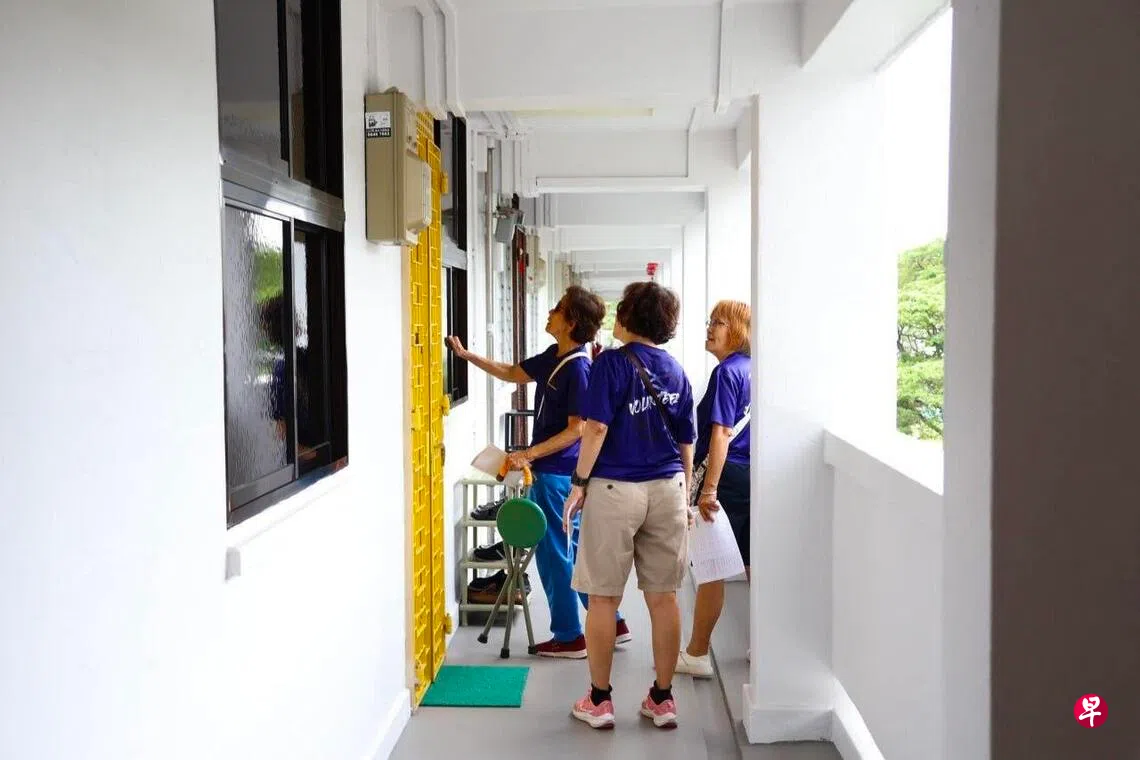
Beyond its work through Active Ageing Centres, Care Corner also has senior volunteers visit older people living alone to identify and help those in need early.
