

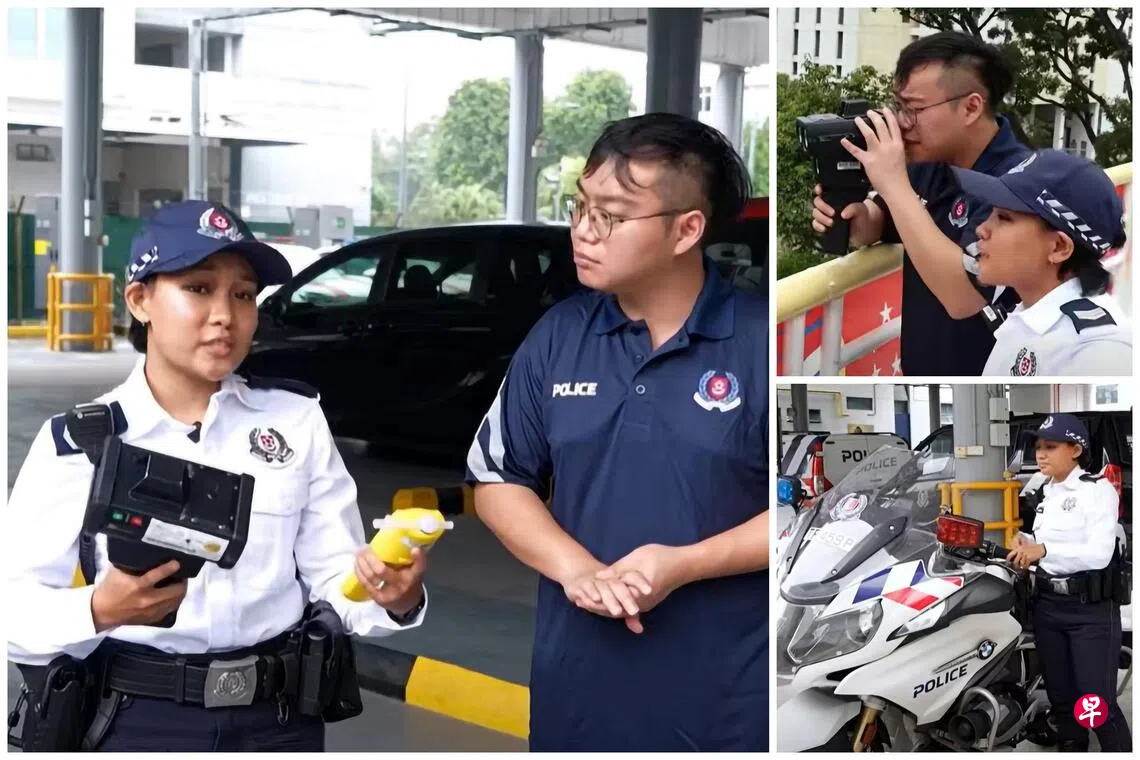
Some think rinsing their mouths can help them beat a breathalyser test, while others hope an urgent need for the toilet will excuse speeding. Do these tactics work? The Singapore Police Force recently posted a social media video introducing its everyday enforcement equipment and answering questions about traffic policing. Its message was clear: taking chances will not help drivers get around enforcement devices or traffic laws.
In the video posted on Facebook on Saturday (21 November), the Traffic Police first explained how breathalysers work. These devices can measure a driver’s alcohol level, officers said. Rinsing the mouth or brushing vigorously before driving will not “dilute” the reading or fool the device.
Officers also demonstrated a speed detector. It is not intended to measure how fast people run, but uses light reflected off flat, reflective surfaces to capture vehicle speeds.
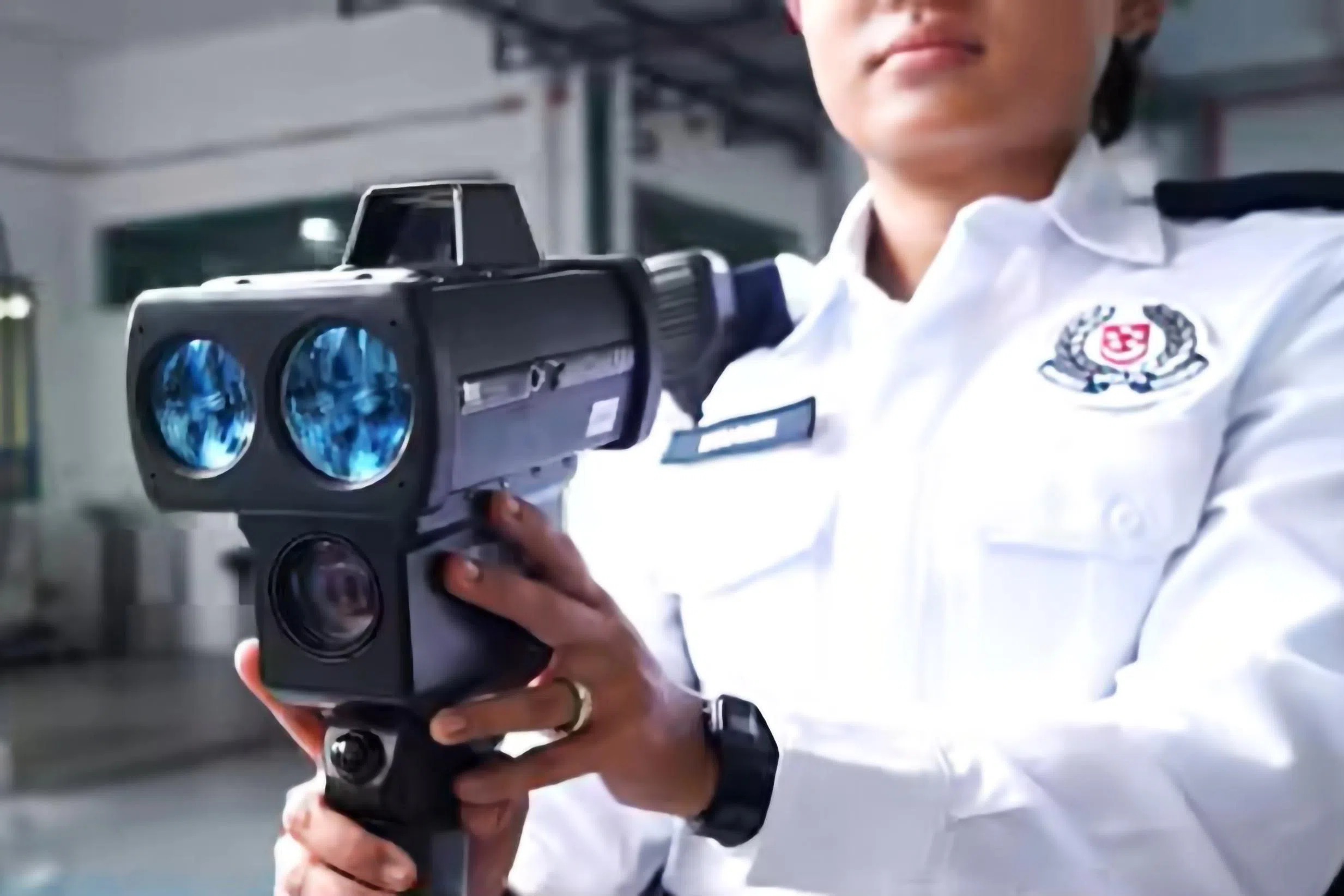
As for whether drivers caught speeding because they urgently need the toilet can expect leniency, the answer was no. Officers said needing the toilet was not a valid reason to speed. Even in an urgent situation, drivers must obey traffic laws.
Police cars and Traffic Police motorcycles are not for chases
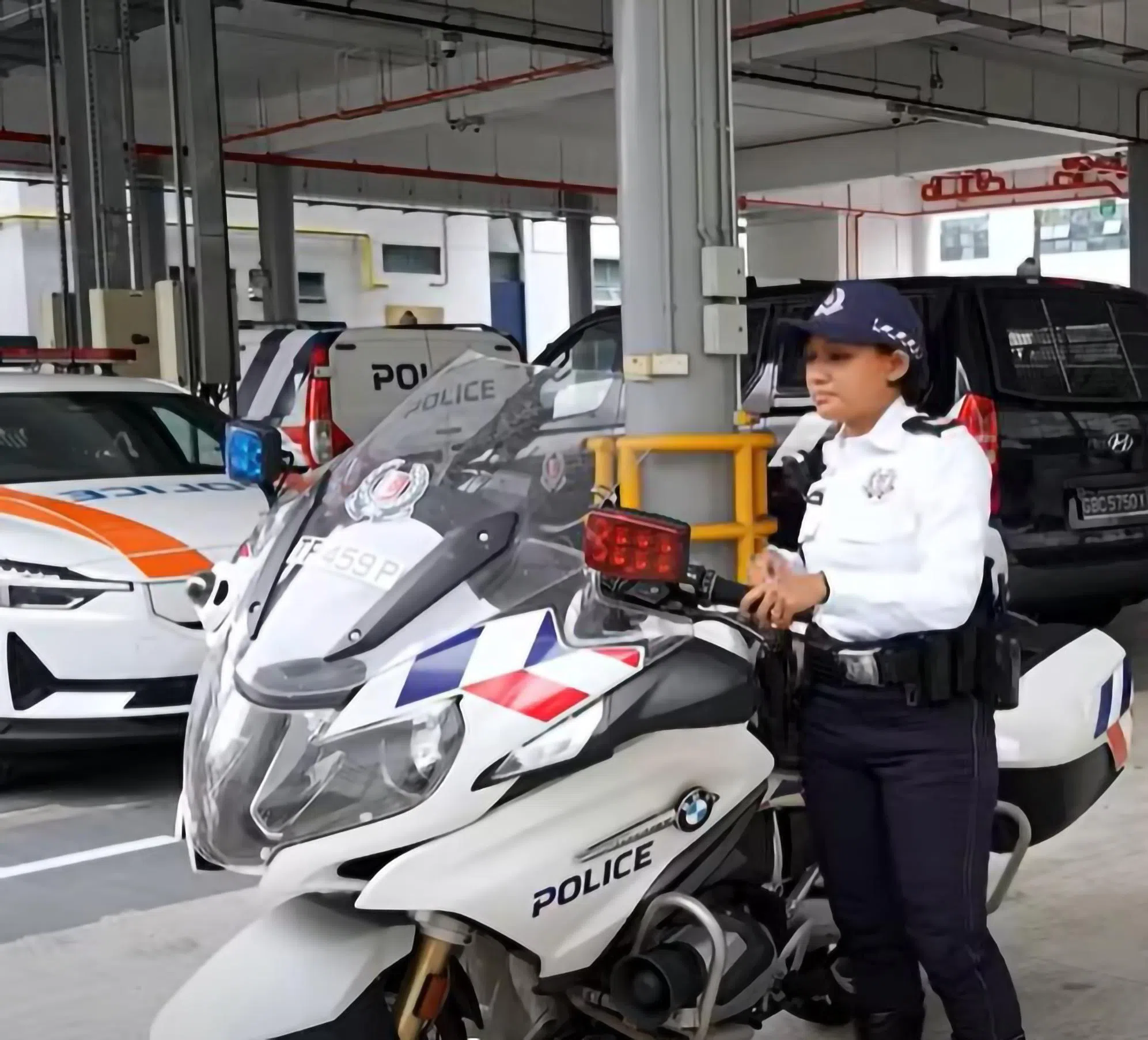
Traffic Police motorcycles and police cars are a familiar sight on the roads. Officers said these vehicles were not for chases: the priority was not speed, but reaching their destination safely. When the video’s host jokingly asked whether the recent online Chongqing motorcycle trend could be copied in Singapore, an officer’s answer was blunt: “No!”
Officers explained that motorcycles allow them to move through traffic more easily while on duty. Police cars, meanwhile, are equipped with radio communications systems, but officers must follow specific procedures and use standard professional terminology when relaying information.
Addressing a question about whether officers switch on their police cars’ flashing lights to get through queues during busy periods, the force clarified that the roof-mounted lights are mainly used for emergencies or operations requiring greater vehicle visibility, not to bypass traffic jams.
The Traffic Police concluded by stressing that issuing tickets was not the entirety of their work, and tackling speeding was only one part of it. Keeping Singapore’s roads safe through public engagement, education and enforcement was equally important. Road safety cannot depend on the Traffic Police alone: every road user must play a part.
