

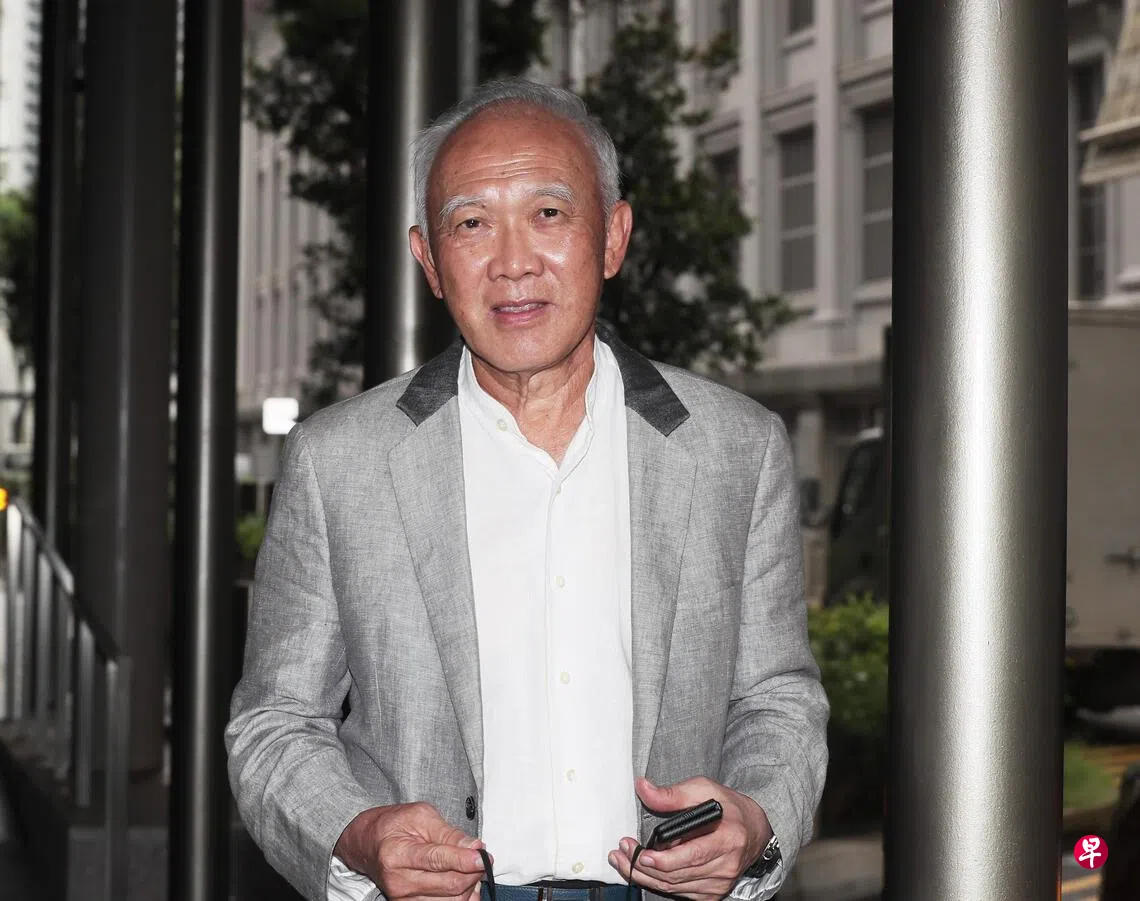
“Car king” Peter Kwee Seng Chio has lost his appeal to the Supreme Court to recover five properties in Singapore and overseas held in his bankrupt daughter’s name. The three-judge panel found that he had deliberately placed the properties in her name to conceal his assets and shield them from creditors. As the trust arrangement was unlawful and contrary to public policy, the court ruled that he was not entitled to recover the assets.
In written grounds issued on Wednesday (18 November), the Supreme Court’s Court of Appeal also rejected Kwee’s claim that he was a “layman” who did not understand the distinction between legal ownership and beneficial ownership. The three judges found this unconvincing, given his decades of experience in property investment. He was far from the "babe in the woods" he claimed to be.
Kwee is chairman of Group Exklusiv, which began as a car dealership business. His daughter, Karen Kwee Hui Ling, was declared bankrupt in October 2022. He subsequently applied to the High Court to recover five properties and funds in three bank accounts in her name from the private trustees administering her bankruptcy. Kwee claimed that his daughter was merely holding these assets on his behalf.
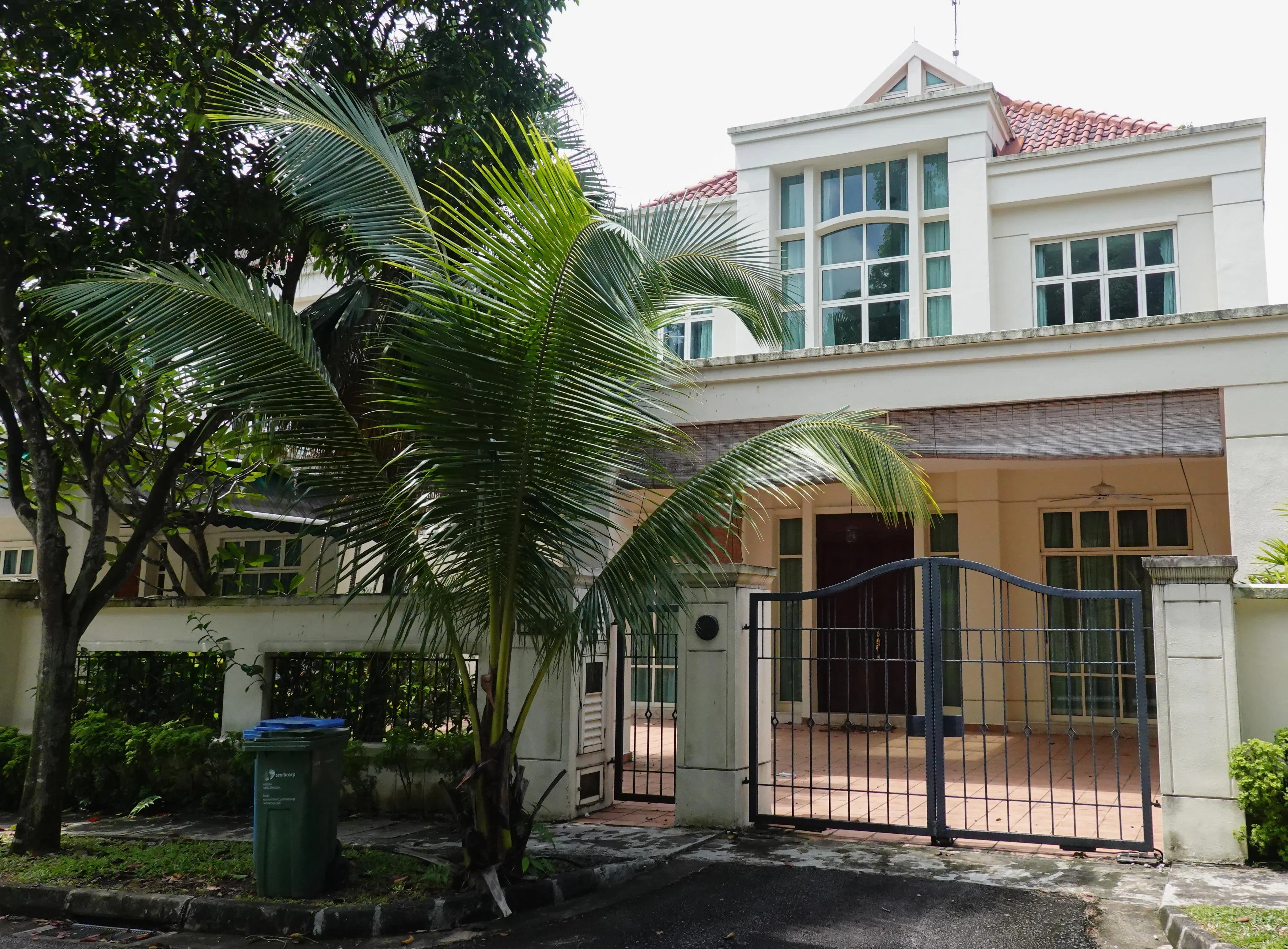
The properties comprise two private homes in Singapore — one in King’s Drive and another in the cluster housing development Teneriffe — as well as two properties in Canada and one in Australia. Lianhe Zaobao understands that their combined value is estimated at more than S$10 million.
The High Court ruled against Kwee in March 2025, finding that the properties were gifts to his daughter. He appealed to the Supreme Court, where a panel comprising Justice of the Court of Appeal Ang Cheng Hock, Justice of the Court of Appeal Hri Kumar Nair and Senior Judge Andrew Phang Boon Leong recently heard the case. The panel also dismissed his appeal, but on different grounds from those of the High Court.
The panel found that the evidence established a common intention constructive trust between Kwee and his daughter, under which he retained the entire beneficial interest in the five properties rather than giving them to her. He had used his own funds to pay part of the purchase prices, mortgage repayments and property taxes, among other expenses. He also managed the properties and arranged their refinancing.
Kwee had also told his family that the assets would belong to them after his death, adding: “As for how the family assets are to be distributed, I will make arrangements later.” In the panel’s view, this showed that registering the properties in his daughter’s name did not mean she actually owned them, as Kwee retained the beneficial interest in the assets and control over their distribution.
However, the trust arrangement between Kwee and his daughter was unenforceable because it was unlawful. The panel said he had chosen to place the properties he bought in his daughter’s name to conceal the true extent of his assets and shield them from creditors. This was inherently dishonest and fraudulent in intent, and contrary to public policy. The trust arrangement therefore could not be legally recognised or enforced, meaning that Kwee was not entitled to recover the five properties in his daughter’s name.
As most of the money in the three bank accounts came from rental income from the properties, the panel likewise ruled that the funds did not belong to Kwee.
Kwee was represented by Vikram Nair and his team from Rajah & Tann Singapore, while Daryl Fong and his team from Shook Lin & Bok represented the private trustees. (Some names have been transliterated.)
