


Words can connect families through the familiar sounds of a dialect. They can also stir controversy.
In Singapore, the China-made Teochew film Dear You (《给阿嬷的情书》) proved a hit, particularly its Teochew-language screenings. It also sparked heated debate about preserving dialect culture, with calls to ease restrictions on dialects now that the Speak Mandarin Campaign had achieved its aims. This time, the authorities responded positively.
From September 2026, the government eased restrictions on dialect content in films and on pay-TV. Films entirely or predominantly in dialect no longer face limits on the number of screenings, provided they have Chinese subtitles and a Mandarin-dubbed version is available. Caps on the proportion of dialect programmes on pay-TV were also lifted.
Making room for dialects helps bridge generations, keeping cultural memories alive and part of everyday life.
Ill-chosen words, however, can cause an uproar.

Speaking in January this year about NATO allies’ role in the war in Afghanistan, US President Donald J. Trump said they had “stayed behind the front lines”. His remarks drew criticism from then UK Prime Minister Keir Starmer, who stressed the sacrifices made by British troops.
French football star Kylian Mbappé crossed a red line when he casually discussed a meme involving a founding leader of the Chinese Communist Party during an interview, triggering a fierce backlash among Chinese internet users. He later apologised for his choice of words, but the controversy had already affected brand partnerships and match broadcasts.
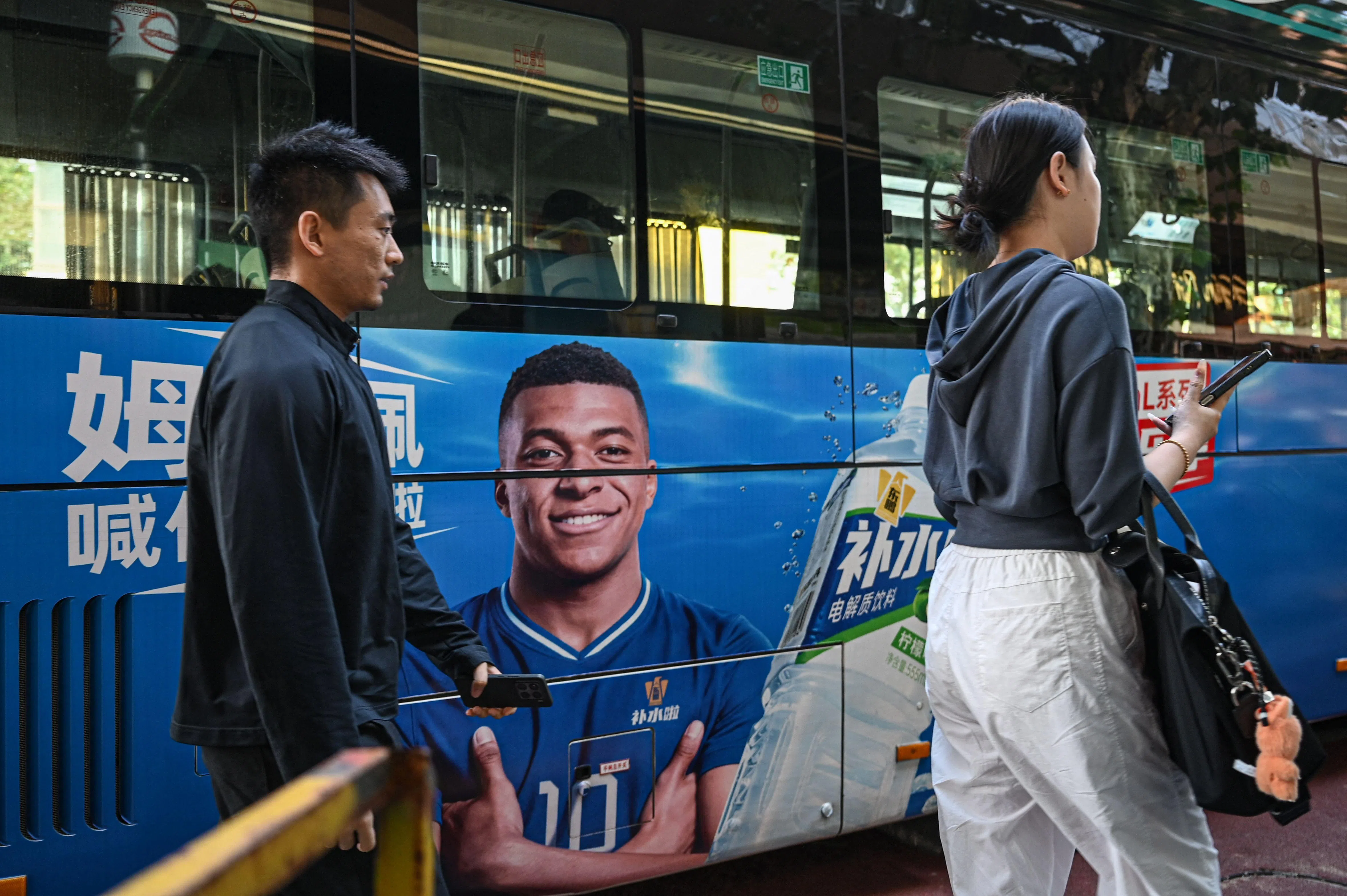
The Classic of Poetry (《诗经》) cautions: “Do not speak lightly; do not say it is of no consequence.” In other words, do not speak carelessly or assume that an offhand remark can do no harm. Across cultural contexts, words spoken without ill intent can provoke unforeseen reactions.
Dialects can bring people closer, and cross-cultural exchanges can foster empathy, but both call for sensitivity and sincerity. Whether online or in everyday conversation, greater awareness, thoughtfulness and consideration can lend warmth to our words and make them a bridge to understanding.
Vote for your Character of the Year
This year’s Character of the Year campaign is now open and runs until 10 December. The Chinese character with the most votes will be announced on 13 December.
The public can vote on the Character of the Year page on Lianhe Zaobao’s (LHZB) website.
LHZB will select two lucky readers who take part in the vote, each of whom will receive S$1,000 worth of SPC shopping and fuel vouchers.
Another ten readers will each receive S$300 worth of SPC shopping and fuel vouchers.
The lucky draw is open only to LHZB subscribers and registered users living in Singapore.
This year’s Character of the Year campaign is organised by LHZB, with support from SPC and China Construction Bank.
