

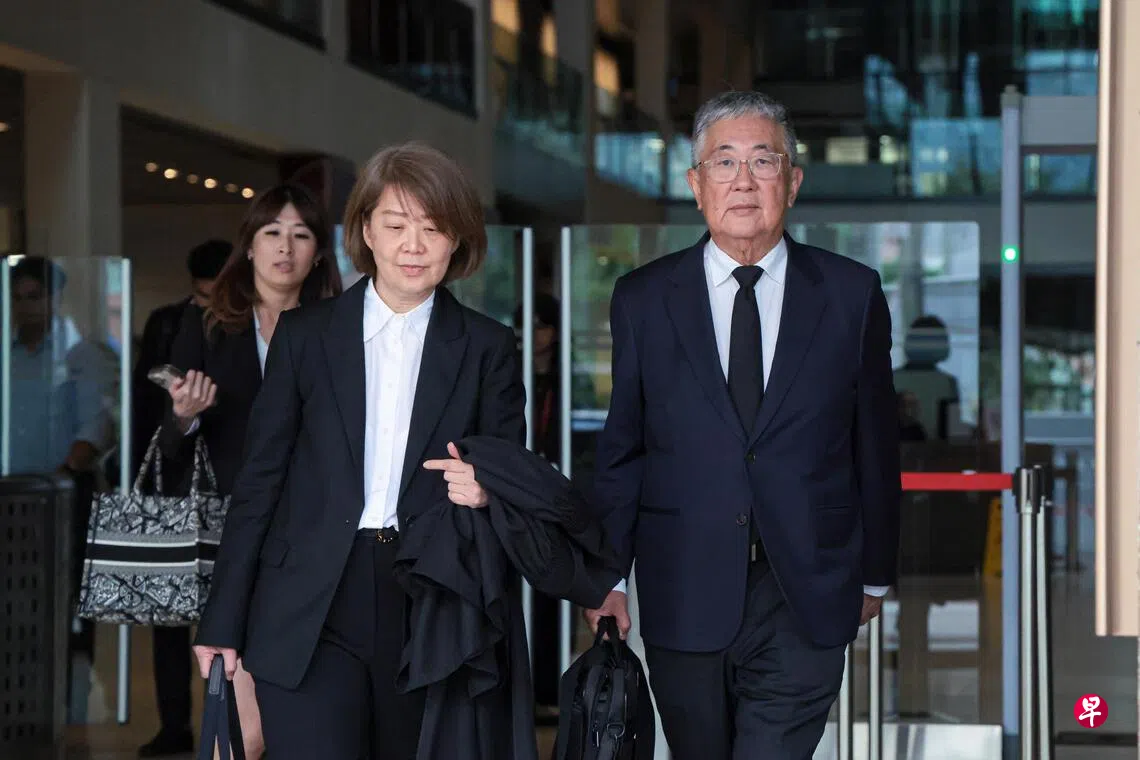
A Chinese tycoon has sued four former employees in Singapore, alleging that they embezzled more than S$73 million in assets from his company and family office over seven years. The former employees have countersued for about S$39 million, accusing him of reneging on agreed salary and profit-sharing payments.
The two sides also disagree on what caused their relationship to break down. The tycoon says his poor English meant he relied entirely on the former employees to manage his assets, and became suspicious only when bank staff asked about large transfers. The defence, on the other hand, says the rift stemmed from his former employees’ refusal to carry out some of his instructions.
The plaintiff, Zhong Renhai, is originally from Zhejiang, China. He is in the petrochemicals business and chairs Zhejiang Hongji Petrochemical.
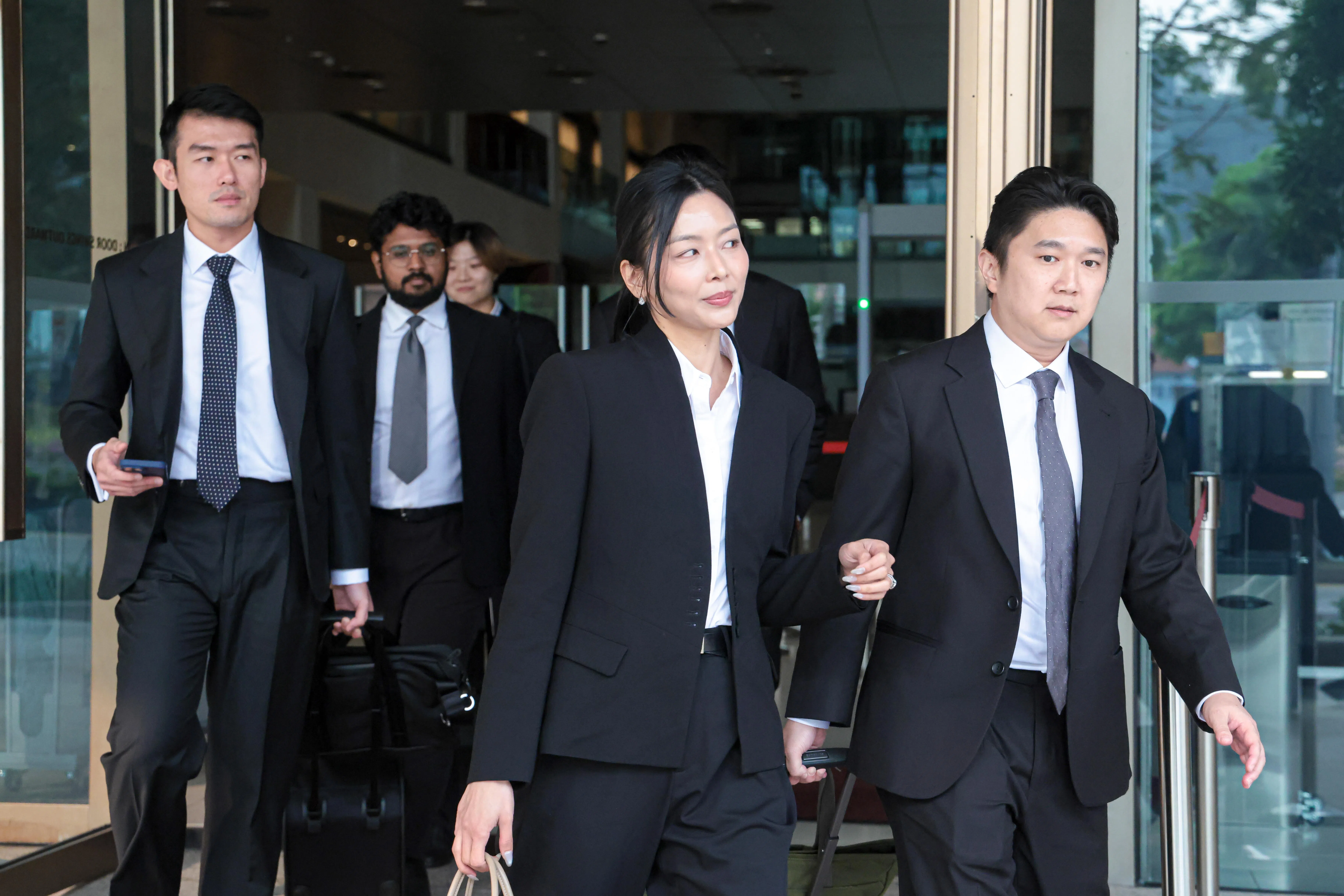
The four defendants — Goh Sock Ngee, Lim Wee Siew, Eileen Ealham and Yap Shin Tze — worked at Lee Fung International (LFI), a company Zhong established in Singapore, between 2015 and 2024.
The civil trial opened in the High Court last Thursday (22 October) and is scheduled to last at least 30 days. Zhong is represented by Yam Wern-Jhien and Victoria Ting of Setia Law, while the defendants are represented by Senior Counsel Tan Chee Meng and Josephine Choo of WongPartnership.
According to the statement of claim, Zhong runs petrochemical manufacturing and trading businesses in China and overseas. He manages his business and personal wealth through several companies, including Singapore-based LFI and family office Panda Enterprise.
When Zhong first met Goh, she was a Standard Chartered employee handling LFI’s banking business. After joining LFI, Goh brought Lim and Ealham into the company. Goh was its chief financial officer, while Lim and Ealham handled human resources and finance respectively. Yap was the company’s risk management manager and internal auditor.
The plaintiff’s case is that Zhong’s mother tongue is Chinese, his ability to read English is limited and he understands only basic spoken English. He placed great trust in Goh, relying on her and her team to manage LFI’s assets while also entrusting his personal wealth in Singapore to them.
Zhong authorised Goh to sign banking documents on his behalf, and she also held login details for his various bank accounts. Such was his trust in her that he would sign documents she gave him without checking their contents.
The plaintiff alleges that the four defendants abused his trust and embezzled more than S$73 million between 2017 and 2023, including paying themselves as much as S$23.7 million in salaries, directors’ fees and bonuses.
His lawyers argue that the four defendants held support roles rather than generating revenue for the company, and that Zhong had no reason to pay them such generous salaries and bonuses. They say he never agreed to give them a 10% share of business profits.
The plaintiff also alleges that the defendants claimed large reimbursements from Zhong and the company on the pretext of buying luxury goods for him, and withdrew a total of more than S$210,000 from his personal bank accounts, among other transactions.
The defence, however, maintains that all reimbursements and transfers were legitimate and authorised by Zhong. The defendants say they followed his instructions to buy designer bags, watches and jewellery, some for his own use and others as gifts for his former wife and other female friends. Zhong also frequently instructed them to buy bird’s nest to take to China as gifts for local officials and business associates. He would also direct Goh to withdraw large sums of cash and hand the money to various people.
The defendants similarly maintain that Zhong authorised all their remuneration. The defence says Zhong and Goh had always trusted and respected each other, but their relationship began to break down in late 2023 after Goh refused to carry out his instructions. Zhong subsequently decided to dismiss Goh and her team. No further details of those instructions were disclosed in court.
The defence also says there had been extensive WeChat messages, emails and other documents between Zhong and the four defendants that could prove he had authorised their transfers. Those written records have now disappeared, allegedly having been destroyed by the plaintiff. The defence accuses Zhong of feigning ignorance and falsely claiming that he never authorised the defendants to use his funds.
The defence says Zhong had promised Goh and her team a 10% share of the company’s business profits but failed to pay them as agreed, and also owes them some salary payments. The defendants have therefore filed a counterclaim seeking at least US$30.5 million (about S$39 million) from Zhong.
The trial resumes on Tuesday (27 October), with Zhong expected to testify on Wednesday or Thursday.
