

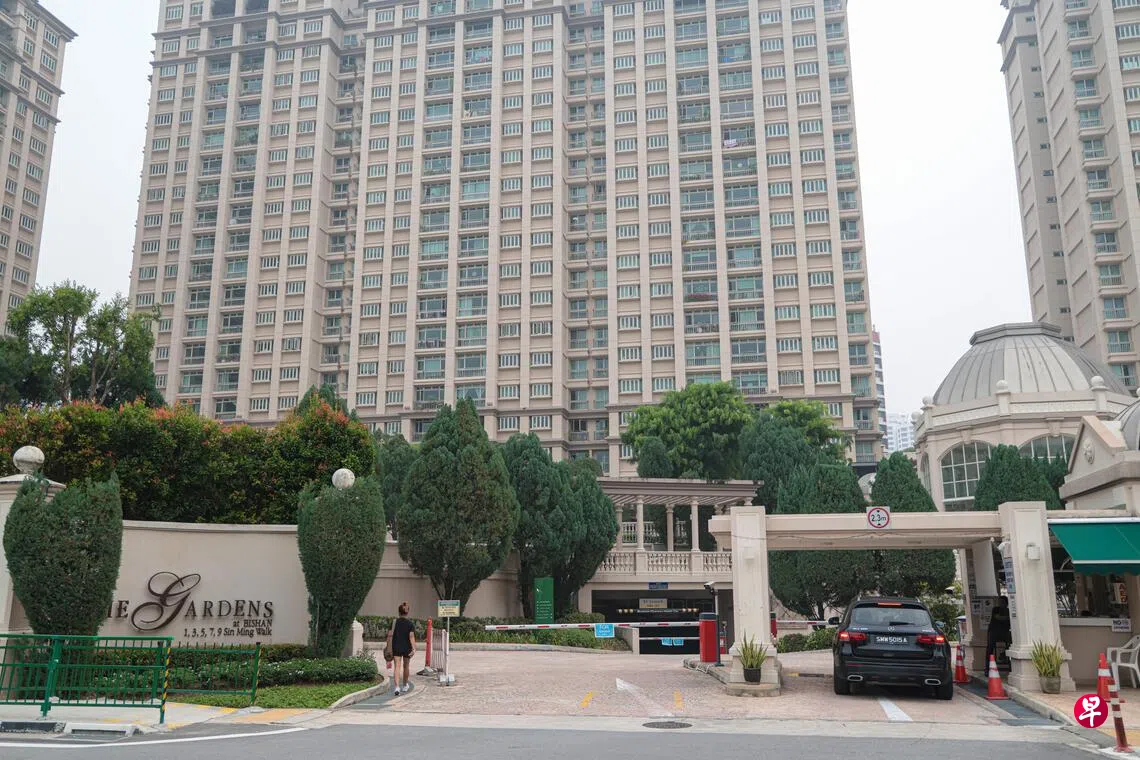
A condominium management council’s replacement of its 22-year-old access card and vehicle transponder systems with facial and licence plate recognition technology drew a challenge from two owners.
The owners Ng Teck Soon and Sim Cheng Lan argued that the new system had practical implications for privacy, for older residents, and for those who did not use smartphones. They said the change amounted to “additions to and a change of use of” common property, requiring approval by special resolution.
The Strata Titles Boards dismissed the application in full. It found that, given the old system’s poor condition and unreliable supply of spare parts, the management council’s introduction of the new system did not constitute “additions to and a change of use of” common property under the Building (Strata Management) Act.
Rather, it fell within the council’s statutory powers to repair, maintain and reasonably replace common property, and therefore did not require approval by special resolution.
Extraordinary general meeting approves keeping both access systems
At an extraordinary general meeting on 20 June this year, the management council put to a vote a proposal to keep the old access cards in use until the system failed or reached the end of its service life as specified by the supplier. The proposal received 92.41% support, allowing the old and new systems to operate alongside each other.
This means residents who do not wish to use facial recognition can continue using their old cards until the old system fails or reaches the end of its service life. A separate proposal to spend an additional $100,000 on physical cards for the new system received only 2.1% support and was not passed.
The applicants were Ng and Sim, and the respondent was the management council of The Gardens at Bishan.
According to the grounds of decision, The Gardens at Bishan had used conventional physical access cards and vehicle transponders for 22 years before the new system was installed. In recent years, the vehicle transponders had malfunctioned intermittently, while the overall access control system had broken down repeatedly. Replacement parts were becoming increasingly difficult to obtain.
In late 2025, after the card reader at the condominium’s turnstile broke down, the supplier said the supply of spare parts had become unreliable, with most no longer being manufactured. The existing access cards were also easy to copy or pass on to others, posing security risks.
Around November 2024, the management council installed the new iCondo platform, which combines facial recognition with visitor and resident management. Residents can enter and leave the condominium using facial recognition, or Bluetooth or QR codes on their registered smartphones. Visitors’ vehicle licence plates can be registered in advance. The system also logs vehicle movements and notifies residents when their visitors arrive. The new system is more secure and efficient, and requires less manpower. The council’s successful application for a government grant for the new system was also one of the factors behind the board’s finding that the upgrade was a matter of common sense and practicality.
The management council had planned to deactivate all old access cards from 1 January 2026, drawing objections from some owners. Ng and Sim subsequently applied to the Strata Titles Boards to stop the council from proceeding with the permanent replacement of the old system until it had obtained the necessary approval.
The pair argued that switching from physical cards to a system combining facial recognition and a mobile app was not a simple “like-for-like replacement”. The two systems differed significantly in their technology, functions and methods of access, with practical implications for residents who did not use smartphones, valued privacy, preferred non-biometric access methods, or were older.
They argued that the new system constituted an “addition, improvement, alteration or change of use” of common property under the Act. It therefore required prior approval by special resolution at a general meeting, and the council had no authority to decide unilaterally.
The board noted that although the new system used different and more advanced technology, its core function remained equivalent to that of the old system. Given the old system’s frequent breakdowns and unreliable supply of spare parts, the council was not obliged to replace it with equally outdated technology.
Moreover, the greater convenience and security offered by facial recognition and the mobile app were incidental benefits of technological advances, rather than improvements requiring approval by special resolution under the Act.
However, the Strata Titles Boards also found that it was “unnecessary” for the management council to announce the deactivation of the old system before it had failed completely. It acknowledged that the transition between systems posed a genuine challenge for older residents. Although it dismissed the application and ordered the applicants to pay costs, it exercised its discretion to reduce the amount, requiring the pair to pay the management council only $3,500 in costs.
