

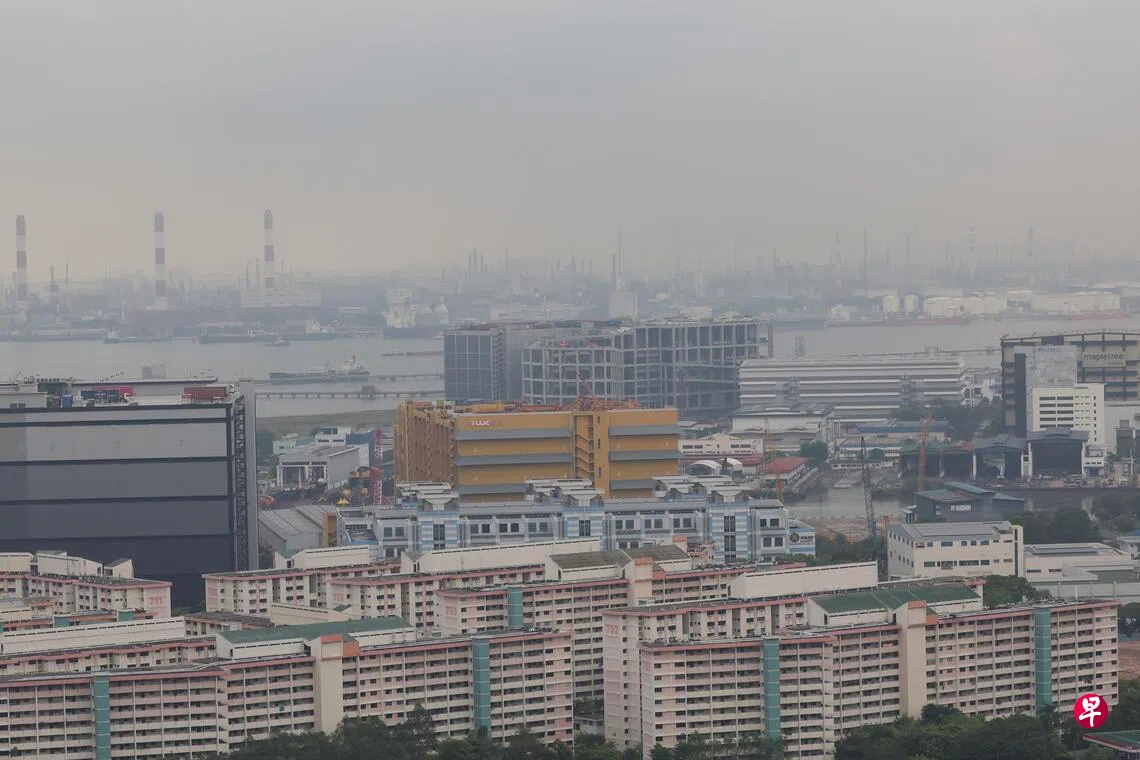
Singapore’s two existing air quality indicators have been effective in helping the public plan their activities. There is therefore no need to add fine particulate matter (PM2.5) forecasts for other time periods, as too many indicators could confuse the public. Forecasts also become less accurate the further ahead they look.
Minister for Sustainability and the Environment Grace Fu reiterated in Parliament on Tuesday (3 November) that the 24-hour Pollutant Standards Index (PSI) and hourly PM2.5 readings were sufficient for the public to plan outdoor activities ahead of time. She was responding to oral questions from several Members of Parliament who suggested adding PM2.5 forecasts.
“The use of forecast 24-hour PSI for planning and hourly PM2.5 for guiding decisions has worked well. We don’t think there is a need to include 12-hour, 24-hour or 48-hour PM2.5 forecasts, as having too many indicators may complicate our public messages.”
Fu noted that, besides the two indicators, the National Environment Agency (NEA) also publishes a two-week weather forecast and an air quality outlook on its website.
However, even with just two indicators, some members of the public remain confused or mix up the different air quality indicators used by different countries. Currently, NEA provides the latest 1-hour PM2.5 readings by regions, based on the readings from its 23 air quality monitoring stations installed across the country.
“The more that our forecast and advisory are clean, giving people an easy handle to manage activities, the more effective that advisories would be.”
Regarding masks for protection against haze, Fu said that as of 29 October, about a third of eligible Singaporeans had collected masks under the government’s second distribution exercise.
The exercise began on 23 October, with the age threshold for eligible seniors lowered from 67 to 60. Other eligible groups include pregnant women, children aged seven to 16, and Community Health Assist Scheme (CHAS) orange and blue cardholders.
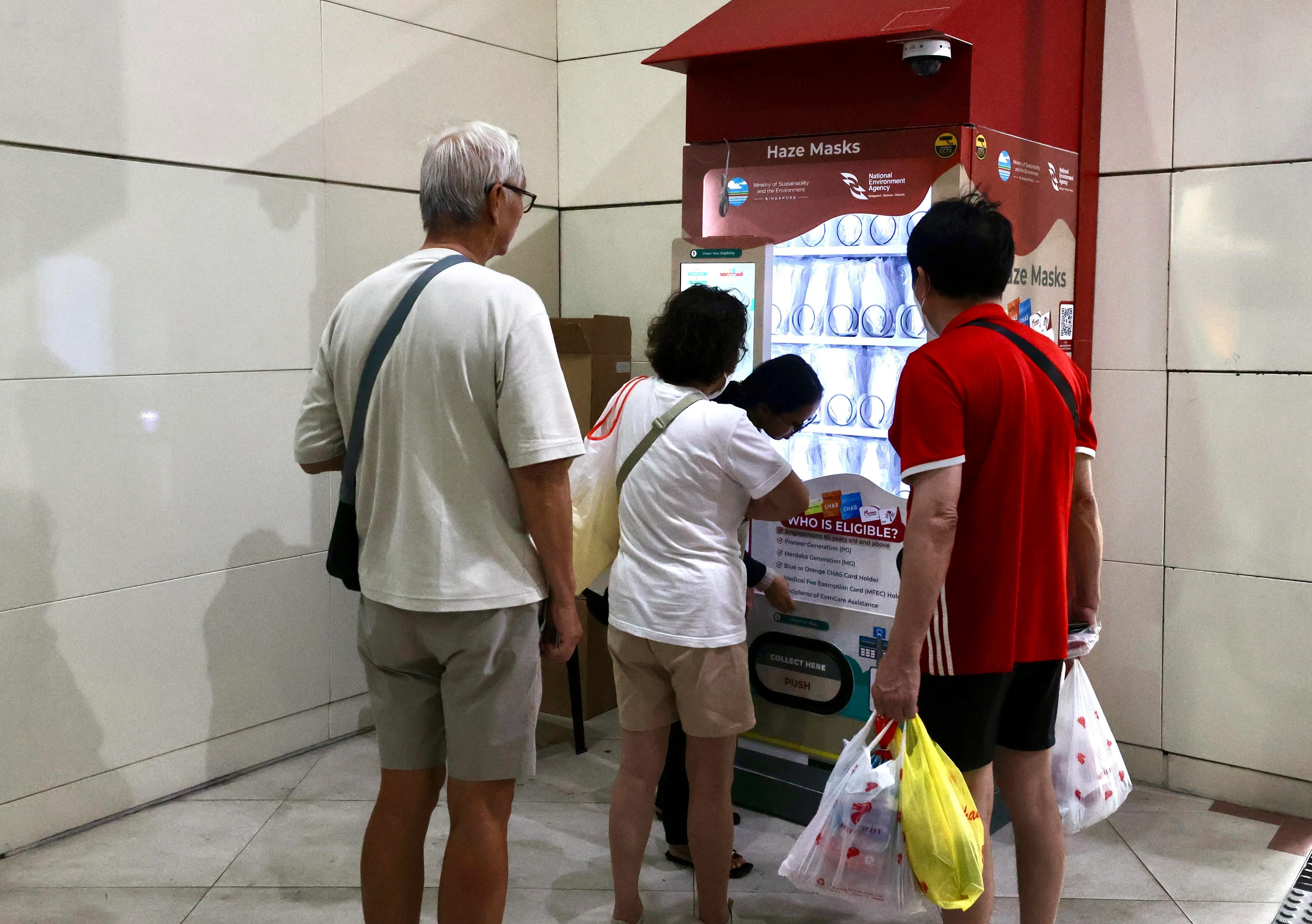
However, Fu stressed that, under existing health advisories, the first line of defence against haze is to reduce prolonged or strenuous outdoor activities. Only when the haze is severe should those more vulnerable to its effects, or those who need to spend long periods outdoors, consider wearing masks.
“Ultimately, N95 masks are very important for Ministry of Health and healthcare professionals, in the prevention of communicable diseases. That is something that we must hold our stockpiles ready for.”
Responding to questions on transboundary haze, Fu revealed that Singapore would submit its Instrument of Ratification for the Establishment Agreement of the ASEAN Coordinating Centre for Transboundary Haze Pollution Control in the next few days.
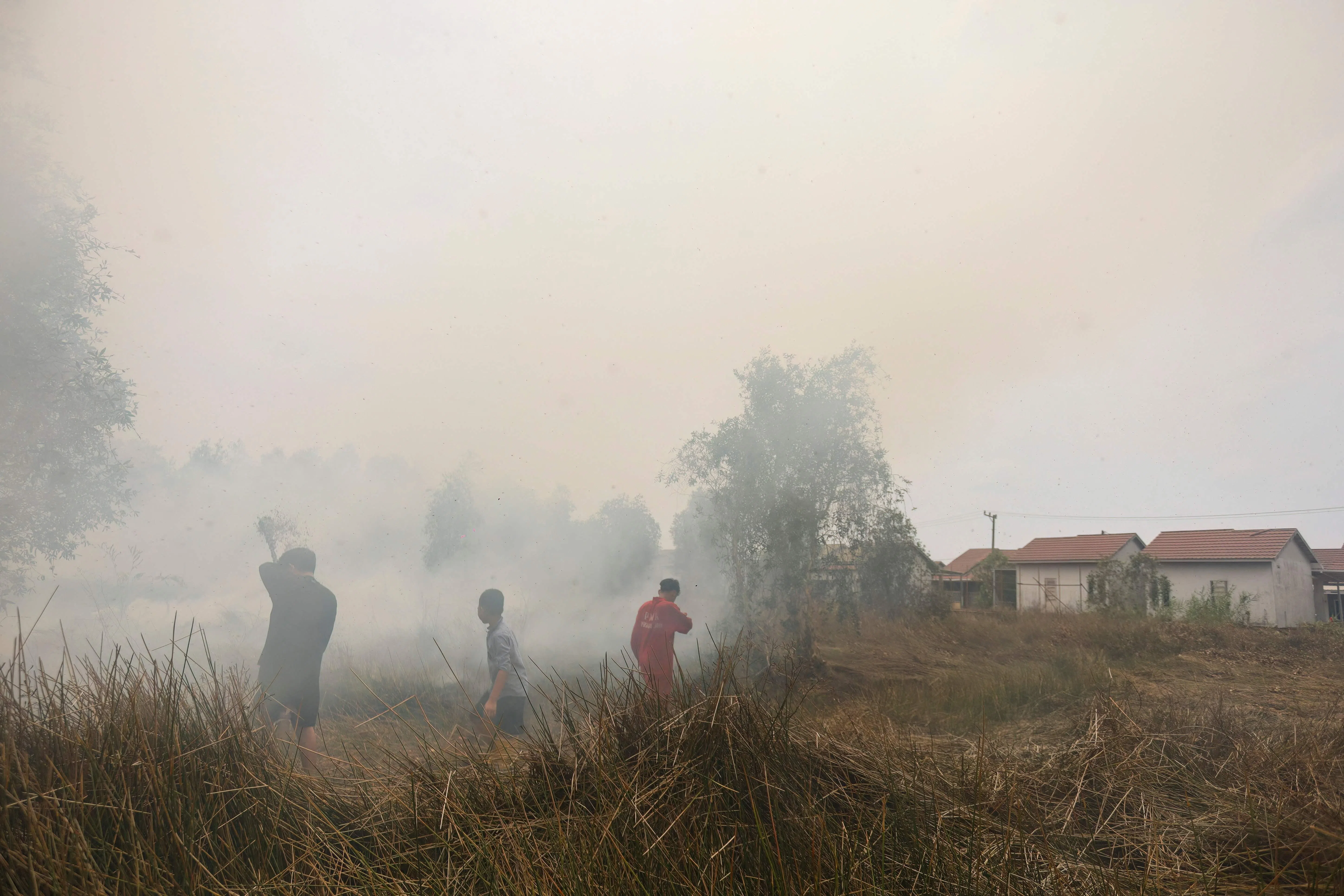
She said Singapore would strengthen the implementation of the ASEAN Agreement on Transboundary Haze Pollution when it assumes the ASEAN chairmanship next year.
It would also work towards establishing the regional coordinating centre in Indonesia to strengthen cooperation and coordination among member states in managing land and forest fires and transboundary haze. The establishment agreement must be ratified by at least six member states before it can come into force.
On the tackling of transboundary haze, Fu said Singapore had previously conveyed to Indonesia at various levels that it stood ready to help if assistance was needed and welcomed. This could include civil defence support and assistance with cloud seeding.
Indonesia informed Singapore on 19 October that it could manage the fires on its own and did not need foreign assistance. Singapore respects Indonesia’s sovereignty and its assessment of whether a regional joint firefighting task force would be helpful.
Fu also noted that some ASEAN member states have indicated they will be raising the transboundary haze issue at the upcoming ASEAN meetings. Singapore will support these discussions, and share how Singapore intends to act against companies responsible for the haze.
