

The number of clinicians in Singapore’s public hospitals has risen by nearly 70% over the past year, from about 150 last September to about 250 currently. Following assessments, they will progressively be appointed as principal doctors, playing a key role in transforming medical teams.
The Ministry of Health (MOH) announced last September that all public hospitals would progressively adopt a new care model, with a principal doctor seeing each patient and coordinating all their treatment. To ensure enough doctors are ready to take on this responsibility, the authorities have stepped up efforts to train more hospital clinicians.
In response to queries from Lianhe Zaobao (LHZB), MOH said public healthcare institutions would initially appoint specialists as principal doctors in the first year of implementing the concept. The institutions would then progressively assess the existing 250 hospital clinicians and appoint those ready to take on the role.
A spokesperson said the first phase of the medical team transformation programme, which uses the principal doctor model, has been progressing smoothly. It has been implemented in four specialties: general medicine, general surgery, orthopaedics and paediatrics. The programme will progressively expand to more specialties, including emergency medicine, paediatric surgery, psychiatry and related internal medicine specialties such as infectious diseases and cardiology.
The authorities also announced last year that they would review hospital clinicians’ salary structure and improve their promotion framework to ensure their career progression is comparable to that of specialists.
The MOH spokesperson said that, as the transformation programme is still relatively new, no hospital clinician has yet been promoted to the highest rank of senior principal hospital clinician.
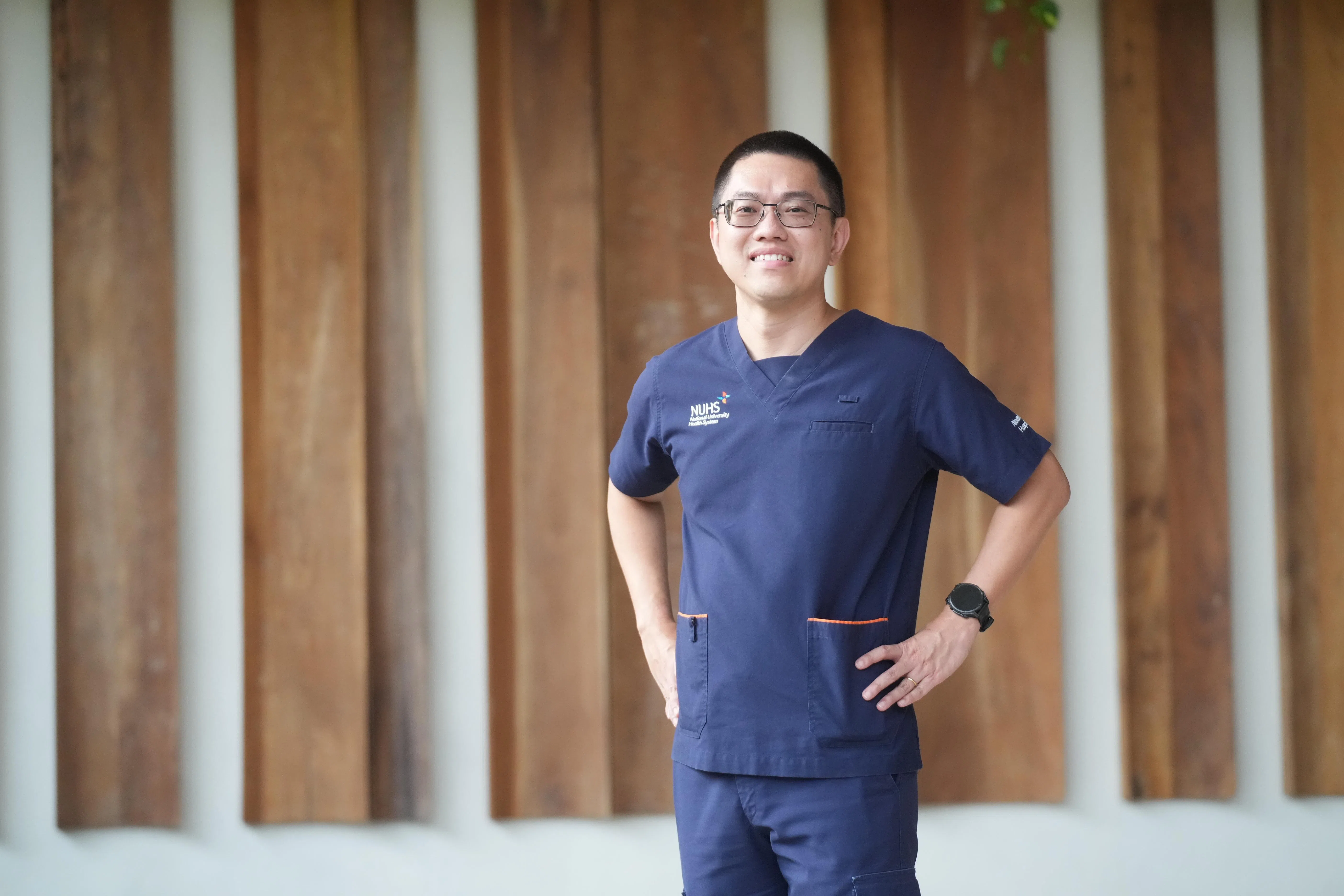
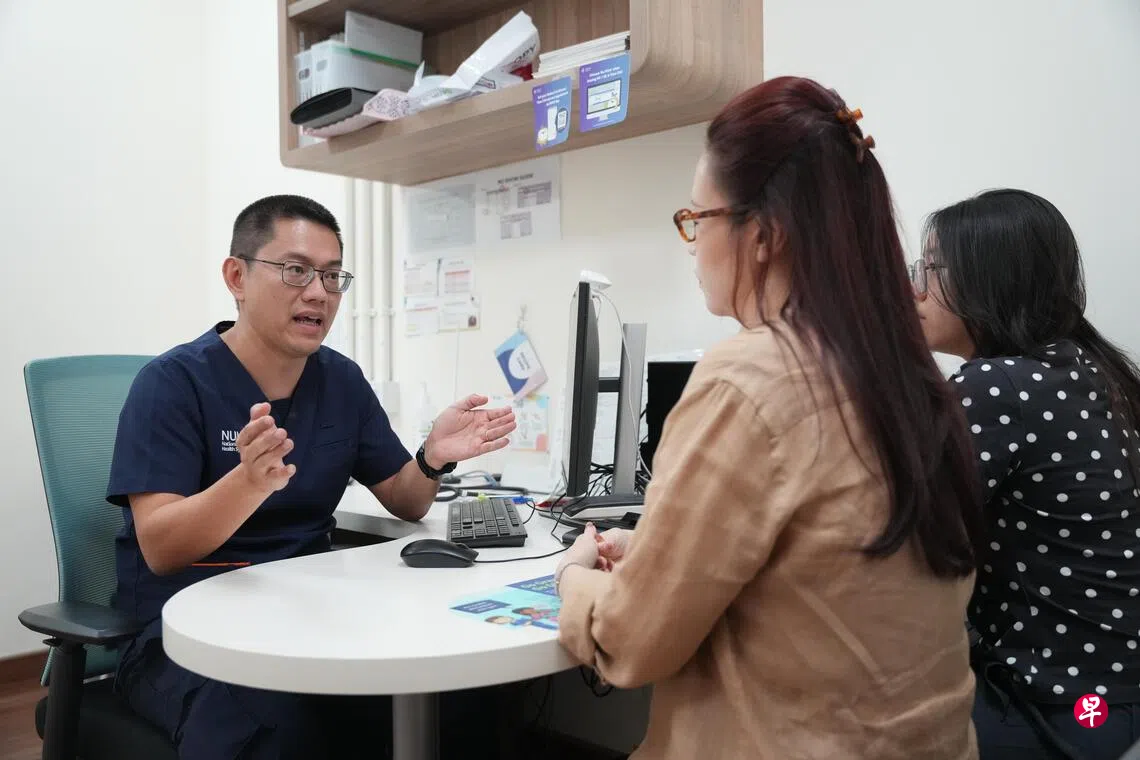
Head and Senior Consultant of the Division of Advanced Internal Medicine, Department of Medicine at Alexandra Hospital Dr Desmond Teo, 42, is among the first doctors to take on the principal doctor role.
He said that, put simply, principal doctor was a designation that did not significantly change his day-to-day work. Having the formal title, however, allows him to carry out more systematically the cross-specialty coordination he has been doing since his training. When he sees patients with multiple chronic conditions, he takes over their care across specialties and coordinates and provides their treatment, as long as it falls within his capabilities and the relevant specialists agree.
Dr Teo said the most immediate benefit of this model was a sharp reduction in patients’ hospital trips. Their family members also no longer need to take leave repeatedly to accompany them to appointments.
“If a patient sees doctors in three different specialties, with a follow-up appointment every six months for each, that means at least six hospital visits a year. But with a principal doctor coordinating their care, they would only need to visit the hospital twice a year.”
He cited the example of a young patient with high blood pressure, snoring and abnormal liver enzyme levels, who originally had to see doctors in three specialties. After taking on the patient and assessing their overall condition, he offered to manage all their care. The patient readily agreed and cancelled appointments with the other two specialties.
Another patient was found to have lung nodules on a scan during follow-up care. Rather than referring the patient to respiratory medicine to join another queue, Dr Teo consulted a respiratory physician directly through an internal hospital process. He then followed up on the patient’s condition based on the specialist’s advice, avoiding the inconvenience of a referral.
Principal doctor model helps ease pressure on public hospital resources
From a hospital operations perspective, the principal doctor model helps ease pressure on stretched public hospital resources.
Dr Teo said the model could ease the burden on specialties with heavier workloads by directing patients to appropriate care. For example, patients with atypical chest pain can first be assessed by a principal doctor in internal medicine and referred to cardiology only if test results are abnormal. This allows specialists to focus more on treating patients with serious conditions.
This does, however, mean that principal doctors must manage more complex health issues for each patient. For Dr Teo, sparing patients the burden of repeated hospital trips matters more, and gives him greater job satisfaction.
“If it were my family, I would want them to receive this kind of attentive, one-stop care too. So, as a doctor, I should be providing that care myself.”
