

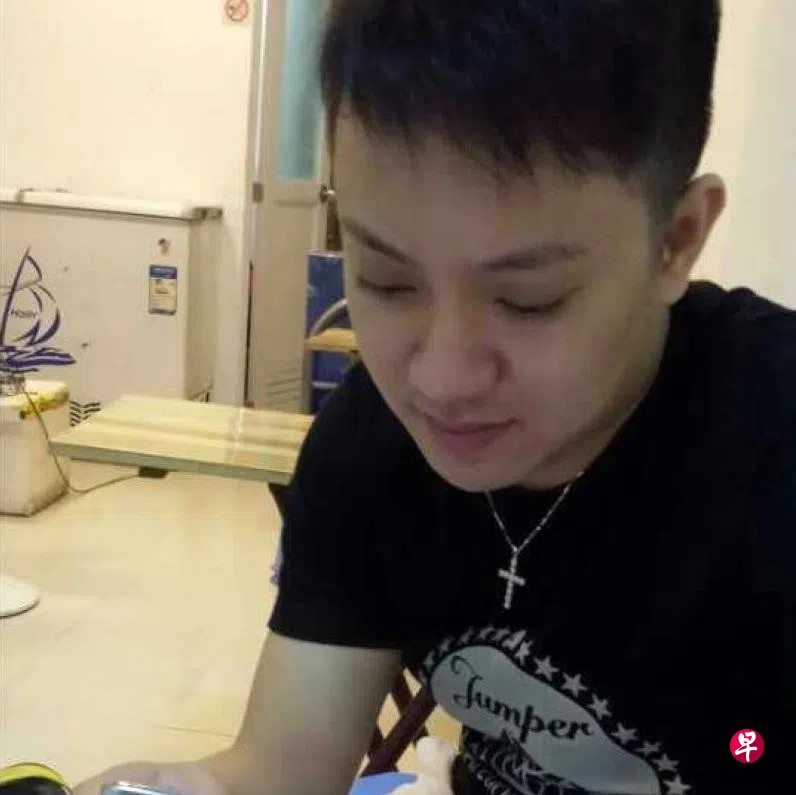
A man previously jailed for more than nine years for setting up over 200 shell companies to cheat the government of more than $10 million in grants reoffended while on parole, recruiting nominee directors for nine companies and using false information to claim nearly $590,000 in GST refunds.
The accused, Lim Chit Foo, 43, faced 43 charges under the Goods and Services Tax Act and one under the Corruption, Drug Trafficking and Other Serious Crimes (Confiscation of Benefits) Act. On Tuesday (17 November), he pleaded guilty to 15 charges. The judge took the remaining charges into consideration and sentenced him to 25 months and seven weeks in jail, and ordered him to pay about $781,829 in penalties. He must serve an additional 69 weeks in jail for reoffending while on parole.
Under the law, businesses must register for GST if their taxable turnover exceeded $1 million in the past 12 months, or is expected to exceed $1 million in the next 12 months.
For GST-registered companies, the GST paid on business purchases and expenses is known as input tax, while GST collected from customers is known as output tax. If output tax exceeds input tax, the company must pay the difference to the Inland Revenue Authority of Singapore (IRAS). If the reverse is true, it can claim a refund of the difference.
The court heard that Lim carefully planned the GST refund fraud, using nine companies to obtain about $588,147 in refunds between January and October 2024.
Through three recruiters, Lim found 10 people to act as nominee directors of the nine companies. In exchange for payment, they handed over their Singpass login details to him, either directly or indirectly. Their personal particulars were also used to open corporate bank accounts to receive the refunds.
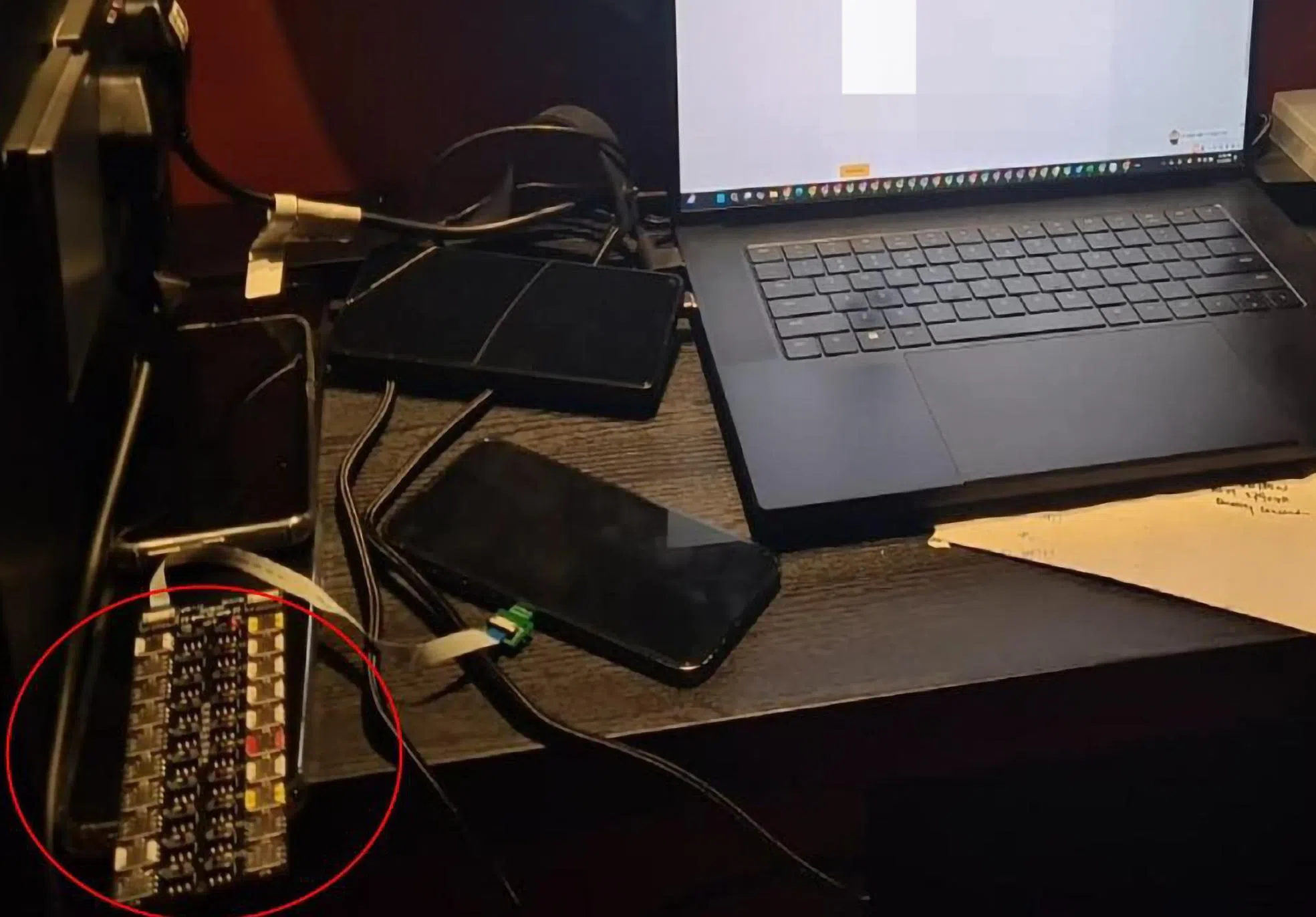
Logging in to the IRAS website with the nominee directors’ Singpass accounts to submit returns required a one-time password (OTP) sent to a mobile number. The particulars of some intermediaries were therefore also used to register SIM cards. Lim inserted these cards into multi-SIM adaptors or mobile phones to receive the OTPs.
To register the companies for GST, Lim and others submitted false invoices and documents to the authorities, claiming that the firms’ taxable turnover was expected to exceed $1 million over the next 12 months. He then falsely declared that their input tax exceeded their output tax to obtain refunds of the difference.
Lim, who had been serving his sentence in prison, joined the Residential Scheme under the Community Based Programme in September 2023, allowing him to serve his sentence at home. He was released on parole in August the following year.
Lim’s Malaysian cousin, Tong Ken Wei, 30, came to Singapore in the second half of 2023 and lived with Lim and his family. During this period, Lim instructed Tong to help with bank transfers and withdrawals. On 9 July 2024, after a company controlled by Lim received about $16,260 in GST refunds, the entire sum was transferred to the bank account of a man named Lai Chen Weng.
Investigations showed that Lai’s bank account was actually controlled by Tong, who withdrew a total of $9,000 in cash on Lim’s instructions. Lim has repaid the $9,000 in full.
Lim was arrested on 4 November 2024 and has been remanded in custody since.
The prosecution said Lim’s offences were clearly premeditated, noting that he had similar convictions and had reoffended while on parole. It sought a jail term of 25 to 33 months and penalties of about $781,829, along with an additional 18 months in jail for reoffending while on parole.
In mitigation, Lim’s lawyer said he had made about $40,000 in restitution and was remorseful. With his family’s support, he still had prospects for rehabilitation, the lawyer said, asking the judge for leniency.
Lim also faces two charges under the Employment of Foreign Manpower Act. Those proceedings are ongoing.
According to earlier reports, Lim was a former business partner in entertainer Lee Teng’s streetwear shop. Between 2015 and 2016, he conspired with others to cheat IRAS of as much as $11.8 million in Productivity and Innovation Credit cash payouts. He was sentenced to nine years and four months in jail in March 2022. He was also sentenced to 40 months in jail in 2019 for subsequently instigating employees, Lee and others to give false statements. (Some names are transliterated.)
