

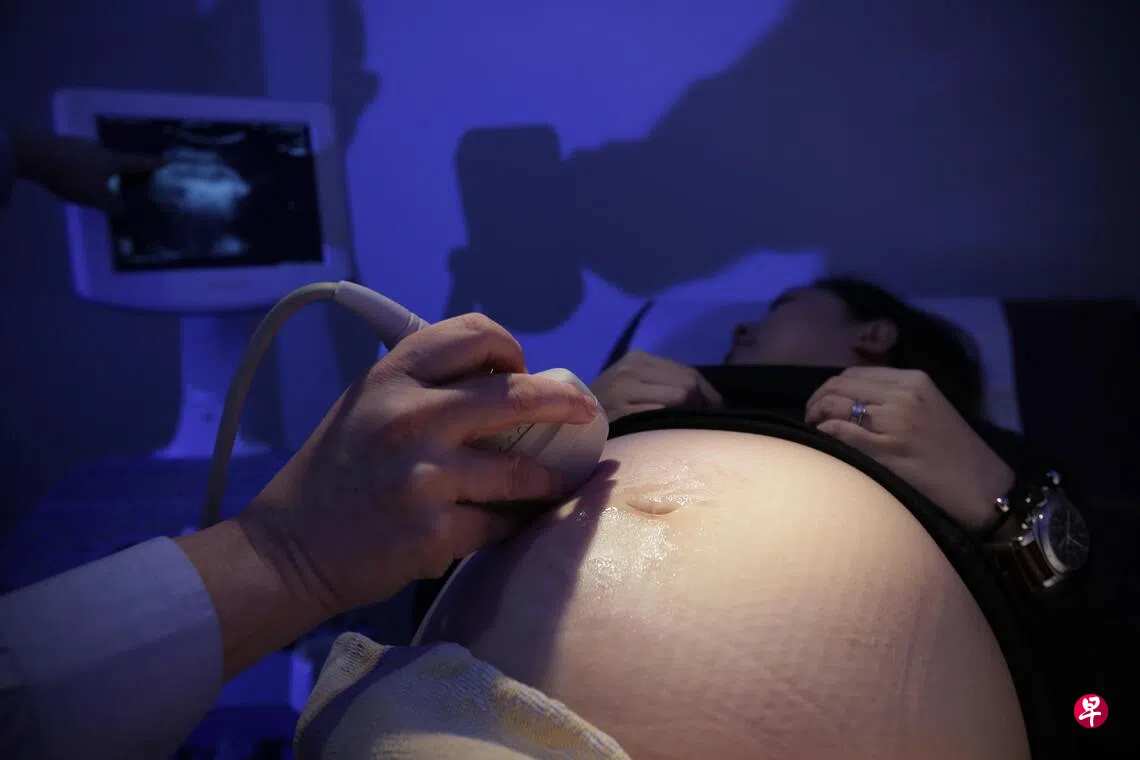
The Ministry of Health (MOH) is studying whether to allow pregnant women to pay directly from their CPF MediSave accounts for antenatal check-ups or ultrasound scans, rather than waiting until their babies are born to submit bills through their delivery hospitals for reimbursement.
Pregnant women and financial advisers interviewed generally welcomed the policy review, saying it could ease cash-flow pressures during pregnancy. But they also raised questions about whether the current $900 withdrawal limit is sufficient, whether the application process would be straightforward, and whether healthcare providers might take the opportunity to raise prices. These factors would influence whether people choose to use the option.
A member of the public recently wrote to the media highlighting the substantial cost of medical checks during pregnancy and suggesting that the government allow antenatal medical expenses to be deducted directly from MediSave before childbirth, to ease the financial burden on parents-to-be.
In response, Justin How, director of financing policy in MOH’s Healthcare Finance Group, said the ministry would study the feasibility of the suggestion.
Currently, those wishing to use MediSave for antenatal medical expenses must keep their bills and wait until their babies are born before submitting them through their delivery hospitals to the CPF Board for reimbursement.
Under the MediSave Maternity Package, up to $900 can be withdrawn for antenatal medical expenses, including consultations, ultrasound scans, blood tests and medication. Women can use their own or their spouses’ MediSave to pay delivery and hospitalisation charges. Withdrawal limits for delivery charges range from $1,120 to $2,770, depending on the mode of delivery. For hospitalisation, the limit is $1,130 a day for the first two days and $400 a day thereafter.
For example, a woman who has a vaginal delivery and stays in a Class B2 or C ward for two days can use a total of about $4,300 from MediSave for her pregnancy and delivery.
Many of the pregnant women interviewed were unfamiliar with the details of the MediSave Maternity Package, possibly because they have company medical benefits or had already made financial plans for having a baby.
Lin Jiamin, 32, the founder of a translation company who is six months pregnant, said she had not known that MediSave could be used after childbirth to reimburse antenatal expenses. Even if she had known, she would have worried that collecting receipts and applying afterwards would be cumbersome.
High cost of non-invasive prenatal testing prompts calls for direct MediSave payments as women have children later
Lin has chosen to have her antenatal check-ups at a private hospital since early in her pregnancy, valuing the efficient consultations and continuity of care with the same doctor. Each routine consultation and ultrasound scan costs between just over $200 and $300. The largest single antenatal expense during her pregnancy is non-invasive prenatal testing (NIPT), which costs between $1,200 and $2,000 and is paid out of pocket.
“At a time when people are marrying and having children later, hardly anyone would skip NIPT. Being able to pay such a large sum directly through MediSave would undoubtedly ease pregnant women’s cash burden considerably.”
Another expectant mother, Chen Keer, 36, who works in the creative sector, said routine antenatal check-ups costing a few hundred dollars each were still affordable for the average middle-class household. But the total often exceeds $1,000, a significant burden for lower-income families. Being able to pay directly through MediSave at each visit would certainly be a great help, she said.
She hoped, however, that the authorities would retain an option to opt out of using MediSave for antenatal care, allowing women with other insurance coverage or those who do not wish to tap their MediSave to decide for themselves.
Maternity insurance plans on the market allow women to take up coverage after 12 or 13 weeks of pregnancy against unforeseen risks such as pregnancy complications or congenital medical conditions in their newborns. The one-off premium is usually no more than $1,500.
Financial adviser: Safeguards can prevent providers from inflating charges
Financial adviser Xiao Cuijuan said in an interview that maternity insurance and MediSave serve different purposes. MediSave pays for routine medical expenses such as antenatal check-ups and scans, which women must pay out of pocket even if they have maternity insurance.
She said allowing direct MediSave payments for antenatal care would be in line with Singapore’s broader efforts to address its falling fertility rate and encourage births. With medical costs rising, however, she suggested that the authorities also take the opportunity to review whether the current $900 limit for antenatal expenses is sufficient for high-risk or more complicated pregnancies.
She also cautioned: “When people are not paying in cash, they inevitably become less sensitive to prices. This could tempt some providers to inflate their charges or promote excessive, unnecessary testing.”
She therefore suggested introducing regulatory safeguards alongside any easing of restrictions. These could include requiring healthcare providers to issue transparent, itemised bills, regularly monitoring antenatal charges across institutions, setting clinical guidelines to curb unnecessary tests, and rigorously auditing unusual billing patterns and surges in claims.
Xiao also called on the government to provide more comprehensive support for Singaporeans’ parenthood journeys, from conception, pregnancy and childbirth through to postnatal recovery. This could include reviewing whether subsidies for assisted reproduction treatment are adequate and studying whether MediSave could be used for postnatal rehabilitative care.
