

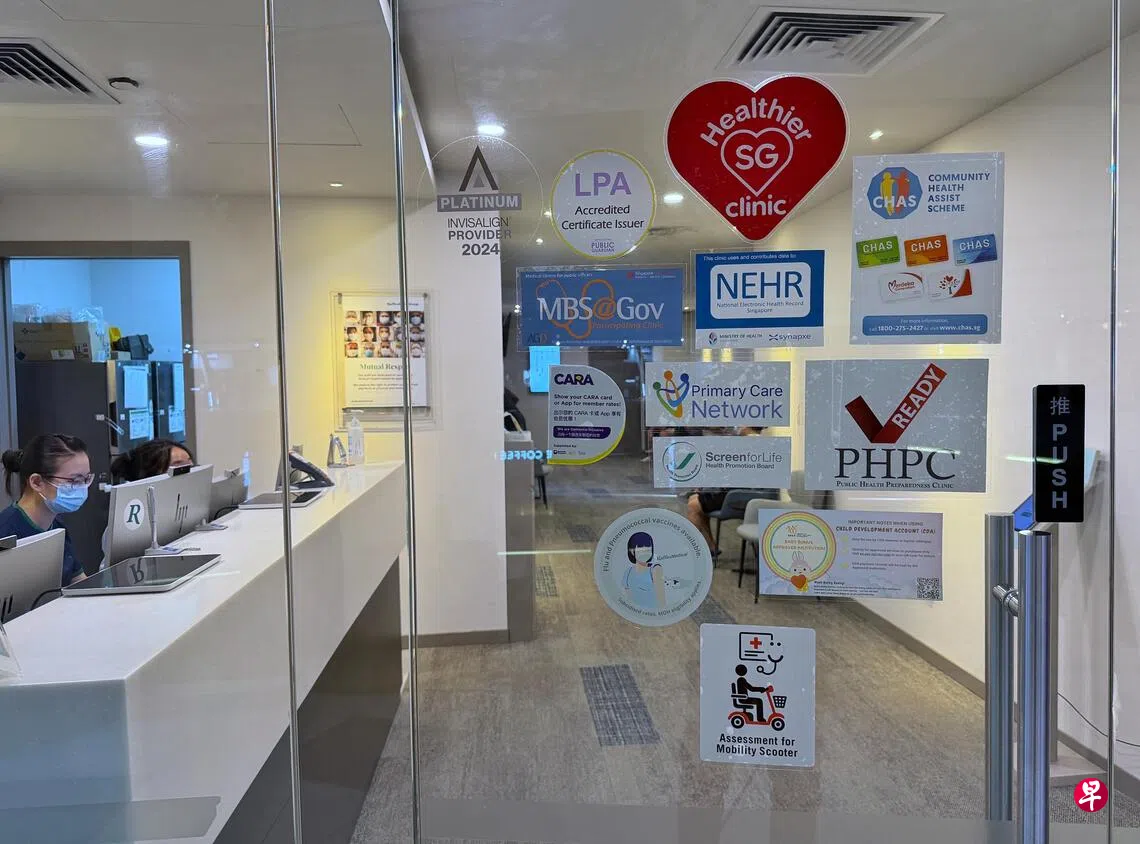
More than 101,000 patient visits have been made to Public Health Preparedness Clinics (PHPC) and all polyclinics in the 10 days since the Haze Subsidy Scheme (HSS) was activated. Acute upper respiratory tract infection was the most common HSS-eligible haze-related condition seen at the PHPCs.
To help Singaporeans manage haze-related conditions, the Ministry of Health (MOH) activated the HSS and the PHPC scheme on 12 October. The subsidies cover allergic rhinitis, asthma, bronchitis, conjunctivitis, chronic obstructive pulmonary disease, upper respiratory tract infections and related complications.
In response to queries from Lianhe Zaobao, MOH said that as of 21 October 2026, more than 58,000 patient visits had been made under the HSS at participating PHPCs, and 43,000 at polyclinics.
An MOH spokesperson said members of the public may experience longer wait times during periods of high demand. Thus far, no significant increase in waiting time for consultations at polyclinics had been observed.
“Polyclinics have measures in place to maintain continuity of care and support patients during the haze period, including prioritising vulnerable patients and offering medication home delivery to those with stable chronic conditions.”
The HSS was last activated in Singapore in 2015, when more than 630 PHPCs and 18 polyclinics participated. There are now 1,300 PHPCs and 28 polyclinics taking part in the scheme.
The spokesperson stressed that Singapore’s primary care capacity had expanded considerably, with the increased number of clinics helping to distribute the patient load across the primary care sector.
All Singapore citizens seeking treatment for haze-related conditions at polyclinics qualify for the HSS. Those visiting general practitioner (GP) clinics participating in the PHPC scheme must meet the specified eligibility criteria.
Eligible groups include children under 19, seniors aged 65 and above, Public Assistance (PA) scheme beneficiaries, members of the Pioneer Generation and Merdeka Generation, and holders of Community Health Assist Scheme (CHAS) blue or orange cards or Medical Fee Exemption Cards (MFEC).
PA scheme beneficiaries receive full subsidies. Members of the Pioneer Generation and Merdeka Generation pay no more than $5 out of pocket, while other eligible patients pay no more than $10.
GPs report marked rise in haze-related cases, including asthma, eye discomfort and respiratory infections
Singapore’s haze situation worsened in mid-October. Air quality was worst in the west on 18 October, when the 24-hour Pollutant Standards Index (PSI) reached 230, the highest reading this year.
Several GPs interviewed said most patients they saw in mid-October had clear haze-related symptoms.
Dr Mok Boon Rui, chief executive of GP chain Pinnacle Family Clinic, said: “There was a period of about a week when the haze was quite bad. Most patients came in with cold symptoms, coughs and eye discomfort, such as watery or itchy eyes. We also saw about 10% more patients with asthma attacks, which we believe were triggered by the poor air quality.”
Dr Chua Thiam Eng said the combined effects of the haze and the recent spread of influenza A had brought more patients with respiratory symptoms to clinics. Older people and those with asthma, chronic obstructive pulmonary disease (COPD) or weakened immune systems were more susceptible to haze-related symptoms.
HMI OneCare Clinics medical director Dr Poh Zhongxian Adrian said about 30% of patients who sought treatment for haze-related illnesses were eligible for and used the HSS. Acute respiratory infections, bronchitis and conjunctivitis were among the more common conditions seen.
Poh said: “Fortunately, most patients have relatively mild symptoms. People are more aware of preventive measures, and patients are seeking treatment earlier. The Haze Subsidy Scheme has lowered barriers to seeking care and played a positive role, particularly in helping vulnerable groups access treatment.”
