

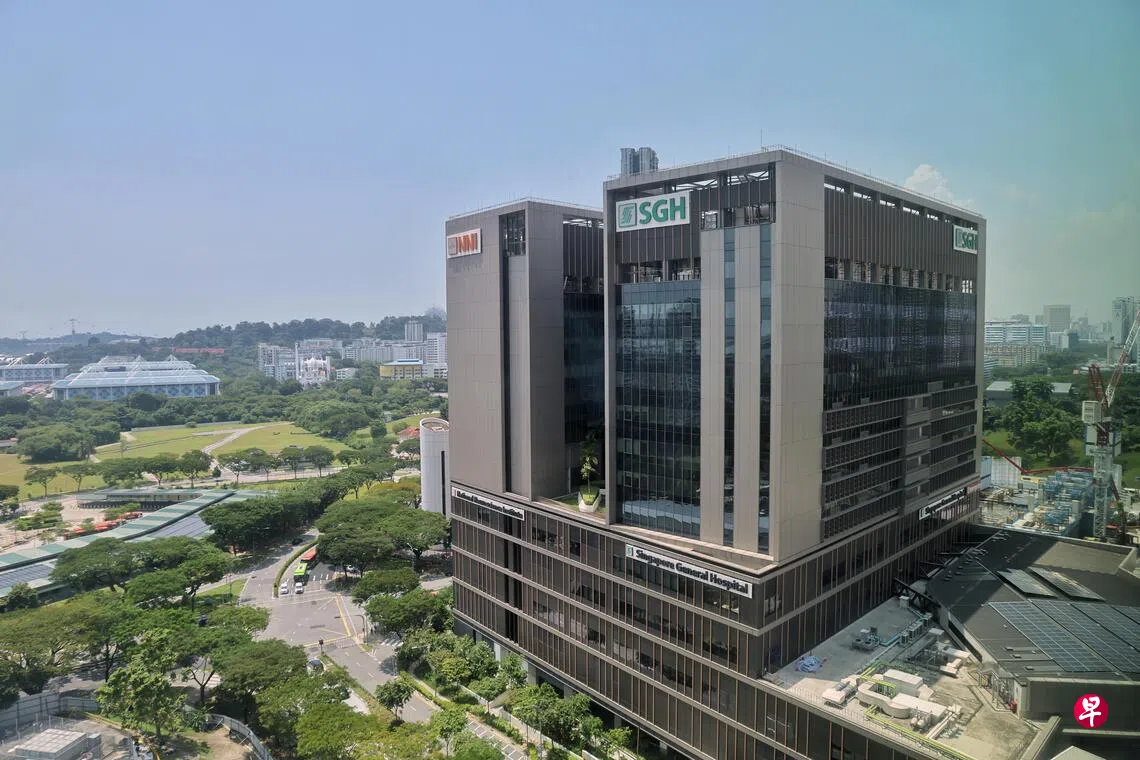
The National Neuroscience Institute’s (NNI) specialist outpatient clinic at Singapore General Hospital (SGH) will offer traditional Chinese medicine acupuncture services from March 2027, giving patients with stroke, migraine, epilepsy, dementia and Parkinson’s disease more treatment options.
Associate Professor Au Wing Lok, chief executive officer of Singapore’s NNI and senior consultant neurologist, announced the acupuncture service on Friday (30 October) at the opening ceremony of the SGH’s Emergency/NNI building. The service will be offered at the Neuroscience Clinic on the 10th floor of the new building. More details will be announced later.
The Neuroscience Clinic has 28 consultation rooms and brings together services including neurology, neurosurgery and neuropsychology. With the expanded outpatient space, SGH physiotherapists, occupational therapists and speech therapists will also work alongside NNI neurologists and specialist nurses to provide collaborative care for patients with conditions such as Parkinson’s disease and motor neurone disease.
Outpatients who need assessments of their mobility, activities of daily living, speech or swallowing can have them completed on the same day, subject to appointment availability, reducing the inconvenience of repeat visits.
Associate Professor Au noted that brain, spine, nerve and muscle conditions can affect a patient’s mobility, speech, memory and mood at the same time. For example, stroke patients need rehabilitation but may also face problems such as difficulty swallowing and depression, requiring comprehensive care coordinated across specialties.
He said the new clinic not only offers patients greater convenience but also enables healthcare professionals from different specialties to collaborate promptly and provide more comprehensive care.
Some neurological treatments no longer require an overnight hospital stay
The Neuroscience Clinic sees about 3,000 patients a month on average. It also has an infusion room offering short intravenous infusions for patients with migraine, multiple sclerosis and early-stage Alzheimer’s disease. Some procedures, such as lumbar punctures, can now also be performed at the clinic, avoiding the need for an overnight hospital stay.
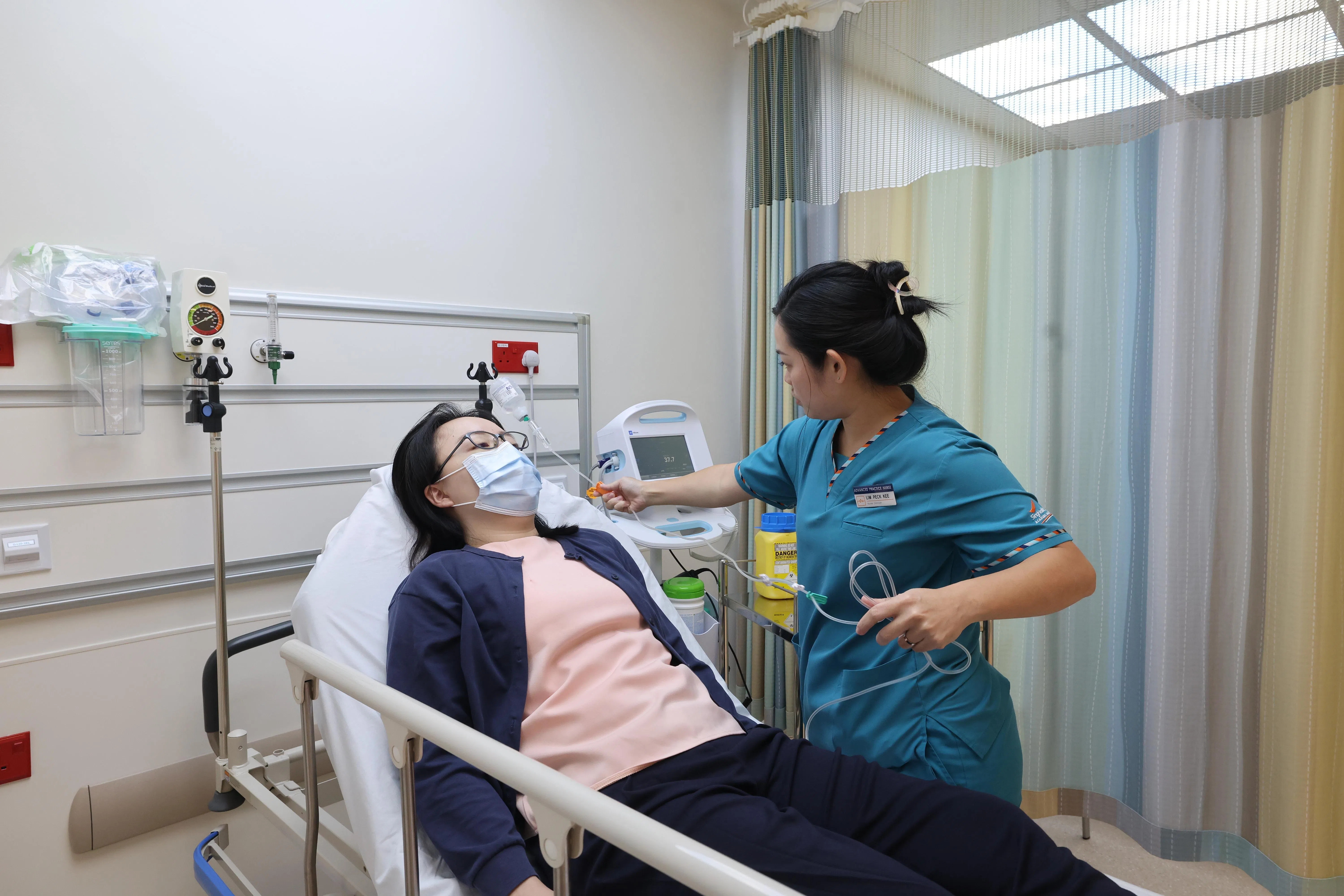
The Neuro-Diagnostic and Therapeutic Centre on the same floor also offers outpatients greater convenience. Subject to appointment availability, patients can undergo the relevant tests on the same day. The centre also provides tests for patients in SGH’s Emergency Department who need them, speeding up diagnosis.
The NNI-SGH Memory and Cognitive Disorders Clinic also brings together specialists in neurology, psychiatry and geriatric medicine for more coordinated care and ensure that patients with dementia receive appropriate treatment.
SGH and NNI said in a joint statement that demand for emergency and neuroscience services is expected to continue growing as the population ages rapidly. By expanding capacity and integrating care services, they hope to meet this demand while maintaining high standards of care.
