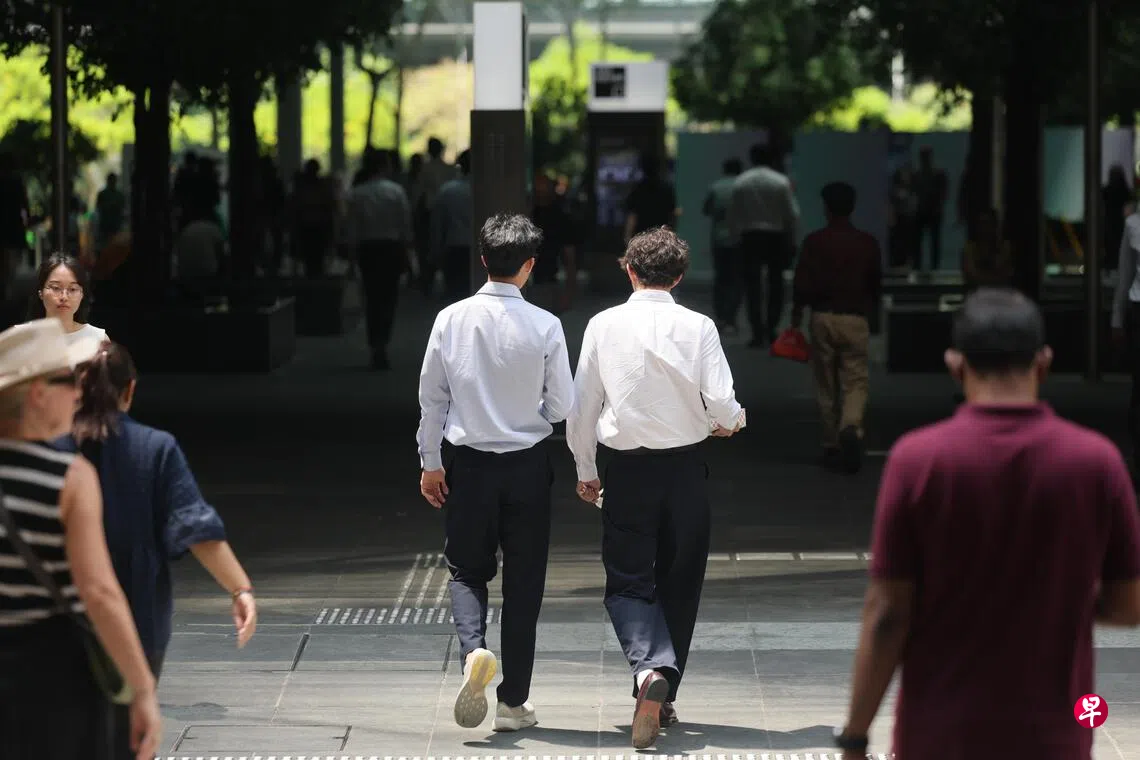
Nuclear technology has advanced rapidly, but public understanding has not kept pace: about two in ten Singapore residents still consider small modular reactors unsafe, while more than four in ten say they lack an understanding of the technology’s safety.
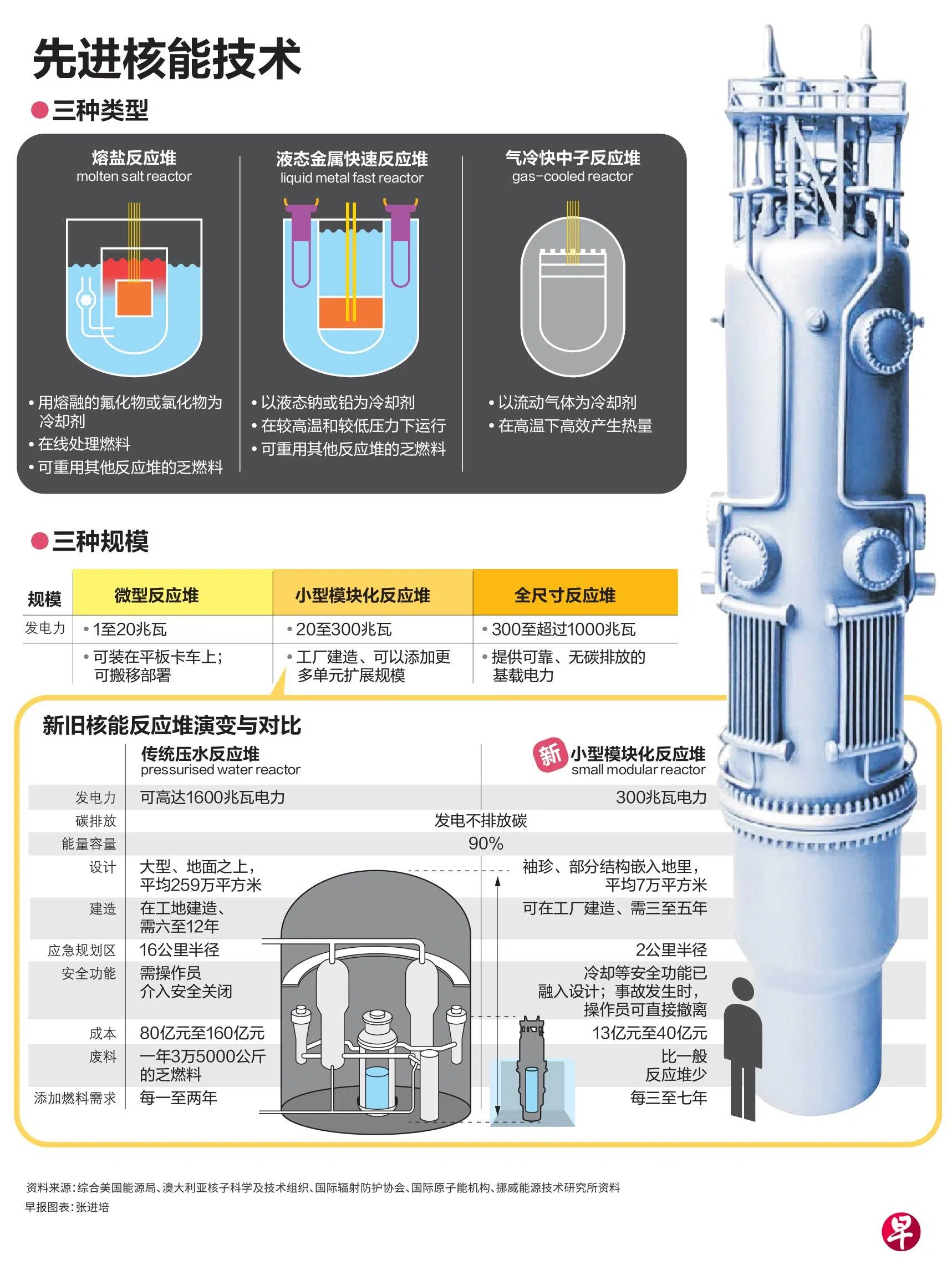
Small modular reactors (SMRs) are a new type of nuclear reactor with a modular design. They generally occupy less space and are equipped with advanced passive safety systems that help reduce the risk of accidents.
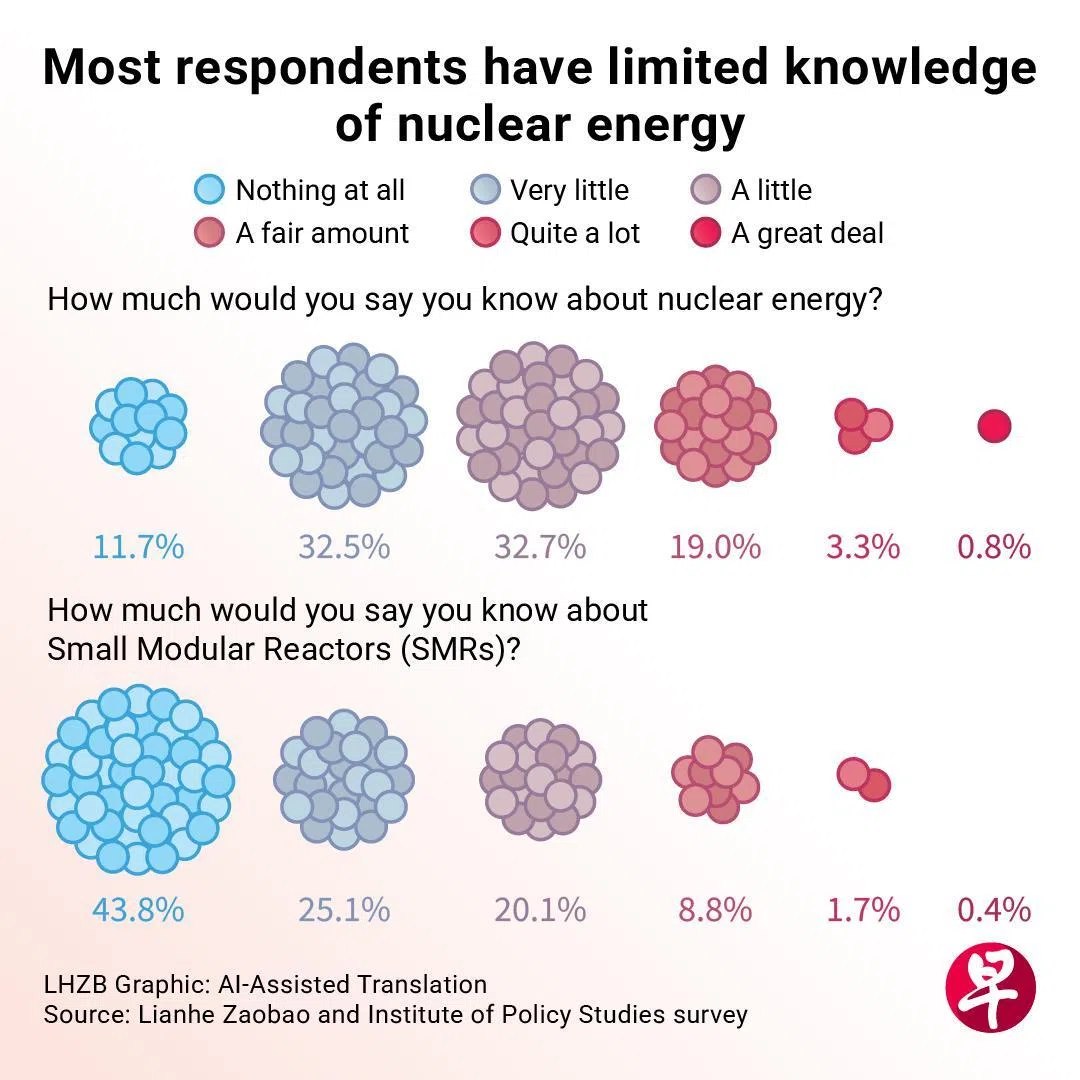
In a Lianhe Zaobao–Institute of Policy Studies (LHZB–IPS) nuclear energy survey of 1,145 people, only 34.3% of respondents considered SMRs safe to some extent, while 23% considered them unsafe. The remaining 42.6% were unable to judge. Even among respondents with university degrees, only 36.4% considered them safe.
Of the 750 respondents who considered SMRs unsafe or were unable to judge, about half (52.6%) changed their minds after receiving more information about reactor safety and came to believe the reactors were safe. However, 37.3% remained unconvinced, while 10.2% were still undecided.
The additional information provided by the survey team explained that SMRs contain less radioactive material and are designed with enhanced safety features, which could reduce the likelihood and impact of an accident.
This may allow for much smaller emergency planning zones — potentially a few hundred metres for some SMR designs, compared with about 16 km around conventional large reactors.
Overall, men and middle-aged and older respondents were more confident about SMR safety. Among male respondents, 45.8% considered SMRs safe to some extent, compared with just 22.7% of women.
However, after reading the additional information, about half of both men and women who had initially been unsure or considered the reactors unsafe changed their minds.
Of the three age groups, young people aged 21 to 35 were the most uncertain about SMR safety, with 52.2% unable to judge. The corresponding figures were 39.3% for those aged 36 to 50 and 39.2% for those aged 51 and above.
After reading the additional information, however, there were no longer significant differences between the three age groups’ assessments of SMR safety. Among young respondents who had initially held negative views or been unsure, 59.7% changed their minds, compared with 48.6% of those aged 36 to 50 and 51.2% of those aged 51 and above.
Clinical psychologist Te An Shu, 29, told LHZB in a street interview that although she knew SMRs were safer, the technology was not yet mature, with many designs still undergoing testing and research. Further consideration would need to be given to the safety of this technology before deployment, taking Singapore’s circumstances into account.
Te noted that while the nuclear power plant accidents at Fukushima and Chernobyl were rare major incidents and did not reflect the overall safety of nuclear technology, they inevitably influenced people’s judgements. “If I don't know about these incidents, my risk assessment will probably be leaning more towards it being safe.”
Low public awareness of SMRs is expected: Singapore Nuclear Research and Safety Initiative
Responding to queries, the Singapore Nuclear Research and Safety Initiative (SNRSI) said low public awareness was to be expected, given that SMRs were a new nuclear technology.
SMRs encompass a range of designs rather than a single standard technology. To understand them, people need clear explanations of how fusion produces electricity, how reactors are kept safe and how spent fuel and radioactive waste are managed.
SNRSI said frankly, “Though it is desirable for the general public to know of these, it is an unrealistic expectation currently.”
The poll showed that having more information helped improve public perceptions of nuclear energy. International experience also highlights the value of clear and transparent communication and science-based explanations grounded in facts as a means of building public trust in the decision-making bodies responsible for nuclear energy deployment.
However, public education efforts must proceed gradually and thus cannot deliver immediate results.
SNRSI said it would continue working with government agencies to develop teaching materials for schools suited to different ages and stages of learning. It believes the public will gradually become more familiar with nuclear energy issues over time.