

A mould of clasped hands preserves the lifelong bond between a mother and son, or a sister and brother, in physical form — because the mother and sister will never be able to hold his hand again.
A man in his 20s suffered a sudden brain haemorrhage while exercising and was admitted to hospital unconscious. Two weeks later, he was declared brain dead, leaving his family devastated by the unexpected news. Wong Hon Guan, 38, a nurse clinician in Tan Tock Seng Hospital’s (TTSH) Neurosurgical Intensive Care Unit, and the nursing team made separate moulds of the patient’s hand clasped in his mother’s and sister’s hands. They also set recordings of his heartbeat to music, creating precious, lasting mementos.
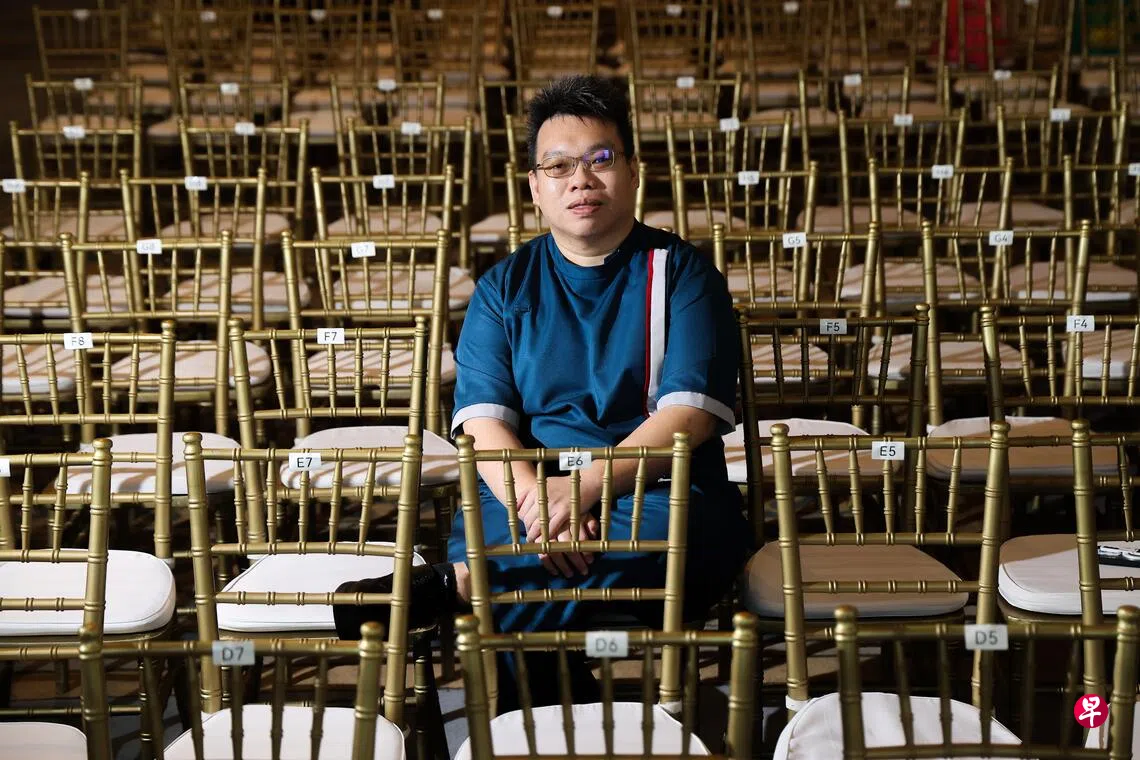
Wong, who has worked at TTSH for 15 years, is also one of the hospital’s Brain Death Coordinators. He often supports families through the difficult experience of losing a loved one.
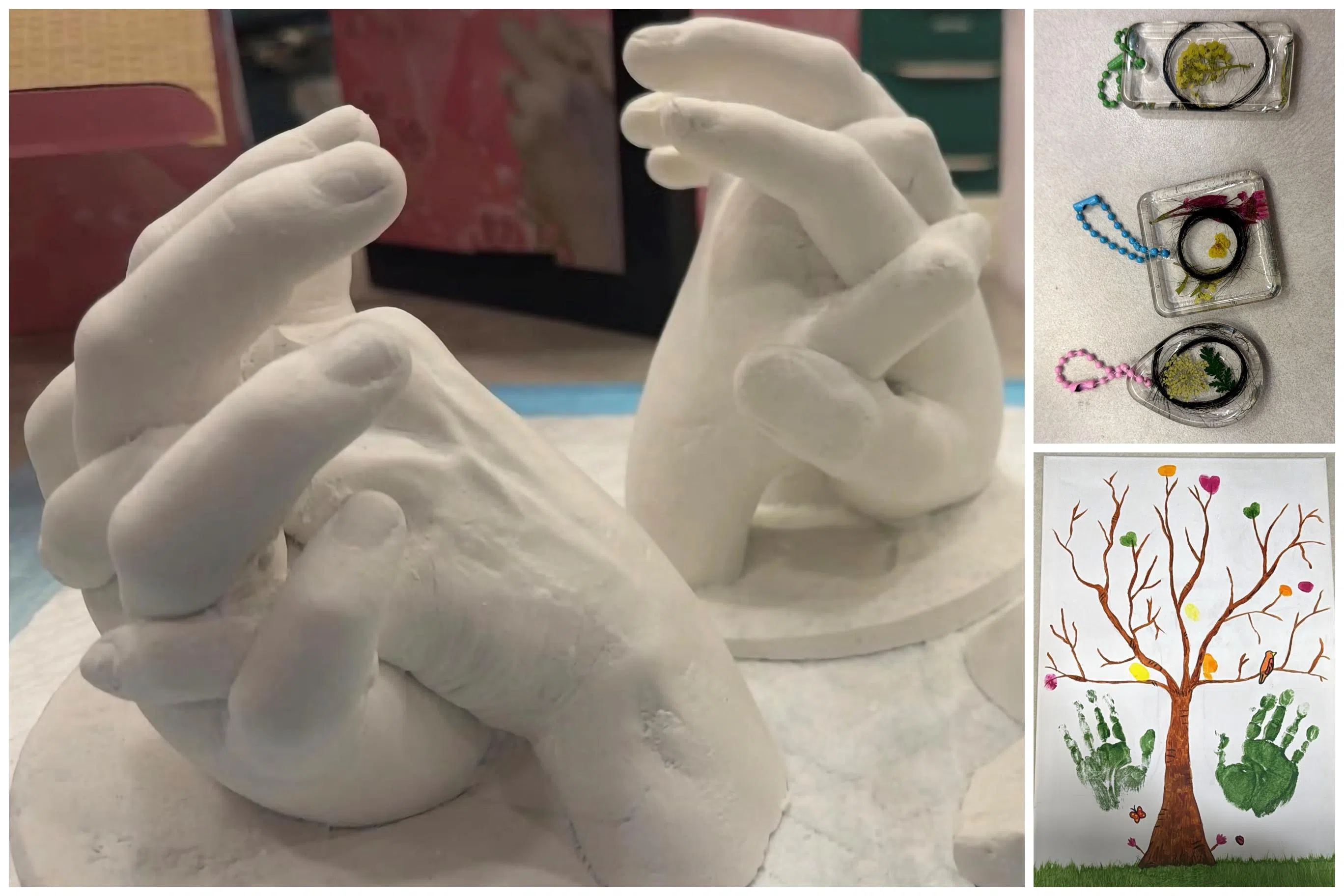
In August last year, he introduced the practice of creating “lasting mementos”, drawing on the work of colleagues providing palliative care in other departments. He led the intensive care team to create hand moulds, handprints, keyrings containing locks of hair and musical keepsakes incorporating heartbeat recordings for dying patients and their families.
“Some patients’ conditions deteriorate suddenly, leaving their families emotionally distressed and struggling to accept that their loved one is about to die. These keepsakes give families something tangible to remember them by after they are gone.”
There is no fixed format for the hand moulds or handprints, he said. With the consent of the young brain-dead patient’s family, for example, the team made three moulds: one of the patient’s hand alone, one of his hand clasped in his sister’s and another of his hand in his mother’s. They symbolised the family remaining together and preserved precious memories.
Since the “lasting mementos” initiative began, keepsakes have been made for 40 to 50 patients, the vast majority of whom have since died. He hopes the practice will gradually become part of the intensive care unit’s nursing culture.
After years of working in intensive care, Wong is accustomed to facing death and loss, but there are still moments when he struggles to contain his emotions.
Recalling the young brain-dead patient, he admitted that he nearly cried while accompanying him to the operating theatre. Besides talking to colleagues, spending time with his wife and four-year-old son after work helps him regain his emotional balance and strength.
Wong is one of this year’s recipients of the “Healthcare Humanity Award” from MOH Holdings. He said the award was an affirmation of his work, but the credit belonged to the entire intensive care team.
He also encouraged those considering a nursing career to give it a try, saying nurses need patience and passion.
“Over the past 15 years, there have been times when I wanted to resign. But the desire to care for and help people has always mattered most.”
He recalled that when he first joined the profession and worked in a general ward, only three of about 40 nurses were men. Although male nurses remain a minority, their numbers are gradually increasing, and public perceptions of nursing have also changed.
“There are many possibilities in nursing today. Besides caring for patients, you can also work in research, artificial intelligence or health informatics.”
