

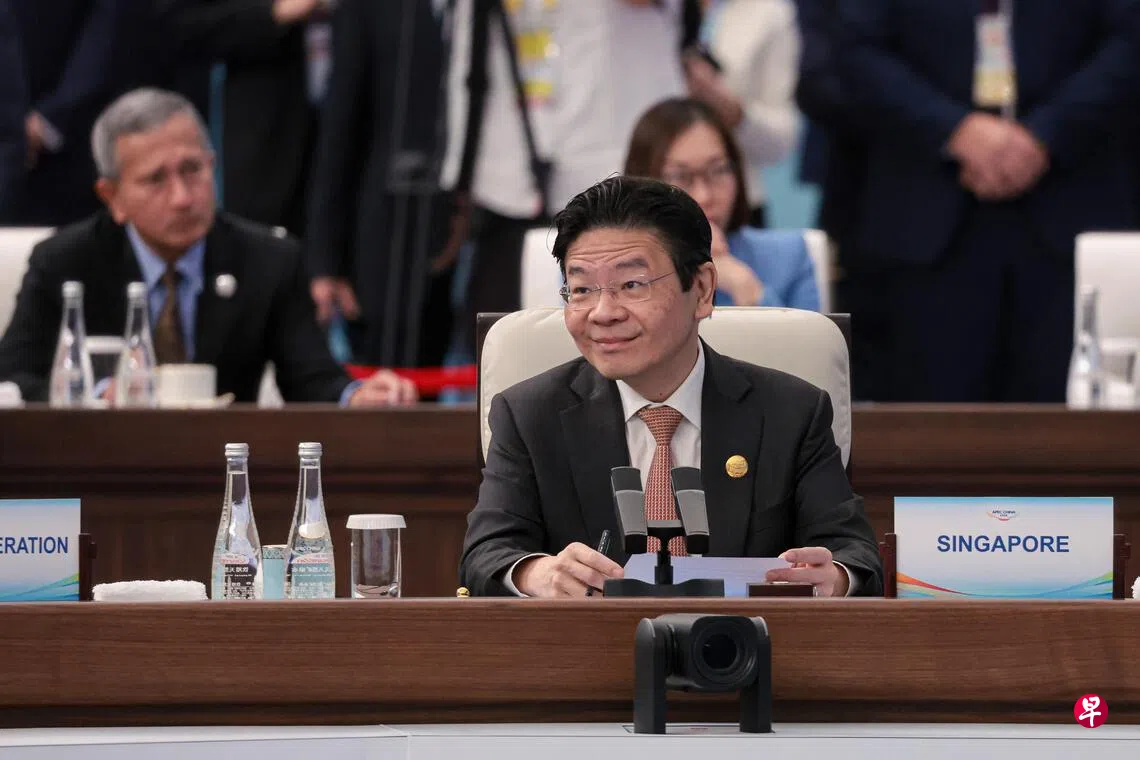
Globalisation is entering a new era marked by greater contestation and fragmentation. Prime Minister Lawrence Wong has urged Asia-Pacific economies to find new ways to cooperate even when they cannot agree on everything. Differences should not become an excuse for inaction, nor should the region be allowed to split into competing economic blocs.
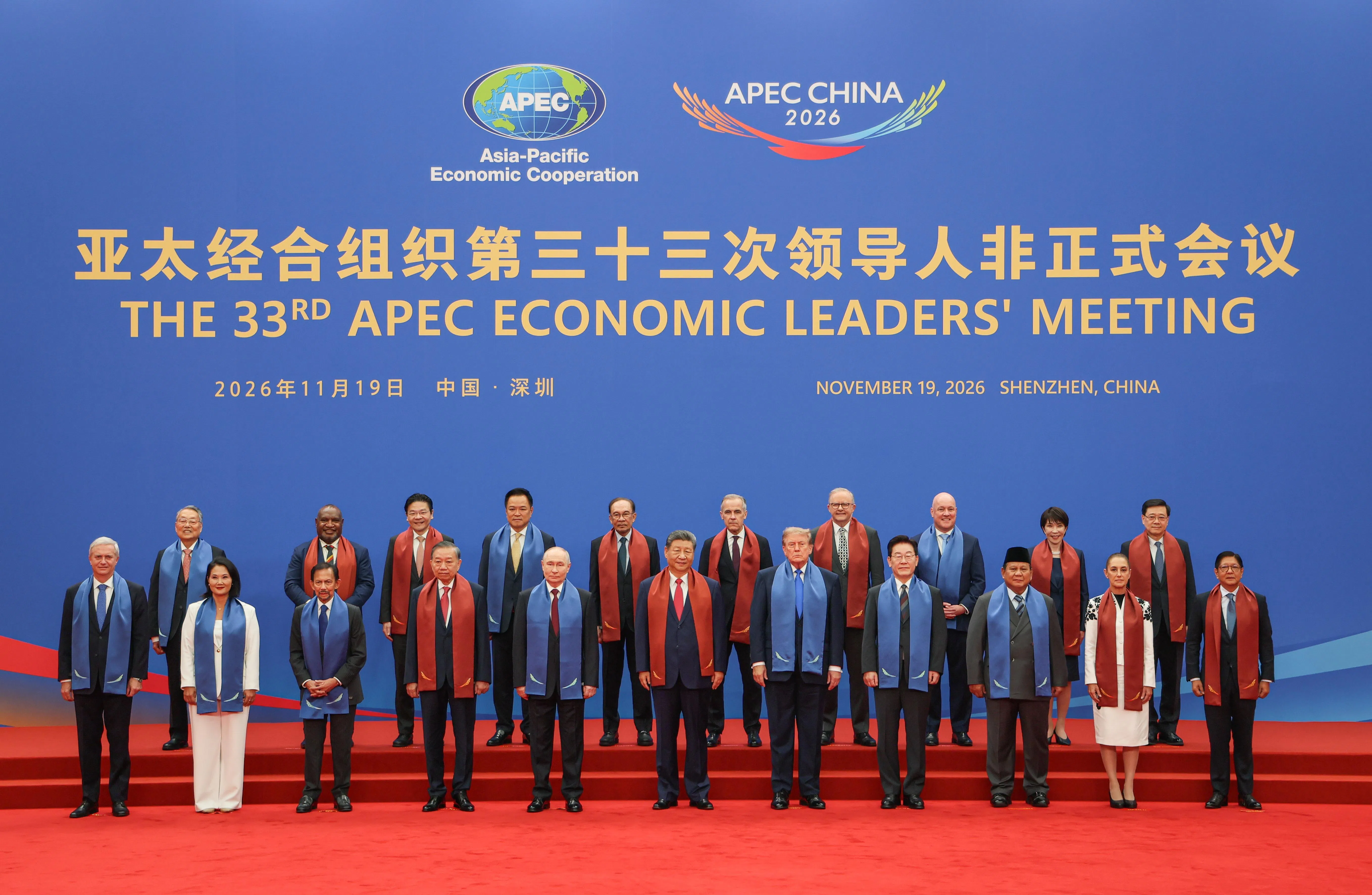
Speaking at the 33rd Asia-Pacific Economic Cooperation (APEC) Economic Leaders’ Meeting in Shenzhen, China, on Thursday (19 November), PM Wong said the Asia-Pacific had prospered through openness, innovation and economic cooperation. But the conditions that made this success possible can no longer be taken for granted. This year’s meeting, themed “Building an Asia-Pacific Community to Prosper Together”, focuses on three priorities: openness, innovation and cooperation.
PM Wong cited Shenzhen’s remarkable transformation as an example of what openness, innovation and economic cooperation can achieve. He said the city’s development reflected the wider Asia-Pacific economic miracle — a region that had prospered by opening up and connecting with the world.
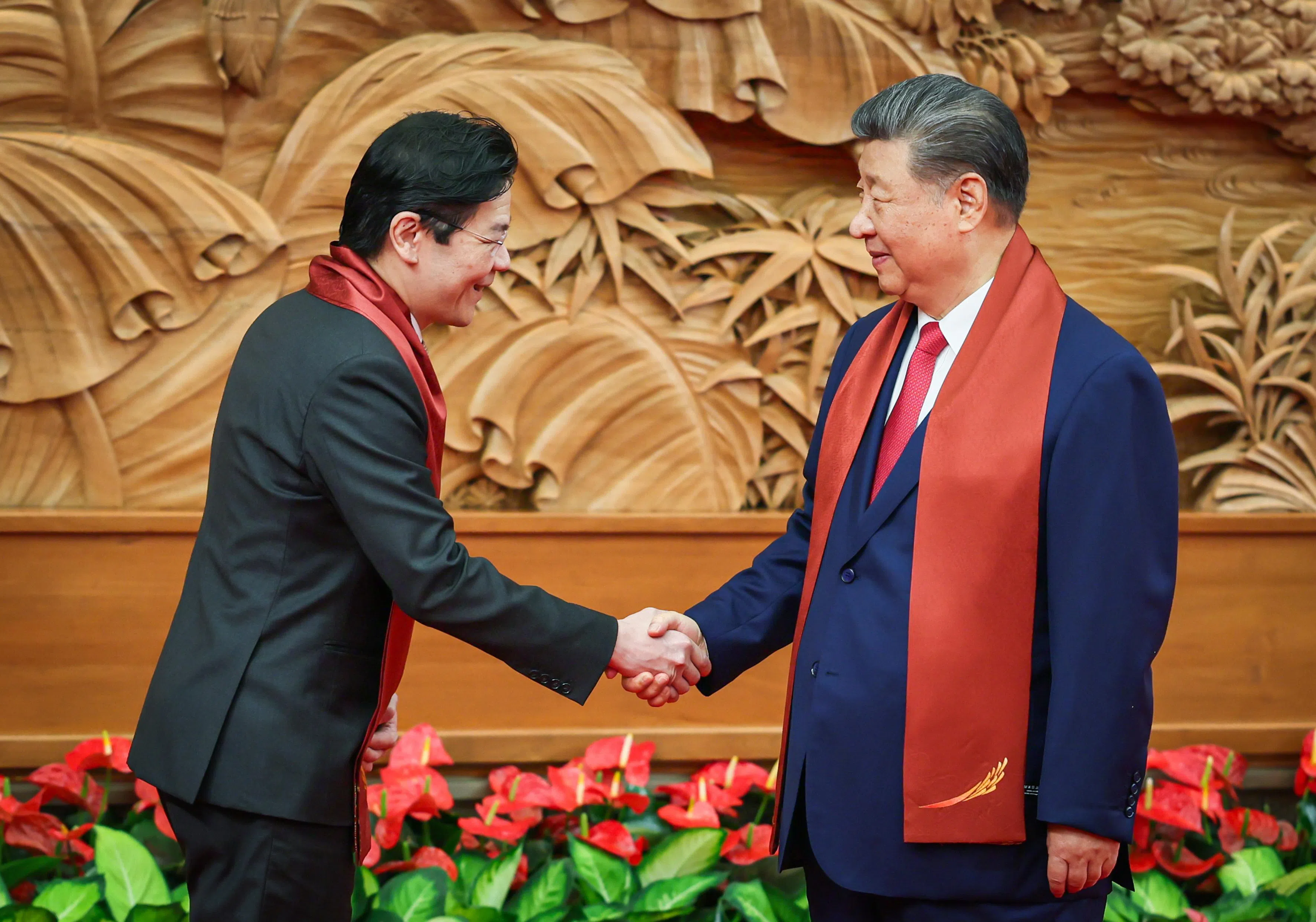
However, geopolitical tensions are intensifying, and countries increasingly view their economic ties through a national security lens. While new technologies such as artificial intelligence (AI) offer immense opportunities, they also raise concerns about jobs and security, undermining public trust in technology.
PM Wong said: “So we are entering a different era of globalisation – one that is more contested and fragmented. We must adapt to these new realities. In particular, we should not allow our region to become divided into competing economic blocs.”
He stressed that that is where APEC has an important role to play. He outlined three priorities: “we must keep the Asia-Pacific open and connected”; “we can find new ways to cooperate, even when we cannot agree on everything.”; and “we should ensure that economic cooperation delivers real benefits for our businesses and people.”
Advancing a Free Trade Area of the Asia-Pacific and preserving an open trading system
PM Wong said the region had succeeded by building bridges, not barriers. Economies must preserve this openness even as they adjust to new economic and security realities.
The Asia-Pacific already has trade agreements such as the Comprehensive and Progressive Agreement for Trans-Pacific Partnership (CPTPP) and the Regional Comprehensive Economic Partnership (RCEP), but cooperation should not stop there.
He said: “We should build on these agreements and take concrete steps towards APEC’s vision of a Free Trade Area of the Asia-Pacific.”
PM Wong stressed that the approach to regional cooperation should be open and inclusive, to reinforce rather than divide the wider trading system. Economies must also continue supporting reforms to strengthen the World Trade Organization (WTO) and uphold a rules-based multilateral trading system.
However, he acknowledged that reaching consensus among all Asia-Pacific economies would become increasingly difficult in the current international climate. “But that should not become an excuse for inaction.” He noted that willing economies could still move ahead with cooperation even without full consensus.
For example, within the WTO framework, like-minded partners can make progress through plurilateral initiatives such as the Multi-Party Interim Appeal Arbitration Arrangement and the E-Commerce Agreement.
New initiatives that Singapore participates in and promotes, such as the Green Economy Partnership Agreement and the Future of Investment and Trade Partnership, also allow partners to explore innovative approaches and seize emerging opportunities.
PM Wong said: “We should pursue a more flexible and pragmatic approach towards multilateralism – to allow willing partners to move ahead, demonstrate what works, and keep the door open for others to join when they are ready.”
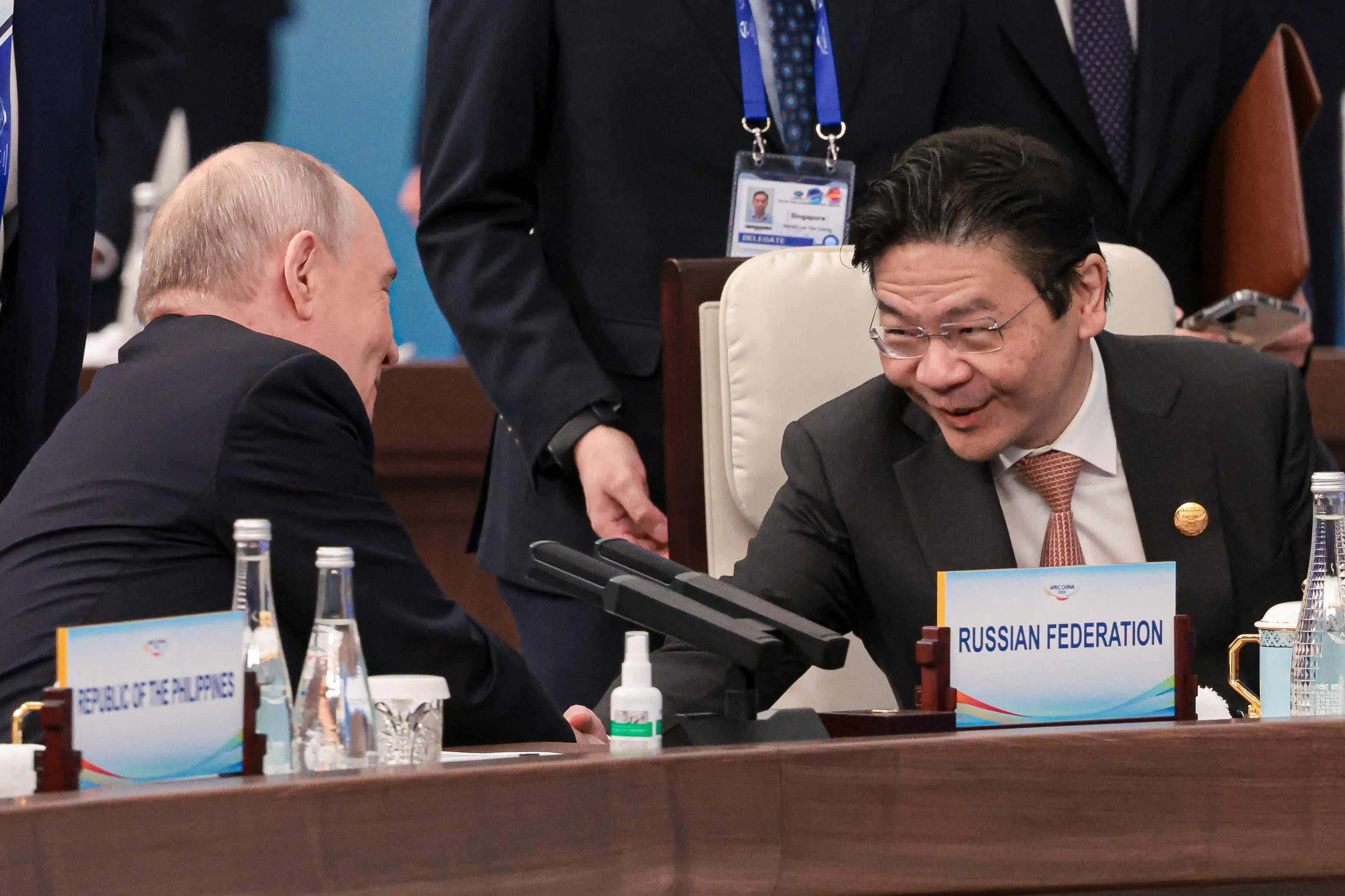
Economic cooperation must benefit people; AI should be about more than competing over chips and models
PM Wong said APEC’s success would ultimately be judged not by the declarations issued, but by whether businesses found it easier to trade, workers had better opportunities, and people saw improvements in their lives.
He cited the APEC Centre of Excellence for Paperless Trade (ACCEPT) as an example of how seemingly small technical improvements could deliver practical benefits for businesses.
Jointly conceived by Singapore, Australia and the APEC Business Advisory Council, the initiative aims to make it easier for businesses to exchange electronic trade documents across borders, reducing paperwork and costs while helping them enter new markets.
The same pragmatic approach to cooperation can also be applied to AI.
PM Wong said much of the public discussion around AI had focused on the competition for leadership and for the best chips and models. While some of that competition was inevitable, there was also considerable scope for economies to work closely together.
He said APEC could play a role in several areas, including exploring how AI could raise productivity, supporting its adoption by small and medium-sized enterprises, encouraging investment in AI infrastructure, and helping workers acquire relevant skills so that more people could benefit from technological advances.
