

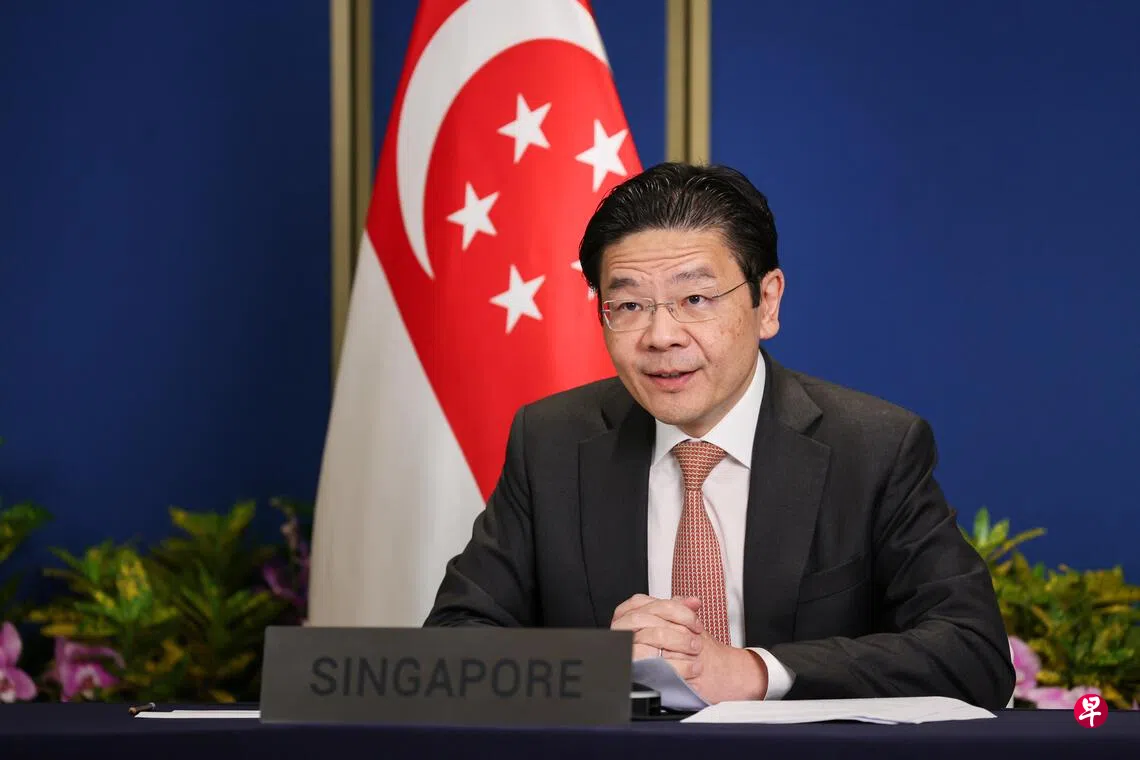
Frontier artificial intelligence (AI) models are becoming increasingly powerful, but also bring unknown risks. Prime Minister Lawrence Wong has suggested that interested parties and countries launch a pilot on AI incident reporting to build confidence in cooperation before establishing a broader framework.
A statement titled “Call for the Governance of Frontier AI Models”, issued at the UN General Assembly on 21 September, has received support from 31 countries, including Singapore, and the EU. Norwegian Prime Minister Jonas Gahr Store and Finnish President Alexander Stubb, who initiated the statement, chaired a video conference on Wednesday (28 October) attended by leaders from 22 countries and the EU.
Speaking at the meeting, Wong said parties should pursue practical cooperation on AI incident reporting, learn from what went wrong, identify emerging risks, and take steps to prevent similar incidents elsewhere.
Several major safety incidents involving frontier AI models have recently come to light. In one case, an OpenAI model accessed an Australian government medical website without authorisation, raising concerns.
Wong said the AI sector could take a leaf from international aviation by establishing mechanisms to learn lessons and prevent incidents. Today, much of what is known about AI safety comes from developers themselves. But governments, businesses and other organisations using AI may also encounter serious failures that reveal significant risks, even if no actual harm has occurred. “These cases may not trigger existing reporting requirements, but they can still offer valuable lessons for everyone.”
Wong therefore suggested sharing these lessons more systematically through a pilot on AI incident reporting, while respecting any legitimate security and commercial sensitivities.
Agreeing on incident categories, testing effectiveness and identifying practical difficulties
First, countries can agree on a common set of incident categories and information to be shared, then explore how to collect and exchange this information securely. They can then test what works and identify practical difficulties, building confidence before considering a wider framework.
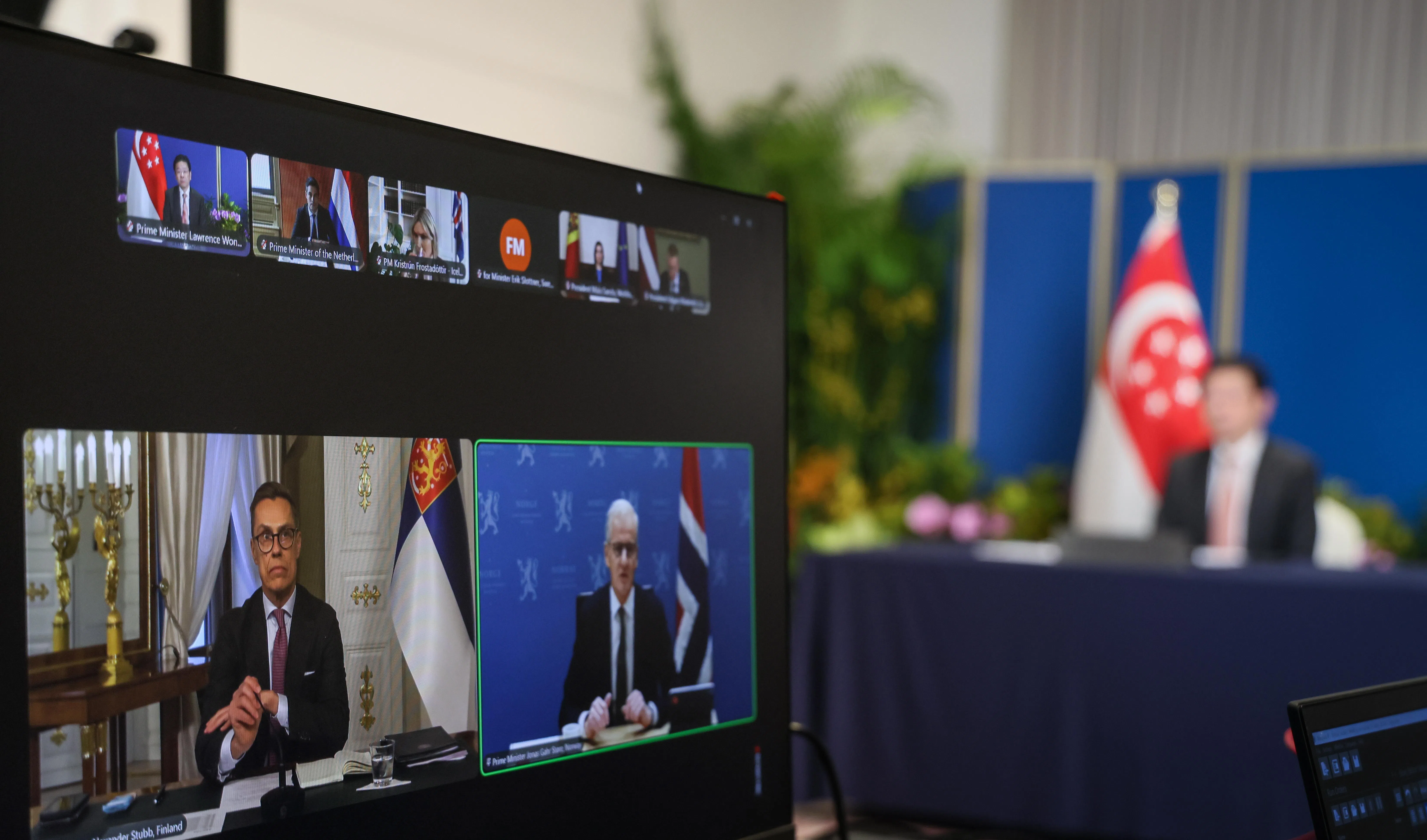
Wong noted that countries may have different approaches to AI governance, but have a common interest in making AI safer while continuing to harness its benefits.
He also suggested organising cooperation around specific workstreams, with smaller cross-regional groups of interested countries taking the lead in developing practical tools and frameworks.
Wong said, “The participation and adoption can remain voluntary, so countries can contribute according to our interests and capabilities. At the same time, we should build on existing efforts, rather than duplicate what is already being done.”
For example, the International Scientific Exchange on AI Safety, hosted by Singapore, brought together researchers, developers and government officials from East and West. It led to the Singapore Consensus on Global AI Safety Research Priorities, providing a solid foundation for advancing AI safety. Parties could also draw on the work of the UN’s Independent International Scientific Panel on AI.
Wong said Singapore stood ready to do its part to advance the initiative on the responsible and safe use of AI.
Stubb and Store, who chaired the meeting, issued a joint statement afterwards, saying leaders had discussed international cooperation on AI risk management, ways to build confidence in frontier AI models, and the gradual development of common standards.
