

Preventing leaks of radioactive material from nuclear power plants and ensuring the ability to respond to accidents are key policy considerations in developing nuclear power. The National Environment Agency (NEA) is building on its existing radiation protection capabilities to strengthen its regulatory capacity and prepare for developments including those in nuclear energy across the region.
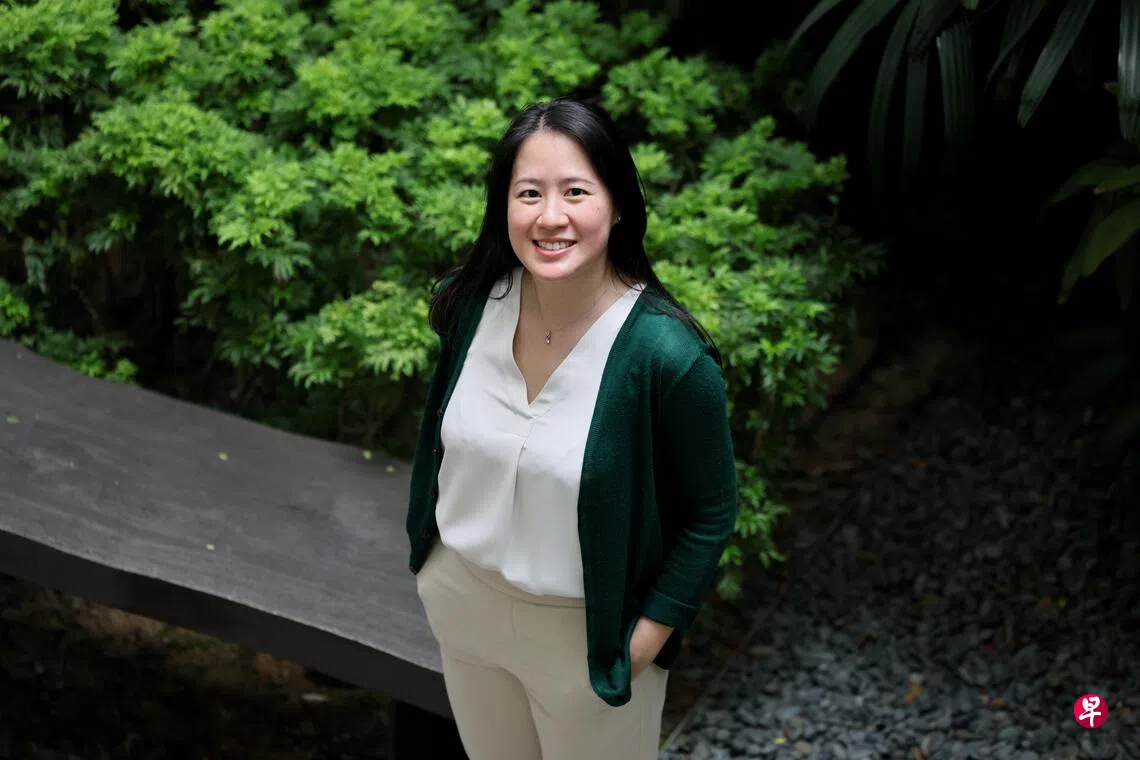
Wendy Su, 38, Covering Director of the Nuclear Safety Division within the NEA’s Radiation Protection and Nuclear Science Group, stressed that Singapore has not decided whether to adopt nuclear energy. It is currently building the capabilities needed to make an informed decision.
In an interview with Lianhe Zaobao (LHZB), she said developing nuclear energy involves not only the safety of radioactive materials but also substantial investment in the overall project. Singapore must ensure it has sufficient knowledge to make a final decision.
“It's not just about understanding what we are going to buy the technology. It's also understanding what are the downstream impacts of it. What is the waste that will be generated? Are we prepared to deal with that waste?”
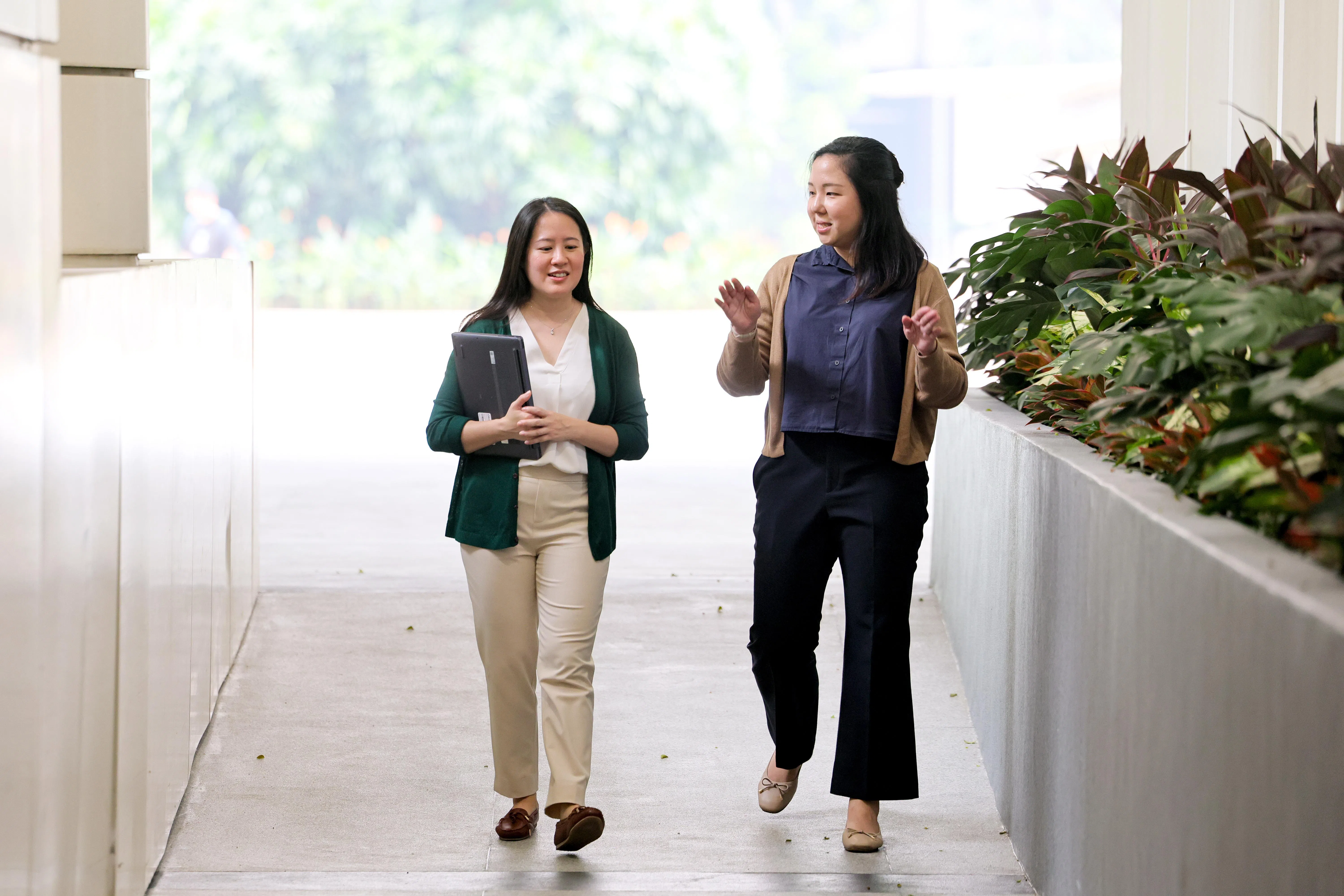
NEA established its Nuclear Safety Division last October to concentrate resources on deepening expertise in nuclear safety, regulation and environmental protection. Su said building capabilities takes sustained effort over a long period, making it necessary to deploy resources early.
“Sure, we can we can hire consultants, we can hire experts. But it's the same idea as when you buy a house, would you give $1 million to your agent and say go and buy me a house? You want them to come back to you, give you advice, and then you decide which house you're gonna buy. So we need to build up that understanding.”
Whether or not Singapore ultimately adopts nuclear energy, it should keep abreast of nuclear energy developments in the region. Su said: “We want to build up that capability to understand if our neighbors do build power plants, what are the potential implications? What exactly we need to understand about it? So how we can better prepare ourselves for it?”
Not starting from scratch in building radiation regulation capabilities
Building radiation regulation capabilities is the Nuclear Safety Division’s top priority, but Su stressed: “We are not starting from ground zero.”
Singapore currently uses the Radiation Protection Act to control and regulate the import, export, manufacture, sale, disposal, transport, storage, possession and use of radioactive materials and irradiating apparatus. The Act also aims to make provision in relation to, and to the non-proliferation of nuclear weapons, to establish a system for the imposition and maintenance of nuclear safeguards.
Su said the Radiation Protection Act safeguards public health by ensuring that radiation exposure among workers and the wider public remains within acceptable limits. Although the Act does not specifically address nuclear power plant operations, its regulatory principles are relevant to considerations on developing nuclear energy.
She noted that nuclear power plants are large, complex facilities. Aspects such as reactor design and emergency buffer zones must be regulated to ensure that the necessary radiation protection measures are in place and that there is capacity to respond to an accident. The potential consequences if the response proves inadequate must also be assessed.
Policy questions the government is considering include how Singapore should regulate nuclear power if it decides to develop it, what institutional framework would be needed, how a licensing system for nuclear power plant operations should be designed, which government agency should oversee regulation, and whether a separate dedicated agency would be necessary.
Asked whether Singapore plans to draft new legislation, Su said the government has neither discussed nor made any decision on introducing new laws for nuclear energy development. The immediate task is to build the capabilities needed to assess the safety of developing nuclear power and to draft new legislation if necessary.
Building nuclear capabilities is complex, but frameworks and solutions exist
On 27 October, NEA announced that it had formally appointed three consultancies to help strengthen Singapore’s capabilities in nuclear safety, regulation and environmental protection, including by drawing on international experience.
To deepen their understanding of nuclear energy and promote international cooperation, Singapore government officials also make overseas visits to study nuclear energy development and regulation. Su observed that while national circumstances differ, countries share several challenges, such as allocating manpower and determining how to use artificial intelligence.
Ultimately, however, national circumstances differ. While international experience offers useful lessons, implementation must be tailored to local conditions. Su said: “It's why we cannot just purely rely on external consultants, because external consultants will generally look at things from their context. You can ask them to look at things in your context as well, but that's where we need our local expertise.”
She acknowledged that the work involved — from building nuclear energy capabilities to deciding whether to adopt nuclear energy and, if so, how to build nuclear power plants — is complex. But frameworks and solutions exist to address it. “Complexity itself is not an issue. It's how you approach the complexity.”
