

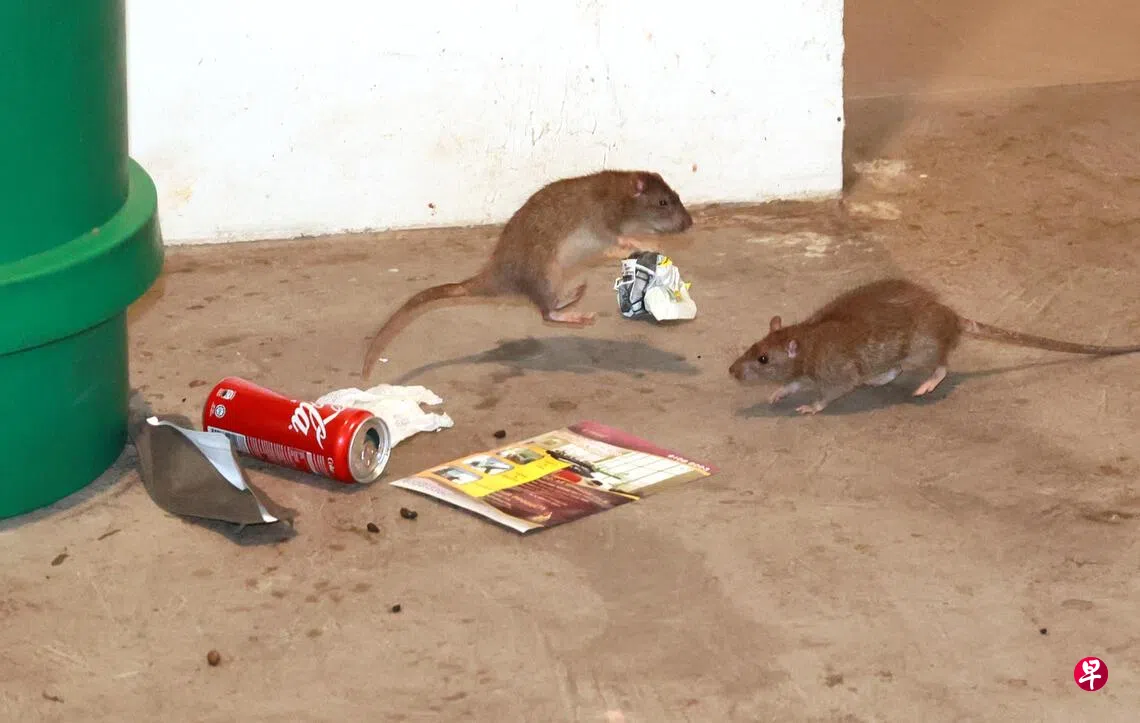
The number of rat burrows in Singapore’s public areas has rebounded after a sustained decline. The National Environment Agency (NEA) found an average of about 4,000 rat burrows in each two-month monitoring cycle from July to October this year, up nearly 18% from about 3,400 in the first half of the year.
Most rat burrows were found in HDB estates, followed by roadside grass verges and industrial areas.
In its third-quarter public cleanliness and hygiene enforcement update released on Thursday (19 November), NEA said sustained housekeeping and proper refuse management are essential to suppressing rat activity, as populations can rebound quickly where food sources and harbourage remain available.
NEA’s monitoring, conducted every two months, found an average of about 5,400 rat burrows per cycle in the first half of last year. This fell to 4,200 in the second half and further to 3,400 in the first half of this year. However, the average rose to about 4,000 across the July–August and September–October monitoring cycles this year.
To tackle rat infestations at source, NEA and the Singapore Food Agency (SFA) have continued to take enforcement action over lapses such as poor refuse management, defects in refuse-handling facilities and the presence of rat harbourage on premises.
The two agencies took about 210 enforcement actions in the third quarter of this year, down from about 290 in the second quarter. About 110 involved poor refuse management, also down from about 140 in the previous quarter.
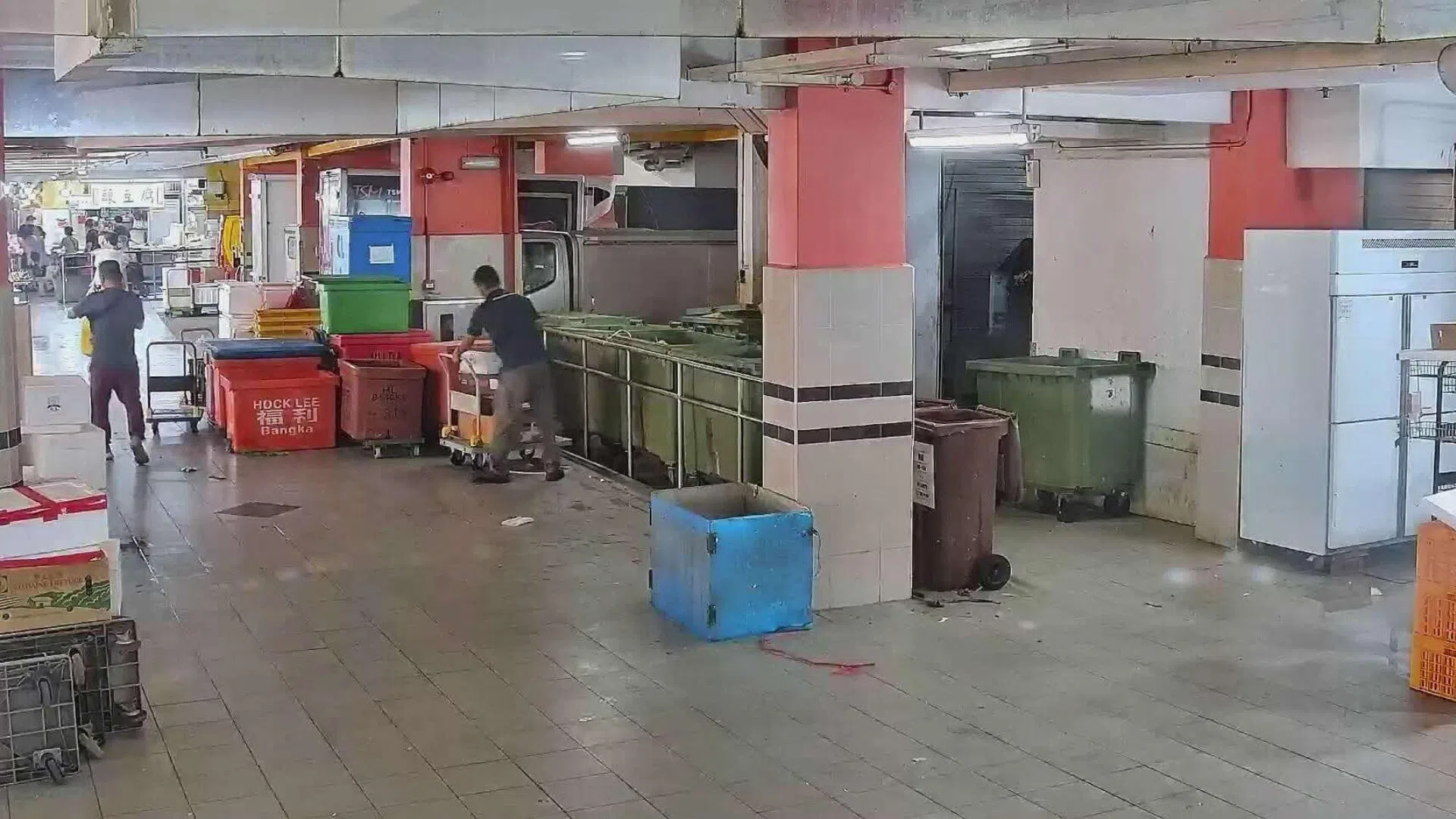
Under NEA’s Cleaner Neighbourhood initiative, refuse management lapses in the area around Kreta Ayer Road, New Bridge Road and Smith Street in Chinatown fell by 81% over five months.
Measures taken by the authorities included engaging businesses and market stallholders on proper refuse management, working with Town Councils to reduce visible waste and deploying surveillance cameras.
Town Councils can request cameras at three locations each month to tackle high-rise littering
Besides curbing rat infestations, NEA has also stepped up cooperation with Town Councils to tackle high-rise littering.
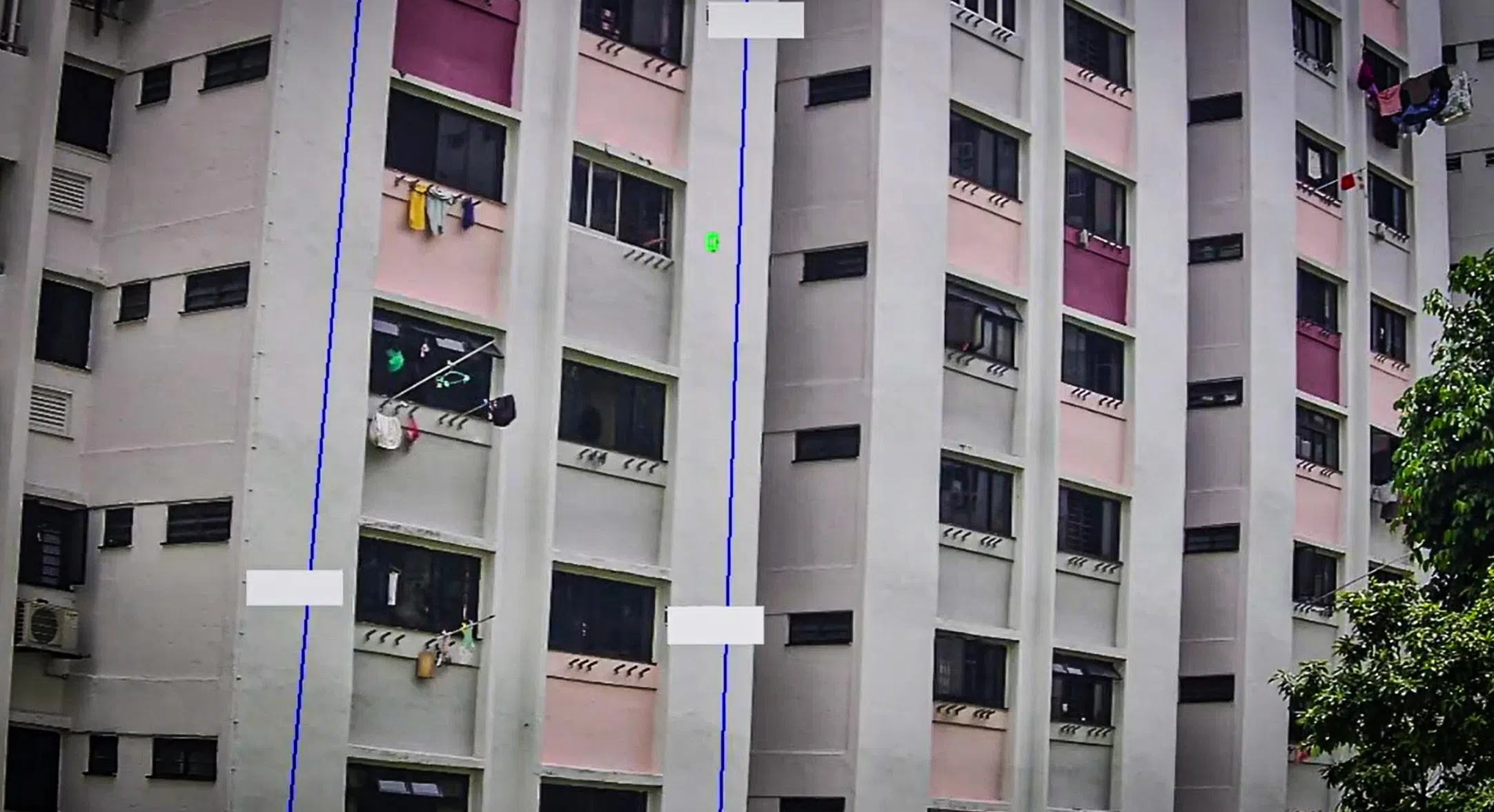
NEA launched a six-month pilot in October last year, allowing Town Councils to request surveillance cameras at up to two locations each month, based on on-site observations and residents’ feedback. During the pilot, the offender detection rate for these cameras was 34%, higher than the 26% recorded by cameras deployed by NEA islandwide over the same period.
For example, NEA deployed a camera at Telok Blangah Drive at a location identified by Tanjong Pagar Town Council. It captured a high-rise littering incident, enabling the agency to trace the flat involved. The offender was convicted in court on 20 October this year and fined $700.
Following the pilot’s success, NEA expanded the collaboration from November this year. Each Town Council can now request cameras at up to three locations a month, allowing more targeted action against high-rise littering.
About 2,300 littering tickets issued in third quarter; Corrective Work Orders fall to 90
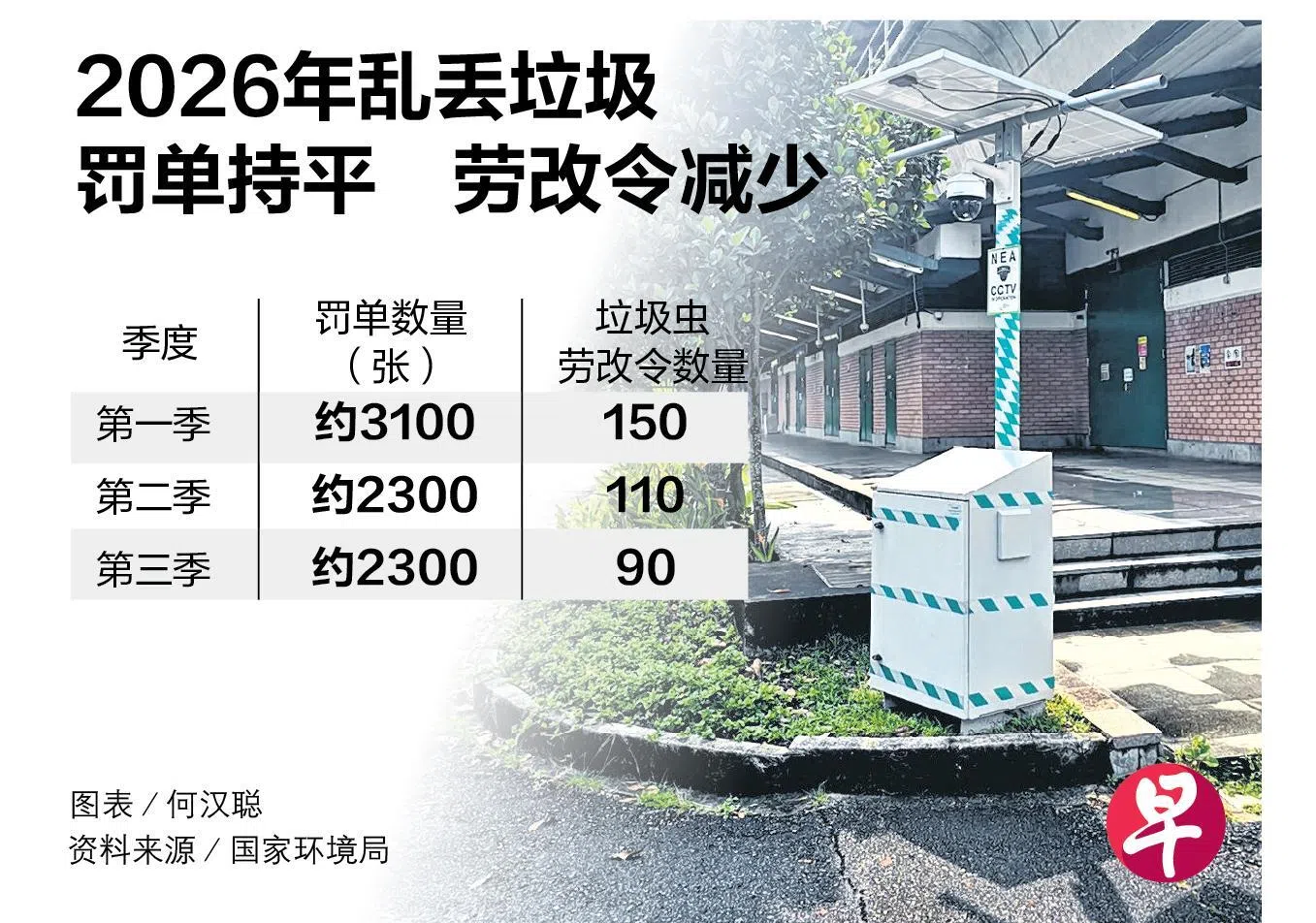
Separately, NEA issued about 2,300 tickets for littering in the third quarter of this year, unchanged from the second quarter but down from about 3,100 in the first quarter.
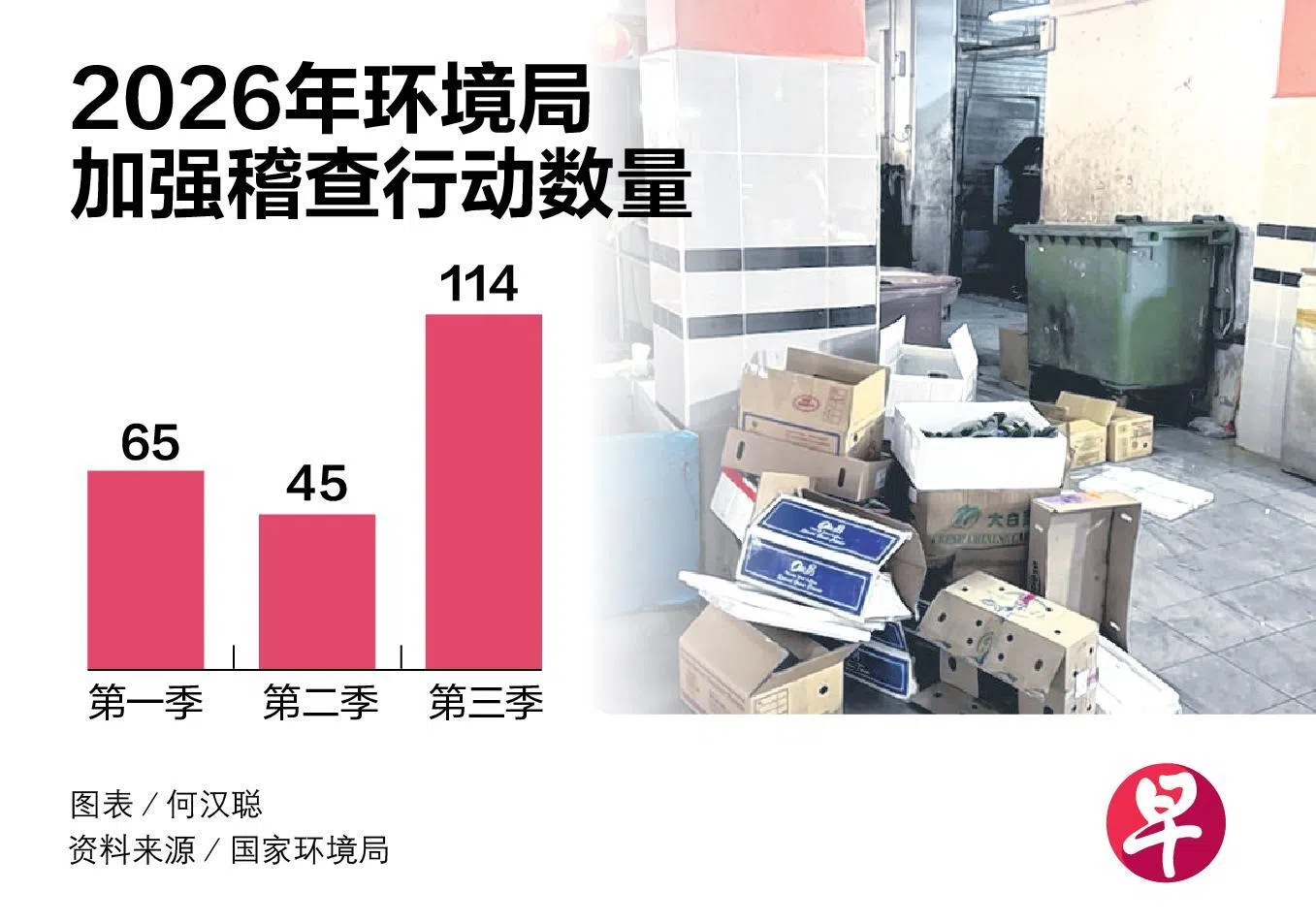
The agency conducted 114 enforcement blitzes at littering hotspots during the same period, far more than the 45 in the second quarter.
The number of Corrective Work Orders issued to litterbugs fell for two consecutive quarters, from 150 in the first quarter to 110 in the second and 90 in the third.
NEA said stepped-up enforcement at littering hotspots in recent years, alongside the introduction of the Cleaner Neighbourhood initiative last year, has helped improve public compliance and deter littering.
At Kranji MRT Station and its surroundings, the amount of litter fell by 90% between July and September this year. The authorities use litter counts, public feedback and on-site observations to identify littering hotspots, before stepping up enforcement, surveillance and public education.
NEA said members of the public who spot breaches of public hygiene regulations can report them through the Municipal Services Office’s OneService app.
