

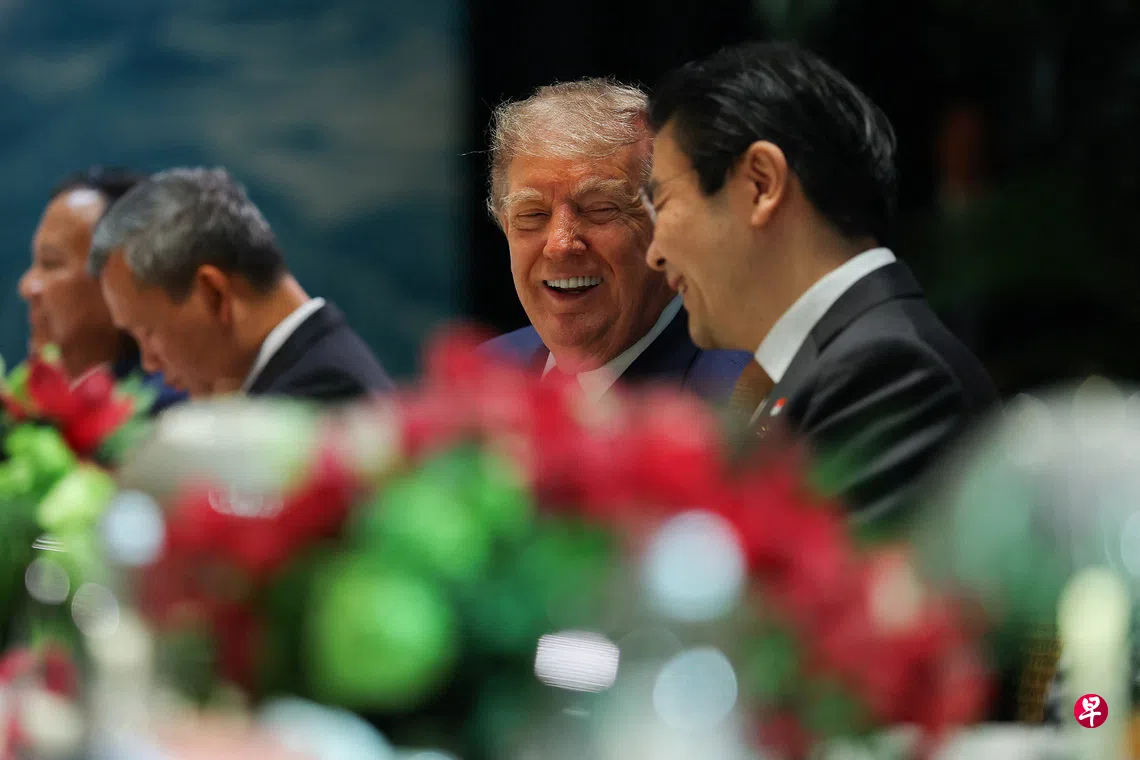
Over the past few days, Singapore Prime Minister Lawrence Wong has been on a whirlwind diplomatic tour: first to Manila in the Philippines for the ASEAN Summit, then to Shenzhen in China for the Asia-Pacific Economic Cooperation (APEC) Economic Leaders’ Meeting, followed by an official visit to Australia that ends on 25 November.
In just a few days, he has met leaders from numerous countries to discuss issues ranging from regional cooperation and major-power relations to bilateral trade and strategic partnerships.
For a small country with a population of only about six million, having its Prime Minister appear so frequently on the international stage is certainly not just about being seen. Former Ambassador-at-Large Tommy Koh once described founding Prime Minister Lee Kuan Yew as Singapore’s “chief diplomat to the world”. In a recent media interview, he also outlined how successive prime ministers had brought their personal qualities to diplomacy, building goodwill for Singapore: Lee Kuan Yew won the admiration of foreign leaders with his charisma and intellect; Goh Chok Tong put people at ease with his affable manner and was skilled at building relationships; and Lee Hsien Loong impressed with his eloquence and intellect, performing particularly well on the international stage.
As for Wong, Koh felt he was doing well and had his own distinctive style. His love of music adds a personal touch to diplomacy, while his affability and sense of humour are reminiscent of Goh.
The four prime ministers’ different styles show that diplomacy is both a calculation of national interests and the art of building relationships between people. A leader’s manner of speaking, judgement, personal charm and ability to inspire trust can all influence how bilateral relations develop. For a country such as Singapore, it is especially important for the prime minister to build those relationships personally.
Putting Singapore’s national interests first
While their diplomatic styles may differ, Singapore’s successive prime ministers have remained consistent in their positions on national interests.
PM Wong, for example, made his position clear in an interview with The Economist before taking office as prime minister in 2024: Singapore is neither pro-China nor pro-America, but “pro-Singapore”. Those words carry particular weight today as competition between China and the US intensifies.
Singapore has close economic and trade ties with China, and longstanding security and economic cooperation with the US. Both are important partners, but close ties with either do not oblige Singapore to accept all of that country’s positions. Being “pro-Singapore” is not, as some suggest, about sitting on the fence or trying to please both sides. It means making judgements based on Singapore’s own interests and principles, while preserving its freedom to choose.
Charm needs substance behind it
Yet however charismatic a prime minister may be, no one person can sustain a country’s diplomacy alone. National leaders can open doors to dialogue, but behind them, the Ministry of Foreign Affairs, overseas embassies and professional diplomats must cultivate international relations over the long term. Other government agencies are responsible for putting specific cooperation in areas such as trade, defence, technology and energy into practice.
A prime minister’s standing at the international negotiating table also rests on the country’s own strength. Although Singapore lacks natural resources, its port, airport, finance, logistics and manufacturing sectors have secured it a place in the global economy. These industries and infrastructure may seem unrelated to diplomacy, but they are in fact sources of national leverage.
When Australian Prime Minister Anthony Albanese visited Singapore in April this year, PM Wong pledged at a joint press conference that Singapore would continue supplying refined petroleum products to Australia as long as upstream crude oil supplies remained uninterrupted. Australia, in turn, assured Singapore that it would continue supplying liquefied natural gas.
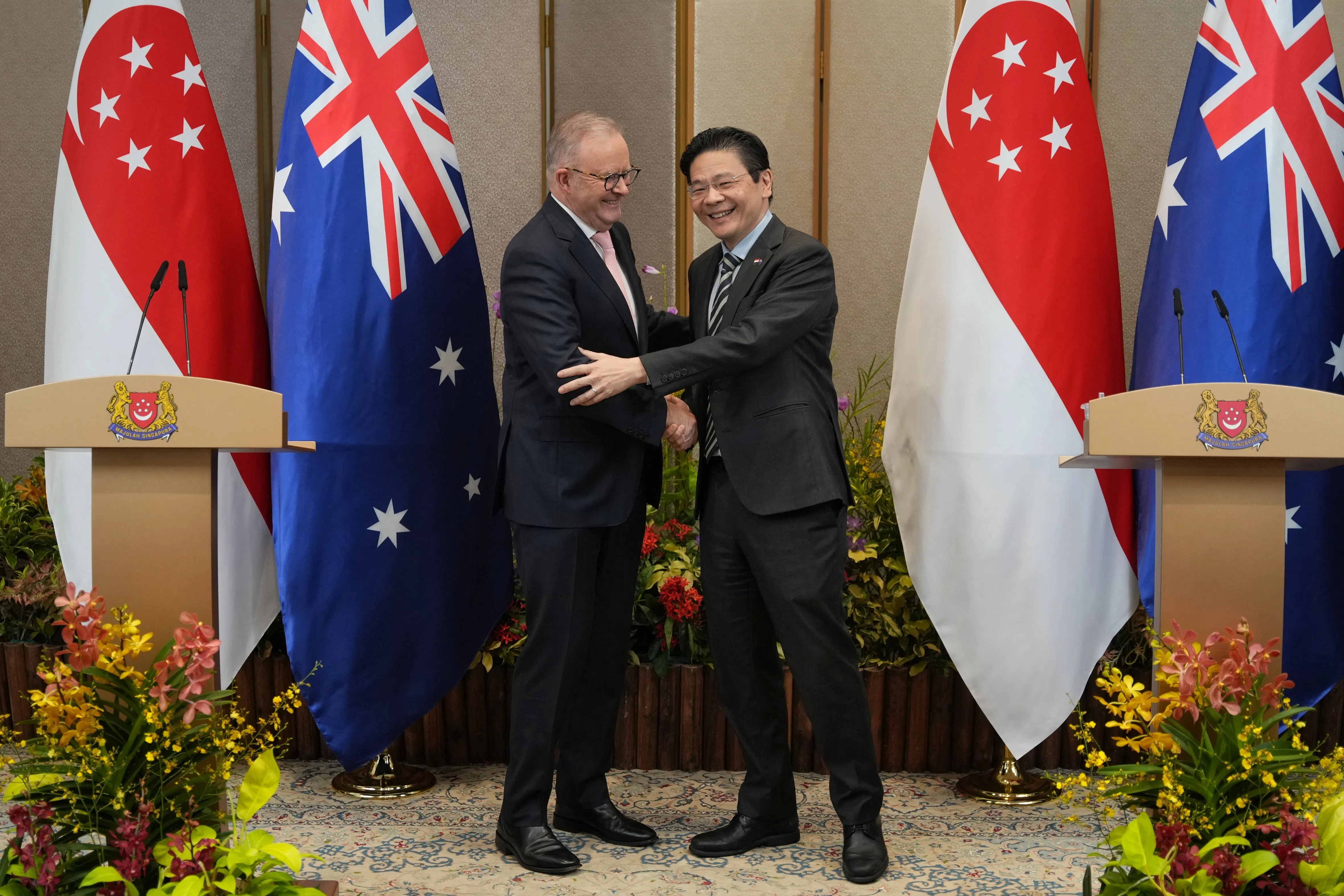
This pledge was, of course, more than a political statement. Singapore has no crude oil resources, but its well-developed refining industry, storage and transport facilities, and international trading networks make it an important source of refined petroleum products for Australia. Its ability to provide critical supplies to a partner country during energy supply disruptions rests on industrial capabilities built up over many years.
Mutual trust matters in diplomacy, but so does the ability to deliver on promises.
Seen in this light, Singapore’s diplomatic strength comes not just from its prime minister’s personal charm, but from the combination of professional teams, economic foundations and institutional credibility. The prime minister travels abroad to put Singapore on the world stage, but the country itself must also have sufficient strength to be taken seriously by others. Only then can diplomacy fulfil its real purpose: ensuring that, amid a rapidly changing international landscape, this small country still has friends, choices and the ability to determine its own future.
