

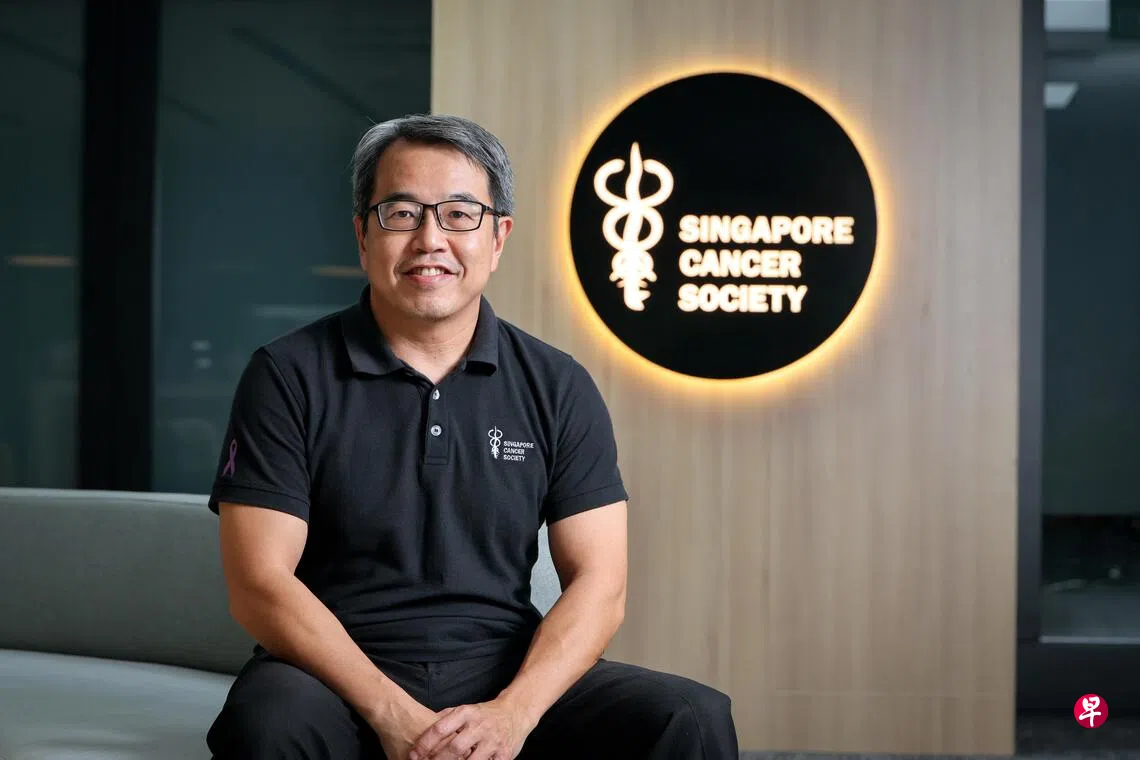
Fighting cancer is a long journey, not an illneess that simply ends once treatment is over. Tan Kwang Cheak knows this from experience.
In 2024, shortly after joining the Singapore Cancer Society as its incoming chief executive officer, he had a cancer scare himself.
It all started when a routine health screening report flagged suspected colorectal cancer. Thankfully, a thorough endoscopic examination later confirmed it was a false alarm. During the days spent waiting for the procedure and its results, he was racked with anxiety. Only then did he truly realise that it is precisely this agonising fear of a “potential diagnosis” that stops people from stepping into a clinic for cancer screening.
Tan said: “When I received the positive result, my first reaction was the same as anyone else’s: I also got shocked, I also got worried. I thought about what is going to happen. I also had anxiety: What happens next? What if I really am diagnosed with cancer? I thought about where to go for my colonoscopy.”
His aversion to cancer had much to do with his father-in-law. In 2023, during Tan’s final months as chief executive of the Agency for Integrated Care (AIC), his father-in-law’s condition took a turn for the worse. Having battled prostate cancer for more than three years, his bodily functions declined rapidly, and he suffered severe pain throughout his body. As the eldest daughter, Tan’s wife decided to move the entire family into her parents’ home to help her ageing mother care for her father. Unfortunately, he died a few weeks later.
“Those few weeks were my first close experience of caring for someone with cancer. Even though I was bigger than my father-in-law, it still took a lot for me to transfer him from his bed to a wheelchair or the toilet. I have enormous respect for caregivers who look after patients round the clock. It is so difficult!”
That period also brought home the enormous impact cancer has on an entire family. The disease takes a toll not only on the patient, but also on everyone around them. As his father-in-law had left no instructions, the family had to guess his end-of-life wishes, adding to their anxiety.
Leaving AIC at 50 without another job lined up
After his father-in-law’s death, Tan and his wife promptly drew up their Advance Care Plans, wills and Lasting Powers of Attorney, and made their Central Provident Fund (CPF) nominations.
In 2024, at the relatively young age of 50, Tan decided to step down as AIC chief executive and “retire” early.
“I hadn’t deliberately planned to stop at 50. It just happened naturally. I spent six years at AIC, including the intense and challenging COVID-19 pandemic, and I thought it was time for me to also rest and recharge. Honestly, to have a career break after working for 25 years was a privilege.”
After leaving without another job lined up, he travelled with his wife, enjoyed a slower pace of life and took courses in artificial intelligence. He also volunteered from time to time as a Silver Generation Ambassador with AIC’s Silver Generation Office.
Tan had wanted to be a doctor since childhood; he studied hard and consistently ranked among the top students. At Raffles Junior College, he deliberately chose to take three pure science subjects and scored straight As in his A levels. But when he applied to the National University of Singapore’s medical school, full of hope, he stumbled at the admissions interview and was rejected.
“It was the first major setback in my life. My studies had always gone smoothly, but that rejection taught me a lot. It also taught me two lessons that have stayed with me. First, when you fail, you have to pick yourself up and move on. Second, there are many paths to the same goal. At that point, I realised what I really wanted was to help people, and that becoming a doctor isn’t the only way.”
Tan grew up in a family of modest means. He remembers that whenever someone needed to see a doctor, the family had to empty its only money box, scraping together enough coins to pay the bill.
Although his parents were busy making a living, they never gave Tan and his two siblings any less love. The warmth of his childhood nurtured his desire to care for and help others, and naturally led him to aspire to be a doctor.
The setback, however, opened another door. Though unable to study medicine, he was awarded a government overseas scholarship to study electrical engineering at University College London in the UK. “You know, for a poor family, studying abroad was simply unimaginable.”
After graduating and returning to Singapore, he joined the public sector. He later received another scholarship to pursue a master’s degree in public administration at Harvard University.
During his 11 years in the public sector, he worked as an engineer at the Ministry of Defence, managed matters relating to migrant workers, domestic workers and work passes at the Ministry of Manpower, and served in JTC Corporation’s corporate planning division, where his experience spanned policymaking, implementation and operations.
Government scholarship recipients generally have a clearly mapped-out career path, but Tan wanted more room for personal growth and new challenges. He left his comfort zone to join fast-food chain McDonald’s as a senior executive overseeing operations and human resources in Singapore.
Fast-food frontline experience shaped his approach to management
His two years at McDonald’s broadened his horizons, particularly the first three months, when he had to work on the restaurant frontline. “I did fries, I also made burgers, I wiped the floor, I washed the toilet and even greeted guests at the door.”
That experience became a guiding principle in his subsequent management roles: without understanding an organisation’s most basic frontline duties, a leader cannot bring people together, build a team culture or drive change.
Yet the private sector’s profit-driven model never quite aligned with his values. After leaving McDonald’s in 2012, he went on to work at the Singapore National Employers Federation, MOH Holdings and NTUC FairPrice. Before his “retirement”, he spent nearly six years as chief executive of AIC, an agency under the Ministry of Health. He led efforts to help seniors age in place, empower older people and transform care services. During the COVID-19 pandemic in particular, he helped support nursing homes and seniors living alone.

During his months away from work, he looked for a new role that would give him a stronger sense of purpose. He kept returning to what former AIC chairman Dr Gerard Ee had told him: “If you truly want to help people out there and enable them to lead better lives, you should join the charity sector.”
“That sense of purpose has to be what gets me out of bed every morning. There are two parts to it: wanting to help others, and wanting to give back to this country. I grew up in a poor family, and Singapore has given me so much. So I want to help people who have been forgotten or left behind by society.”
At AIC, he had frequent dealings with care charities, but always felt somewhat removed from their work. So when the Singapore Cancer Society’s previous chief executive approached him, he readily accepted.
Some asked whether he could have helped more people at AIC, where he led 1,400 employees and served 900,000 seniors nationwide.
He smiled. “In terms of numbers, that’s true. But to me, every single person matters. Every patient or cancer survivor I meet here is someone’s parent, spouse or child. If I can make a real difference to them, even just one person, it means so much to their family. That is the impact I want to have.”
When his wife, his cherished partner of more than 30 years, was diagnosed with breast cancer in early 2025, it further affirmed his belief that the Singapore Cancer Society was where he belonged in the next phase of his life.
Navigation support to answer questions, screening fund to provide subsidies
He believes the cancer journey should not run only from diagnosis to recovery. It should begin while people are still healthy, with an emphasis on screening, prevention and early detection. He has therefore stepped up public outreach in this area and introduced two ways to help vulnerable groups complete follow-up examinations.
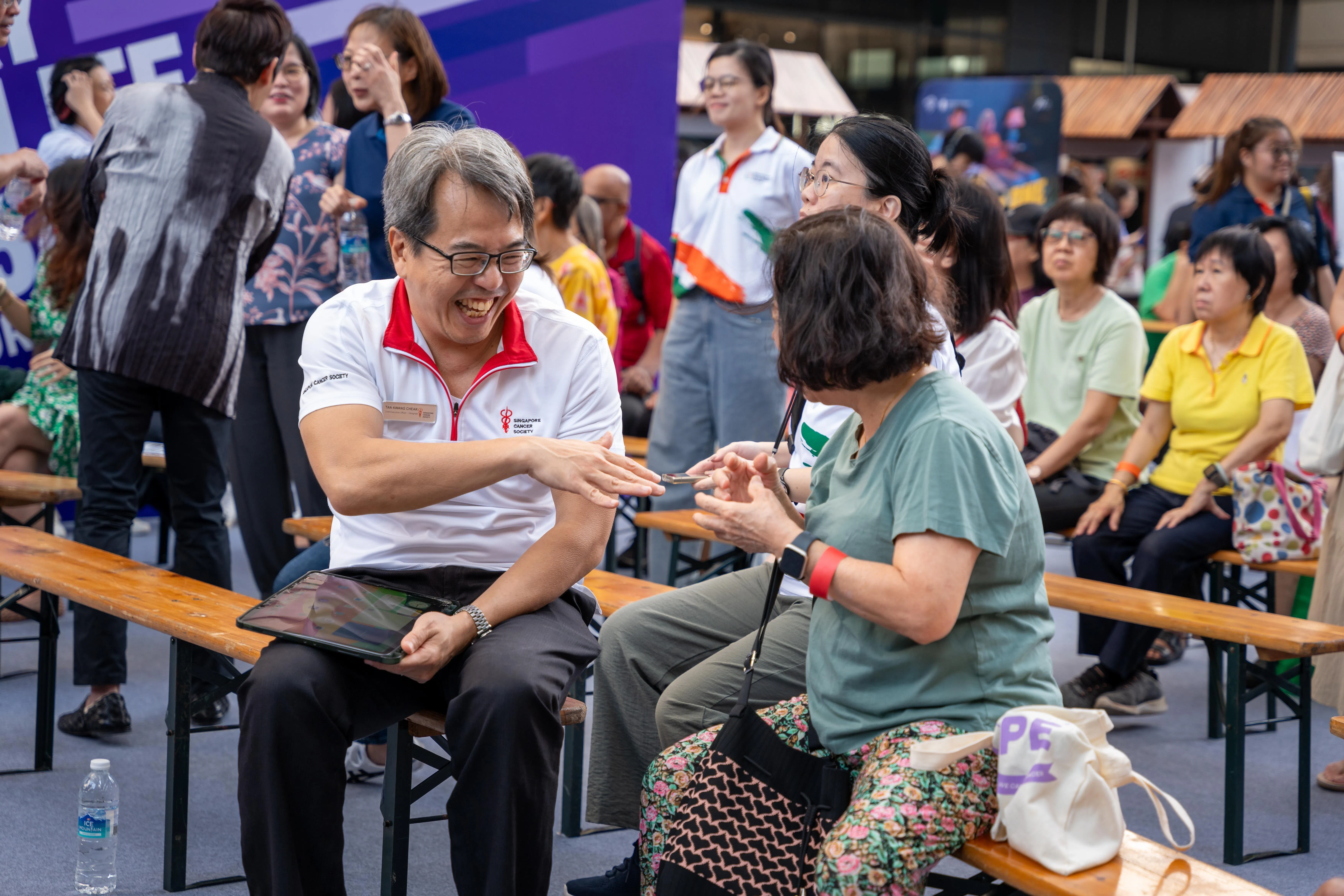
The first is “navigation support”. Many people feel panicked and lost after receiving a positive initial screening result. Having someone answer their questions, or even help them book a hospital appointment for further tests, can make a big difference.
The second is to remove hidden financial barriers. Initial cancer screening tests are free under the government’s Healthier SG scheme. But if the result is positive, follow-up procedures, whether ultrasound scans, colonoscopies or biopsies, are not entirely free. These costs can be substantial for vulnerable, low-income groups, so the Singapore Cancer society has established a new Cancer Screening Fund specifically to subsidise them.
Tan said screening rates in Singapore for three major cancers — colorectal, breast and cervical cancer — remain generally low. Fewer than 50% of people in the eligible age groups undergo screening.
By contrast, screening rates among Singaporeans for chronic conditions such as high blood pressure, high cholesterol and diabetes have reached about 80%.
Hence, he hopes to raise cancer screening rates to between 70% and 80%, encouraging people to get screened for cancer at the same time as their chronic disease checks.
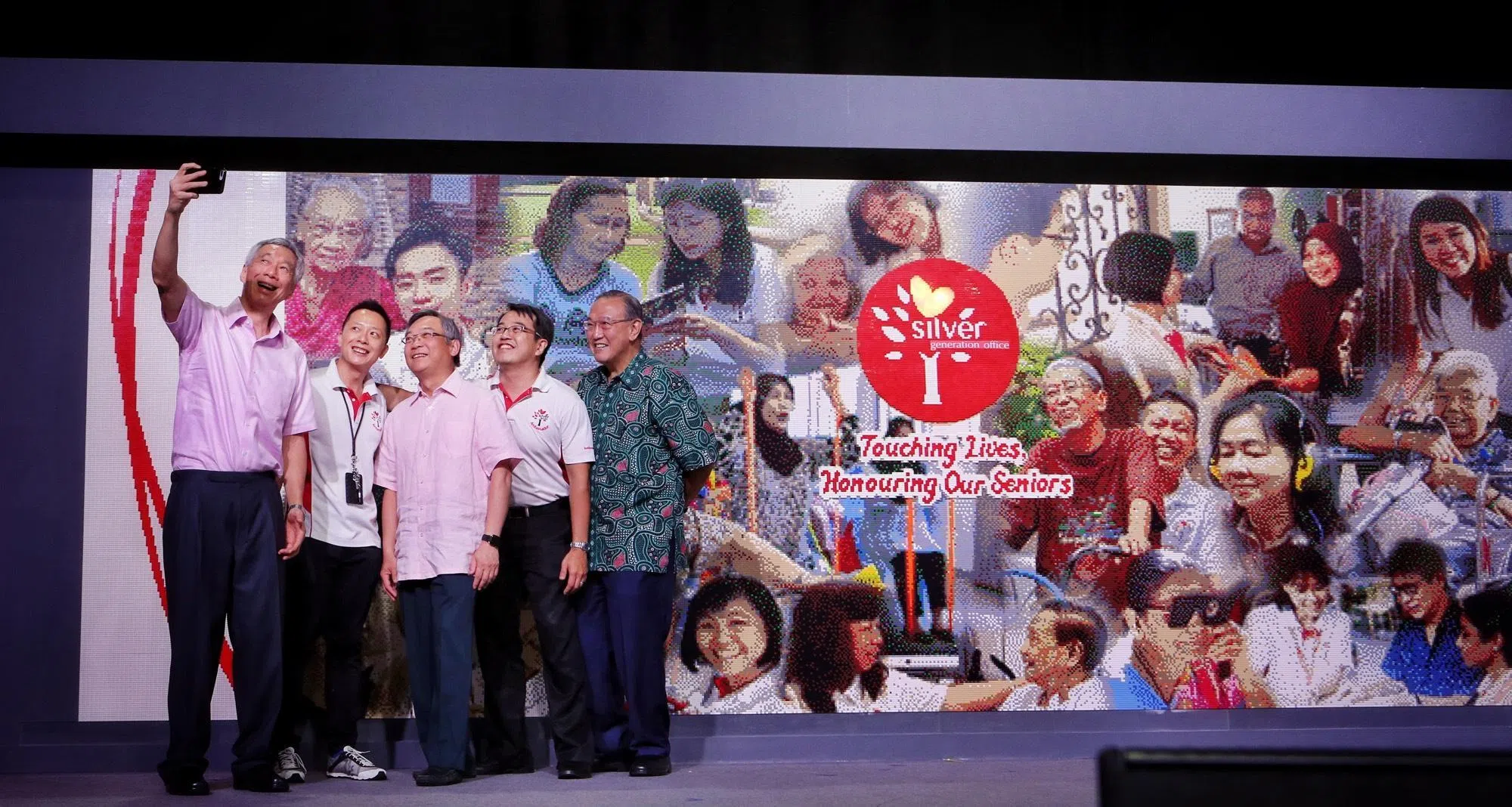
His experience at AIC reinforced two principles for serving the public: always start from the perspective of those receiving the service, and provide support throughout their journey rather than fragmented care.
At the Singapore Cancer Society, he has translated these into two key missions.
The first is to minimise the threat of cancer by raising public awareness of prevention, promoting early screening and walking alongside those fighting the disease.
“We cannot wait until patients have to be hospitalised or institutionalised before coming to us for help. Our relationship begins when people come to us for free screening. Of course, we hope they will be fine. But if they are unfortunately diagnosed, that connection is already there, so we can continue to support them on their journey, with services such as physical rehabilitation, financial assistance and peer support groups.”
The second is to help people live as long and as fully as possible, focusing on quality of life and comprehensive support after diagnosis. This includes mental health support addressing psychological and social needs, employment counselling to help people return to work, support for family caregivers, and help for patients to remain independent and continue doing what they love.
Tan’s keen understanding of the gaps and needs in cancer support is closely tied to his hands-on approach.
When he joined the society in late 2024, he immediately accompanied its home hospice care team on visits, observing how staff communicated with patients and their families and what care they provided.
“In the civil service, when you rise higher, you might not have as much opportunities to engage people on the ground. But at the Singapore Cancer Society, I have the autonomy to make my own decisions. So I often visit the rehabilitation centre and go for community events, speaking face to face with patients, cancer survivors and the public.”
Good care brings unsolicited generosity
At the mention of fundraising, Tan laughed. The society’s public relations representative, who was taking notes beside him, laughed too.
“If you look at his social media, you’ll see how hard he works to promote the Singapore Cancer Society,” the representative said.
Tan acknowledged that at AIC, government funding meant there was enough money to run programmes as long as planning was prudent. At a charity, raising funds is one of the hardest tasks. Only with sufficient funding can it run more programmes, help more people and retain talent.
Nearly two years of fundraising have brought him two surprising lessons.

The first is that good work really does bring good in return.
“If you put your heart into caring for patients, people notice, and may even come forward on their own. I’ve received unsolicited donations like this several times.”
A few weeks earlier, for instance, someone accompanying a friend on a visit to the society heard others share their experiences of cancer and made a generous donation on the spot.
Raising donations is harder than applying for government funding
“Such donations mean a great deal to us, not because of the amount, but because people genuinely feel the society has made a difference to their lives. Whenever I get one of these happy surprises, I share it on social media. It gives our frontline team tremendous encouragement.”
The second surprising lesson: raising funds is truly difficult.
“Compared with applying for government funding in the past, raising money externally is really hard. All charities are doing fundraising and we are sharing the same pie. This year’s pie (economic conditions) have made the competition even more challenging.”
Tan takes it in his stride. A company saying no today does not mean it will never donate, he believes. The key is to remain committed to delivering the society’s services well.
That is why he insists on making its efforts visible. “It’s also why I post on LinkedIn every day to share what the society is doing. At AIC, my colleagues used to tease me about constantly ‘spamming’. My colleagues now call it ‘KC’s sharing’!” KC is short for Kwang Cheak.
Supporting his wife through cancer: “I need to be healthy to care for her”
When the conversation turned to his wife’s breast cancer, Tan’s buoyant mood gave way to sadness.
His wife, who is the same age as him at 52, was his schoolmate in junior college and his sparring partner in judo before becoming his partner in life. They have a son and a daughter. When he learnt she had cancer, the outwardly tough but tender-hearted man broke down in tears, even more distraught than she was.
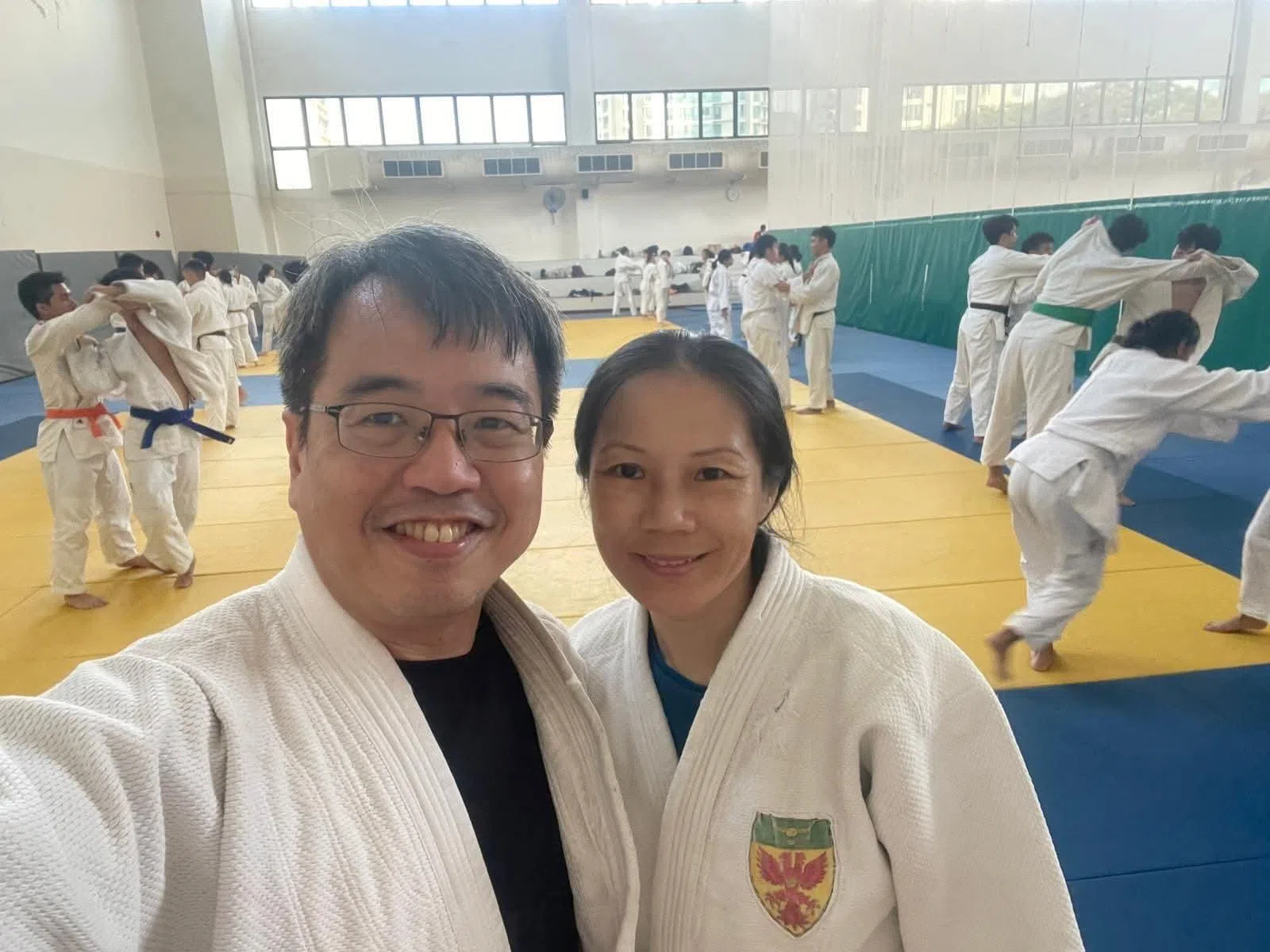
After more than a year of treatment, she is now considered to have recovered. To rebuild her strength, she has returned to judo, a sport she loved in her youth. Tan trains with her, keeping himself fit too. “I need to be healthy myself to take better care of her.”
Tan used to be a typical workaholic. Even on family holidays, his mind remained on work as he constantly checked emails and replied to messages. His wife would often tell him: “You’re here physically, but your mind is elsewhere.”

These days, he is more present with his wife and family. He also makes a point of practising judo with her every Wednesday and Sunday evening, taking walks together on weekday evenings or going hiking at weekends.
“Working up a sweat together and staying healthy with her is my most enduring expression of love.”
