

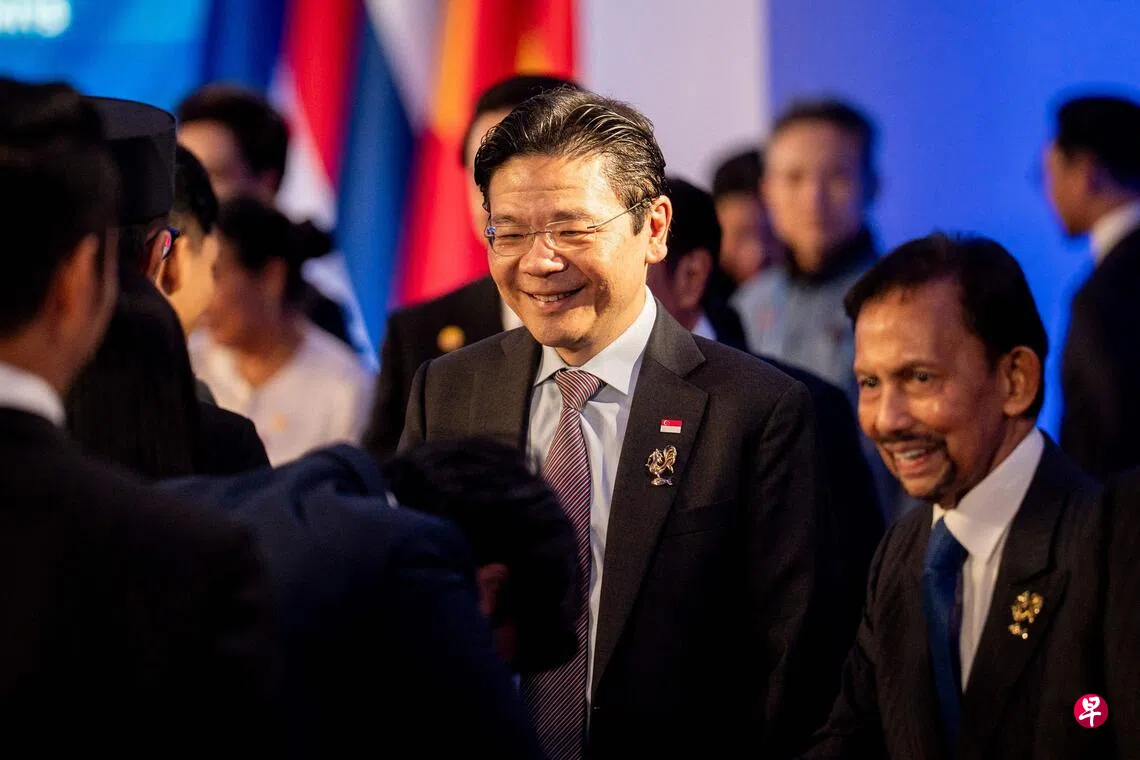
Singapore will take over the rotating ASEAN chairmanship next year under the theme “Deeper Integration, Wider Partnerships”, strengthening links among member states in finance, digital technologies and energy, while remaining open and outward-looking and widening cooperation with external partners to create more opportunities for businesses and people in the region.
Singapore Prime Minister Lawrence Wong received the gavel symbolising the chairmanship from Philippine President Ferdinand Romualdez Marcos Jr. at the closing ceremony of the 49th ASEAN Summit in Manila, the Philippines, on Tuesday (17 November), formally completing the handover.
Singapore will formally assume the rotating ASEAN chairmanship on 1 January next year, which also marks the bloc’s 60th anniversary. Singapore last held the chairmanship in 2018.
At the handover ceremony, PM Wong congratulated the Philippines on successfully completing its chairmanship. In his address, he said that despite a challenging year for the region and the world, ASEAN had remained united and made significant progress under the Philippines’ leadership, including signing the ASEAN Digital Economy Framework Agreement, securing the early entry into force of the upgraded ASEAN Trade in Goods Agreement and the ASEAN-China Free Trade Agreement 3.0, and advancing Timor-Leste’s integration into ASEAN.
Lawrence Wong: ASEAN cannot control external developments but can decide how to respond
Reflecting on ASEAN’s journey since its founding, PM Wong said Southeast Asia 60 years ago had been divided by conflict, ideological rivalries and deep suspicions. Yet its founding leaders had the foresight to come together, believing that despite their differences, they could build a better future by working together.
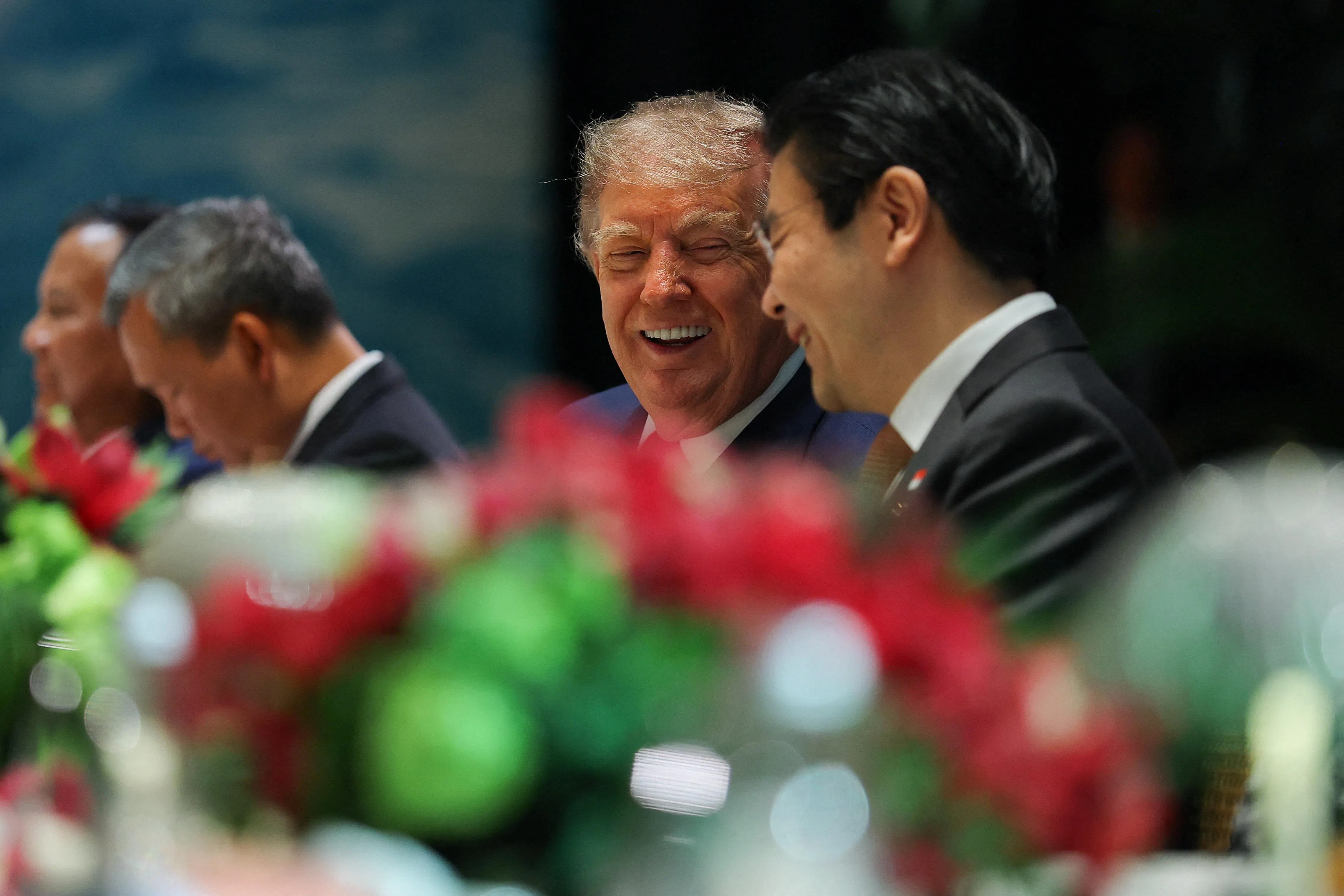
On 8 August 1967, ASEAN was founded in Bangkok, Thailand. Its five founding members were Singapore, Malaysia, Indonesia, the Philippines and Thailand.
PM Wong said, “Today that conviction has been vindicated. ASEAN has helped to keep the peace in our region, brought our economies closer together, and created opportunities for our peoples. We have achieved far more together than any of us could have achieved alone. We have much to be proud of.”
But ASEAN also faces new challenges as major-power rivalry intensifies and the global economic order becomes more fragmented. PM Wong noted that even conflicts and disruptions far beyond the region could affect member states’ economies, energy supplies and the livelihoods of their people. These external pressures would continue to test ASEAN’s cohesion and unity.
PM Wong said, “We cannot control all these external developments. But we can decide how ASEAN responds.”
He said ASEAN could choose to remain united, deepen cooperation and strengthen its ability to shape its own future. Member states also had to look ahead, harness the power of artificial intelligence and accelerate the transition to cleaner energy.
Moving towards a more integrated ASEAN single market
For these reasons, PM Wong announced that the theme for Singapore’s chairmanship next year would be “Deeper Integration, Wider Partnerships”, because ASEAN members could do much more to realise the region’s full potential.
On deeper integration, he called for strengthening links among member states in finance, digital technologies and energy, and taking further steps towards a single ASEAN market, where businesses could set up and operate more seamlessly across borders, and where people could enjoy more opportunities to work, invest and prosper.
On wider partnerships, PM Wong stressed that ASEAN must continue to be open and outward-looking, actively building ties with countries around the world. “At a time when the world is becoming more divided, our response is to keep building bridges – to strengthen ties with our partners, and ensure that Southeast Asia remains a region where all countries can engage and cooperate.”
Next year will also mark the 50th anniversaries of ASEAN’s relations with the US, Canada and the EU, as well as the 30th anniversary of ASEAN Plus Three cooperation with China, Japan and South Korea. PM Wong said these milestones offered opportunities to deepen practical cooperation and reinforce ASEAN’s role as an open and inclusive platform for engagement.
He stressed that deeper integration and wider partnerships reinforced each other. “A more integrated ASEAN will be a more valuable partner to the world. And a wider network of partnerships will create more opportunities and help sustain peace and stability in our region.”
PM Wong said ASEAN’s greatest strength had always been its members’ willingness to work together despite their differences. Singapore looked forward to working with all member states to build an ASEAN that was united in purpose, confident in its future and open to the world.
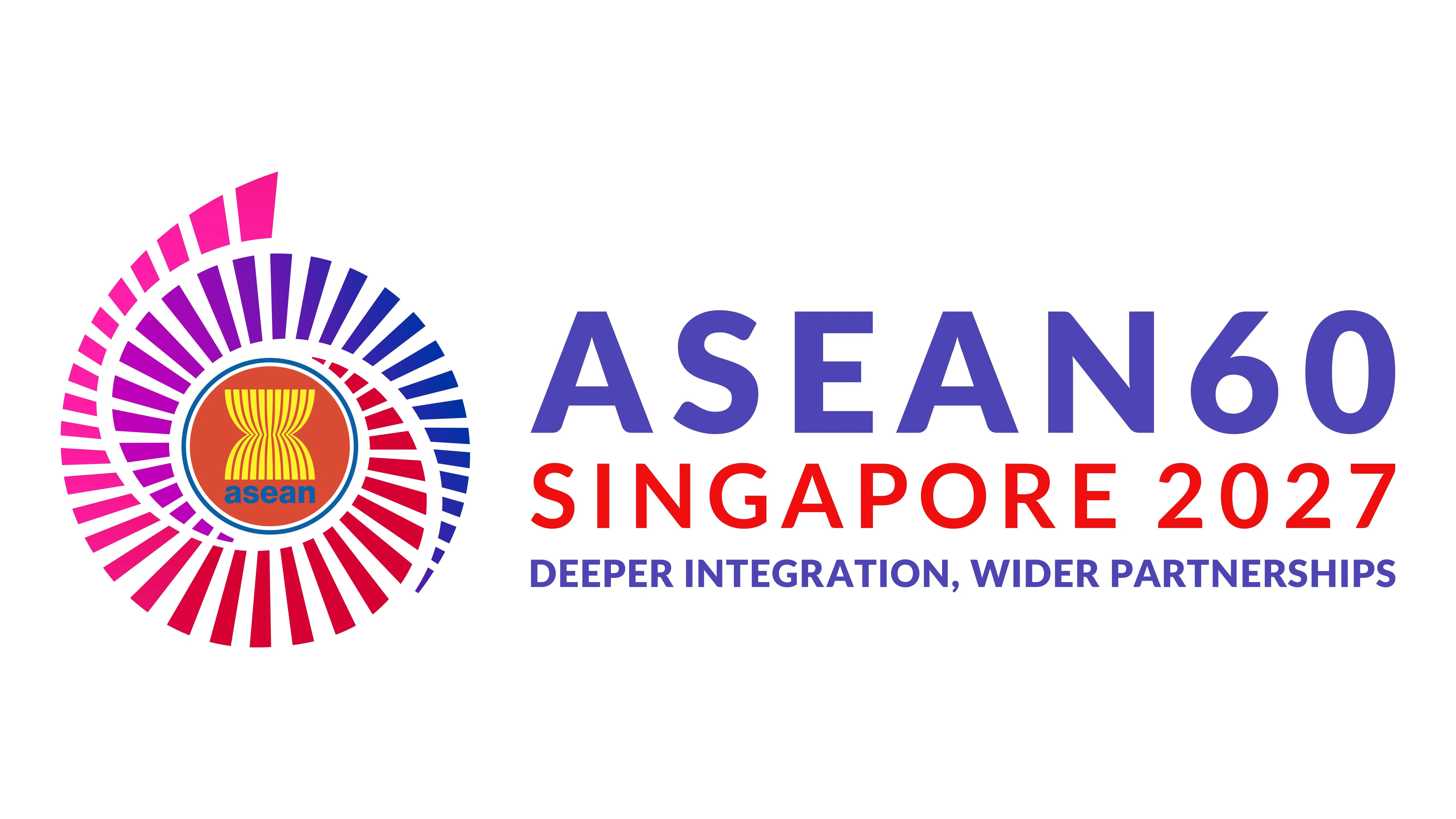
According to information provided by Singapore’s Ministry of Foreign Affairs, the logo for Singapore’s ASEAN chairmanship next year centres on the ASEAN emblem, surrounded by 60 ascending, step-like lines forming the number “60”. Each step represents a year in ASEAN’s history.
The design symbolises ASEAN’s development over the past 60 years, as well as the idea that member states can continue to move forward as long as they work together.
Academics: Singapore should accelerate digital and economic integration, take a realistic approach to political issues
Academics interviewed said Singapore should draw on its strengths to advance digital and economic integration and deliver tangible results when it takes over the rotating ASEAN chairmanship next year.
In an interview with Lianhe Zaobao, Dylan Loh, associate professor of public policy and global affairs at Nanyang Technological University in Singapore, said that as ASEAN chair, Singapore would focus on functional areas such as accelerating regional digital integration and the development of cross-border economic infrastructure.
“I expect to see some progress made on AI — perhaps an ASEAN declaration or statement of sorts in that regard — and also climate and energy resilience.”
The ISEAS – Yusof Ishak Institute’s ASEAN Studies Centre coordinator, Joanne Lin Weiling, also said Singapore could focus on implementing ASEAN’s existing economic integration commitments, particularly the newly signed ASEAN Digital Economy Framework Agreement (DEFA) and the ASEAN Power Grid (APG).
“Singapore can translate [DEFA] into practical benefits for businesses and consumers, while advancing cross-border electricity trading and energy connectivity through the APG.”
On Myanmar and the South China Sea, among other political and security issues, Lin cautioned that Singapore should be realistic about what could be achieved within a single year as chair. “Singapore can contribute by sustaining dialogue, building consensus and maintaining momentum on these issues.”
She stressed that many of ASEAN’s priorities required sustained efforts beyond a single chairmanship. “Singapore’s coordination with Thailand, which will chair ASEAN in 2028, could provide an opportunity to advance a longer-term agenda rather than introduce new initiatives each year.”
