

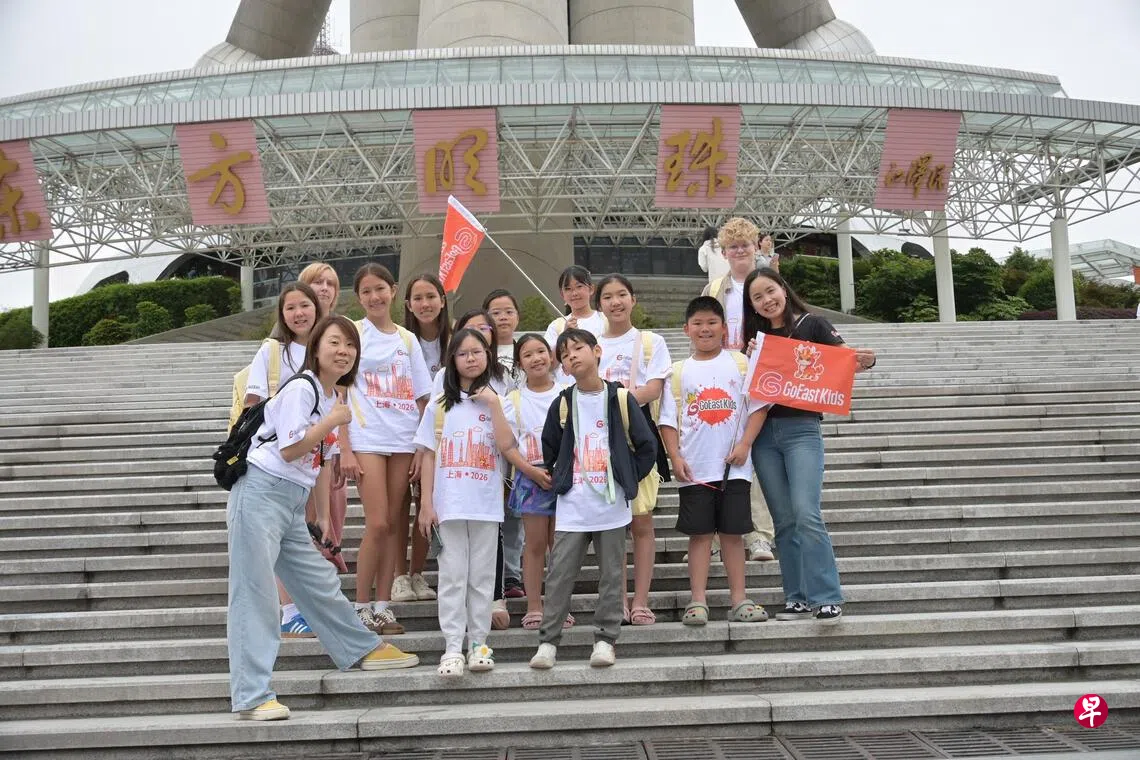
Cooking outdoors, making pottery and ordering bubble tea on their own in China are all ways of learning Mandarin — and a growing number of Singaporean families are embracing them.
Study tour operators say participation by Singaporean families in camps in China has multiplied, making Singapore a major source of overseas participants.
In May this year, 37-year-old lawyer Zheng Ningxin took her four-year-old daughter and son, who was not yet two, to a study camp in Beijing through a local study tour agency.
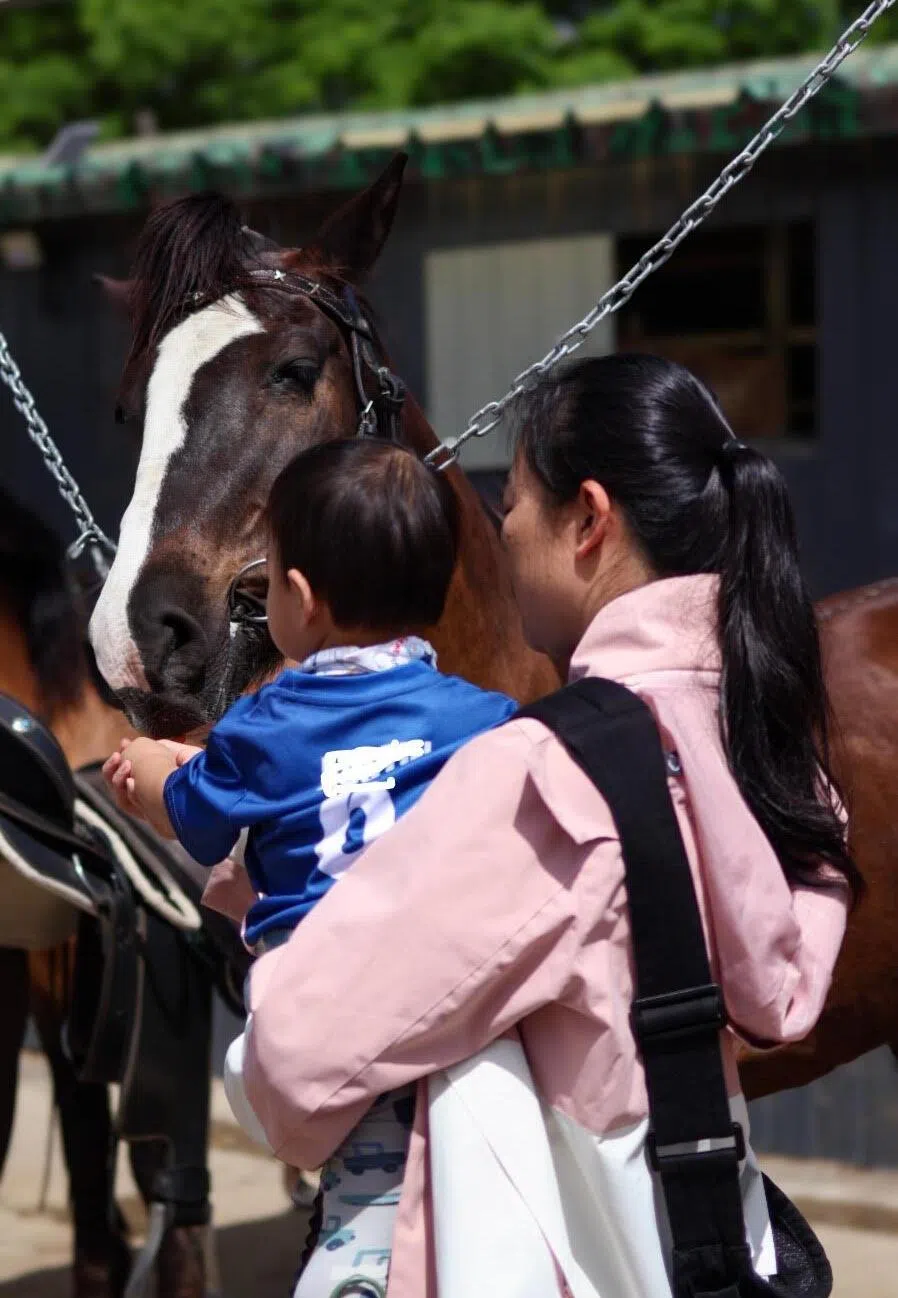
There were no classroom lessons. Instead, the family went horse riding, fishing, cooking outdoors and visiting a safari park. This fully immersive, play-based experience brought unexpected learning gains.
Zheng said that after returning to Singapore, her daughter was not only more willing to speak Mandarin but had also picked up a playful touch of the Beijing accent, occasionally blurting out: “What’s that?”
Zheng had studied Higher Chinese from a young age and done well in the subject. Yet when her daughter was one, she found herself struggling to read Chinese picture books for young children, let alone communicate in Mandarin in everyday life.
“At that moment, I suddenly realised I didn’t want my daughter to follow in my footsteps,” she said.
However, all things considered, a week-long study camp is still rather brief. Zheng knows that once her children enter primary school, the overwhelmingly English-speaking environment will make encouraging them to use Mandarin more challenging.
“Some friends send their children to well-known, all-Mandarin preschools, but the children still speak English among themselves and only use Mandarin with their teachers.”
Shan, a full-time mother who is also 37, has twice taken her three daughters, aged seven, five and two, on study trips to Beijing. She believes language learning is different from other subjects: the years before a child turns seven are the golden window for acquiring a language, so it is important to spark an interest in Mandarin early.
“In a real-life context, a lot of things you couldn’t understand before suddenly make sense. For example, while fishing and cooking outdoors, I naturally picked up words such as ‘fish scales’, which I would never normally make a point of learning or using.”
Local operator Mandarin Learning Tours was founded in 2024. Its 32-year-old founder, Jolyne Surzyn, said it currently organises only about six trips a year, each accommodating no more than five families with shared interests.
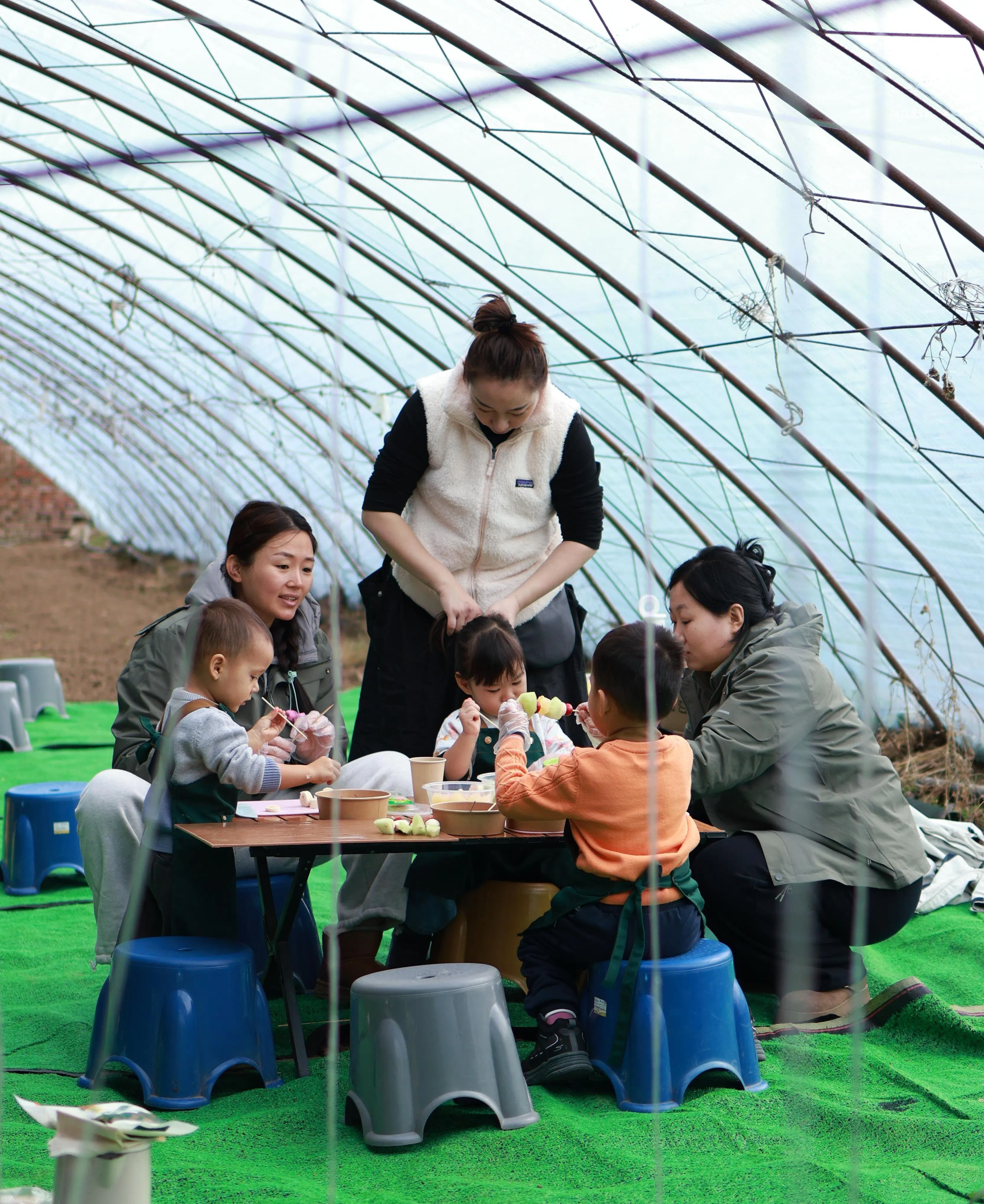
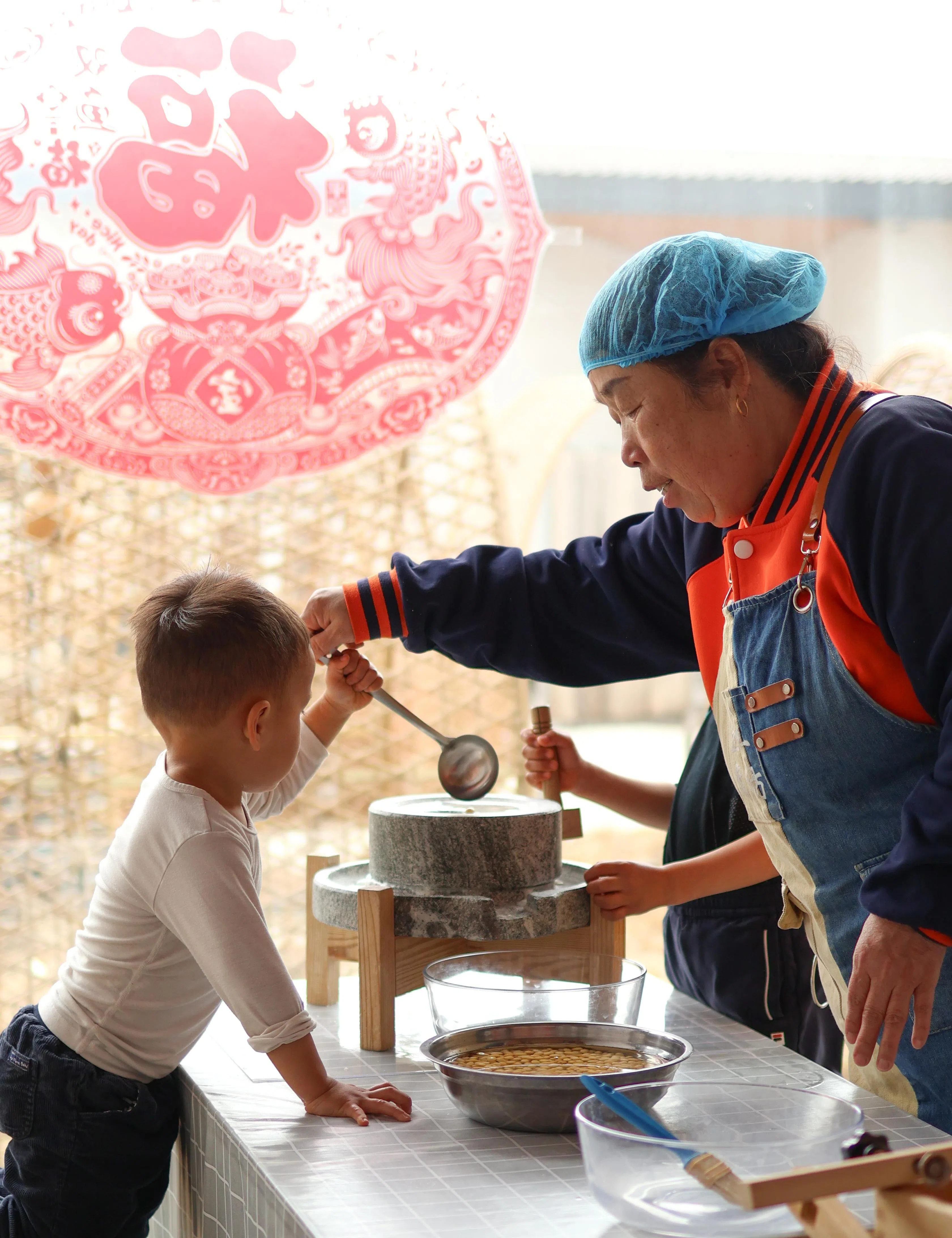
Surzyn said the itineraries are designed around children’s interests, and parents must accompany them. “Parents don’t need perfect Mandarin. What matters is learning alongside their children. With family members taking part, children have more opportunities to use the language in everyday life.”
Chinese was also her weakest subject at school, Surzyn said. After becoming a mother, she was reluctant to speak Mandarin to her children because she felt her proficiency was inadequate.
To give them more opportunities to use Mandarin in real-life situations, Surzyn began taking them on trips to practise the language. Discovering that many other families faced the same situation gave her the idea of starting a study tour business.
Surzyn has found that a new generation of parents like her is beginning to rethink the way they were taught Mandarin. Many studied Chinese to pass examinations, only to find themselves afraid to speak it as adults. After having children, they inevitably reflect on whether they want the same experience for them.
“If some of children’s happiest childhood memories are associated with Mandarin, the language will mean far more to them than just a subject they have to study.”
Chinese language schools report surge in enrolments from Singaporean families
That’s Mandarin, a Chinese language school in China founded nearly 20 years ago, told Lianhe Zaobao (LHZB) that enquiries and enrolments from Singaporean families for its international summer camps have grown significantly over the past three years. Enrolments rose from 10 participants in 2024 to 22 in 2025, with 38 so far this year.
Singaporean children account for about 7% of participants in its international summer camps, with most aged 10 to 13. A representative of That’s Mandarin said: “This reflects Singaporean parents’ growing interest in having their children learn and use the language in an authentic Chinese-speaking environment.”
Among the Singaporean families the school has worked with, parents place greater emphasis on whether their children can put what they have learnt into practice and initiate conversations more naturally, rather than simply pursuing examination results.
“Learning Chinese at school and using it in a real-life setting are two different experiences. In China, children can use the Chinese they have just learnt in real situations and receive immediate feedback. That is harder to achieve through classroom learning alone.”
Shanghai-based GoEast provides online and in-person Chinese courses for adults and children worldwide, as well as language summer and winter camps.
Duan Xiaohui, GoEast’s K12 campus manager and head of summer camps, told LHZB that overall overseas enquiries about its international summer camps had doubled each year over the past three years.
Growth in participation from Singapore has been particularly marked this year, rising from about three groups in each of 2024 and 2025 to 18 this year, making it one of the school’s main sources of overseas students.
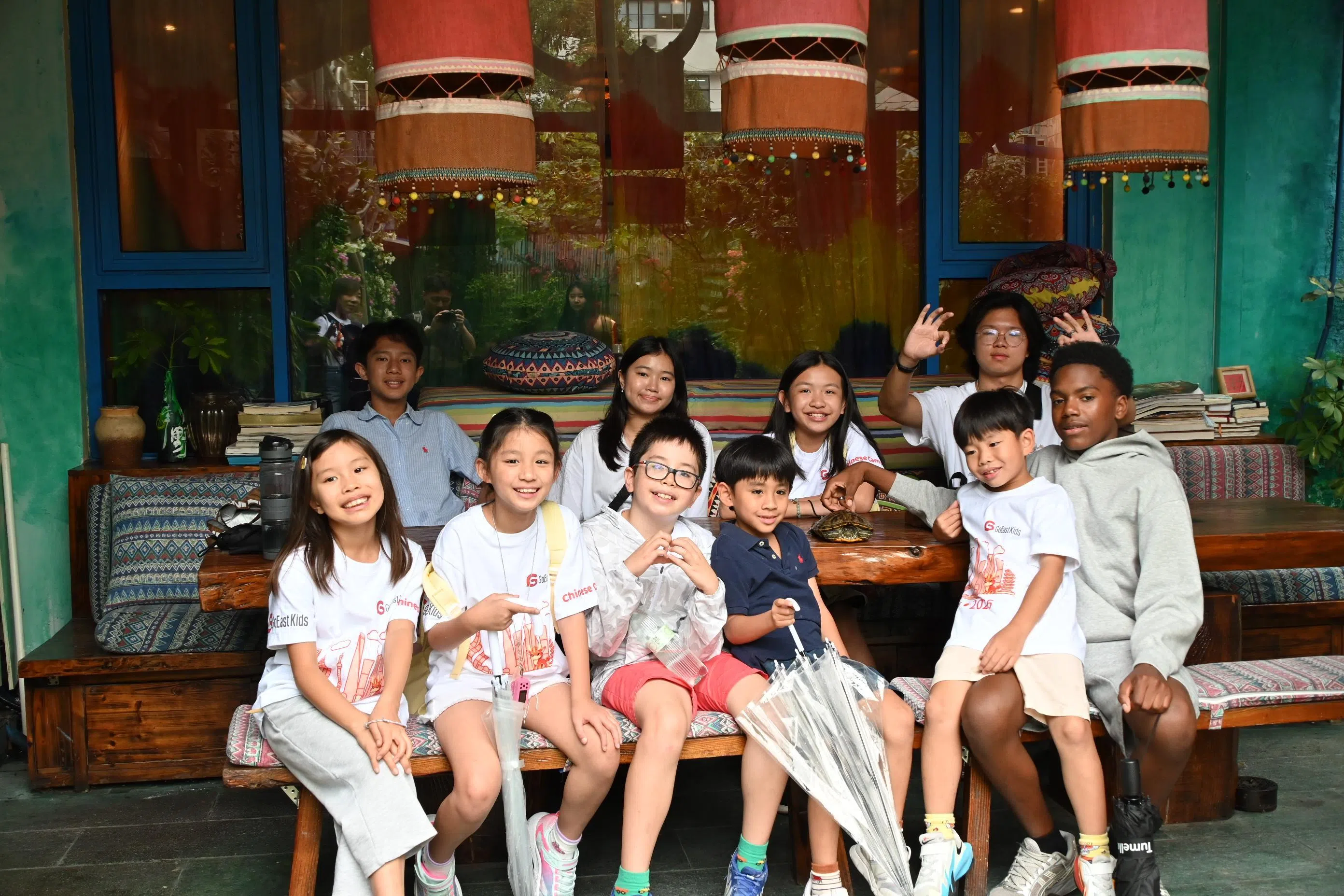
“Singaporean families have, in fact, always placed great importance on learning Chinese. Singapore has consistently been one of the main overseas markets for our online Chinese courses, ranking among the top sources of students across more than 20 countries and regions.”
Duan has also observed that Singaporean parents’ main motivation for joining summer camps is neither academic results nor solely a desire to explore their cultural roots. Rather, they want their children to see Chinese as a practical language, not just a school subject.
“This is clear even at the enquiry stage. The question Singapore parents ask most often is: beyond lessons, will their children have an authentic Chinese-speaking environment in which to practise? Their concern is whether their children are willing to speak and have the confidence to do so.”
