

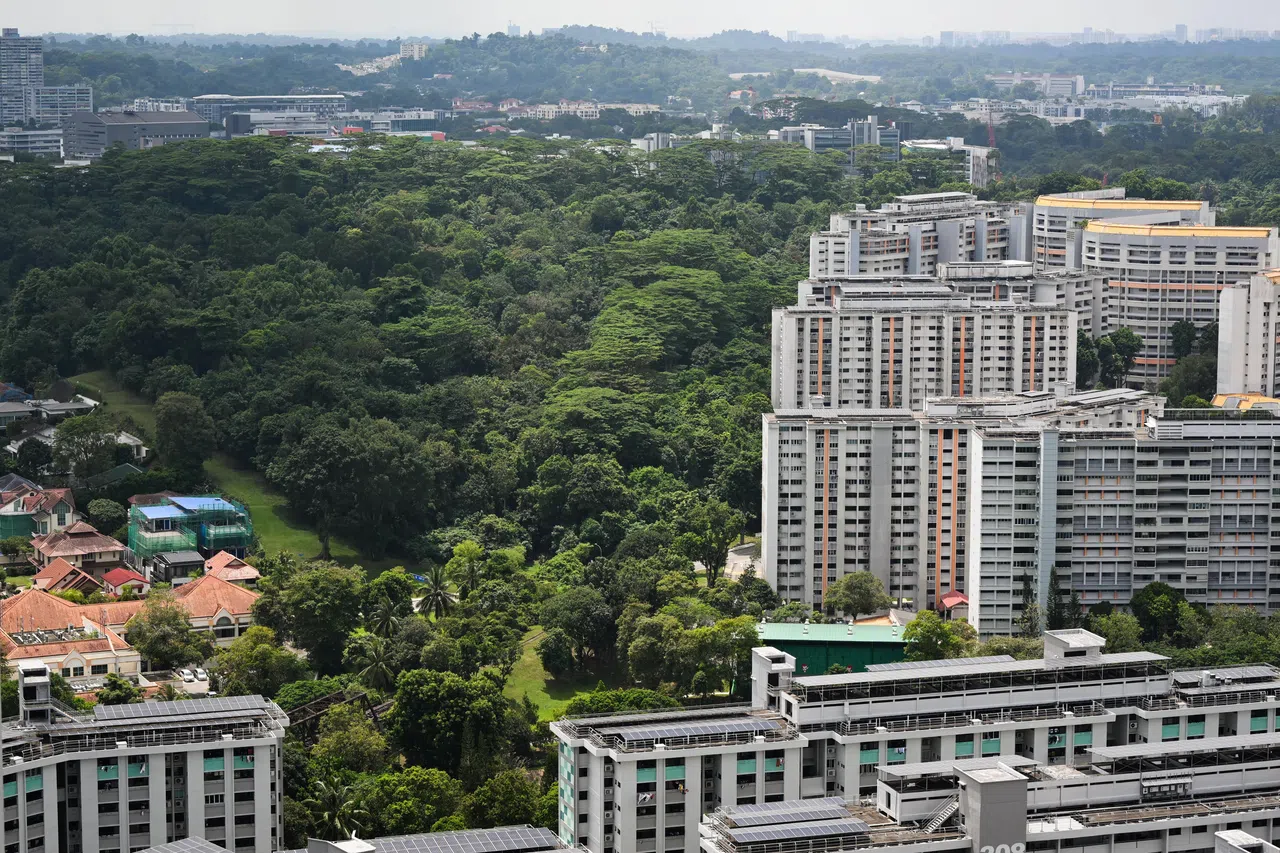
More greenery will be retained and nature parks created or expanded under revised housing development plans for Maju Forest and Gillman Barracks, following controversy over the proposals for the two sites. About 11,000 homes will be provided, around 1,200 fewer than originally planned.
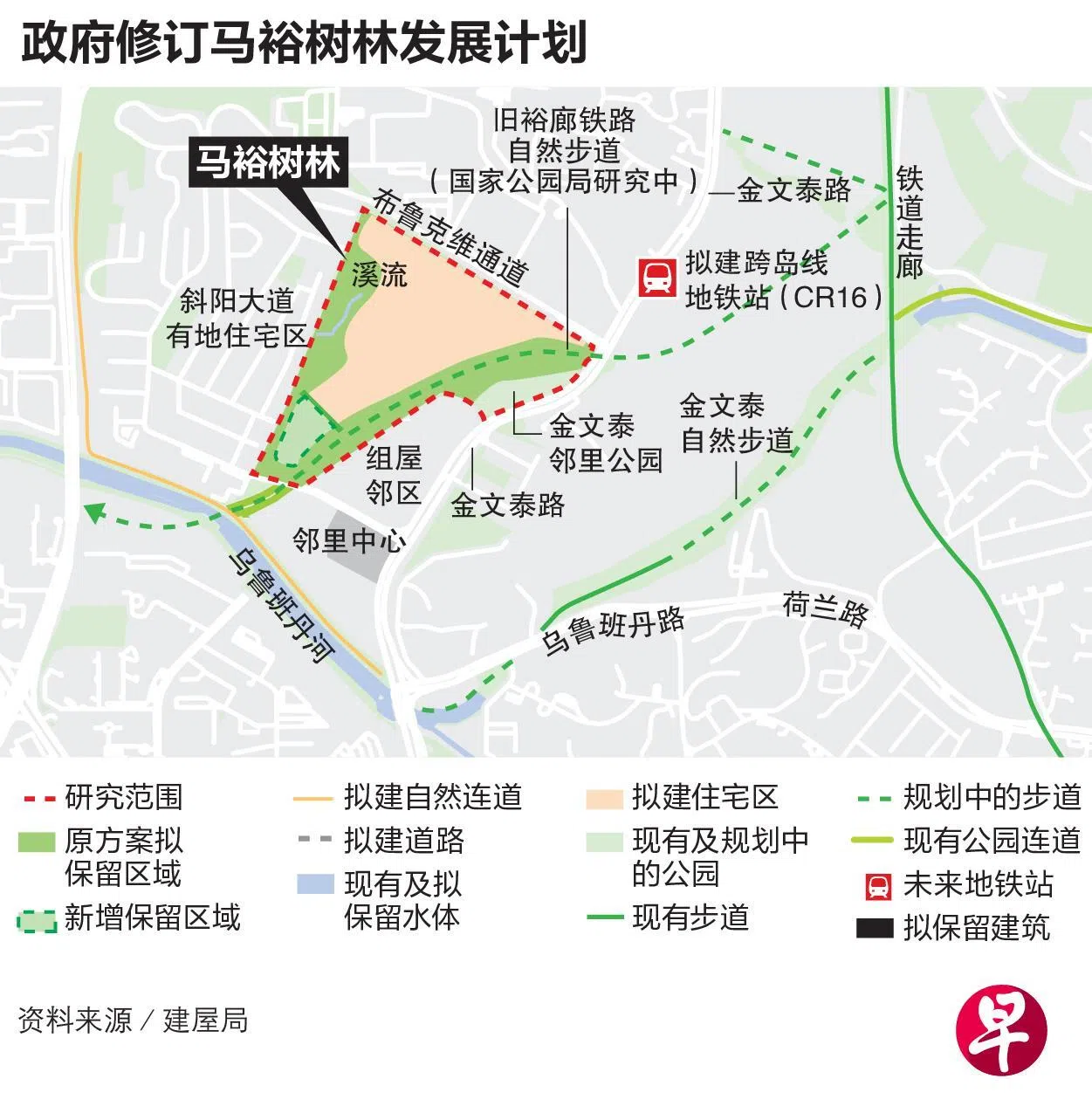
The Housing and Development Board (HDB) released the revised development plans for the two sites on Wednesday (28 October). At Maju Forest in Sunset Way, Clementi, the green space to be retained will increase from about eight hectares to ten hectares, covering nearly half the 23-hectare study area and representing an increase of about 35% from the original plan. The entire retained area will be designated as a new nature park.
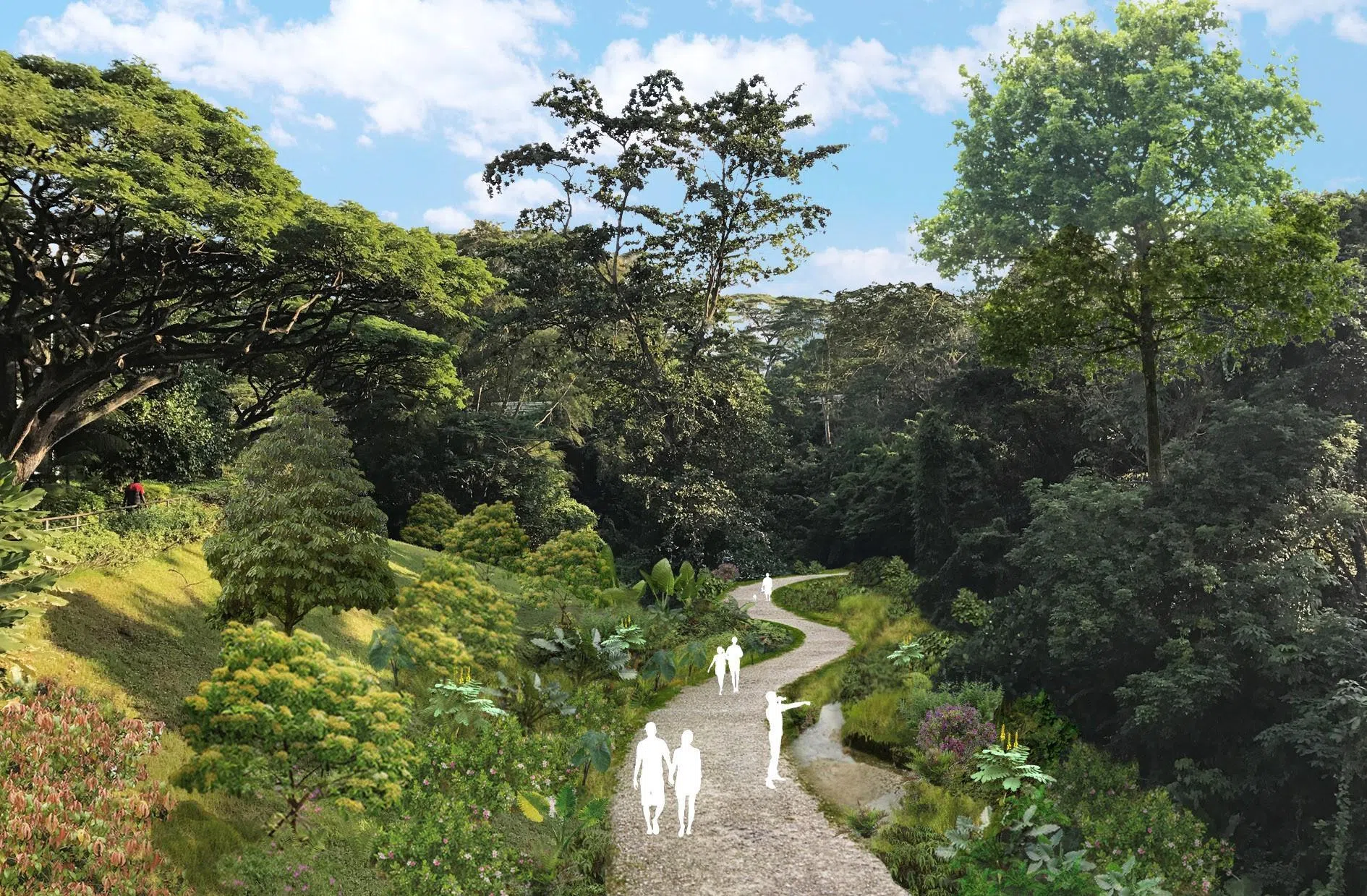
The additional greenery to be retained at Maju Forest lies in the southern part of the study area. It will create a broader, continuous green space, strengthening ecological connectivity within the retained area and with the Clementi Nature Corridor, and giving wildlife more room to roam.
At Gillman Barracks, the area designated as green space will increase from about eight hectares to 12 hectares, equivalent to 60% of the site’s roughly 20 hectares of existing greenery and 40% more than in the original plan. Under the revised plan, more greenery will be retained in the eastern section near Telok Blangah Street 31, including the existing woodland around the hill. The north-south ecological corridor around Lock Road and Malan Road will also be widened. These green spaces will become part of the upcoming Alexandra Nature Park within the Labrador Nature Park Network.
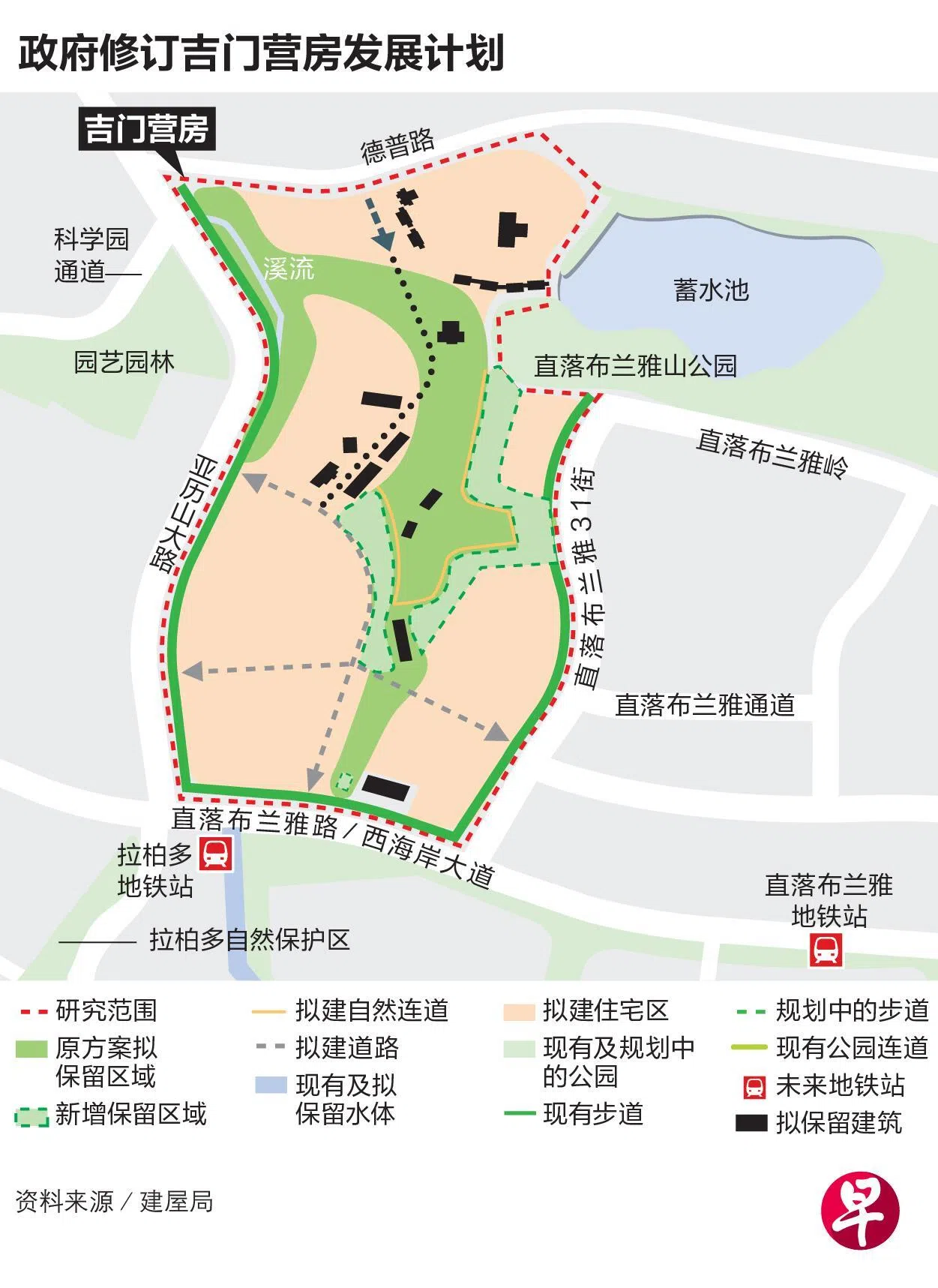
Heritage conservation arrangements for Gillman Barracks remain unchanged. The authorities will retain the 25 historic buildings identified in the original plan and explore adapting them for uses such as commercial and community facilities.
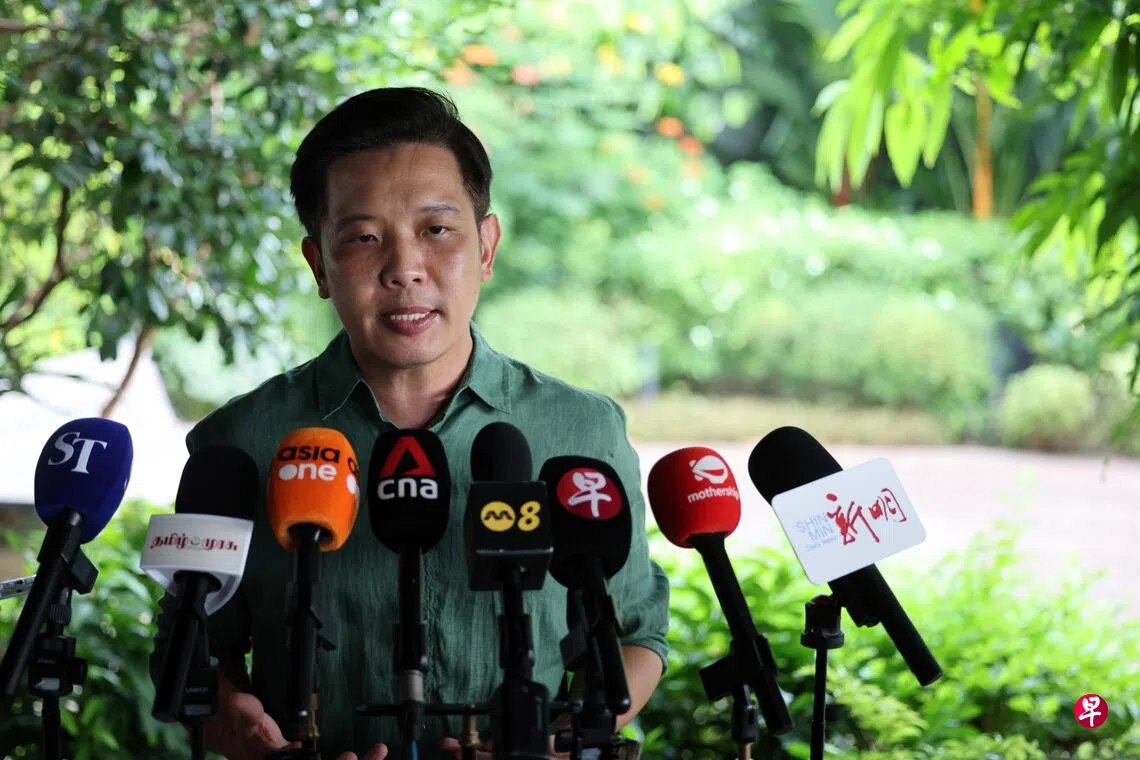
Speaking to the media on Wednesday, Minister of State for National Development and Foreign Affairs Alvin Tan said the authorities had studied and considered many suggestions. The revised plans reflected a balance between housing, greenery and heritage needs.
“It’s not easy to agree on a common landing and to find the right balance. But where possible, we have taken in the many diverse views when revising our plans, which we believe will achieve a better outcome for current as well as future generations.”
HDB may build taller blocks to balance housing density while ensuring good airflow and privacy
In response to queries from Lianhe Zaobao (LHZB), HDB said about 4,000 HDB flats were expected to be built at Maju Forest, around 400 fewer than originally planned. Gillman Barracks will provide about 7,000 homes, around 800 fewer than originally planned, of which about 5,500 will be HDB flats.
Together, the two sites will provide about 9,500 HDB flats and around 1,500 private homes.
With more greenery being retained, HDB will need to increase the development density of the remaining residential land. It said designs would be adjusted after further site surveys and studies, with taller HDB blocks built where feasible to minimise the reduction in the number of homes.
In June this year, HDB launched Berlayar Rise, a Build-To-Order project in the Greater Southern Waterfront near Gillman Barracks, with blocks planned to reach up to 49 storeys. HDB said detailed plans for the two sites, including building heights and gross plot ratios, had yet to be finalised. Building heights in the new developments must comply with existing aviation height restrictions. “The developments will be designed sensitively in relation to the retained greenery and buildings, as well as surrounding residential developments. This could include providing sufficient setbacks from existing properties and orientating the blocks to support good wind flow and privacy, where feasible.”
In mid-July this year, HDB released environmental impact assessment reports for Sunset Way and Gillman Barracks, as well as a heritage impact assessment report for Gillman Barracks, and launched a public consultation on development concepts for the two sites.
Over the past few months, the two development plans have attracted widespread attention. Many people have called for more greenery to be retained, expressing their views through online petitions and engagement sessions with residents, among other channels.
During the four-week public consultation exercise, HDB received about 7,200 submissions on Maju Forest and 2,300 on Gillman Barracks. The authorities also engaged about 1,000 stakeholders, including residents, nature groups, young people, academics and professionals.
In a Facebook post, Minister for National Development Chee Hong Tat said: “I would like to thank everyone who contributed to this conversation. We will continue to work with our partners and stakeholders to develop Singapore as a City in Nature.”
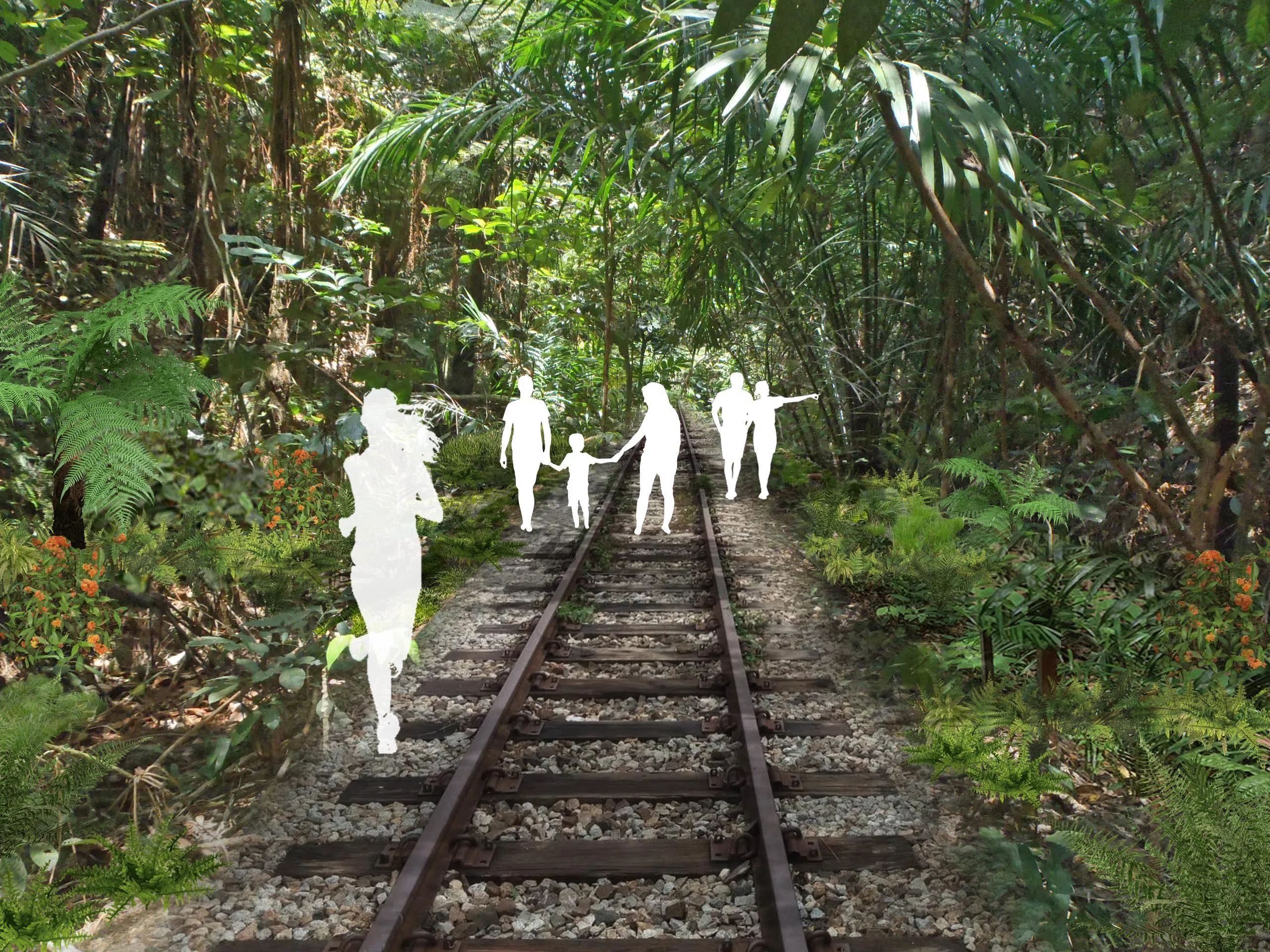
HDB said the public consultation on development concepts for Maju Forest and Gillman Barracks had ended. The revised plans will form the basis for detailed planning and design over the next few years.
Some feedback can only be addressed at the detailed planning and design stages. The relevant agencies will consider these suggestions at the appropriate stages.
