

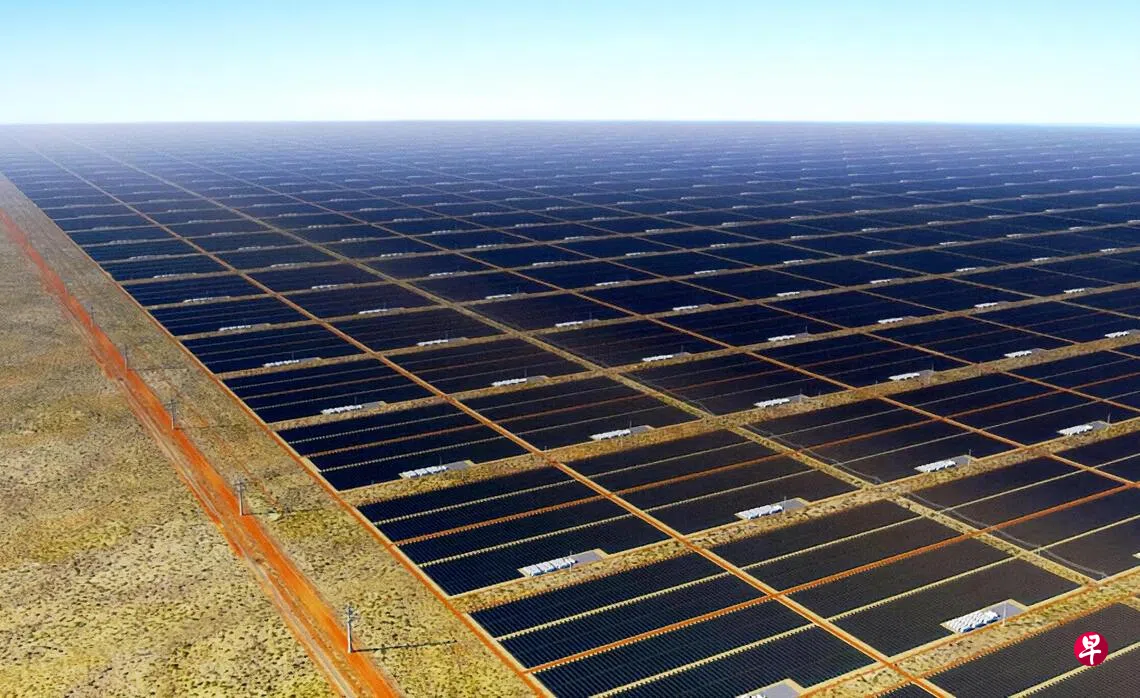
Australian renewable energy company SunCable has largely finalised the route for a subsea cable from Australia through Indonesian waters to Singapore, aiming to supply low-carbon energy to Singapore around 2035.
The SunCable-led project, known as the Australia-Asia PowerLink, plans to build a massive solar farm at Powell Creek in Sydney and transmit 1.75 gigawatts of renewable energy from Darwin through Indonesia to Singapore via subsea cables. The project received conditional approval from the Singapore government in 2024.
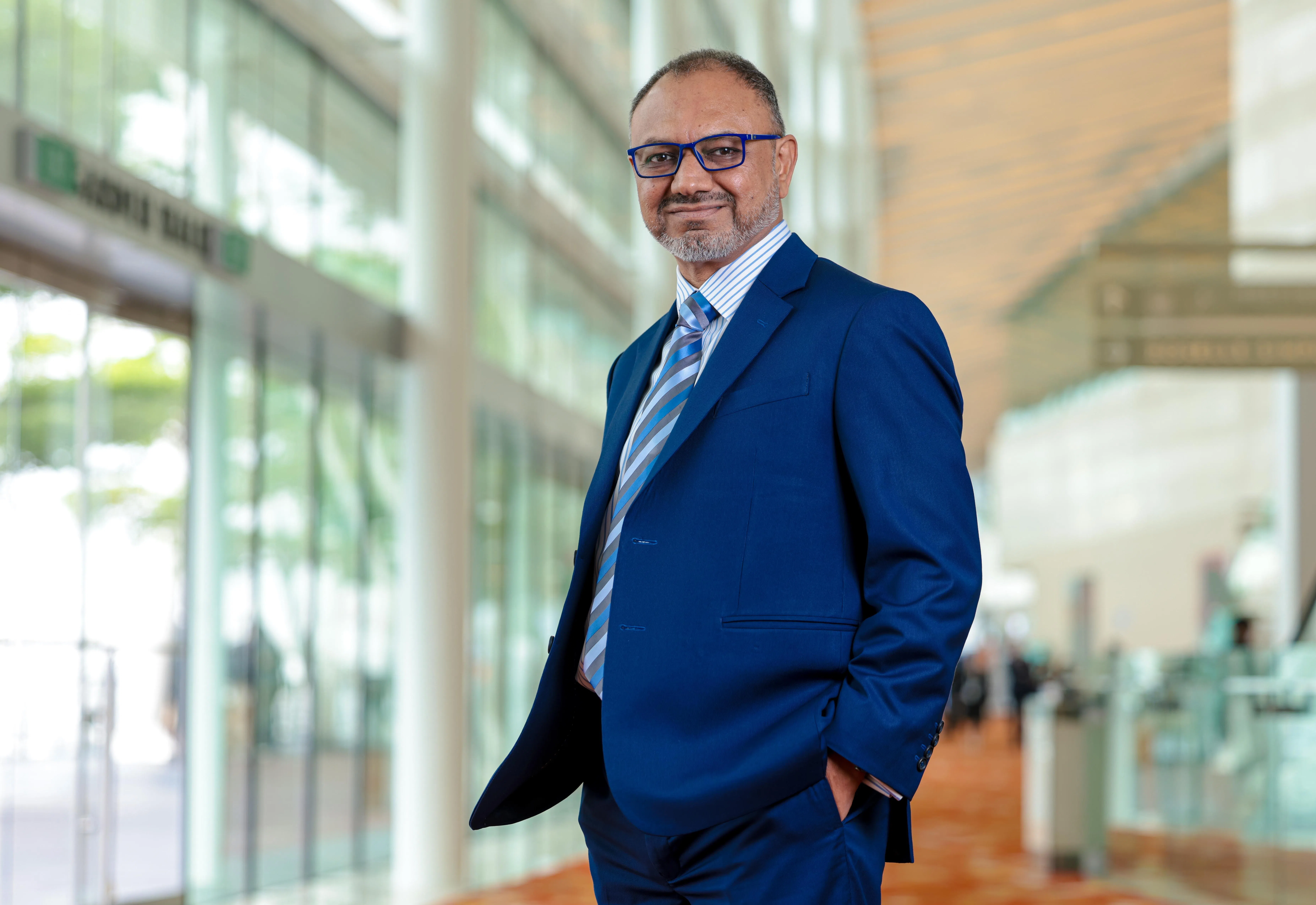
SunCable chief operating officer Mitesh Patel told Lianhe Zaobao (LHZB) that the company conducted its first survey in Indonesian waters in 2022, followed by further studies early this year. It has now largely finalised the subsea cable route from Australia to Singapore waters, with only the final stretch within Singapore waters still to be determined.
Patel explained that while Singapore waters are busy, only a short stretch of the route remains to be determined, and this can be surveyed and finalised later. “We're not excessively concerned about it because it's Singaporean waters and we're working with the Singaporean government.”
The project's subsea cable will span about 4,300 kilometres, of which around 3,700 kilometres will pass through Indonesian waters. Patel said the plan remains unchanged: the cable will only pass through Indonesian waters and will not connect to its power grid. He added that the current regulatory framework is clear and will not affect the project.
However, findings from the second phase of a feasibility study on regional energy connectivity in Southeast Asia, jointly advanced by Singapore and the US, noted that laying subsea cables in Asia is highly complex. Even where legal and governance frameworks exist, national systems differ, from project approvals to the issuing of permits.
Patel said the length of the proposed subsea cable is unprecedented, and both developers and governments are familiarising themselves with the regulations in each jurisdiction. As interpretations of those regulations may differ, open and active communication is key to resolving problems.
“In the end, it is about shared benefits. If the benefits that will accrue from the project are attractive and clear enough, there will be an incentive and motivation for the respective governments to remove those barriers.”
In the current regional climate, ensuring that Indonesia shares in the benefits is particularly important, especially after its decision to cut natural gas exports to Singapore from 24 October put relations between the two countries in an awkward position.
Patel noted that development projects worldwide have to manage geopolitical uncertainties, and SunCable's project is no exception. “We have continued to receive good cooperation from the Indonesian government so far. We did the survey in Indonesian waters early this year, so that is an example.”
To further shore up Indonesia's support, SunCable is preparing to submit an updated report to its government outlining how the project could boost the local economy. Patel said the potential benefits are substantial. Regardless of geopolitics, he believes Indonesia will be willing to support the project's implementation out of its own interests.
Besides the Indonesian government’s support, the project's implementation also depends on electricity buyers. One of SunCable's next priorities is to hold talks with potential buyers to ensure the investment is sustainable and the outlook for electricity purchases is clear.
Patel expects the project to reach financial close around 2030, about three years later than the timeline the company disclosed in 2024. He explained that the delay does not mean the project has encountered obstacles. Rather, the revised timeline reflects actual development progress, with studies on laying the subsea cable requiring more time.
Given the project's scale, doubts about its feasibility persist. In response, Patel said projects of all sizes around the world inevitably face challenges. “To say that it will not be achieved, especially when there are still nine years left, is too much of a forecast.”
6-gigawatt import target is “aspirational”
Singapore aims to import 6 gigawatts of low-carbon electricity by 2035, but projects are progressing at different rates, leaving uncertainty over whether the target can be met on time. The Energy Market Authority (EMA) said the 6-gigawatt import target is “aspirational”.
Responding to queries from LHZB, EMA said low-carbon electricity imports are an important lever for decarbonising Singapore's energy sector and diversifying its energy supply.
However, the implementation of import projects depends on several factors, including regulatory approvals from exporting and transit countries, and commercial demand from electricity users in Singapore.
EMA said projects that have received conditional approvals and conditional licences are progressing at different rates. Before reaching financial close, they must meet a series of development milestones, including securing approvals from the relevant jurisdictions, signing power purchase agreements and obtaining sufficient financing.
It stressed that, alongside advancing low-carbon electricity imports, Singapore will continue developing other low-carbon energy sources, including solar, biomethane, hydrogen and geothermal energy. It will also assess whether various advanced nuclear energy technologies are suitable for deployment in Singapore.
“Meanwhile, we will continue building up our natural gas importation infrastructure and diversifying our natural gas supplies to ensure we have sufficient and secure energy supplies to meet our economy’s needs.”
Singapore's existing electricity import projects include:
